
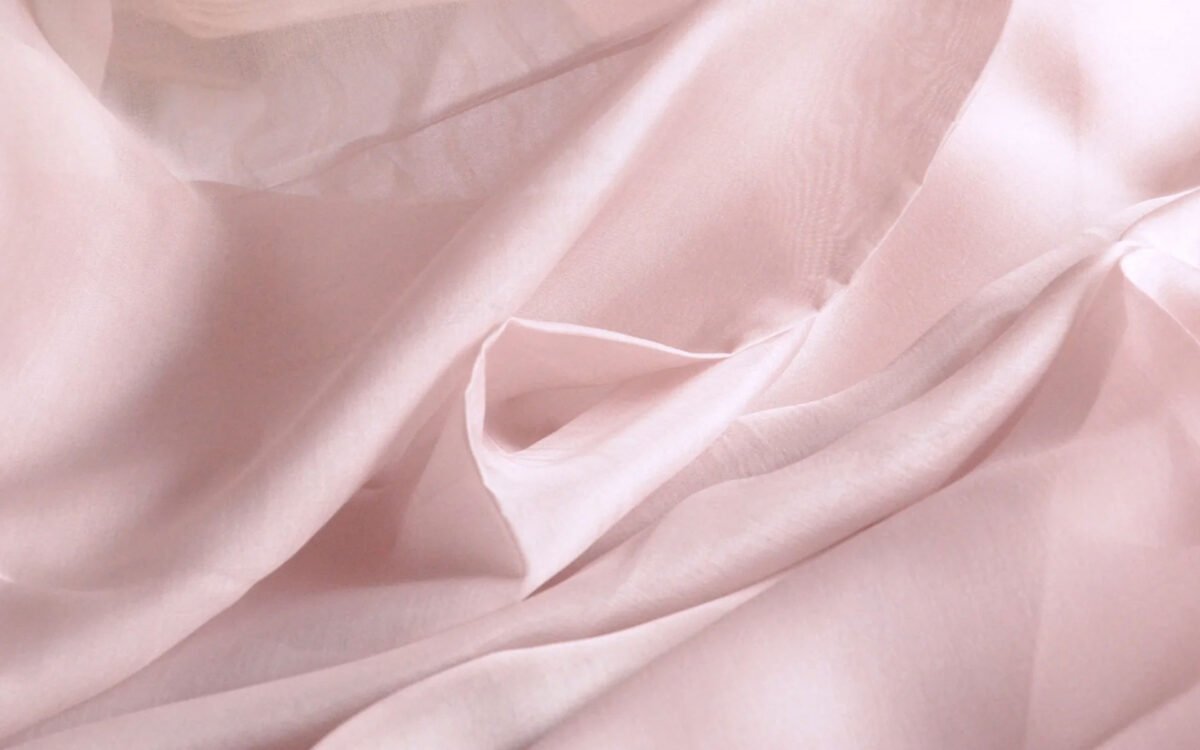
Silk Organza Fabric: The Ultimate Guide
Silk organza fabric is a lightweight, sheer textile known for its crisp texture, elegant transparency, and structured drape. Unlike softer fabrics such as chiffon, silk organza maintains its shape while still appearing delicate and airy. Because of these qualities, it is widely used in bridal wear, evening gowns, couture fashion, and decorative textiles. Made from fine silk fibers, silk organza offers a refined look and luxurious feel, making it a preferred fabric among designers and fashion br ...
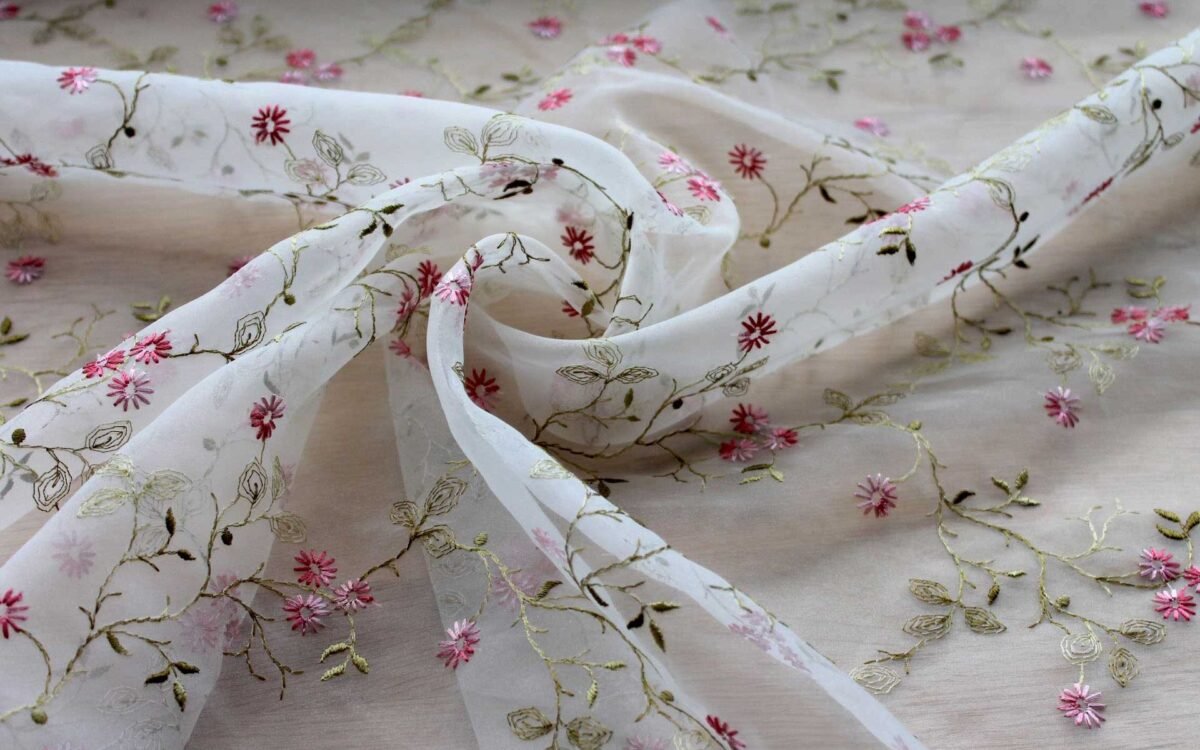
Embroidered Organza Fabric: Types and Design Ideas
Embroidered organza fabric combines the sheer elegance of organza with decorative embroidery patterns, creating a textile that is both lightweight and visually rich. This fabric is widely used in evening wear, bridal gowns, couture fashion, and luxury home décor. In recent years, variations such as jacquard organza fabric and modern embroidered styles have become increasingly popular among designers looking for texture, dimension, and delicate transparency.
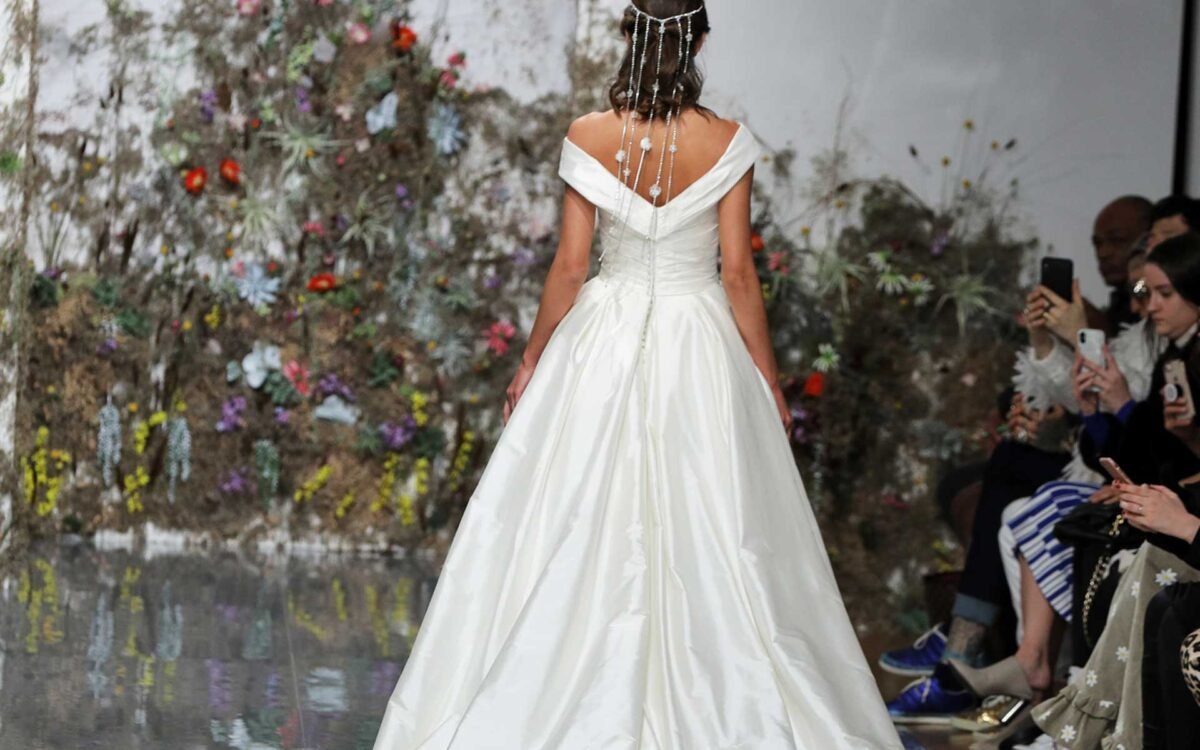
Organza Wedding Dress Fabric: Everything You Need to Know
When it comes to bridal fashion, organza wedding dress fabric is one of the most elegant and timeless choices. Known for its sheer appearance, crisp texture, and lightweight structure, organza is widely used in bridal gowns to create volume, layers, and romantic silhouettes. If you are planning a wedding dress or researching wedding dress organza fabric, this guide explains everything you need to know—from its characteristics and types to design ideas and care tips.
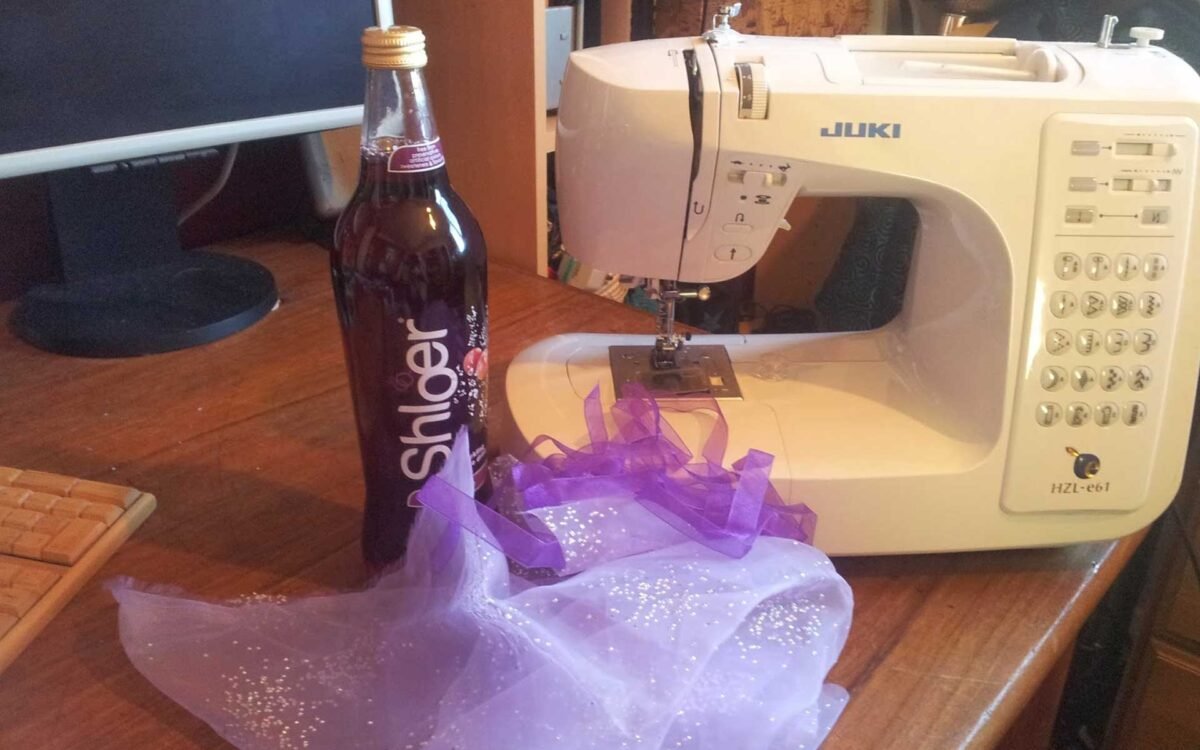
How to Sew Organza: Tips for Beginners
Organza is a beautiful yet delicate sheer fabric often used in wedding dresses, evening gowns, decorative overlays, and formal garments. While it looks elegant, many beginners find sewing organza challenging because the fabric is thin, slippery, and prone to fraying. This beginner-friendly guide explains how to sew organza fabric successfully, including the right tools, stitching methods, and practical tips to achieve professional results.
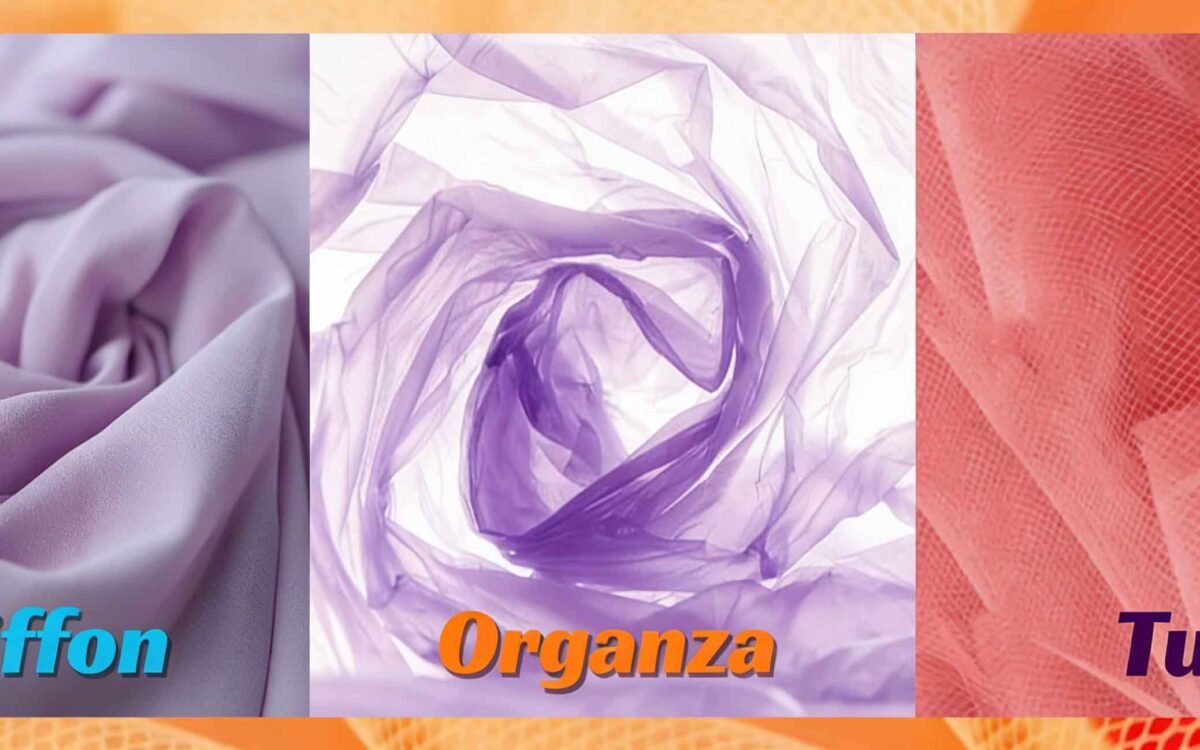
Organza vs Tulle vs Chiffon: The Ultimate Comparison
When choosing a lightweight, sheer fabric, three materials often come up: organza, tulle, and chiffon. These fabrics are widely used in wedding dresses, evening gowns, decorations, and fashion design, but each has a unique structure, texture, and purpose. If you are comparing organza vs tulle vs chiffon, understanding their differences will help you select the best fabric for your project.
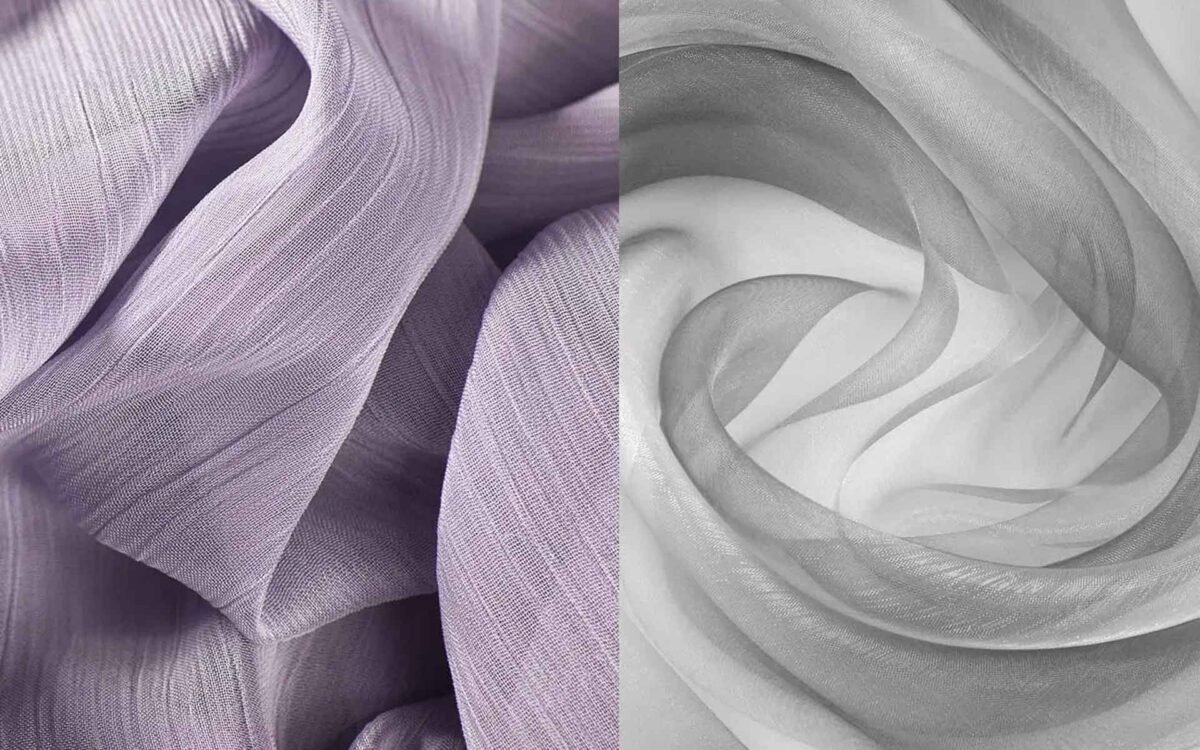
Organza vs Chiffon: Which Fabric Should You Choose?
When choosing lightweight fabrics for fashion or decoration, organza and chiffon are two of the most popular options. Both are sheer, elegant, and commonly used in eveningwear, bridal gowns, and decorative designs. However, they have important differences in texture, structure, and overall appearance. If you're wondering about organza vs chiffon or the difference between chiffon and organza, this guide explains how these fabrics compare and when to use each one.
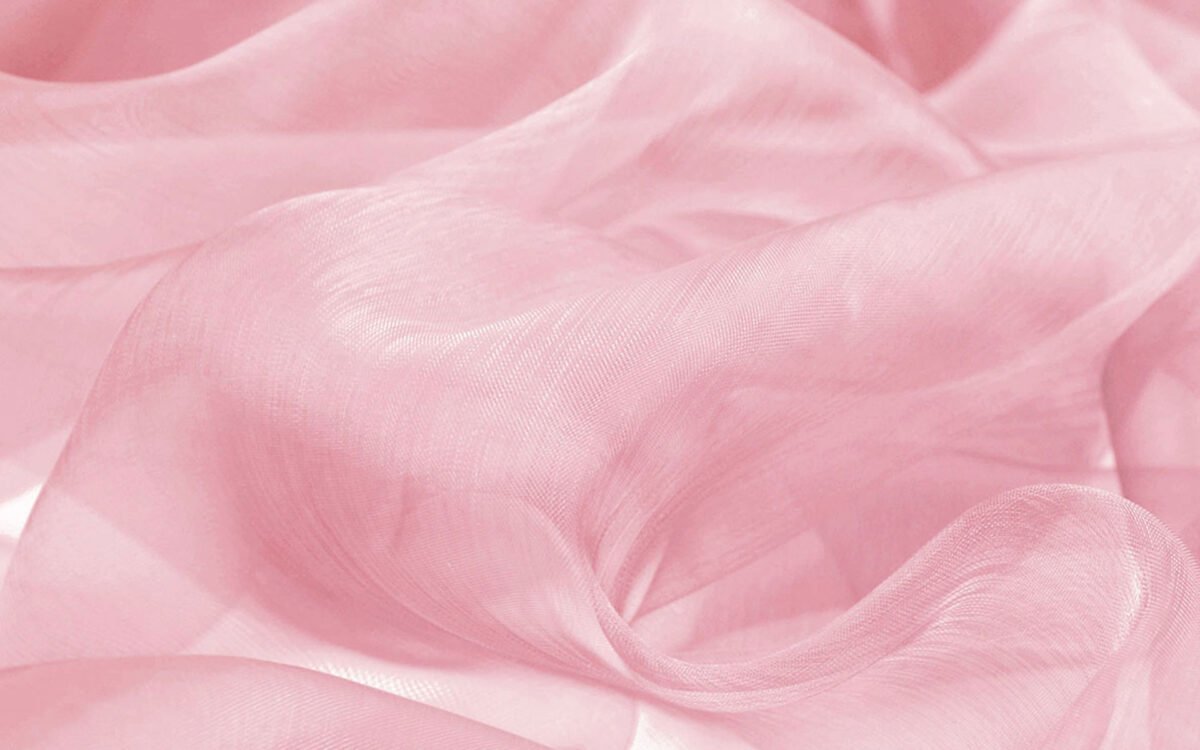
Pink, Red, Blue & Purple Organza Fabric Guide
Organza fabric is widely loved for its sheer texture, lightweight structure, and elegant shimmer. While classic organza often appears in white or ivory, colored organza fabrics—especially pink, red, blue, and purple—have become increasingly popular in fashion, event decoration, and craft projects. In this guide, we explore the unique characteristics and uses of pink, red, blue, and purple organza fabrics, along with tips for choosing the right color for your design.
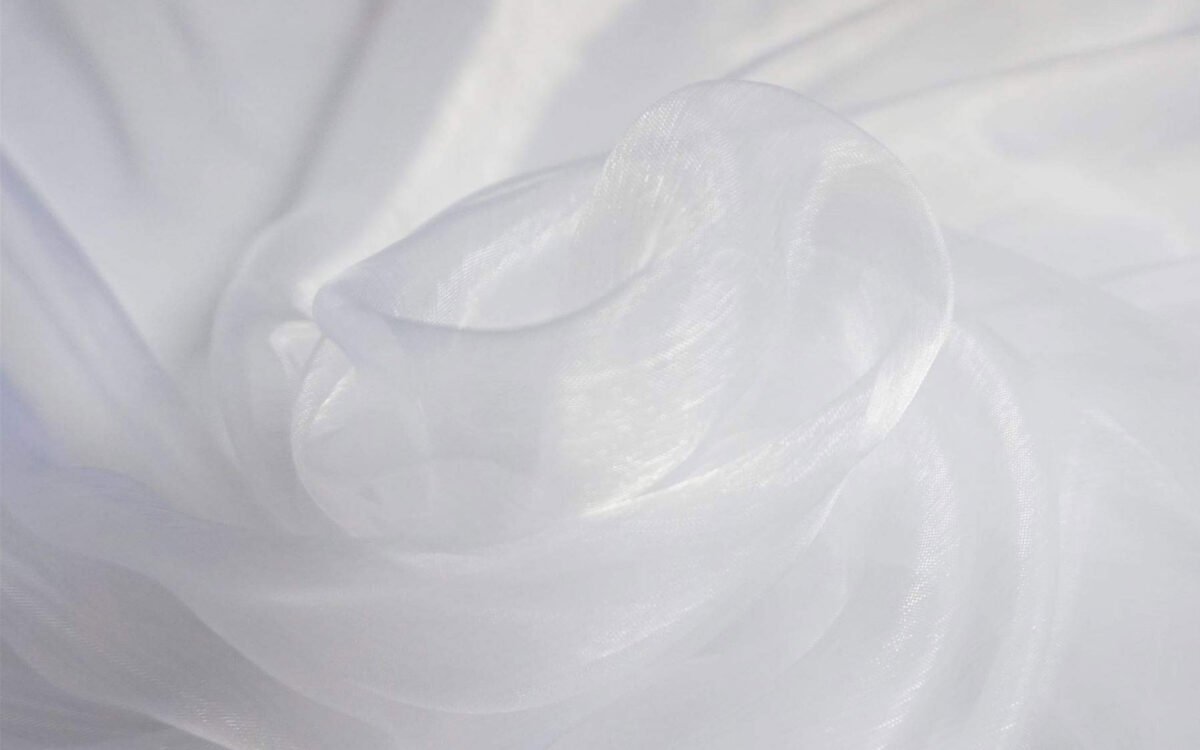
White Organza Fabric for Wedding Dresses
White organza fabric is one of the most beloved materials in bridal fashion. Known for its sheer elegance, lightweight structure, and crisp texture, organza creates dreamy silhouettes while adding volume without heaviness. This makes it a perfect choice for wedding dresses, veils, and bridal accessories. In this guide, we’ll explore why white organza fabric is ideal for wedding gowns, the different styles it creates, and tips for choosing the right organza for your bridal design.
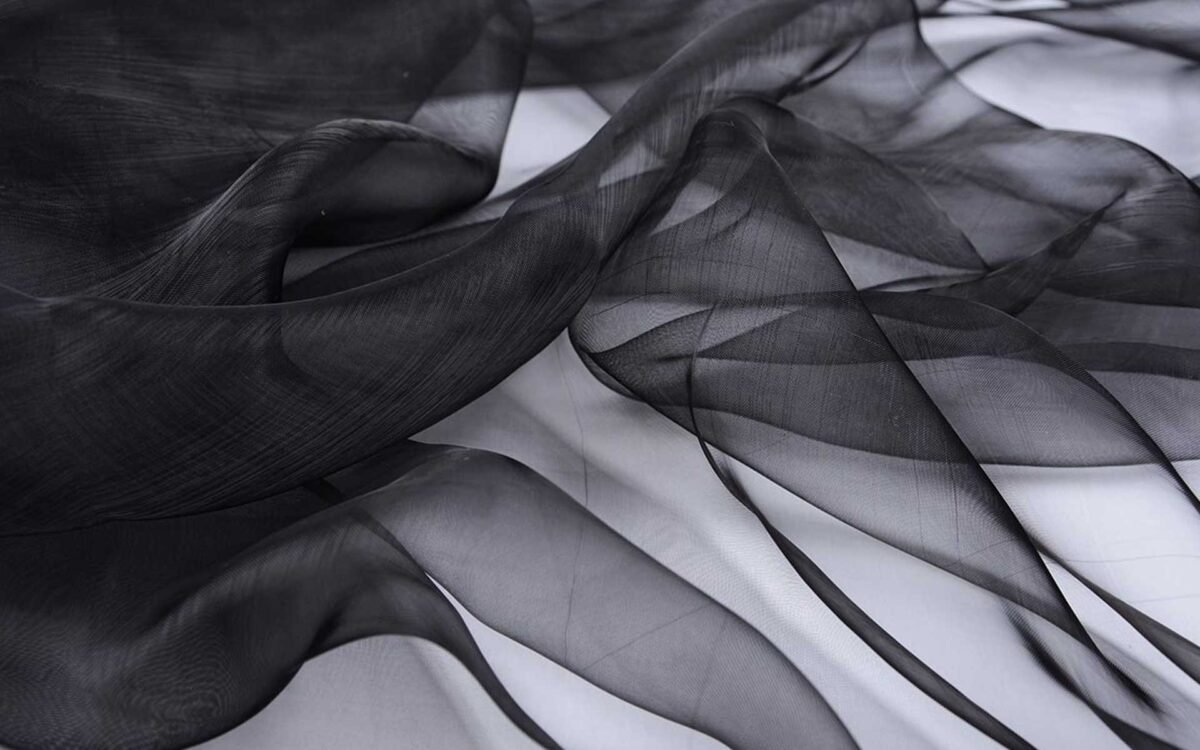
Black Organza Fabric: Uses, Care & Styling Tips
Black organza fabric is a timeless textile known for its sheer elegance, crisp structure, and dramatic visual effect. While traditional organza often appears in soft bridal colors, black organza offers a modern, sophisticated alternative widely used in fashion, eveningwear, and interior décor. In this guide, we’ll explore the characteristics, common uses, care tips, and styling ideas for black organza fabric.
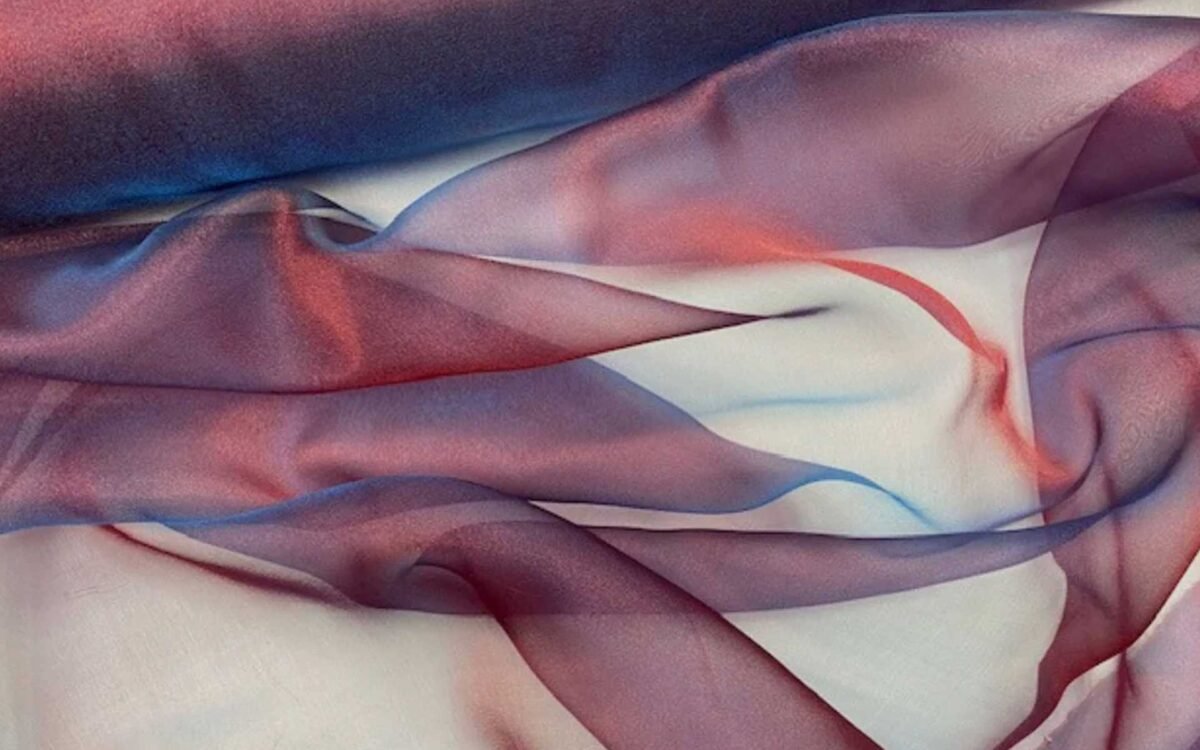
Crystal Organza vs Mirror Organza: The Shimmery Fabrics Explained
Organza fabrics are known for their sheer elegance and crisp structure, but some variations add an extra level of sparkle and shine. Two popular decorative options are crystal organza and mirror organza. Both fabrics feature a glossy, luminous finish, yet they differ in texture, visual effect, and typical applications. If you are comparing crystal organza vs mirror organza, this guide explains their characteristics, appearance, and best uses so you can choose the right fabric for fashion, decor ...
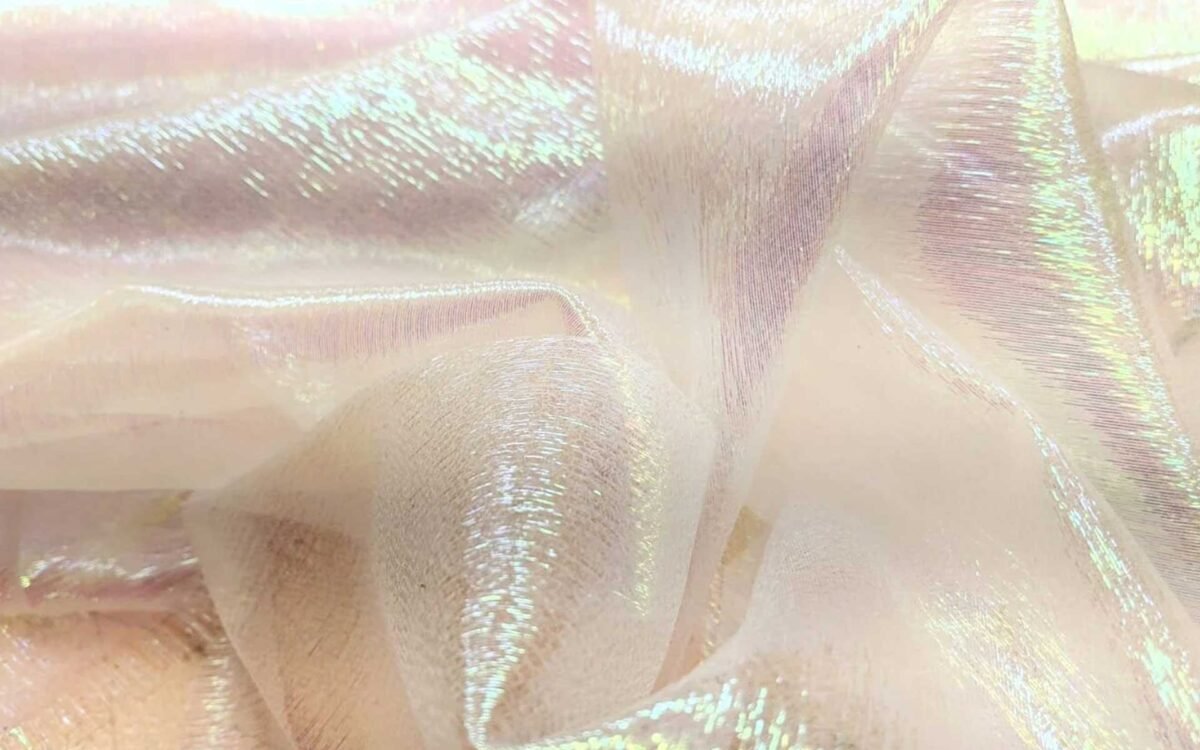
Iridescent Organza Fabric: What It Is and How to Use It
Iridescent organza fabric is one of the most eye-catching variations of organza. Known for its shimmering color-changing effect, it reflects different hues depending on light and viewing angle. This unique optical quality makes it popular in fashion design, eveningwear, and decorative textiles. If you’ve searched for iridescent organza fabric or an iridescent organza dress, this guide explains what makes this material special and how designers use it to create dramatic visual effects.
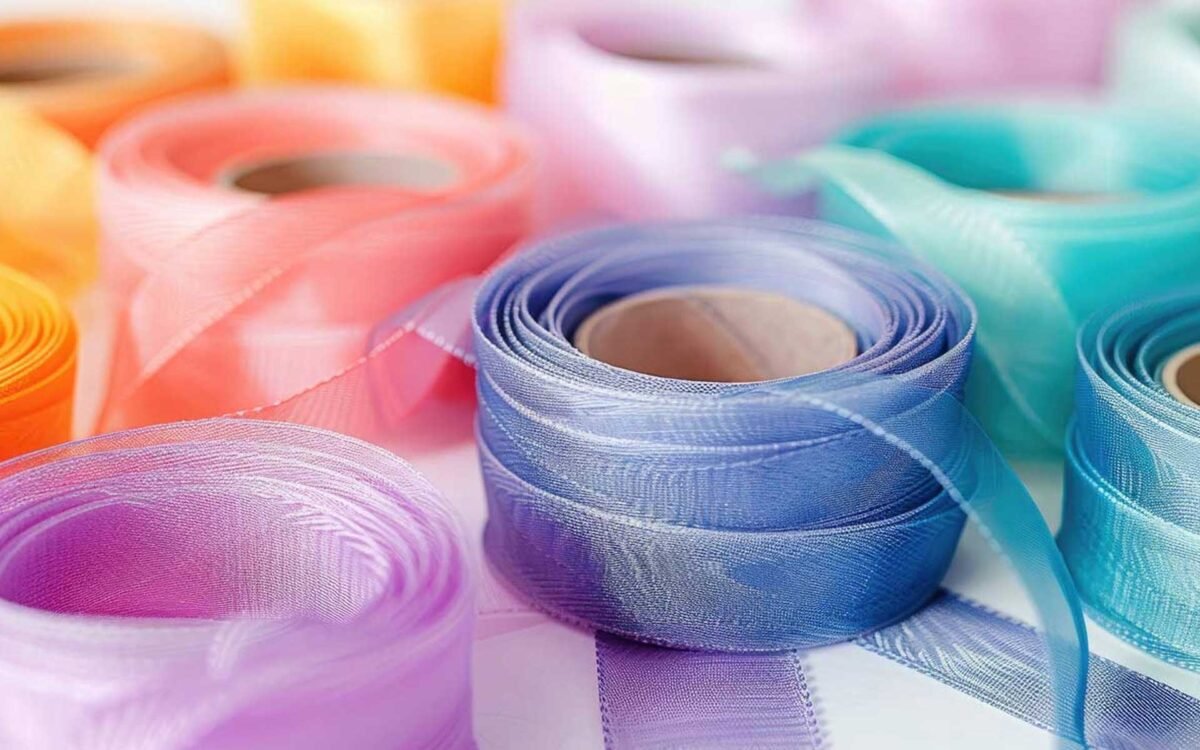
Organza Ribbon Guide: Types, Uses & Where to Buy
Organza ribbon is one of the most elegant decorative trims used in gift wrapping, event décor, fashion accessories, and crafts. Known for its sheer texture, lightweight feel, and delicate shine, it adds a refined touch to everything from wedding decorations to handmade products. If you’re searching for organza ribbon or sheer organza ribbon, this guide explains the different types, common uses, and where to buy high-quality ribbon for both retail and wholesale needs.
Silk Organza vs Polyester Organza: What’s the Difference?
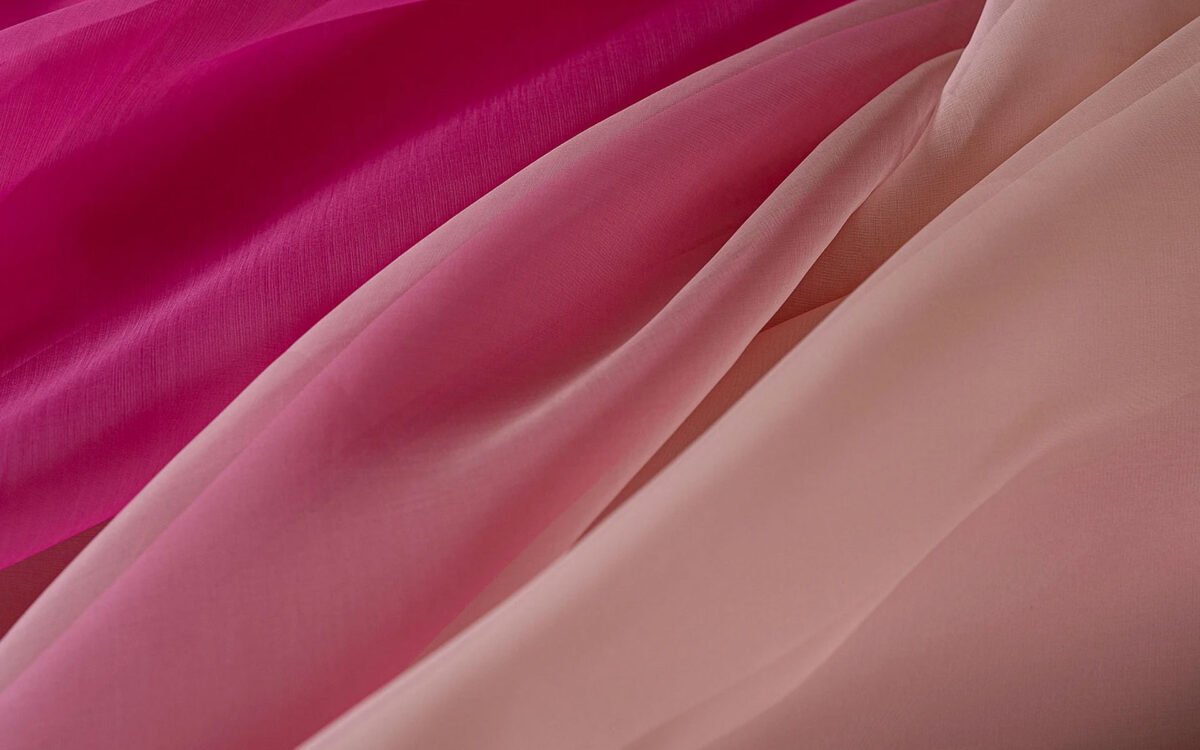
Organza is famous for its sheer beauty, crisp texture, and elegant drape, making it a favorite fabric in bridal fashion, eveningwear, and decorative textiles. However, when choosing organza, buyers often face an important decision: silk organza or polyester organza? Both fabrics share a similar transparent appearance, but they differ significantly in fiber composition, price, durability, and application. In this guide, we’ll compare silk organza fabric, polyester organza, and 100% silk organza ...
What Is Organza Fabric? A Complete Guide
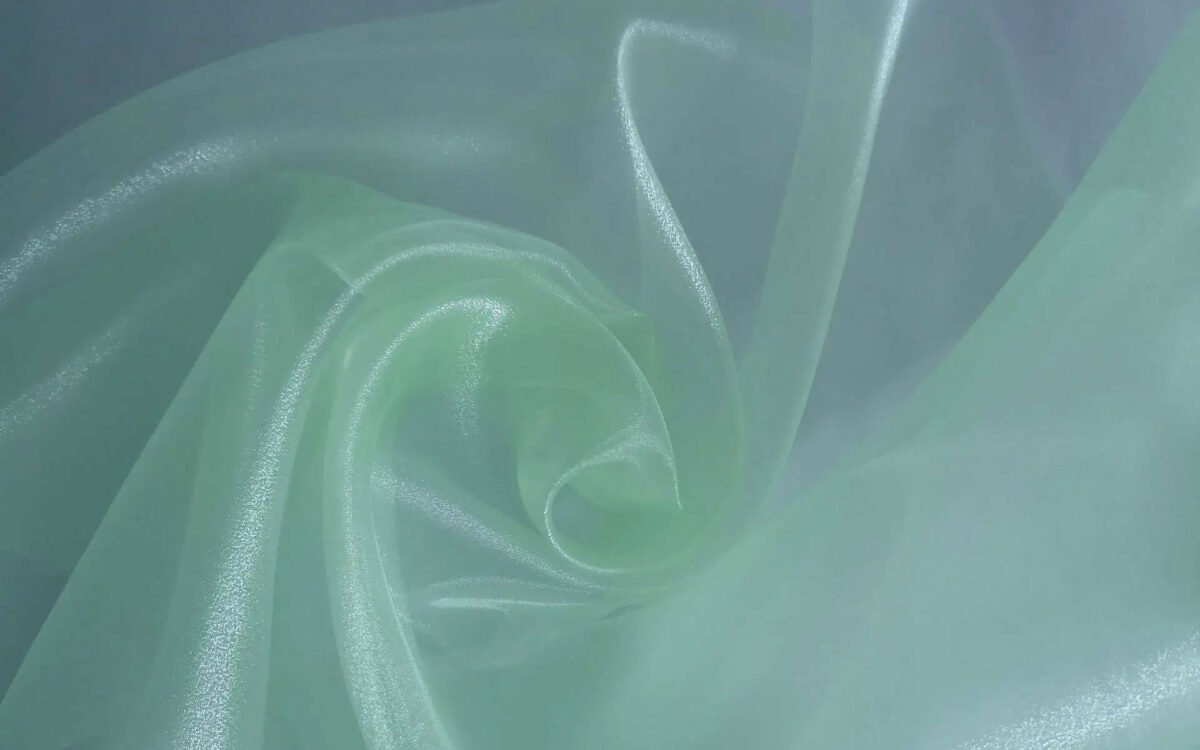
Organza fabric is a lightweight, sheer, and crisp textile that has become a favorite in fashion, bridal, and décor applications. Its delicate appearance belies its strength, making it a versatile material for designers and crafters alike. This guide covers everything you need to know about organza material, including its characteristics, types, and practical uses.
Taffeta vs Satin vs Organza: Which Fabric is Best for Your Occasion?
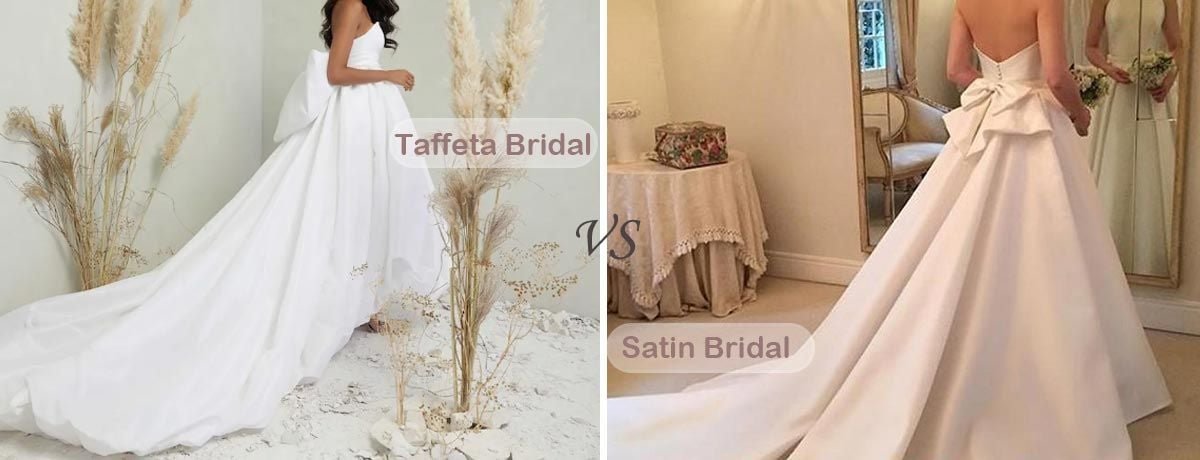
When choosing fabrics for formal clothing, wedding dresses, evening gowns, or event decorations, three materials often come up: taffeta, satin, and organza. While they may look similar at first glance, their texture, shine, structure, and durability are very different. Understanding the differences between taffeta vs satin, taffeta fabric vs satin, and organza fabric will help designers, DIY sewers, and buyers choose the right fabric for their project. This guide compares these fabrics in term ...
Tulle vs Organza: Which Fabric Should You Choose for Your Project?
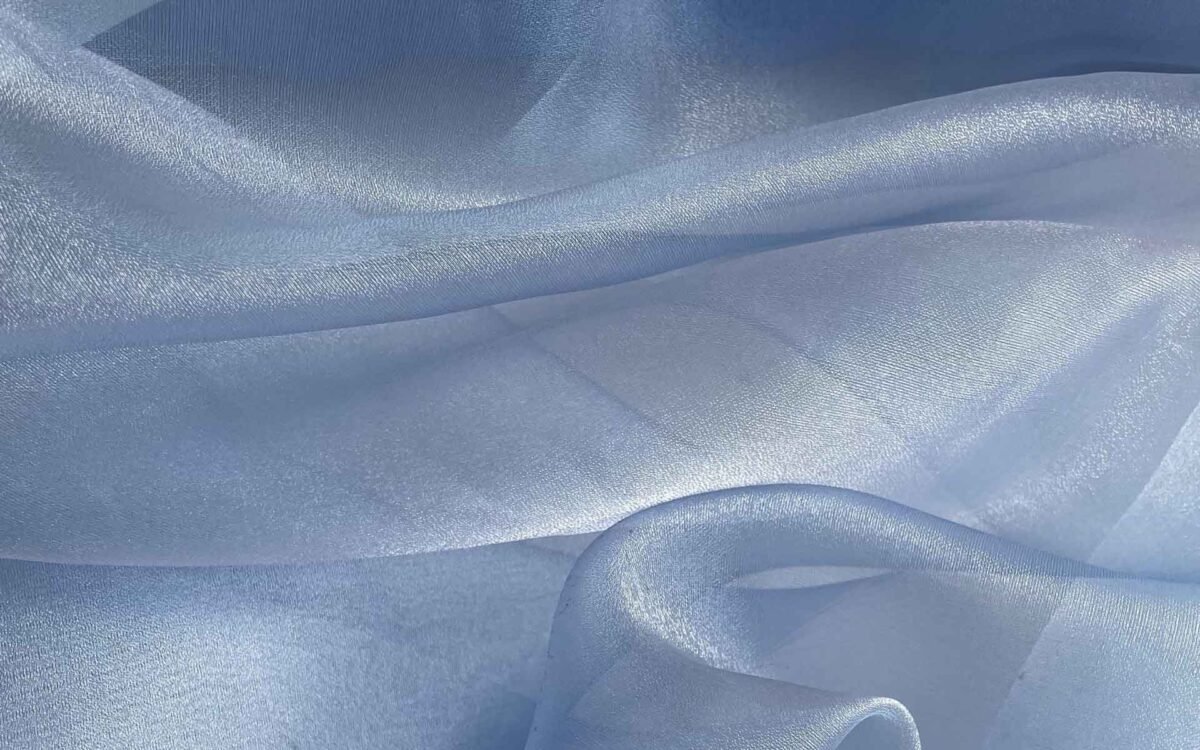
When working with sheer fabrics, two materials often appear at the top of the list: tulle and organza. At first glance they may seem similar—both are lightweight, transparent, and commonly used in formal fashion. However, their structure, texture, and performance are very different. Understanding the difference between tulle fabric and organza fabric can help designers, DIY creators, and fashion enthusiasts choose the right material for their projects.