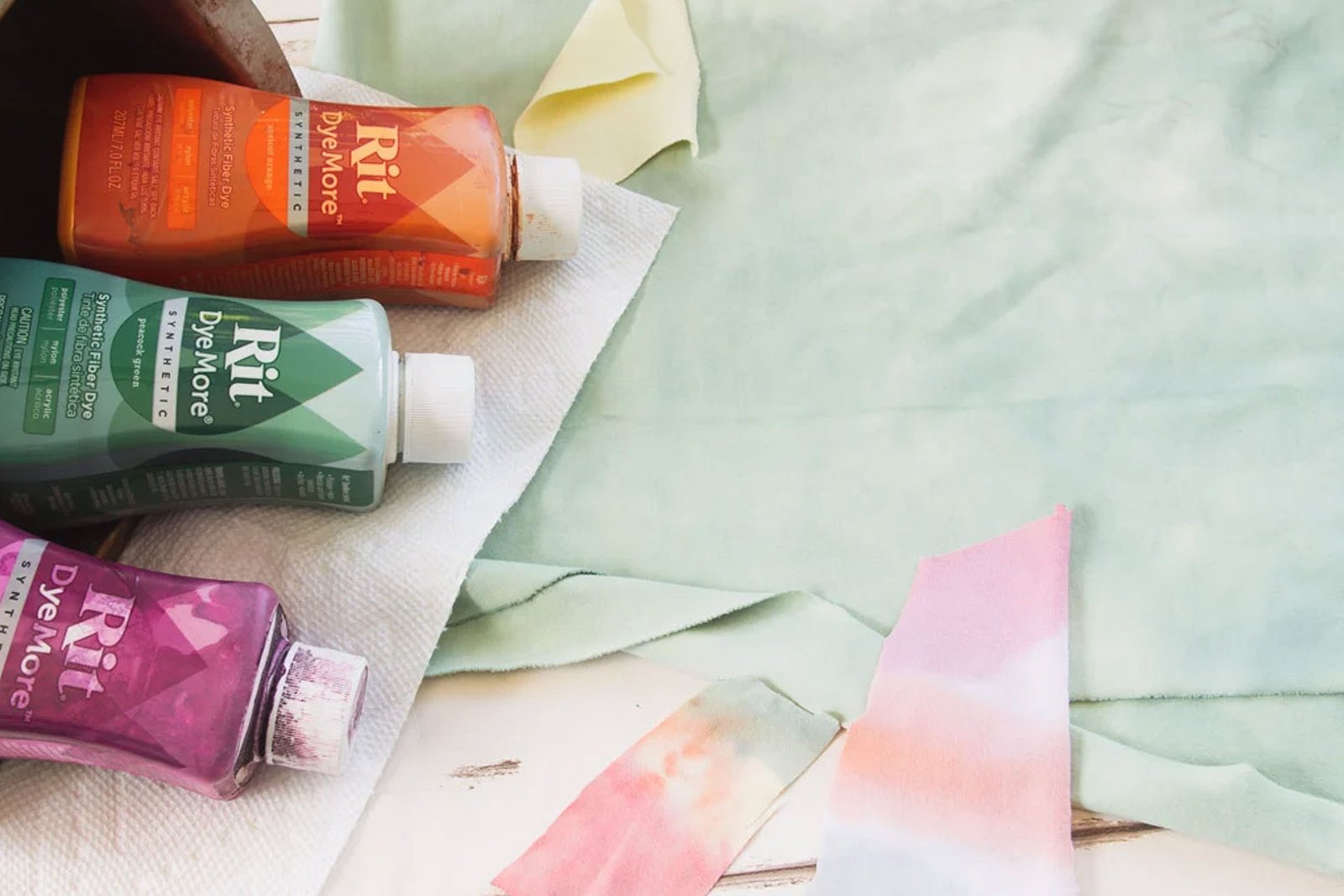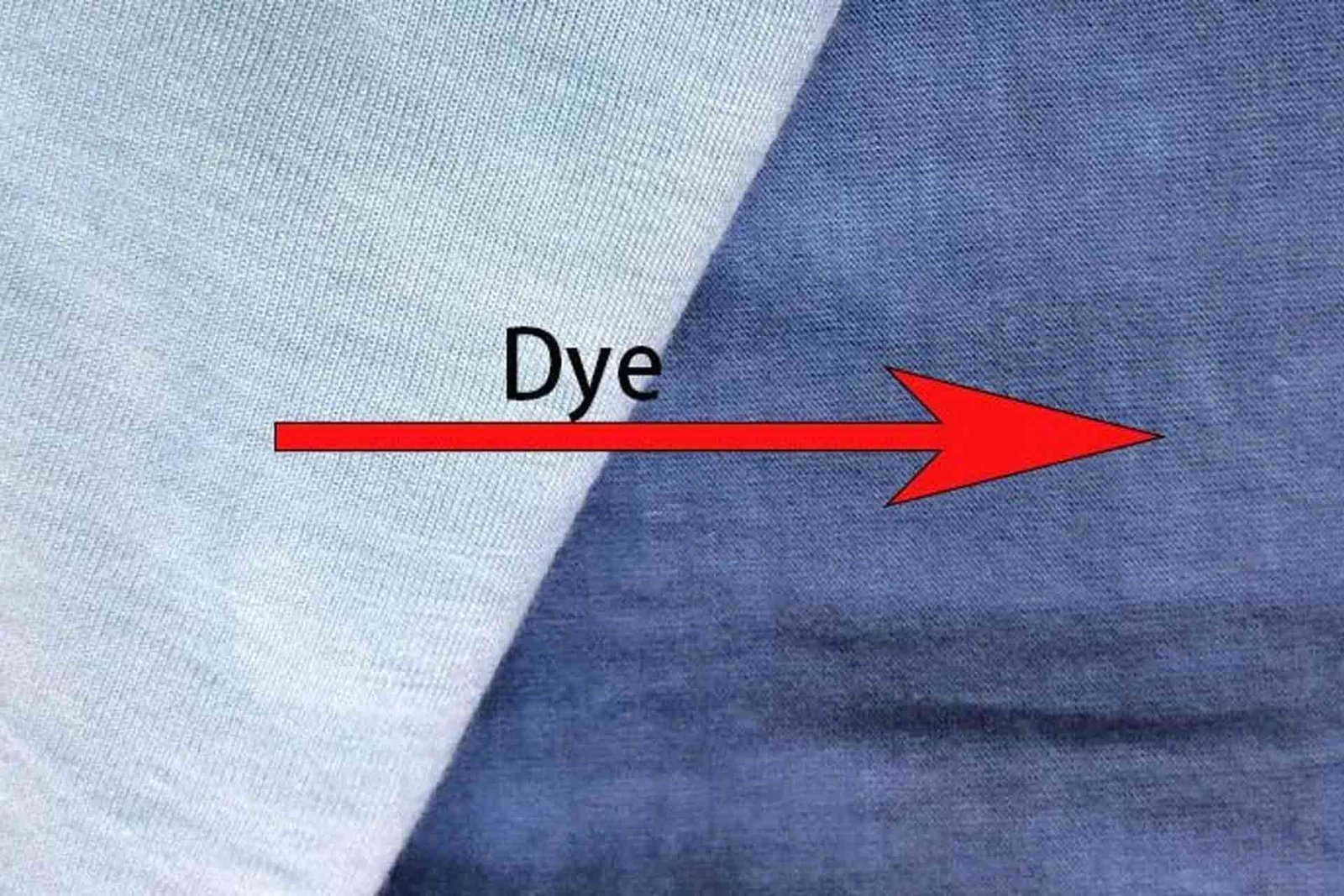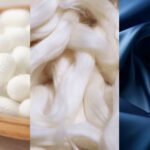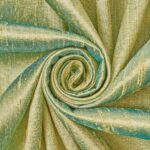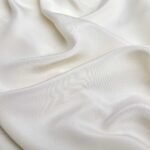
Silk is one of the easiest natural fabrics to dye because it absorbs color beautifully and produces vibrant, rich tones. Whether you want to refresh an old garment, customize fabric for sewing, or experiment with textile art, dyeing silk fabric at home can be both simple and rewarding.
However, because silk is a delicate protein fiber, it requires the right dyes, proper preparation, and gentle handling to achieve the best results.
In this guide, we’ll explain how to dye silk fabric step by step, what silk dyes to use, and helpful tips to achieve professional-looking colors.
Why Silk Is Ideal for Dyeing
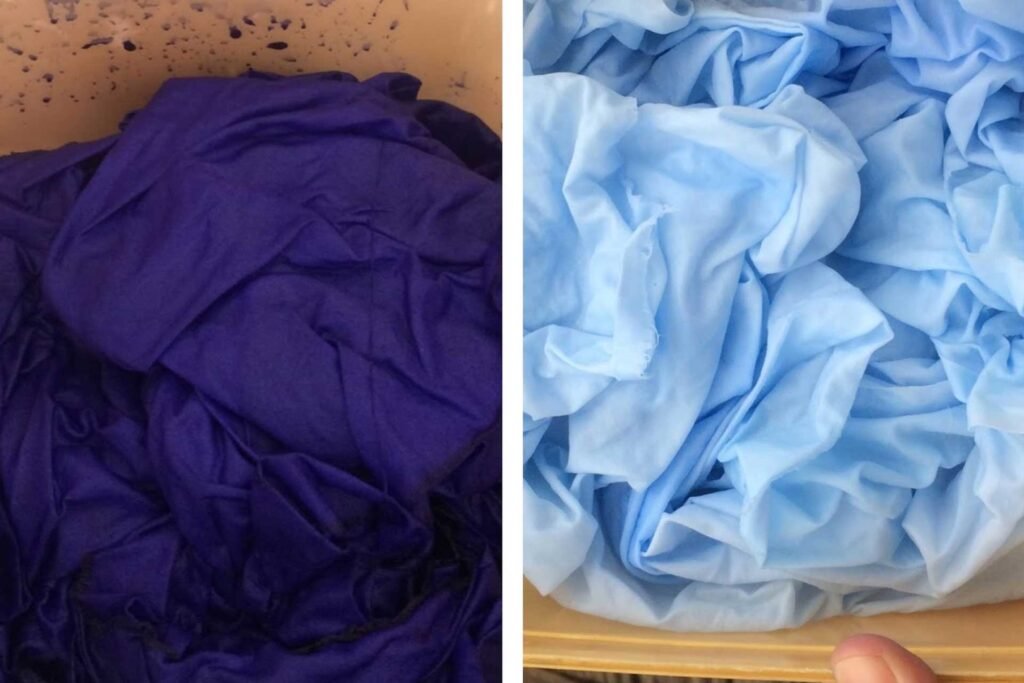
dyeing silk fabric
Silk is a natural protein fiber, which means it absorbs dye more effectively than many synthetic fabrics.
Advantages of dyeing silk fabric include:
-
Excellent color absorption
-
Bright and vibrant results
-
Smooth surface that shows dye clearly
-
Ability to create gradients and artistic effects
Because of these properties, silk is widely used in hand-dyed textiles, fashion design, and craft projects.
Best Types of Silk for Dyeing
Not all silk fabrics behave the same when dyed. Some types are particularly suitable for home dyeing.
Good Silk Fabrics for Dyeing
Common choices include:
-
Silk habotai
-
Silk chiffon
-
Silk charmeuse
-
Silk crepe de chine
These fabrics absorb dye evenly and produce beautiful colors.
Silk Fabrics That Require More Care
Some silk fabrics may require more attention during dyeing:
-
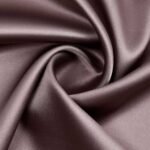
Silk satin
-
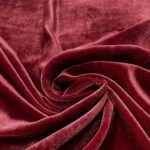
Silk velvet
-
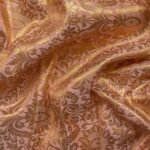
Heavy silk brocade
Their thicker or textured surfaces may affect dye penetration.
Types of Silk Dyes
Choosing the correct silk dyes is essential for achieving long-lasting color.
Acid Dyes
Acid dyes are the most commonly used dyes for silk.
Benefits include:
-
Bright colors
-
Strong colorfastness
-
Good absorption by protein fibers
These dyes are widely used by textile artists and professionals.
Fiber-Reactive Dyes
Some fiber-reactive dyes can also be used on silk.
They provide:
-
Vibrant color results
-
Good wash resistance
However, they are more commonly used for cotton.
Natural Dyes
Silk can also be dyed using natural plant-based dyes such as:
-
Turmeric
-
Onion skins
-
Indigo
-
Tea
Natural dyeing produces softer and more organic color tones.
Materials Needed for Dyeing Silk Fabric
Before starting the dyeing process, gather the necessary materials.
Typical supplies include:
-
Silk fabric
-
Silk dyes or acid dyes
-
White vinegar or citric acid
-
Large stainless steel pot
-
Rubber gloves
-
Stirring spoon
-
Warm water
Avoid using aluminum containers because they may react with dyes.
Step-by-Step Guide to Dyeing Silk Fabric
Follow these steps to successfully dye silk at home.
Step 1: Prewash the Silk Fabric
Before dyeing silk fabric, wash it gently to remove any oils, dirt, or finishing chemicals.
Use:
-
Mild detergent
-
Lukewarm water
Do not use fabric softener.
Step 2: Prepare the Dye Bath
Fill a large pot with warm water and dissolve the dye according to the manufacturer’s instructions.
Then add:
-
A small amount of vinegar or citric acid
This helps the dye bond with silk fibers.
Step 3: Wet the Silk Fabric
Before placing the fabric in the dye bath, fully wet the silk with clean water.
Pre-wetting helps the fabric absorb dye more evenly.
Step 4: Dye the Fabric
Place the wet silk fabric into the dye bath.
Then:
-
Stir gently and continuously
-
Keep the fabric moving to avoid uneven coloring
-
Maintain a warm temperature
Most dyeing processes take 20–40 minutes depending on the desired color intensity.
Step 5: Rinse the Fabric
After dyeing, remove the silk from the dye bath and rinse it in cool water until the water runs clear.
This step removes excess dye.
Step 6: Dry the Silk Fabric
Gently squeeze out excess water without twisting the fabric.
Then:
-
Hang to air dry
-
Keep away from direct sunlight
Once dry, the silk can be lightly pressed with a low-temperature iron.
Creative Dyeing Techniques for Silk
Beyond basic dyeing, silk can be dyed using various artistic techniques.
Tie-Dye
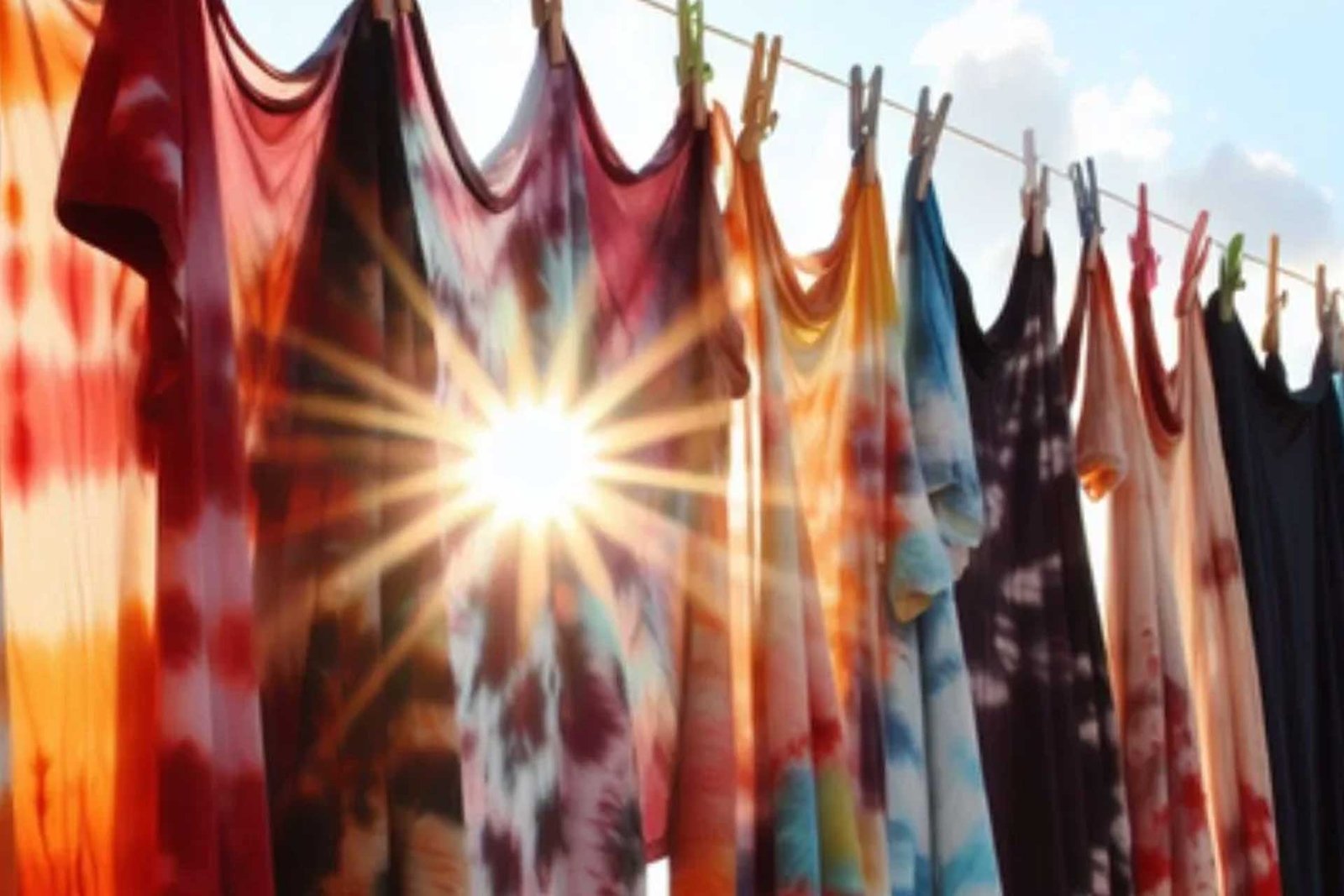
Tie sections of silk with string before dyeing to create unique patterns and color variations.
Ombre Dyeing
Dip only part of the silk into dye to create gradual color transitions.
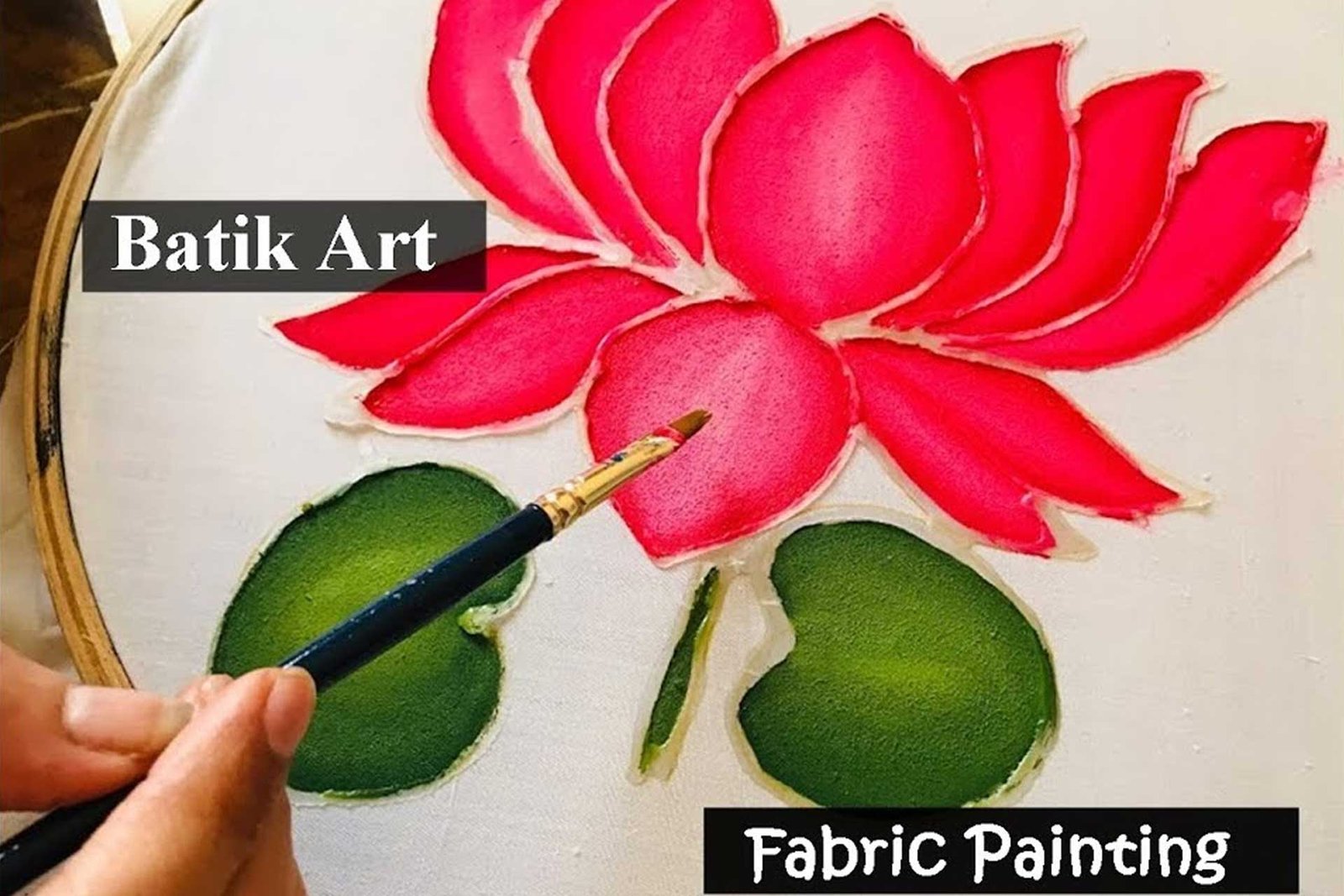
Silk Painting
Using specialized silk dyes, artists can paint directly on silk to create detailed designs and patterns.
Tips for Successful Silk Dyeing
Here are some helpful tips when dyeing silk fabric at home.
Test First
Always test the dye on a small scrap of fabric before dyeing the entire piece.
Use Gentle Movement
Silk fibers are delicate, so stir the fabric gently to avoid damage.
Control Temperature
High heat can damage silk. Keep the dye bath warm but not boiling.
Protect Work Surfaces
Silk dyes can stain surfaces, so cover your workspace with protective materials.
Common Mistakes When Dyeing Silk
Beginners sometimes encounter problems when dyeing silk fabric.
Uneven Color
This usually happens when the fabric is not stirred or pre-wetted properly.
Faded Color
Using too little dye or insufficient dye fixation may cause fading.
Fabric Damage
Excessive heat or strong chemicals can weaken silk fibers.
Why Dyeing Silk Is Popular in Textile Design
Silk dyeing has long been an important technique in the textile industry. Designers and artists appreciate silk because it produces rich colors and unique artistic effects.
Hand-dyed silk fabrics are commonly used for:
-
Scarves
-
Fashion garments
-
Decorative textiles
-
Artistic fabric creations
These dyed fabrics offer distinctive beauty that cannot always be achieved with mass production.
Conclusion
Dyeing silk fabric at home is a creative and rewarding process. With the right silk dyes, proper preparation, and careful handling, you can achieve vibrant colors and beautiful results.
Whether you are experimenting with textile art or customizing fabrics for sewing projects, silk remains one of the best fabrics for dyeing because of its excellent color absorption and luxurious appearance.
Looking for High-Quality Silk Fabric?
If you are searching for premium silk fabrics suitable for dyeing, printing, or fashion production, we can help.
Our company specializes in exporting high-quality silk fabrics to global markets, offering stable supply, competitive pricing, and strict quality control.
Contact us today to request fabric samples or learn more about our silk fabric collections for your next textile project.