Nylon is one of the most widely used synthetic fibers in the world, found in everything from clothing and outdoor gear to industrial materials. But many buyers and designers still ask: what is nylon made of?
In simple terms, nylon is a synthetic fiber made from petrochemicals, engineered through chemical processes to create strong, flexible, and durable materials.
In this guide, we’ll explain what nylon is made from, how it’s produced, and why its structure gives it such unique performance properties.
What Is Nylon Made Of?
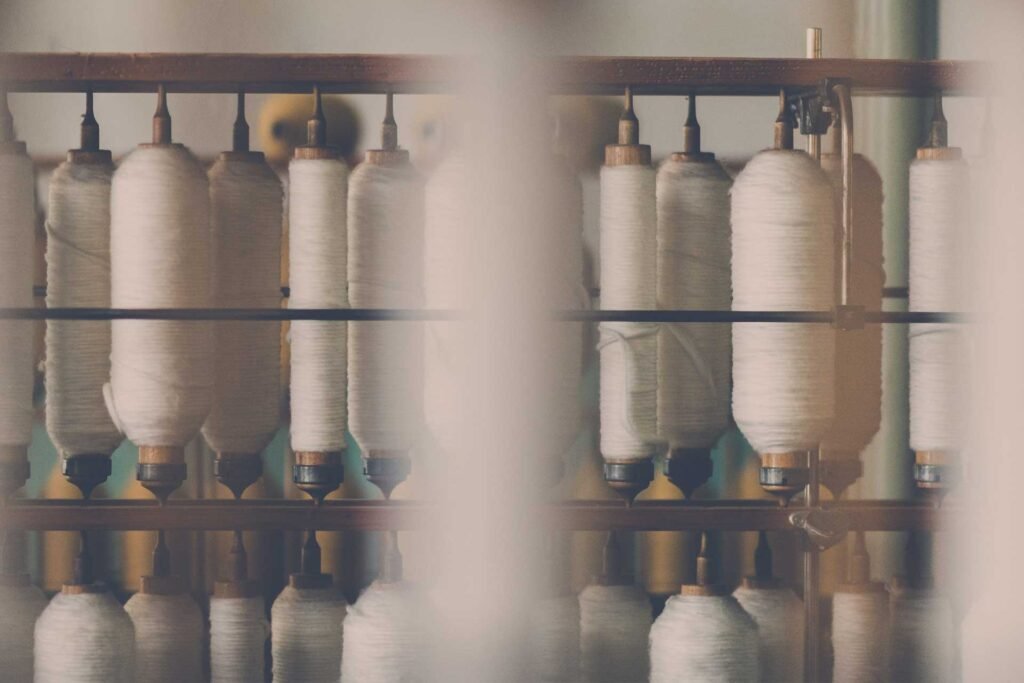
what is nylon made of
Nylon is made from polymers called polyamides, which are created through chemical reactions using raw materials derived from crude oil (petroleum).
Key Components:
-
Carbon-based chemicals (from petroleum)
-
Hydrogen
-
Oxygen
-
Nitrogen
These elements are combined to form long molecular chains known as polyamide polymers.
Nylon Made From What Exactly?
The most common types of nylon are produced from specific chemical compounds:
Nylon 6,6:
Made from:
-
Hexamethylenediamine
-
Adipic acid
Nylon 6:
Made from:
-
Caprolactam
These compounds undergo chemical reactions to form strong, flexible polymer chains that can be spun into fibers.
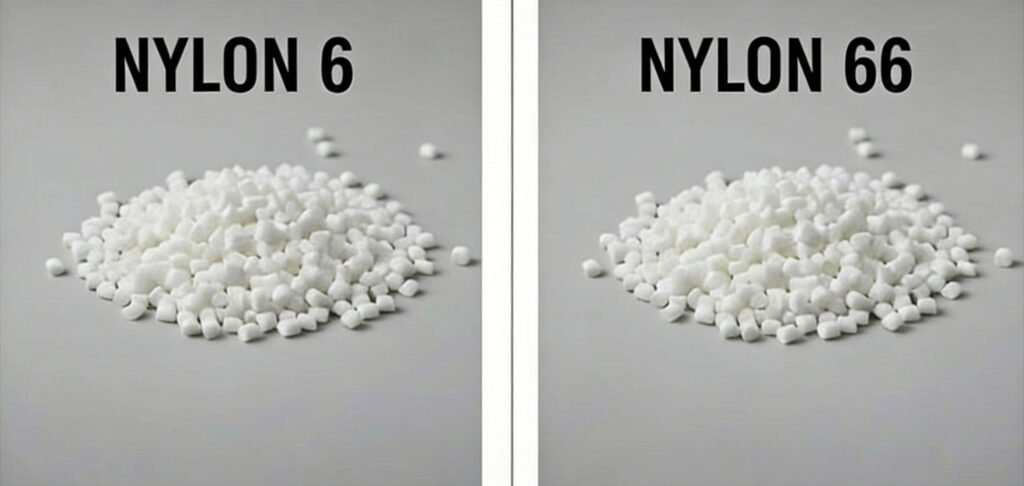
nylon is made from
How Is Nylon Fabric Made?
The process of making nylon fabric involves several key steps.
1. Polymerization
The first step is polymerization, where small molecules (monomers) are chemically combined to form long chains.
This process creates nylon polymer chips, which are the raw material for fiber production.
2. Melting and Spinning
The nylon polymer is melted and pushed through a device called a spinneret, which forms thin filaments.
These filaments are similar to threads and can be controlled for:
-
Thickness
-
Shape
-
Strength
3. Drawing (Stretching)
The fibers are stretched to align the molecules, which improves:
-
Strength
-
Elasticity
-
Durability
4. Weaving or Knitting
The finished fibers are then woven or knitted into fabric, depending on the final application.
5. Finishing
Additional treatments may be applied, such as:
-
Coatings (e.g., waterproofing)
-
Dyeing
-
Brushing or texturing
Why Nylon Is Considered a Synthetic Fiber
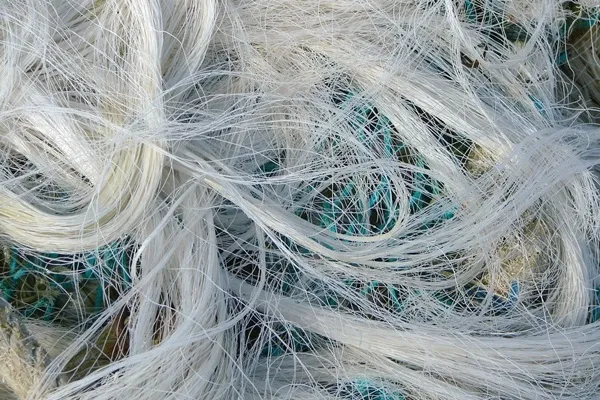
nylon synthetic fiber
Nylon is classified as a nylon synthetic fiber because it is man-made rather than naturally occurring.
Unlike natural fibers such as cotton or silk:
-
Nylon is engineered in a lab
-
Its properties can be customized
-
It is not biodegradable in its standard form
Molecular Structure: Why Nylon Is So Strong
The strength of nylon comes from its molecular structure.
Polyamide chains are:
-
Long and tightly bonded
-
Highly organized after stretching
-
Resistant to breaking under stress
This structure gives nylon:
-
High tensile strength
-
Excellent elasticity
-
Strong abrasion resistance
Key Properties Created by Its Composition
Because of what nylon is made from, it has several important characteristics.
1. High Strength
The strong molecular bonds make nylon one of the most durable textile fibers.
2. Elasticity
Nylon can stretch and return to its original shape, making it ideal for flexible applications.
3. Lightweight Structure
Despite its strength, nylon remains lightweight.
4. Moisture Resistance
Nylon absorbs very little water, allowing it to dry quickly.
5. Chemical Resistance
Nylon resists many chemicals, oils, and solvents.
Types of Nylon Based on Composition
Different chemical structures produce different types of nylon.
Nylon 6
-
More flexible
-
Easier to process
-
Common in textiles
Nylon 6,6
-
Stronger
-
More heat-resistant
-
Used in industrial applications
Specialty Nylons
Modern innovations include:
-
Recycled nylon
-
Bio-based nylon
-
High-performance engineering nylons
Environmental Impact of Nylon
Because nylon is made from petroleum, it has environmental considerations.
Challenges:
-
Non-biodegradable
-
Energy-intensive production
Improvements:
-
Recycled nylon (e.g., from waste materials)
-
More sustainable production methods
Why Understanding Nylon’s Composition Matters
Knowing what nylon is made of helps buyers and manufacturers:
-
Choose the right material for specific applications
-
Understand performance characteristics
-
Evaluate sustainability options
Common Applications of Nylon Fabric
Because of its composition, nylon is used in many industries.
Apparel
-
Activewear
-
Swimwear
-
Hosiery
Outdoor Gear
-
Tents
-
Backpacks
-
Jackets
Industrial Use
-
Ropes
-
Conveyor belts
-
Safety equipment
Everyday Products
-
Bags
-
Luggage
-
Home textiles
Nylon vs Natural Fibers
Compared to natural fibers like cotton or silk:
| Feature | Nylon | Natural Fibers |
|---|---|---|
| Origin | Synthetic | Natural |
| Strength | High | Moderate |
| Moisture Absorption | Low | High |
| Durability | Excellent | Varies |
Nylon offers better durability and performance, while natural fibers provide breathability and sustainability advantages.
Conclusion
So, what is nylon made of? Nylon is made from petroleum-based chemicals that form polyamide polymers, which are then transformed into strong, flexible fibers through advanced manufacturing processes.
Its engineered structure gives nylon its signature properties—strength, elasticity, and durability—making it one of the most important materials in modern textiles.
Looking for a Reliable Nylon Fabric Supplier?
If you are sourcing nylon fabric or custom synthetic textile solutions, we can support your business.
We specialize in exporting high-quality nylon materials, offering competitive pricing, consistent quality, and reliable global supply.
Contact us today to request samples or get expert guidance for your next project.