Painting on silk is a beautiful textile art technique that allows artists and designers to create vibrant patterns, flowing colors, and unique decorative fabrics. Because silk absorbs dye exceptionally well, it produces rich colors and elegant designs that are difficult to achieve on many other fabrics.
Today, painting on silk fabric is widely used for fashion accessories, decorative textiles, scarves, and artistic projects. With the right techniques and silk painting supplies, even beginners can create stunning results.
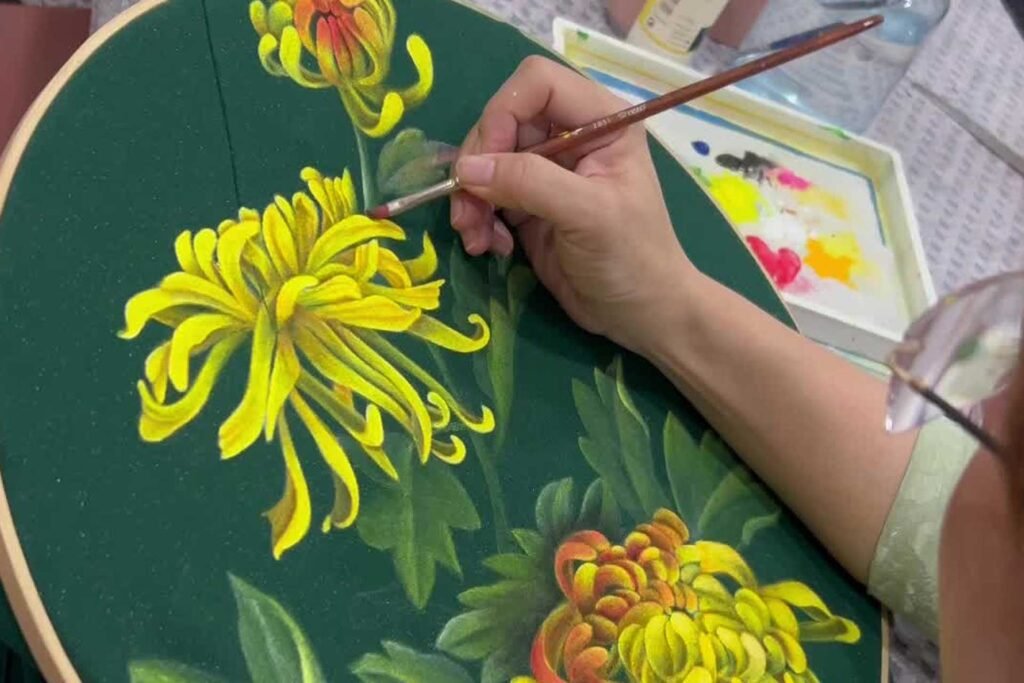
painting on silk fabric
In this guide, we’ll explain how silk painting works, what materials you need, and step-by-step techniques to get started.
What Is Silk Painting?
Silk painting is a decorative process where special dyes or paints are applied directly onto silk fabric to create patterns, illustrations, or abstract designs.
Unlike regular fabric painting, silk painting takes advantage of silk’s natural ability to absorb dyes and allow colors to flow smoothly across the fabric surface.
This technique is commonly used for:
-
Silk scarves
-
Fashion fabrics
-
Decorative wall art
-
Textile design projects
Because each piece is often hand-painted, silk painting produces unique and artistic textile products.
Why Silk Is Ideal for Painting
Silk is one of the best fabrics for painting because of several natural characteristics.
Excellent Dye Absorption
Silk fibers absorb dye quickly and evenly, allowing colors to appear vibrant and rich.
Smooth Surface
The smooth texture of silk helps paint glide across the fabric, creating soft gradients and detailed designs.
Lightweight and Elegant
Painted silk fabrics maintain the natural drape and elegance of the material, making them perfect for fashion accessories.
Versatile Artistic Effects
Silk painting can create many different visual effects, from delicate watercolor styles to bold graphic patterns.
Essential Silk Painting Supplies
To start painting on silk fabric, you will need several basic tools and materials.
Silk Fabric
The best fabrics for silk painting include:
-
Silk habotai
-
Silk chiffon
-
Silk crepe de chine
-
Silk satin
These fabrics absorb dyes well and provide smooth surfaces for painting.
Silk Paint or Dye
Specialized silk dyes or silk paints are designed to bond with silk fibers while maintaining softness.
Common options include:
-
Liquid silk dyes
-
Fabric paints designed for silk
-
Steam-set silk dyes
Brushes
Soft watercolor brushes are typically used for silk painting because they allow smooth application and color blending.
Gutters or Resist Materials
Resist materials help control how the dye spreads on silk.
Common resist products include:
-
Gutta resist
-
Wax resist (similar to batik techniques)
These materials create boundaries that keep colors from spreading into other areas.
Stretching Frame
Silk fabric is usually stretched on a frame before painting. This keeps the fabric flat and stable during the painting process.
How to Paint on Silk Fabric: Step-by-Step
Beginners can follow these basic steps to start painting on silk.
Step 1: Prepare the Silk Fabric
Before painting, the silk should be washed gently to remove finishing chemicals.
After washing:
-
Let the fabric dry completely
-
Iron it lightly if necessary
This helps ensure the paint adheres properly.
Step 2: Stretch the Silk on a Frame
Attach the silk fabric to a stretching frame using clips or pins.
Stretching the fabric helps:
-
Prevent wrinkles
-
Control dye flow
-
Improve painting precision
Step 3: Draw Your Design
Lightly sketch the design on the silk using:
-
A washable fabric pencil
-
A soft graphite pencil
Avoid heavy lines, as they may remain visible after painting.
Step 4: Apply Resist (Optional)
If you want defined shapes or outlines, apply gutta resist along the design lines.
Once dry, the resist prevents colors from spreading beyond the borders.
Step 5: Start Painting
Using soft brushes, apply the silk dye or paint to the fabric.
Because silk absorbs liquid quickly:
-
Use gentle brush strokes
-
Apply color gradually
-
Allow colors to blend naturally
This process creates beautiful watercolor-like effects.
Step 6: Set the Dye
After the painting is complete, the colors must be fixed to the fabric.
Depending on the dye used, this may involve:
-
Steam setting
-
Heat setting with an iron
-
Chemical fixation
Follow the instructions provided with your silk dye.
Step 7: Wash and Dry the Fabric
After setting the dye, rinse the silk gently to remove excess dye.
Then:
-
Air dry the fabric
-
Press lightly with a low-temperature iron if needed
The silk painting is now complete.
Popular Silk Painting Techniques
Artists often experiment with different techniques when painting on silk fabric.
Watercolor Technique
Diluted dyes create soft gradients and flowing colors.
This technique is popular for scenic or abstract silk designs.
Salt Texture Technique
Sprinkling salt on wet dye creates interesting crystal-like textures and patterns.
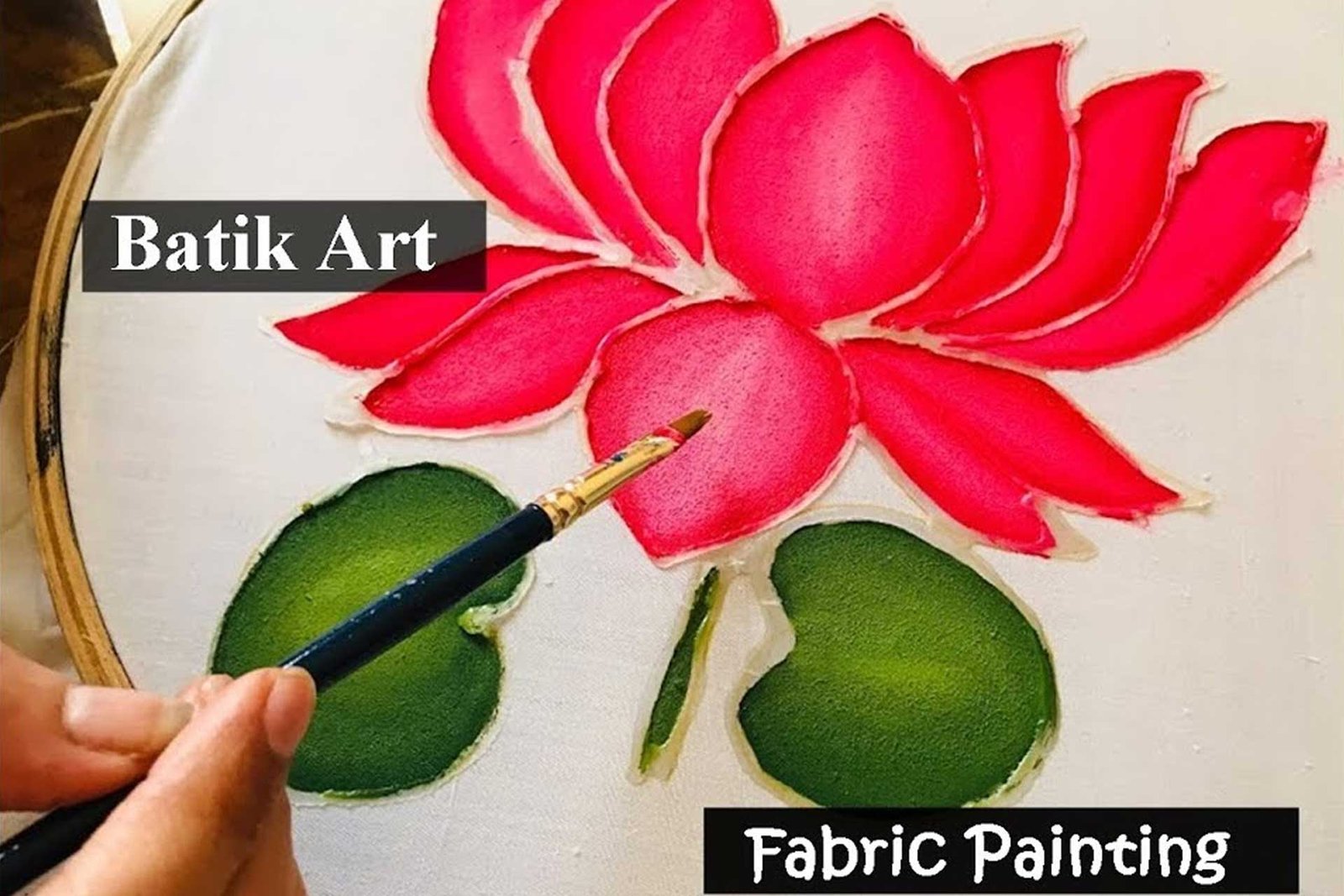
Batik-Inspired Painting
Using wax resist allows artists to produce bold graphic patterns and strong color contrasts.
Layered Color Technique
Applying multiple layers of dye can create depth and complex color effects.
Tips for Successful Silk Painting
Here are some helpful tips for beginners working with silk painting supplies.
Practice on Small Samples
Testing techniques on small pieces of silk helps you learn how dyes behave.
Work Slowly
Silk dyes spread quickly, so careful and controlled painting produces better results.
Protect Your Workspace
Silk dyes can stain surfaces, so cover your work area before painting.
Choose Quality Silk Fabric
High-quality silk produces better dye absorption and more vibrant colors.
Common Mistakes When Painting on Silk
Beginners sometimes encounter challenges when working with silk.
Using Too Much Water
Excess liquid may cause dyes to spread uncontrollably.
Not Stretching the Fabric
Loose fabric can lead to uneven painting and dye pooling.
Skipping the Dye Fixing Process
Without proper dye setting, colors may fade or wash out.
Why Silk Painting Remains Popular
Silk painting continues to be widely practiced because it combines art, craftsmanship, and textile design.
Painted silk fabrics are commonly used for:
-
Fashion scarves
-
Decorative textiles
-
Art pieces
-
Designer fabrics
Each hand-painted silk piece is unique, which adds artistic and commercial value.
Conclusion
Painting on silk fabric is a creative and rewarding process that allows artists and designers to produce vibrant, elegant, and unique textiles. With the right silk painting supplies, proper preparation, and practice, beginners can create beautiful silk designs suitable for fashion, decoration, or artistic projects.
Because silk absorbs dye so well, it remains one of the most popular fabrics for textile painting and creative fabric design.
Looking for High-Quality Silk Fabric for Painting?
If you are searching for premium silk fabrics suitable for painting, dyeing, or textile art, we can help.
Our company specializes in exporting high-quality silk fabrics to global markets, offering reliable supply, consistent quality, and competitive pricing.
Contact us today to request samples or learn more about our silk fabric collections for your next silk painting project.