When shopping for hoodies, sweatshirts, or loungewear, you’ll often encounter two similar-sounding fabrics: French terry and terry cloth. While both belong to the terry fabric family and share a looped texture, they are designed for very different uses.
Understanding the difference between french terry cloth fabric, cotton French terry, and traditional terry cloth material can help you choose the best fabric for comfort, breathability, and performance—especially if you're buying or designing a terry fabric sweatshirt.
This guide breaks down the structure, weight, breathability, and best uses of both fabrics.
What Is French Terry Fabric?
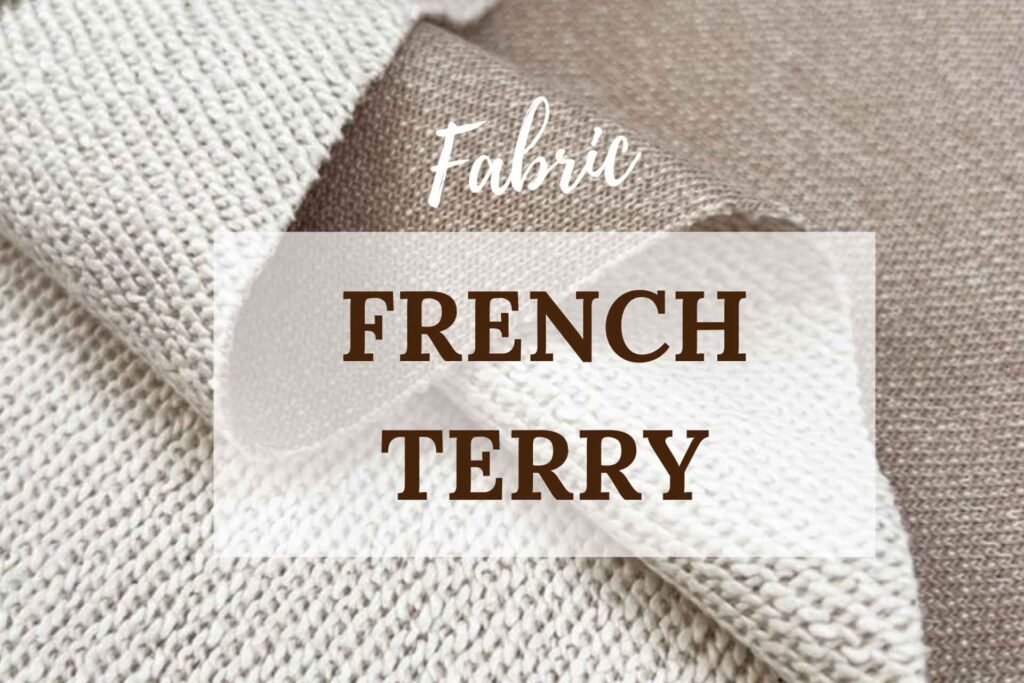
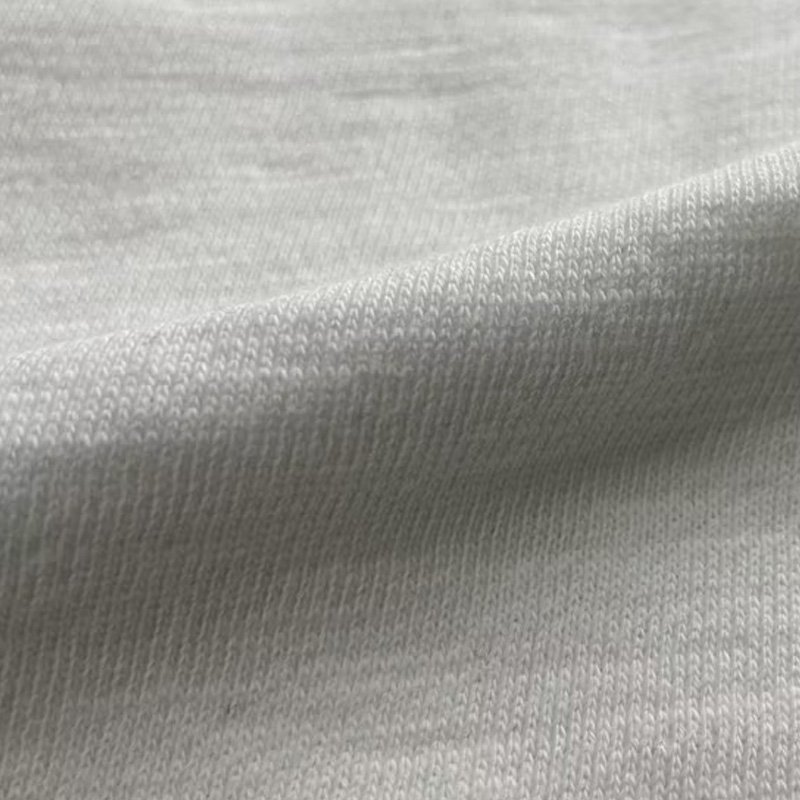
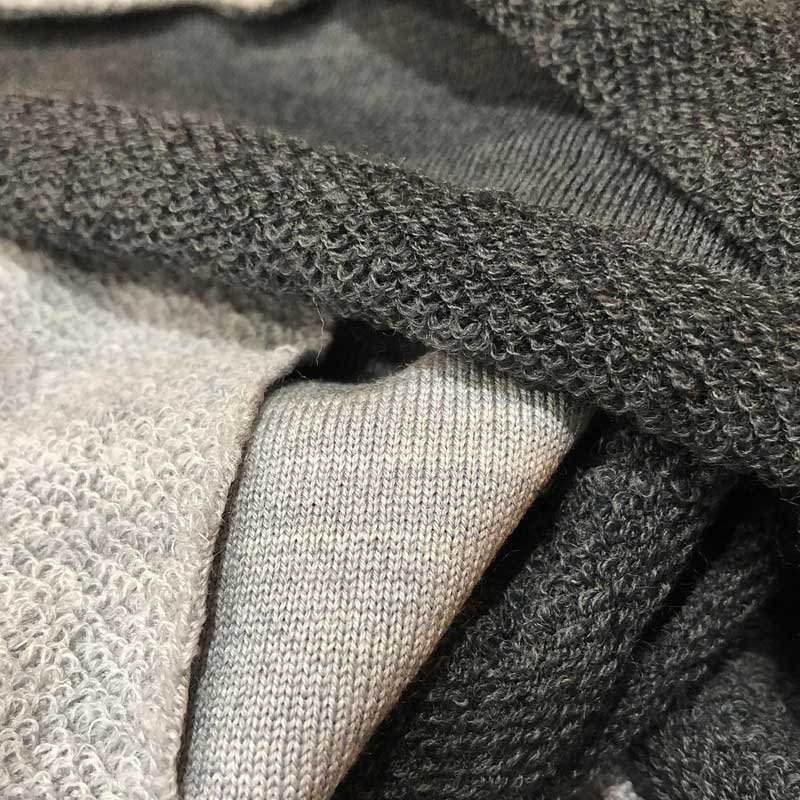
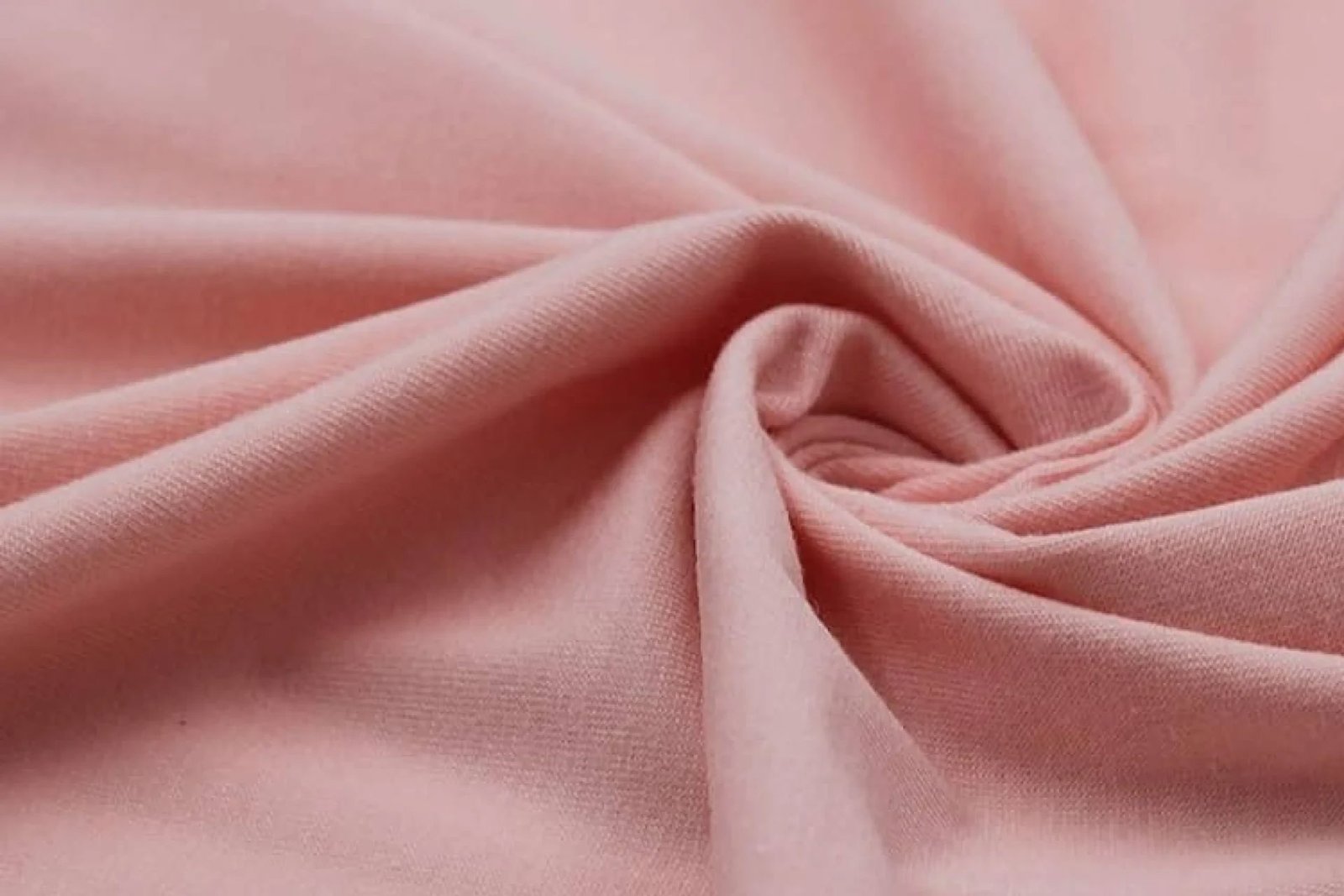
French terry fabric is a knit textile that features small loops on the inside and a smooth surface on the outside. Unlike traditional terry cloth, which has loops on both sides, French terry is designed for lightweight comfort and breathability.
Key characteristics of French terry
-
Smooth outer surface
-
Soft looped interior
-
Lightweight to medium weight
-
Breathable and moisture-absorbing
Because of this structure, cotton French terry is widely used for:
-
hoodies
-
sweatshirts
-
joggers
-
athleisure clothing
The loops on the inside help absorb moisture, while the smooth outer surface gives garments a clean, modern appearance.
What Is Terry Cloth?
terry cloth meaning
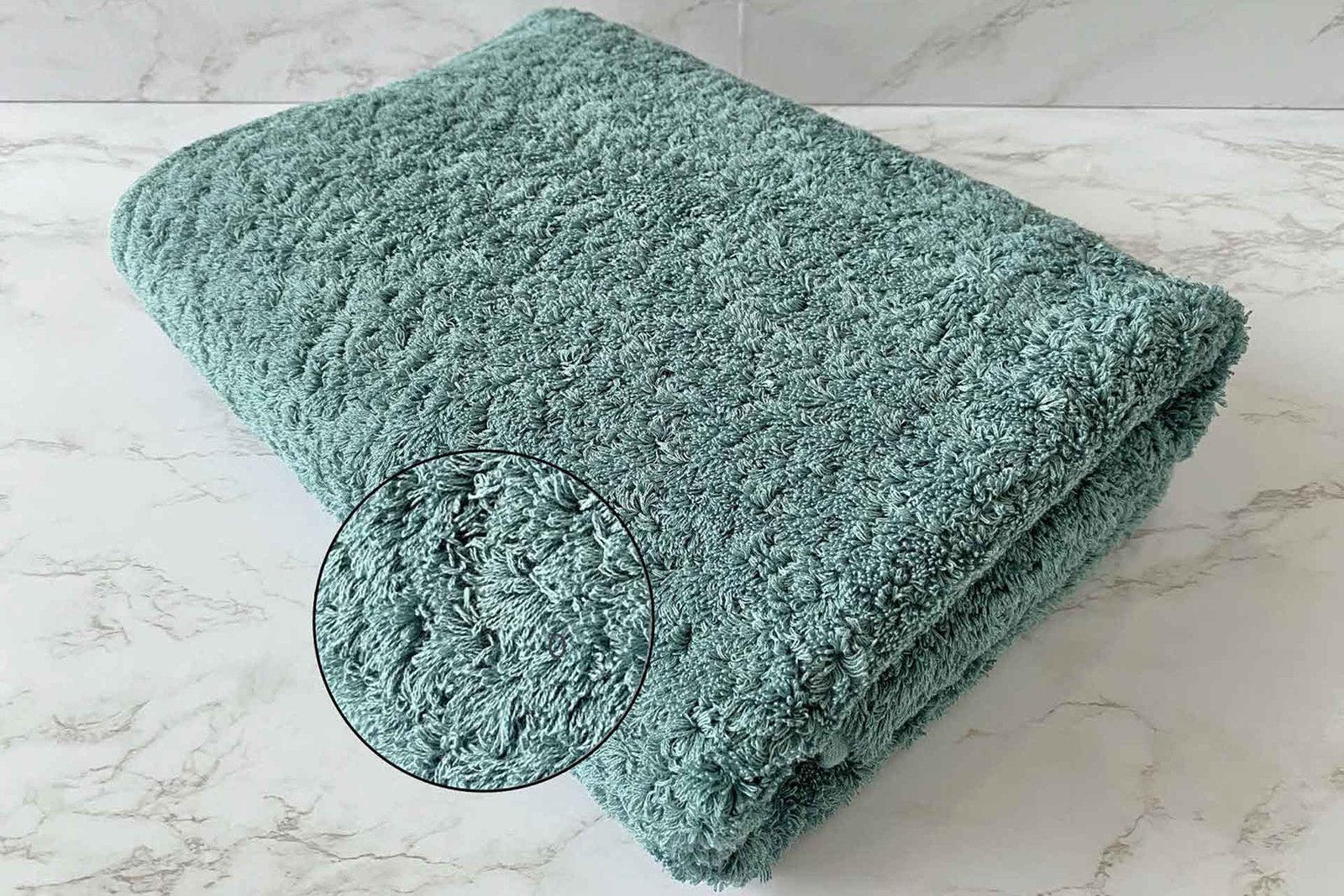
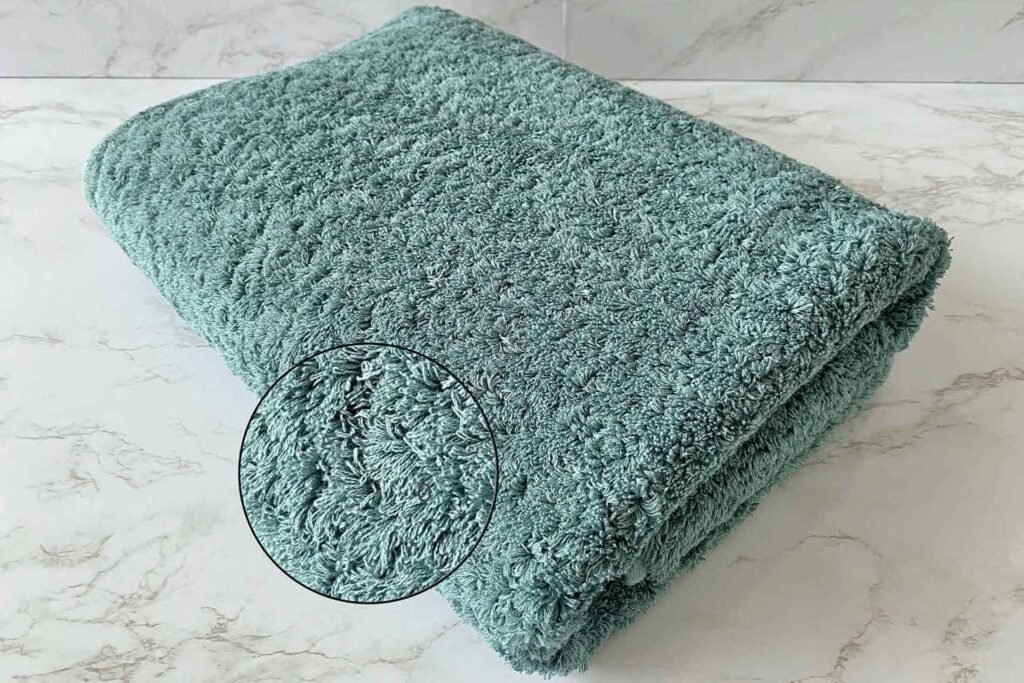
Terry cloth, sometimes called terrycloth, is the classic loop-pile fabric used for towels and bathrobes.
Its defining feature is dense loops on both sides of the fabric, which significantly increases water absorption.
Key characteristics of terry cloth
-
Loops on both sides
-
Thick and plush texture
-
Highly absorbent
-
Heavier weight
Terry cloth is commonly used for:
-
bath towels
-
spa robes
-
beach towels
-
cleaning cloths
While some clothing uses terry cloth, the fabric is generally heavier and bulkier than French terry.
French Terry vs Terry Cloth: Key Differences
Although both fabrics use loop structures, their construction and performance are quite different.
| Feature | French Terry | Terry Cloth |
|---|---|---|
| Surface Structure | Smooth outside, loops inside | Loops on both sides |
| Fabric Weight | Lightweight to medium | Medium to heavy |
| Breathability | Very breathable | Less breathable |
| Absorbency | Moderate | Very high |
| Comfort for Clothing | Excellent | Moderate |
| Typical Uses | Hoodies, sweatshirts, joggers | Towels, robes, spa textiles |
In short, French terry prioritizes comfort and wearability, while terry cloth focuses on absorbency.
Why French Terry Is Ideal for Hoodies
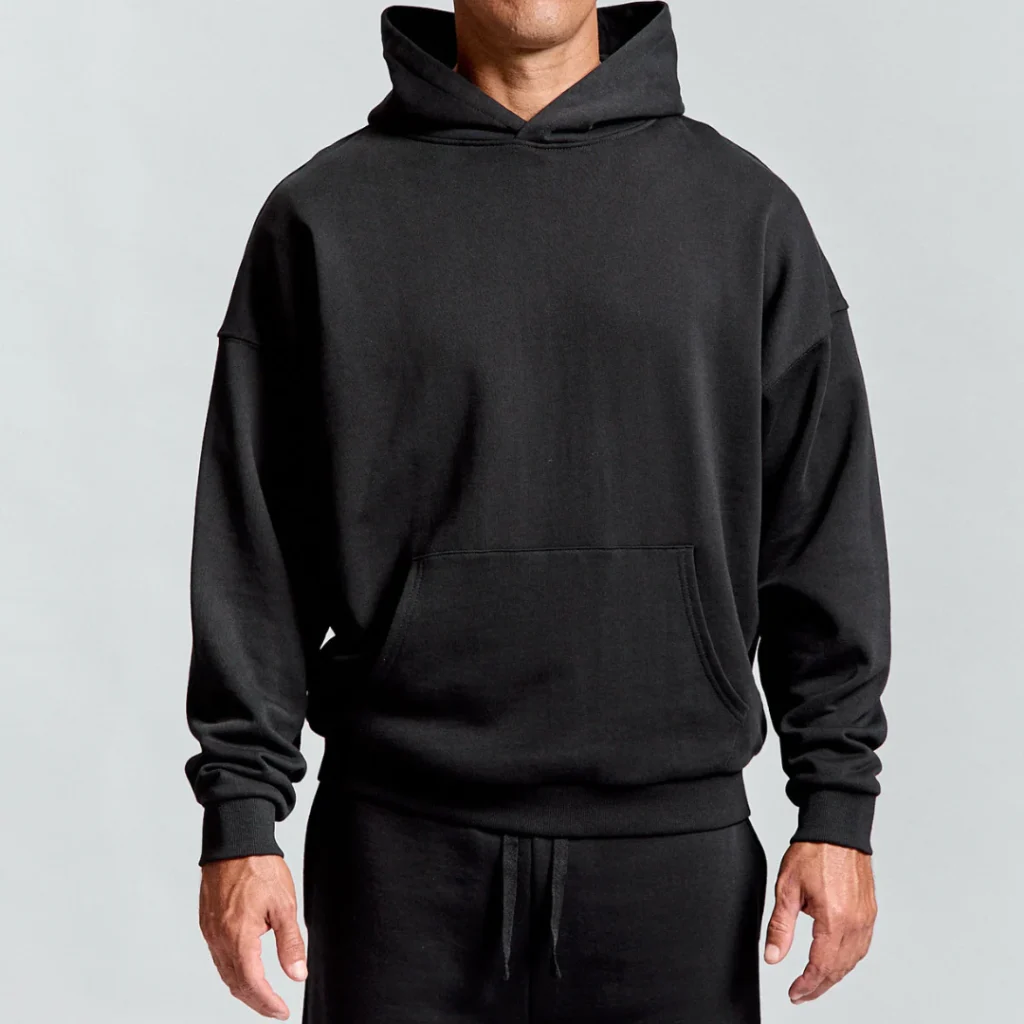
When it comes to hoodies and sweatshirts, French terry fabric has clear advantages.
1. Better breathability
Because the outer side is smooth and the loop structure is lighter, French terry allows better airflow, making it comfortable for all-day wear.
2. Comfortable against the skin
Traditional terry cloth can feel bulky, while French terry offers:
-
softer contact with skin
-
smoother exterior
-
less friction
This makes it perfect for athleisure and casual wear.
3. Ideal midweight fabric
A terry fabric sweatshirt made from cotton French terry offers the ideal balance between:
-
warmth
-
breathability
-
flexibility
This is why many premium hoodie brands prefer French terry instead of fleece or traditional terry cloth.
Cotton French Terry vs Blended French Terry
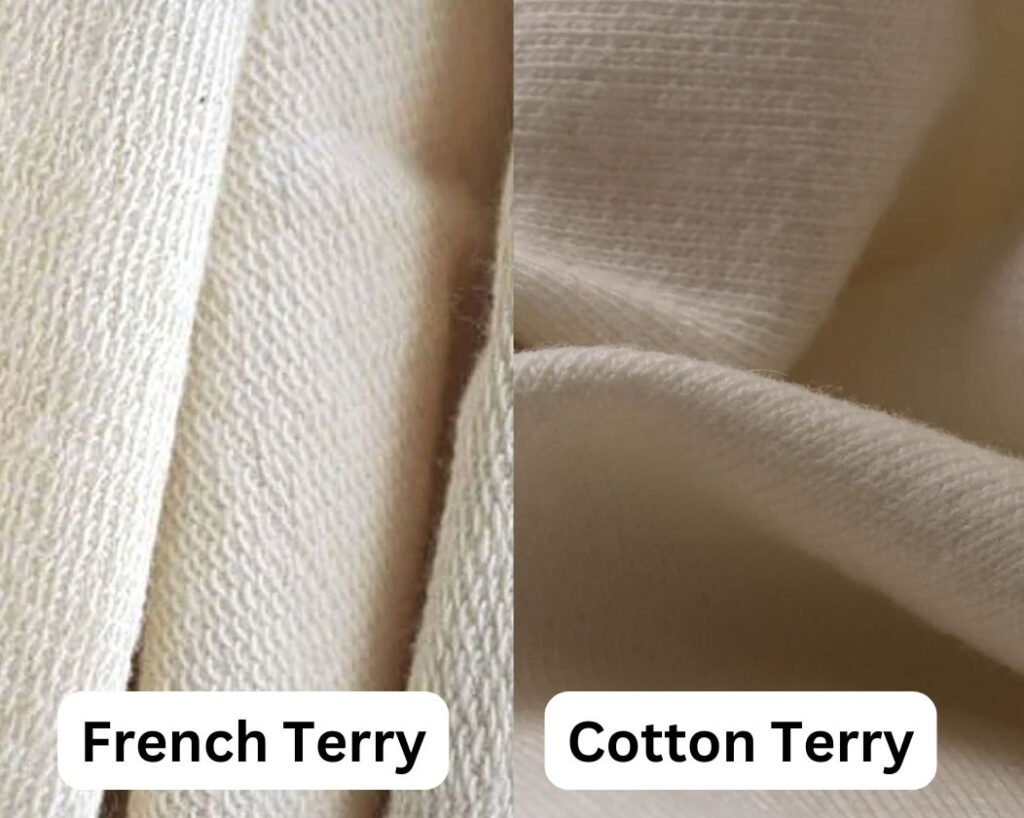
Cotton French Terry vs Blended French Terry
Just like terry cloth, French terry fabrics come in different fiber blends.
100% cotton French terry
Advantages:
-
breathable
-
soft and natural
-
excellent moisture absorption
This is the preferred option for premium hoodies and loungewear.
Cotton-polyester French terry
Advantages:
-
more durable
-
wrinkle-resistant
-
lower cost
Blended French terry fabrics are common in sportswear and mass-produced apparel.
Which Fabric Should You Choose?
Your choice depends on how the garment will be used.
Choose French terry if you want
-
comfortable hoodies or sweatshirts
-
breathable athleisure wear
-
lightweight everyday clothing
Choose terry cloth if you want
-
maximum water absorption
-
spa or bathroom textiles
-
thick plush towels
For clothing like hoodies, French terry cloth fabric is almost always the better option.
Final Thoughts
Although French terry and terry cloth share a similar name, they serve very different purposes.
-
French terry is a lightweight knit fabric with loops on the inside and a smooth outer surface, making it ideal for hoodies and sweatshirts.
-
Terry cloth features loops on both sides and excels at water absorption, which is why it’s widely used for towels and bathrobes.
If you're choosing fabric for a terry fabric sweatshirt, cotton French terry provides the best balance of comfort, breathability, and durability.
✅ Quick Comparison
-
French terry: breathable, lightweight, perfect for hoodies
-
Terry cloth: thick, highly absorbent, ideal for towels
-
Cotton French terry: softest and most breathable option
Understanding these differences makes it easier to choose the right fabric for both comfort and performance.