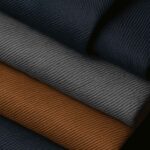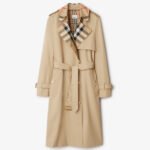
Bouclé fabric has long been associated with luxury fashion and elegant interiors, but in recent years it has returned to the spotlight. From designer jackets to modern sofas, this textured material is appearing everywhere again in 2024–2025 fashion and home décor trends.
So what exactly is bouclé? Why does it look so unique, and why has it remained popular for decades?
This guide explains what bouclé fabric is, how it’s made, its history in fashion, and why it’s trending again today.
What Is Bouclé Fabric?

what is boucle fabric
Bouclé fabric is a textured textile made from looped yarns that create a distinctive curly or knotted surface. The word bouclé comes from the French word meaning “curled” or “looped.”
Key characteristics of bouclé material include:
-
A looped or nubby texture
-
A soft, cozy feel
-
Slightly uneven surface with small curls
-
Excellent warmth and insulation
Bouclé fabric is widely used for:
-
Jackets and coats
-
Sweaters and cardigans
-
Upholstery and furniture
-
Decorative pillows and blankets
Because of its unique texture, bouclé fabric adds depth and visual interest to clothing and interiors.
How to Pronounce Bouclé
Many people encounter the word “bouclé” in fashion articles and wonder how to say it correctly.
Bouclé pronunciation:
boo-CLAY
The accent on the “é” gives the final syllable a soft “ay” sound.
Phonetically, it can be written as:
/buːˈkleɪ/
Once you know the pronunciation, you’ll notice the term appearing frequently in both fashion design and interior design discussions.
What Is Bouclé Made Of?
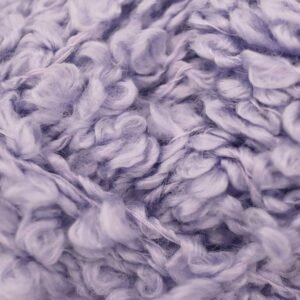
what is boucle made of
Bouclé material can be made from several different fibers depending on the intended use.
Common bouclé fibers
1. Wool
Traditional bouclé fabrics are often made from wool, which gives the material:
-
warmth
-
softness
-
durability
2. Cotton
Cotton bouclé is lighter and more breathable, making it suitable for:
-
spring jackets
-
decorative textiles
3. Synthetic fibers
Modern bouclé may include:
-
polyester
-
acrylic
-
blended fibers
These help improve durability, affordability, and wrinkle resistance.
The bouclé yarn structure
The unique texture comes from looped yarn construction.
Typically, bouclé yarn consists of:
-
a core yarn
-
an effect yarn that forms loops
-
a binder yarn that secures the loops
This multi-yarn structure creates the signature curly, irregular texture.
The History of Bouclé Fabric
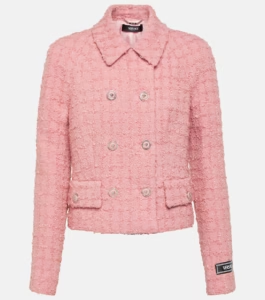
bouclé tweed jacket
Bouclé fabric gained worldwide recognition largely thanks to Coco Chanel.
In the 1950s, Chanel introduced the now-iconic bouclé tweed jacket, which revolutionized women’s fashion.
Why Chanel chose bouclé
Chanel loved bouclé because it was:
-
soft and comfortable
-
elegant yet practical
-
textured without being heavy
Her bouclé suits became a symbol of sophisticated style, worn by celebrities, royalty, and fashion icons.
Over the decades, bouclé jackets have remained a signature element of luxury fashion houses.
How Bouclé Fabric Is Manufactured
Producing bouclé fabric involves several specialized steps.
1. Spinning bouclé yarn
First, manufacturers create looped yarn by spinning multiple threads together at different tensions.
This process forms the characteristic loops and curls.
2. Weaving or knitting
The bouclé yarn is then:
-
woven on looms, or
-
knitted into fabric
Both methods preserve the textured surface.
3. Finishing process
Finally, the fabric may undergo:
-
brushing
-
steaming
-
dyeing
These steps enhance softness and appearance.
Why Bouclé Fabric Is Trending Again in 2024–2025
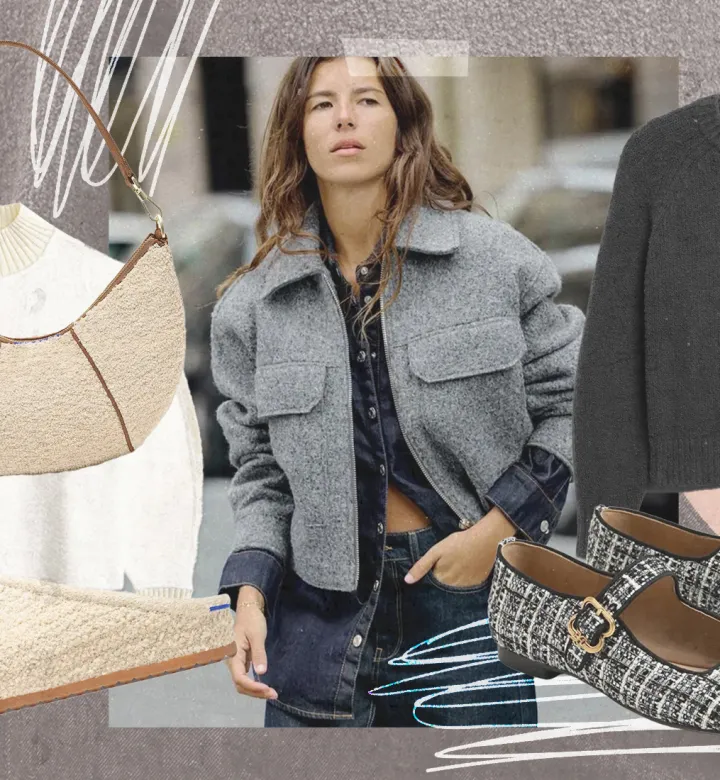
Why Boucle Fabric Is Trending Again
Bouclé is experiencing a major revival in both fashion and interior design.
Several trends are driving its popularity.
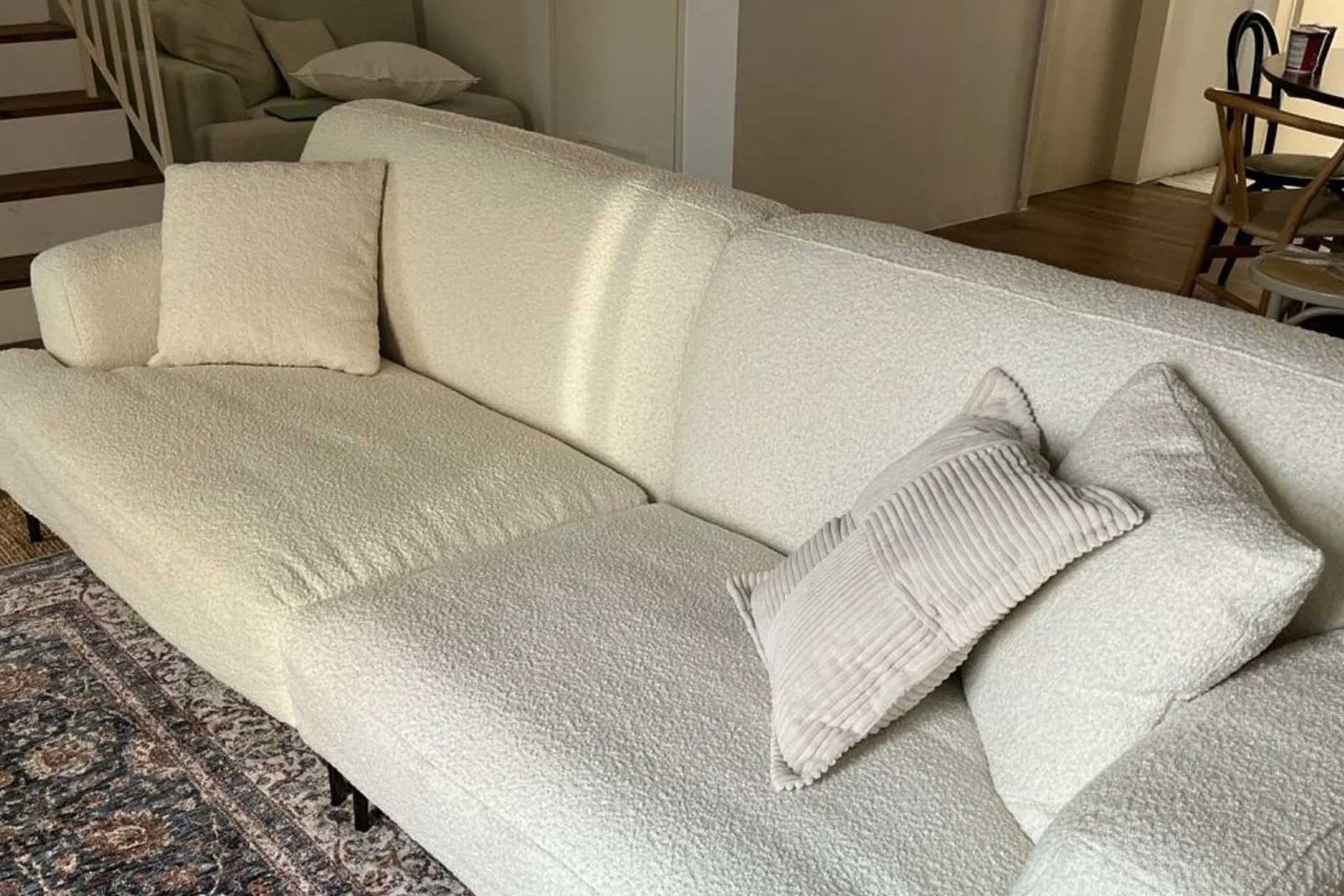
1. The “soft texture” design trend
Modern interiors increasingly favor soft, tactile materials, including:
-
bouclé upholstery
-
sherpa fabrics
-
fluffy textiles
Bouclé furniture, especially bouclé sofas and chairs, has become a popular minimalist design feature.
2. Vintage fashion revival
Fashion cycles often repeat, and many designers are drawing inspiration from mid-century styles.
Bouclé jackets fit perfectly into:
-
retro fashion aesthetics
-
timeless capsule wardrobes
3. Comfort-driven design
After years of casual and comfort-focused lifestyles, consumers are choosing fabrics that feel warm, cozy, and inviting.
Bouclé provides both visual texture and physical comfort.
Pros and Cons of Bouclé Material
Advantages
✔ Unique textured appearance
✔ Warm and comfortable
✔ Stylish and timeless
✔ Versatile for fashion and furniture
Potential drawbacks
✖ Loops can snag on sharp objects
✖ May require gentle cleaning
✖ Some versions shed slightly over time
Despite these minor drawbacks, bouclé remains a highly desirable fabric in both apparel and upholstery.
Final Thoughts
Bouclé fabric is much more than a passing trend. With its distinctive looped texture, rich fashion history, and modern design appeal, it has earned its place as a timeless textile.
Whether used in a classic bouclé jacket, cozy sweater, or contemporary furniture, this material continues to combine elegance, comfort, and visual interest.
As design trends move toward textured, tactile fabrics, bouclé is likely to remain a favorite in both fashion and interior design for years to come.
✅ Quick Summary
-
Bouclé fabric is made from looped yarns that create a curly texture
-
The word comes from French and is pronounced boo-CLAY
-
It can be made from wool, cotton, or synthetic fibers
-
Popularized by Chanel in the 1950s
-
Trending again in 2024–2025 fashion and interior design