Poplin is one of the most widely used fabrics in the world, appearing in everything from dress shirts and summer dresses to uniforms and home textiles. Yet many people still ask basic questions like “What is poplin fabric?” or “What does poplin mean in textiles?”
In this comprehensive guide, we’ll explore the poplin meaning, weave structure, characteristics, and common uses, so you can understand why this fabric has remained popular for centuries.
what is poplin
What Is Poplin Fabric?
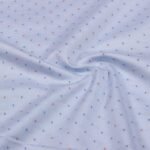
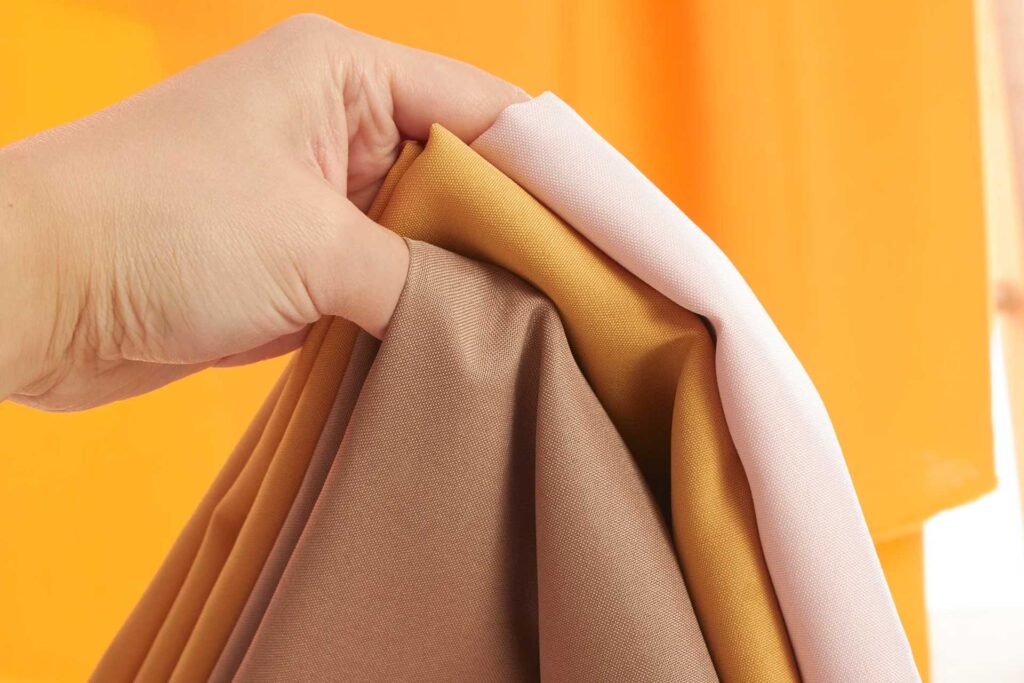
Poplin fabric is a tightly woven plain-weave textile known for its smooth surface, durability, and lightweight feel. Traditionally made from silk and wool, modern poplin is most commonly produced using cotton, polyester, or cotton blends.
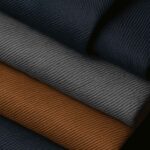
The defining feature of poplin is its fine horizontal rib texture, which comes from using thicker yarns in the weft (crosswise threads) and finer yarns in the warp (lengthwise threads).
Because of its balanced construction, poplin fabric is:
-
Smooth and crisp
-
Lightweight yet durable
-
Breathable and comfortable
-
Resistant to wrinkles compared to many cotton fabrics
These qualities make poplin ideal for both clothing and everyday household textiles.
Poplin Meaning: Where Did the Name Come From?
The term “poplin” originates from the French word “papeline.” The fabric first became popular in 15th-century France, where it was originally woven using silk warp yarns and wool weft yarns.
Over time, manufacturing techniques evolved, and poplin began to be produced using more practical materials such as cotton and synthetic fibers. Today, cotton poplin is the most common variety used in apparel.
Understanding the Poplin Weave

poplin weave
In a plain weave:
-
The warp thread passes over and under each weft thread alternately
-
The pattern repeats evenly across the fabric
-
This creates a stable and durable textile
However, poplin differs slightly from standard plain weave fabrics because the weft yarns are slightly thicker, creating a subtle ribbed effect across the fabric.
This structure gives poplin its signature crisp texture and strength.
Key Characteristics of Poplin Fabric
Understanding the poplin fabric description helps explain why it is used in such a wide range of products.
1. Smooth and Crisp Texture
Poplin has a clean, smooth surface with a slightly structured feel. This makes it perfect for garments that require a sharp and polished appearance, such as shirts and uniforms.
2. Lightweight but Durable
Despite being thin and breathable, poplin is surprisingly strong thanks to its tight weave.
3. Breathable and Comfortable
Cotton poplin in particular offers excellent breathability, making it a popular choice for warm-weather clothing.
4. Wrinkle Resistant
Poplin tends to wrinkle less than many other cotton fabrics, especially when blended with polyester.
5. Easy to Care For
Most poplin fabrics are machine washable and easy to maintain, which adds to their practicality.
What Is Poplin Fabric Made Of?
Poplin can be made from several types of fibers depending on its intended use.
Common poplin materials include:
Cotton Poplin
The most popular type, valued for its breathability and softness. Often used in shirts, dresses, and lightweight garments.
Polyester Poplin
More wrinkle-resistant and durable, commonly used for uniforms and workwear.
Cotton-Polyester Blends
These combine the comfort of cotton with the durability of polyester.
Silk Poplin
A luxury variation that offers a smooth, elegant drape.
Common Uses of Poplin Fabric
Thanks to its versatility, poplin is used in many types of products.
Clothing
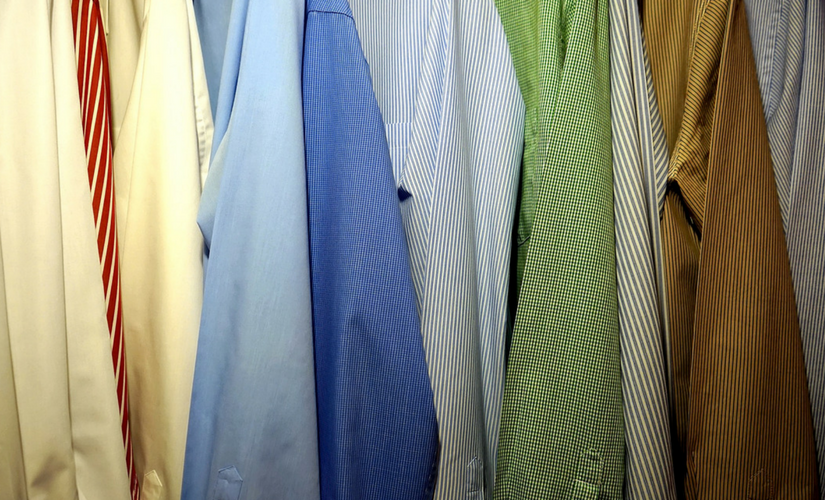
Poplin is especially popular in apparel because it balances comfort and structure.
Common clothing items include:
-
Dress shirts
-
Blouses
-
Summer dresses
-
School uniforms
-
Lightweight pants
-
Skirts
Workwear and Uniforms
Because of its durability and wrinkle resistance, poplin is widely used for:
-
Medical uniforms
-
Hospitality uniforms
-
Corporate work shirts
Home Textiles
Poplin is sometimes used for:
-
Lightweight bedding
-
Decorative fabrics
-
Table linens
poplin cloth
Poplin vs Other Fabrics
People often confuse poplin with other common fabrics.
Poplin vs Broadcloth
Both are plain-weave fabrics, but broadcloth has finer yarns and a smoother surface, while poplin shows subtle ribs.
Poplin vs Oxford Fabric
Oxford fabric is thicker and more textured, while poplin is lighter and smoother.
Poplin vs Twill
Twill fabrics (like denim) show diagonal patterns, whereas poplin has a flat, plain weave surface.
How to Care for Poplin Fabric
Most poplin fabrics are easy to maintain.
Recommended care tips:
-
Machine wash with cold or warm water
-
Use mild detergent
-
Tumble dry on low heat
-
Iron on medium heat if needed
Cotton poplin may wrinkle slightly, but it typically presses easily and regains its crisp appearance.
Why Poplin Remains Popular Today
Poplin has remained a staple textile for centuries because it offers an ideal balance of comfort, durability, and versatility.
Whether used for everyday clothing, professional uniforms, or lightweight summer garments, poplin provides a reliable and practical fabric choice.
Its simple weave, breathable structure, and smooth finish continue to make poplin one of the most widely used fabrics in modern textiles.
FAQ About Poplin Fabric
What is poplin?
Poplin is a plain-weave fabric with fine ribs across the surface, typically made from cotton or cotton blends.
What does poplin mean in textiles?
The term poplin refers to a specific weave structure characterized by fine warp yarns and thicker weft yarns, creating a subtle ribbed texture.
Is poplin fabric breathable?
Yes. Cotton poplin is lightweight and breathable, making it ideal for warm-weather clothing.
Is poplin the same as cotton?
Not exactly. Poplin refers to the weave, while cotton refers to the fiber used to make the fabric. Many poplin fabrics are made from cotton, but poplin can also be produced using polyester or blends.