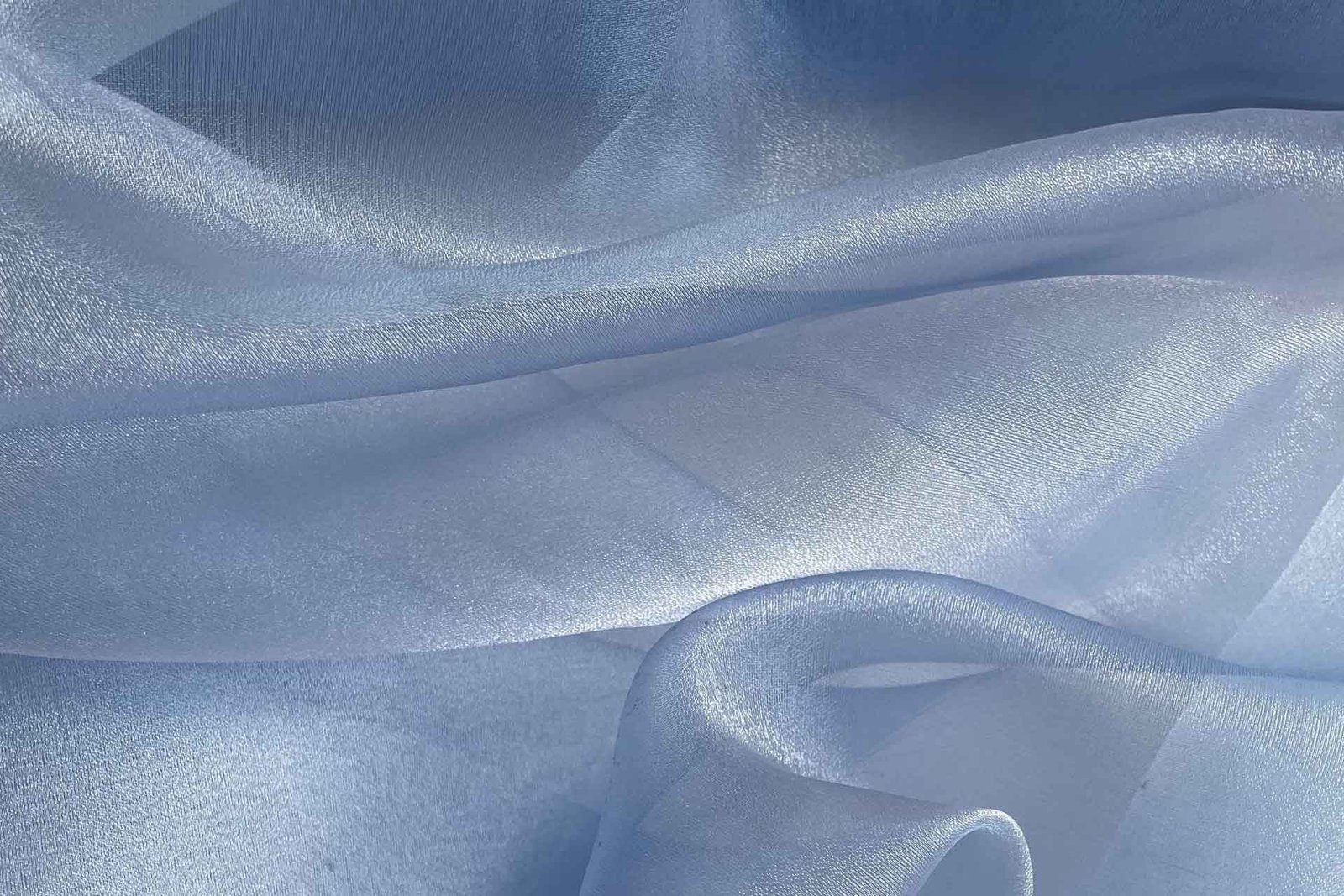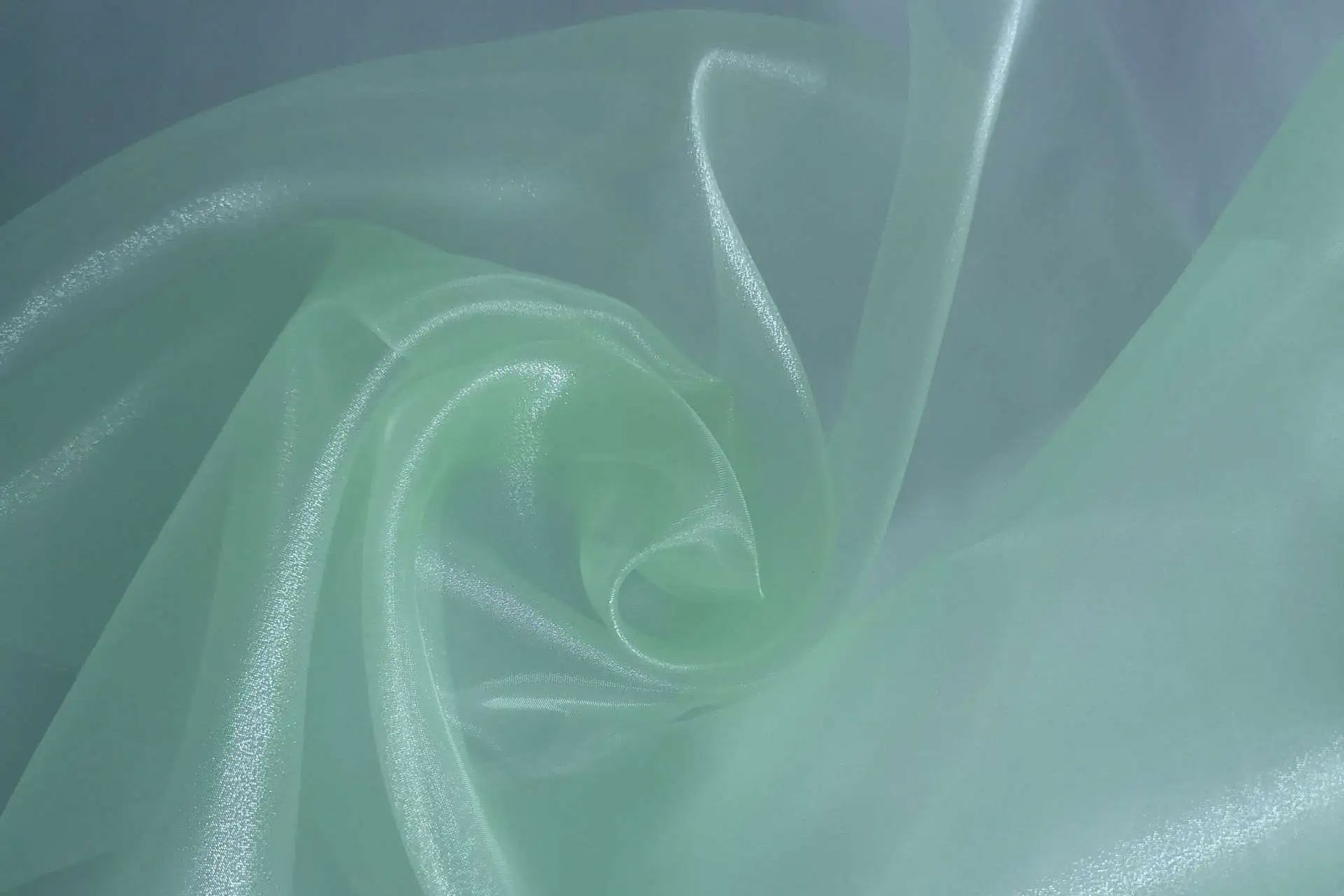
Silk tulle is widely considered the most luxurious version of tulle fabric. Known for its ultra-soft texture, natural drape, and delicate transparency, it is a favorite among couture designers, bridal ateliers, and luxury fashion houses.
But because silk tulle fabric is significantly more expensive than polyester or nylon tulle, many designers and sewing enthusiasts wonder:
Is silk tulle really worth the investment?
The answer depends on the application, desired aesthetic, and budget. In this guide, we’ll explore what makes silk tulle unique and where it truly shines in high-end design.
What Is Silk Tulle?
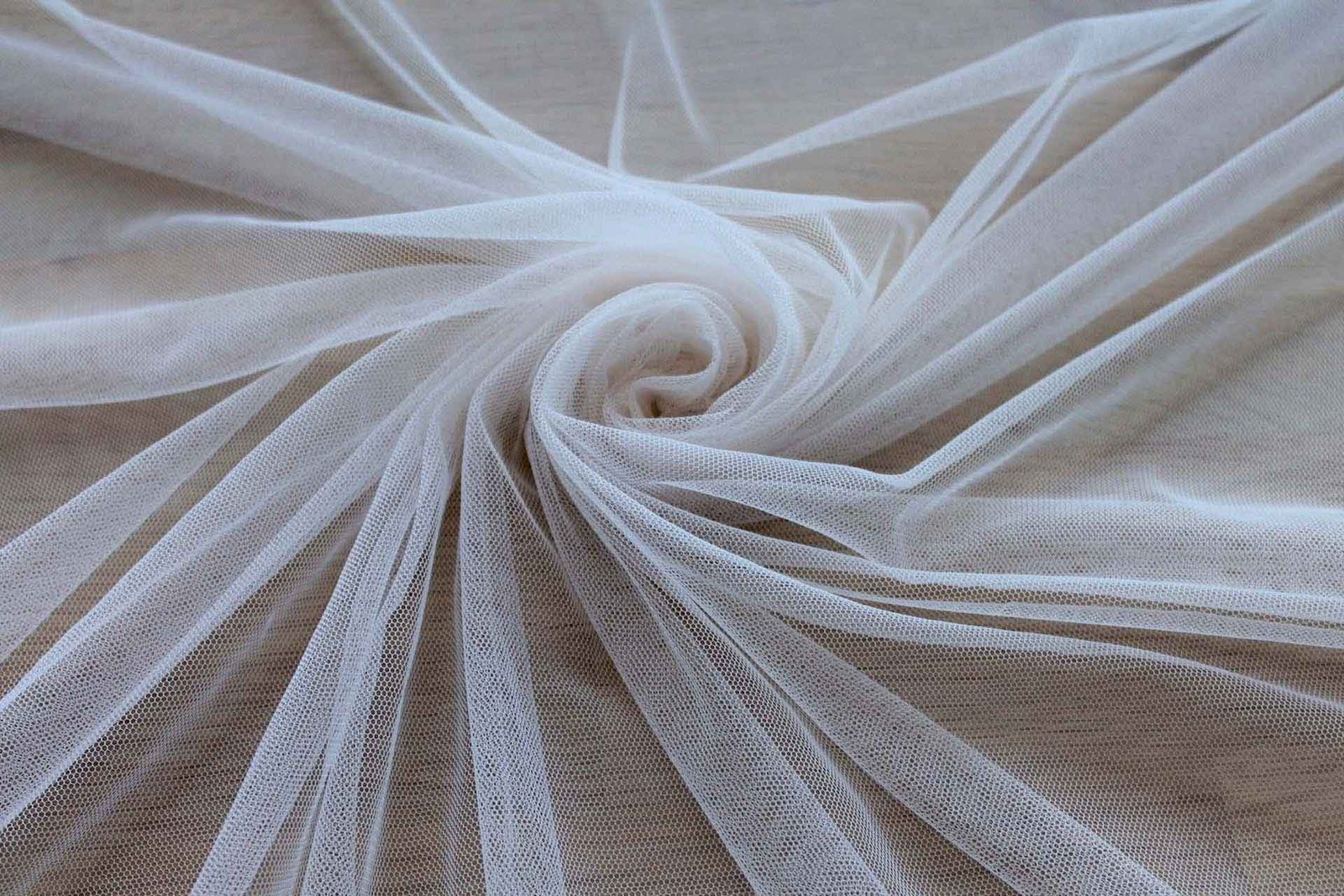
Silk tulle is a fine net fabric made from natural silk fibers, woven into a hexagonal mesh structure similar to other types of tulle.
Unlike synthetic tulle, silk tulle feels soft and fluid instead of stiff or scratchy.
Key characteristics of silk tulle fabric:
-
Extremely lightweight and breathable
-
Soft and flexible drape
-
Natural matte elegance
-
Very fine mesh structure
-
Luxurious hand feel
Because of these qualities, silk tulle is often used in high-fashion garments and bridal couture where the softness of the fabric is essential.
Silk Tulle vs Polyester Tulle
Designers often compare silk tulle with polyester tulle before deciding which to use.
| Feature | Silk Tulle | Polyester Tulle |
|---|---|---|
| Texture | Ultra-soft | Slightly stiff |
| Drape | Fluid and elegant | Structured |
| Appearance | Natural matte luxury | Slight synthetic shine |
| Breathability | Excellent | Moderate |
| Price | Very expensive | Affordable |
| Durability | Delicate | Stronger |
In general:
-
Silk tulle = couture quality
-
Polyester tulle = practical and budget-friendly
For garments worn close to the skin—such as wedding veils or luxury gowns—silk tulle offers superior comfort.
Why Designers Love Silk Tulle
There are several reasons why fashion designers continue to choose silk tulle fabric despite its cost.
1. Exceptional Softness
Synthetic tulle can sometimes feel rough or scratchy, especially in multi-layer garments.
Silk tulle, however, is soft enough to touch the skin comfortably, making it ideal for:
-
Veils
-
Face coverings
-
Shoulder overlays
-
Sleeves
2. Elegant Natural Drape
Because silk fibers are naturally flexible, silk tulle flows beautifully rather than holding a rigid shape.
This quality makes it perfect for:
-
Layered skirts
-
Floating gowns
-
Ethereal bridal designs
3. Superior Transparency
Silk tulle offers a more refined transparency compared to thicker synthetic tulle.
Designers use this property to create:
-
Illusion necklines
-
Barely-there sleeves
-
Invisible mesh panels
Luxury Applications of Silk Tulle
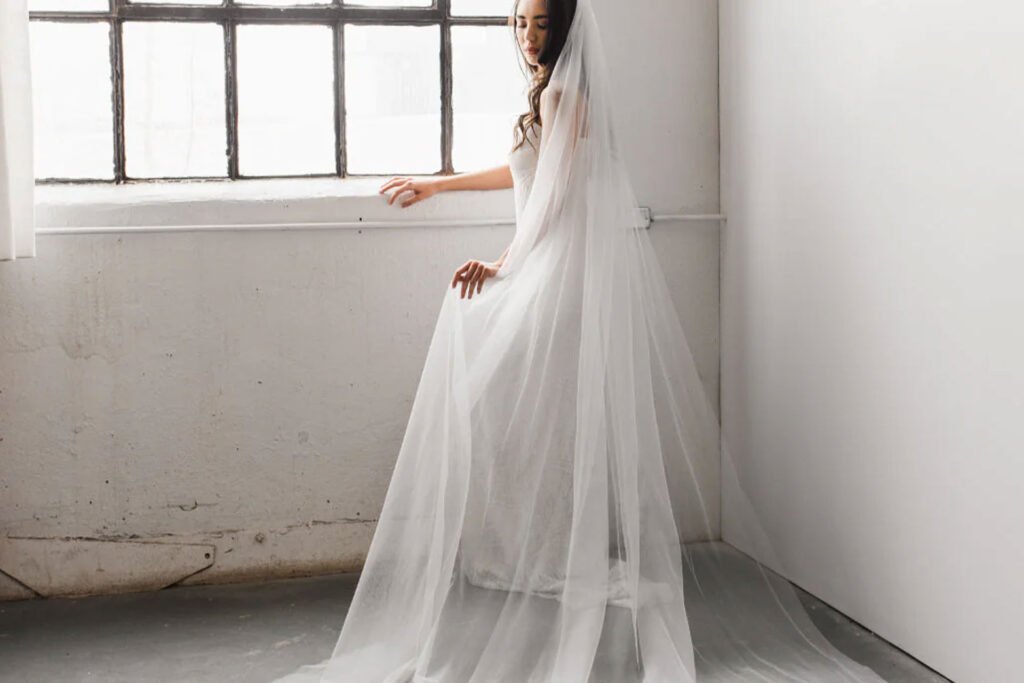
Applications of Silk Tulle
Because of its delicate beauty, silk tulle is commonly used in high-end fashion and couture garments.
1. Bridal Veils
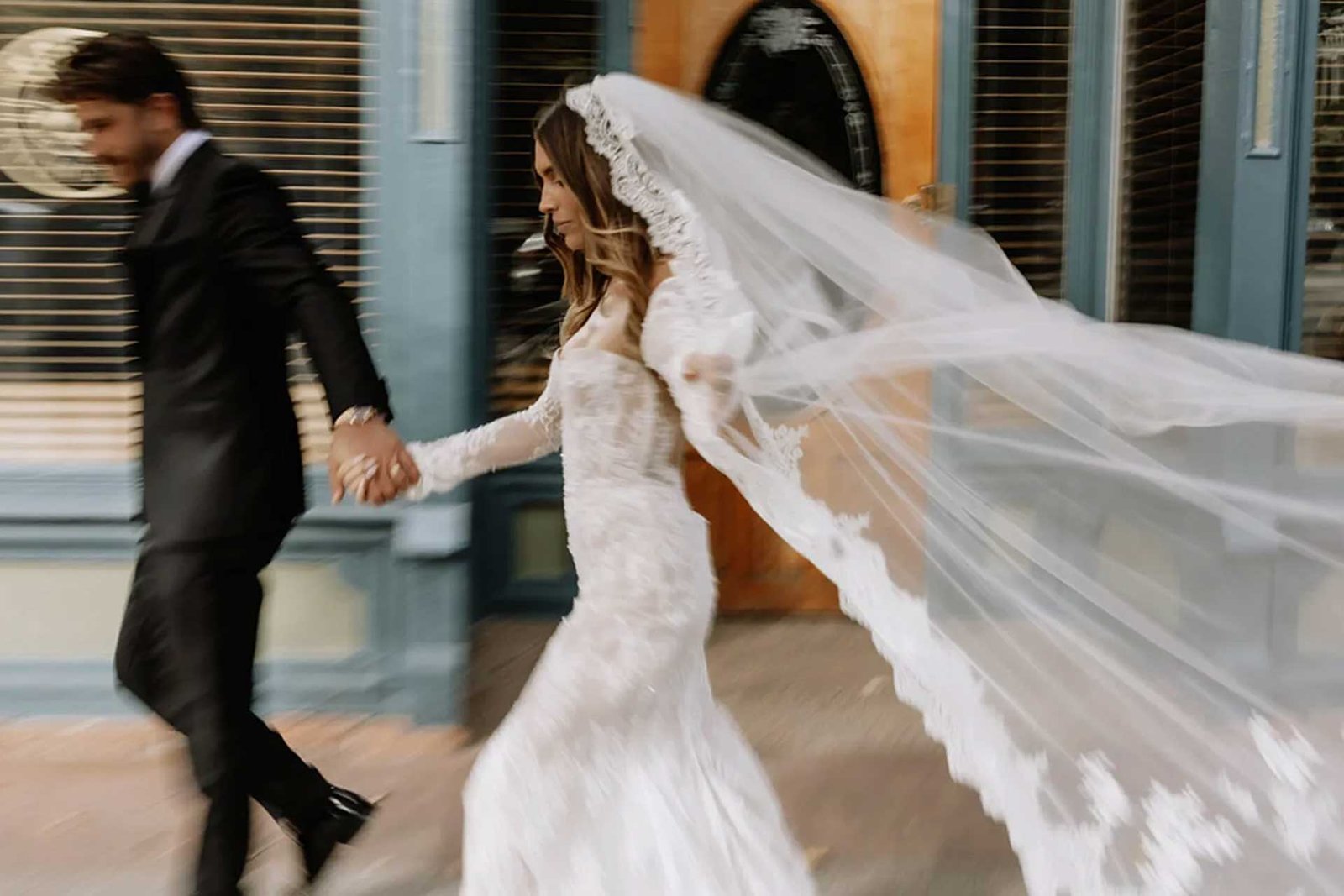
Silk tulle is the gold standard for luxury wedding veils.
Why?
-
It drapes softly around the face
-
It photographs beautifully
-
It doesn’t look stiff or bulky
Many haute couture bridal brands rely on silk tulle fabric for cathedral-length veils.
2. Couture Evening Gowns
Designers frequently use silk tulle to create:
-
Layered skirts
-
Transparent bodices
-
Floating capes
-
Dramatic train effects
The fabric’s lightweight structure allows multiple layers without adding bulk.
3. Illusion Panels and Sleeves
Silk tulle is often used in illusion designs, where the mesh appears almost invisible on the skin.
Examples include:
-
Illusion necklines
-
Sheer sleeves
-
Decorative embroidery bases
Because the mesh is extremely fine, embroidery appears to float on the body.
4. Ballet and Performance Costumes
Professional costume designers choose silk tulle for:
-
Ballet tutus
-
Stage overlays
-
Decorative costume elements
The fabric moves beautifully under stage lighting and enhances fluid motion on stage.
When Silk Tulle May Not Be Worth It
Despite its advantages, silk tulle is not always the best option.
Consider alternatives if you need:
Durability
Silk tulle is delicate and can tear easily.
Large decorative installations
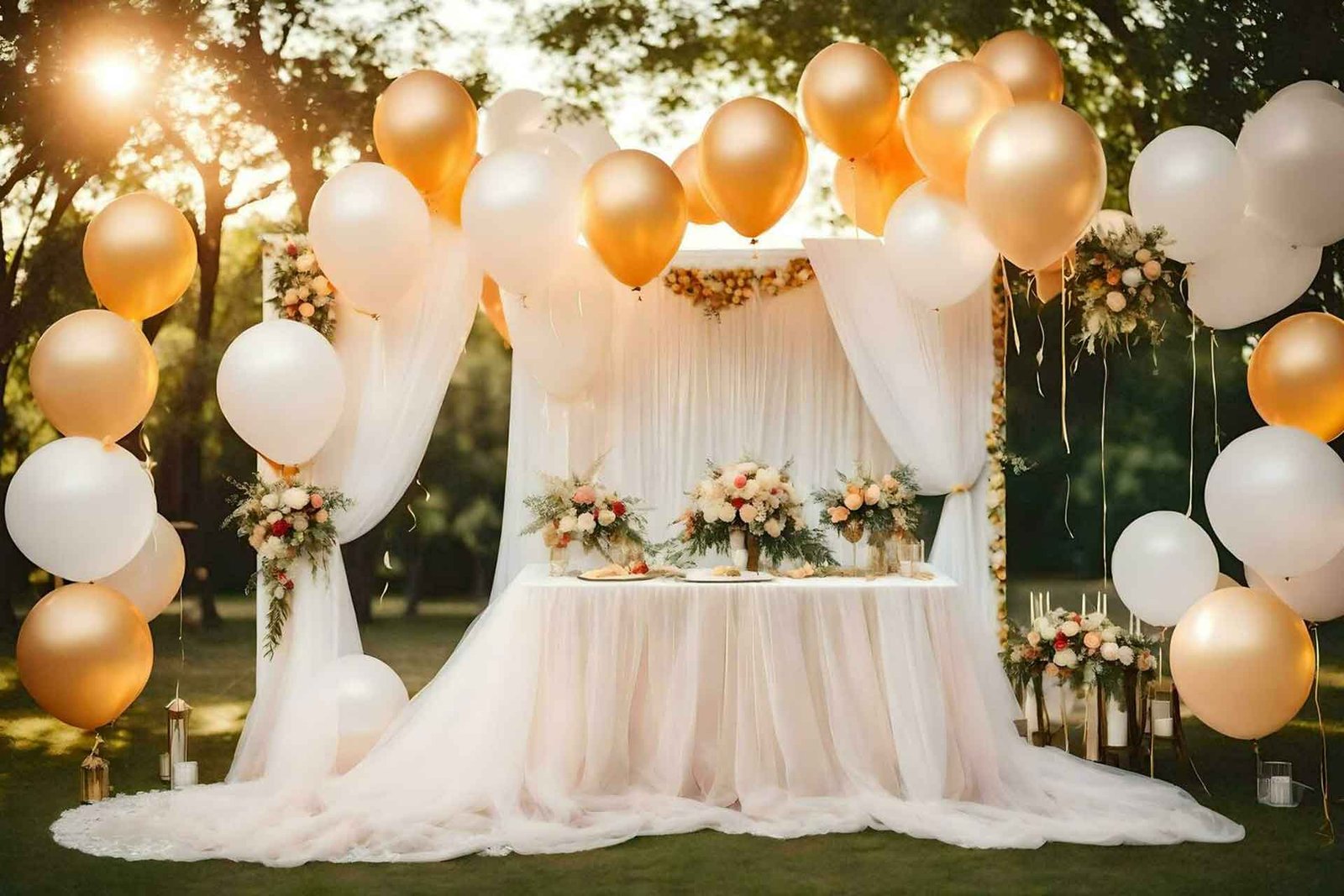
Event decorations or large-scale crafts are better suited to polyester tulle.
Budget-friendly projects
Silk tulle fabric can cost 10–20 times more than synthetic tulle.
How Much Does Silk Tulle Cost?
Prices vary depending on quality and origin.
Typical price ranges:
-
Polyester tulle: $2 – $8 per yard
-
Nylon tulle: $4 – $12 per yard
-
Silk tulle: $40 – $120+ per yard
Premium couture-grade silk tulle can cost even more.
Tips for Working With Silk Tulle
Because silk tulle is delicate, it requires careful handling.
Professional tips:
-
Use very fine needles (size 60–70)
-
Sew with silk thread or fine polyester thread
-
Cut using sharp fabric scissors or a rotary cutter
-
Avoid excessive pinning to prevent snags
Many designers also prefer hand finishing for couture garments.
Final Verdict: Is Silk Tulle Worth It?
For luxury fashion and couture applications, silk tulle is absolutely worth the investment.
Choose silk tulle if you want:
-
The softest possible tulle fabric
-
Elegant drape and natural movement
-
High-end bridal or couture aesthetics
However, for everyday sewing, crafts, or event decorations, synthetic tulle remains the more practical choice.
In the end, the decision comes down to whether your project prioritizes luxury or practicality.