At first glance, all tulle fabric looks similar—lightweight, sheer, and made with a delicate net structure. But in reality, not all tulle is created equal. The fiber used to produce the mesh dramatically affects how the fabric feels, drapes, and performs.
Two of the most common types are silk tulle and polyester tulle. While they share the same open-net structure, they differ significantly in softness, durability, cost, and typical applications.
If you’re choosing tulle for fashion design, wedding garments, or craft projects, understanding the difference between these two materials will help you select the right one for your needs.
What Is Tulle Material?
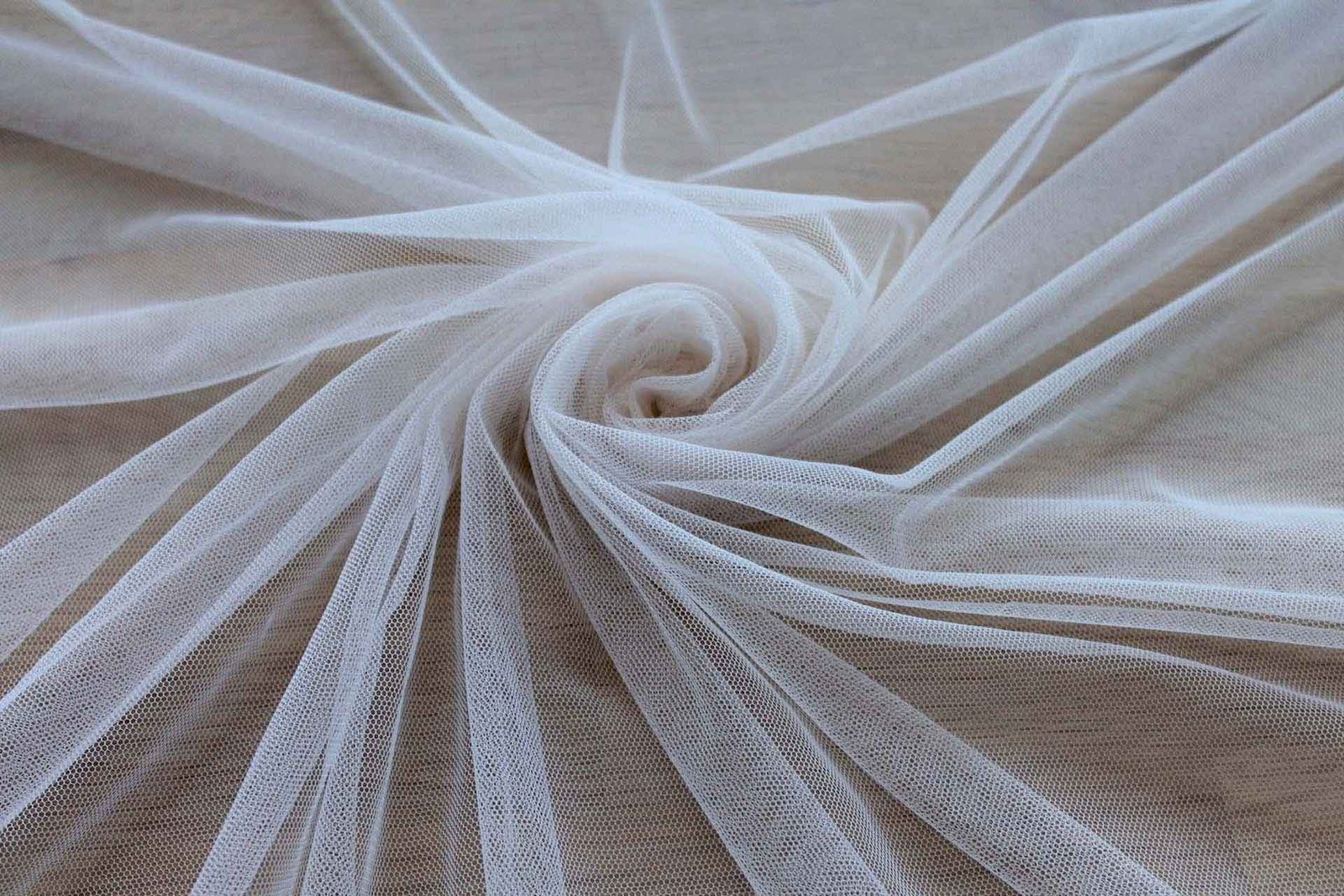
Tulle is a fine netting fabric made by twisting threads into a hexagonal mesh pattern. Historically, the earliest versions were made from silk, but modern manufacturing introduced synthetic fibers such as nylon and polyester, making the fabric far more affordable and widely available.
The defining characteristics of tulle material include:
-
lightweight structure
-
sheer transparency
-
flexible mesh weave
-
excellent layering capability
Because of these features, tulle is widely used in bridal fashion, ballet costumes, evening gowns, and decorative crafts.
Silk Tulle: The Luxury Standard

silk tulle fabric
Silk tulle fabric is considered the most luxurious form of tulle available. Made from natural silk fibers, it has a softness and fluidity that synthetic versions struggle to replicate.
Key Characteristics of Silk Tulle
Exceptional softness
Silk tulle feels incredibly smooth and gentle against the skin, making it ideal for garments worn close to the body.
Elegant drape
Unlike stiffer synthetic versions, silk tulle flows naturally, creating a romantic and airy silhouette.
Ultra-fine texture
The mesh structure tends to be extremely delicate and lightweight.
High-end appearance
Silk gives the fabric a subtle sheen and refined texture often seen in couture fashion.
Common Uses of Silk Tulle
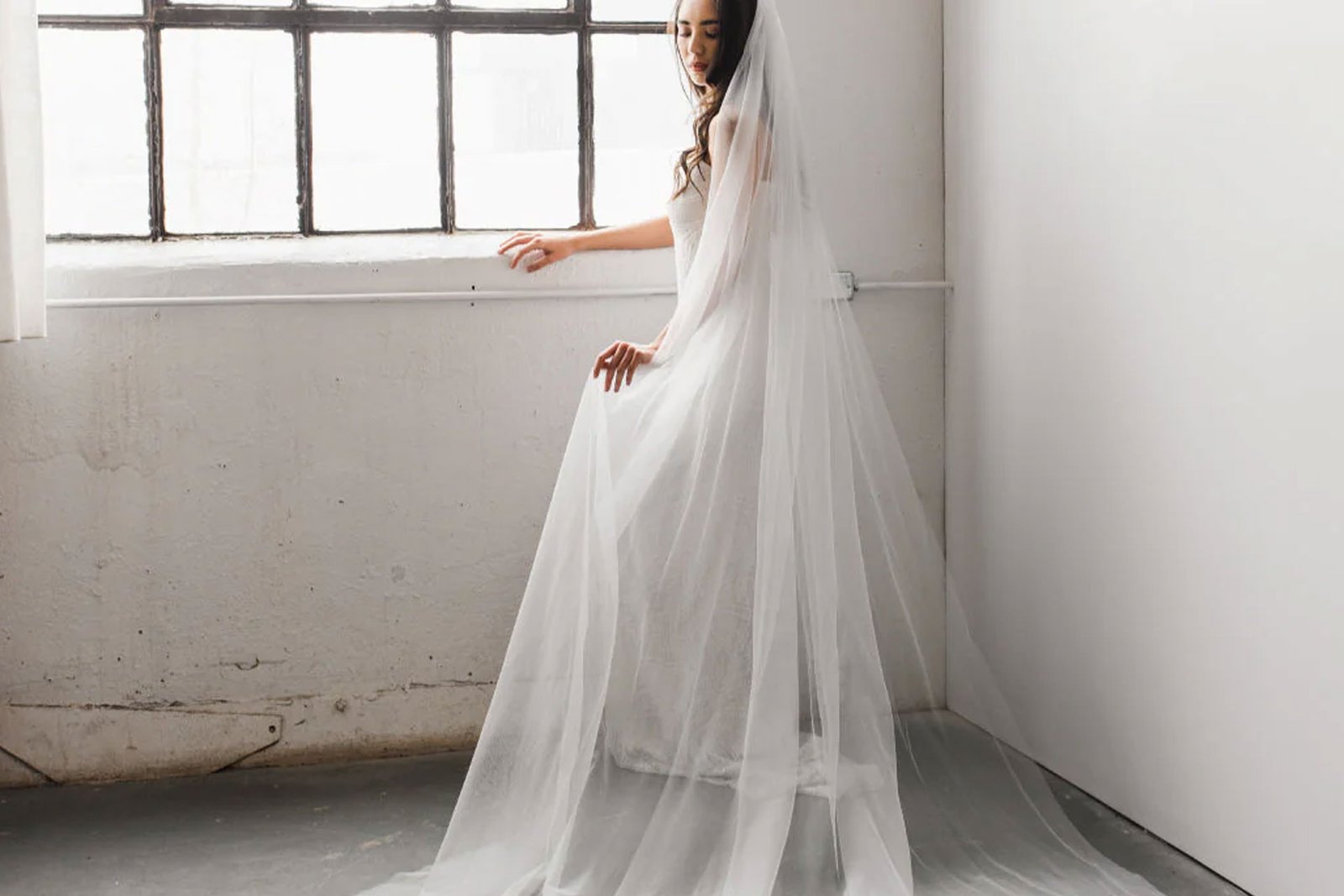
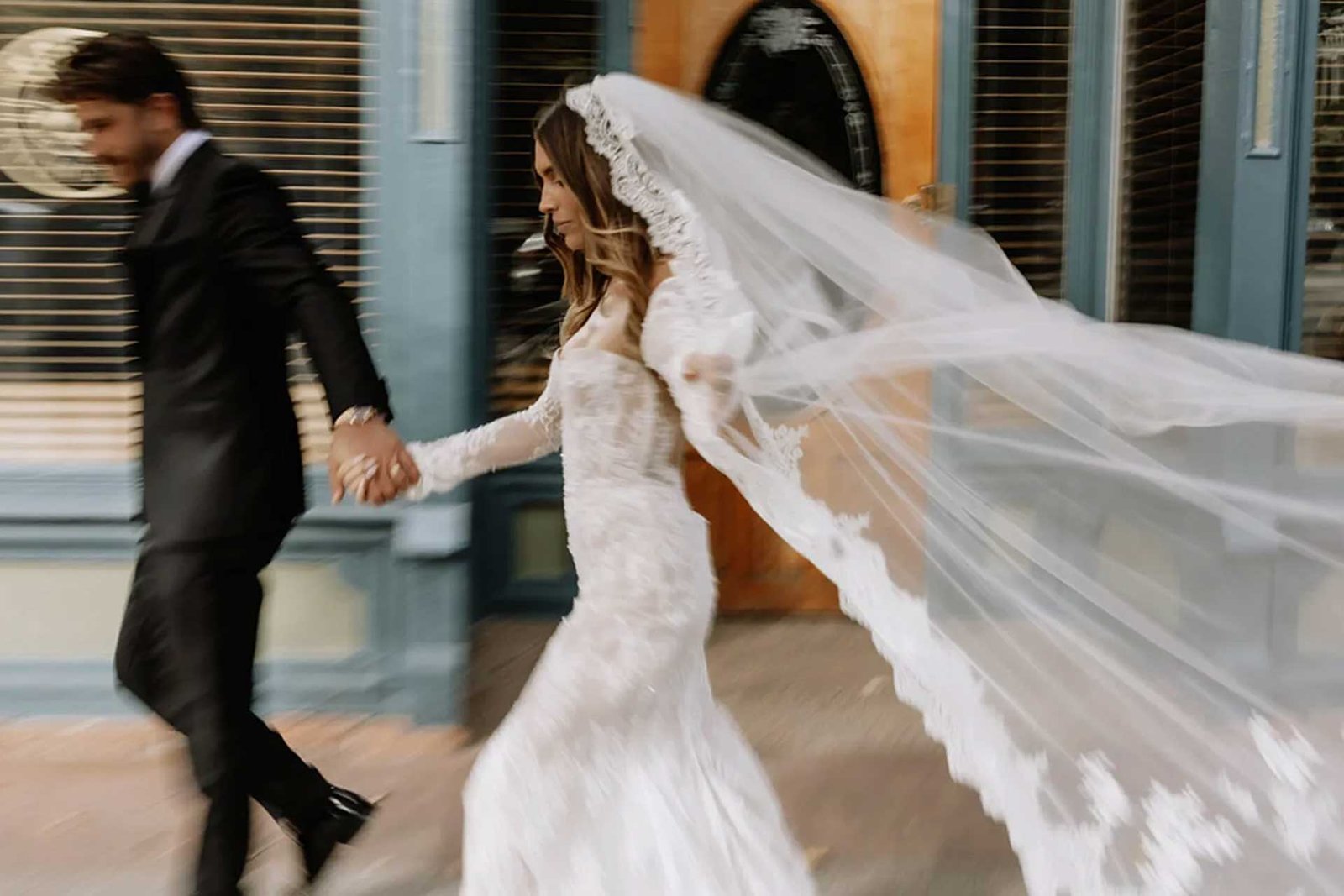
Silk tulle is most frequently used in luxury fashion and bridalwear, including:
-
high-end wedding veils
-
couture bridal gowns
-
delicate overlays in evening dresses
-
fine fashion detailing
The Downsides
Despite its beauty, silk tulle has a few limitations:
-
expensive compared to synthetic tulle
-
more delicate and easier to snag
-
requires careful cleaning
For these reasons, it is usually reserved for premium garments rather than everyday use.
Polyester Tulle: The Practical Alternative
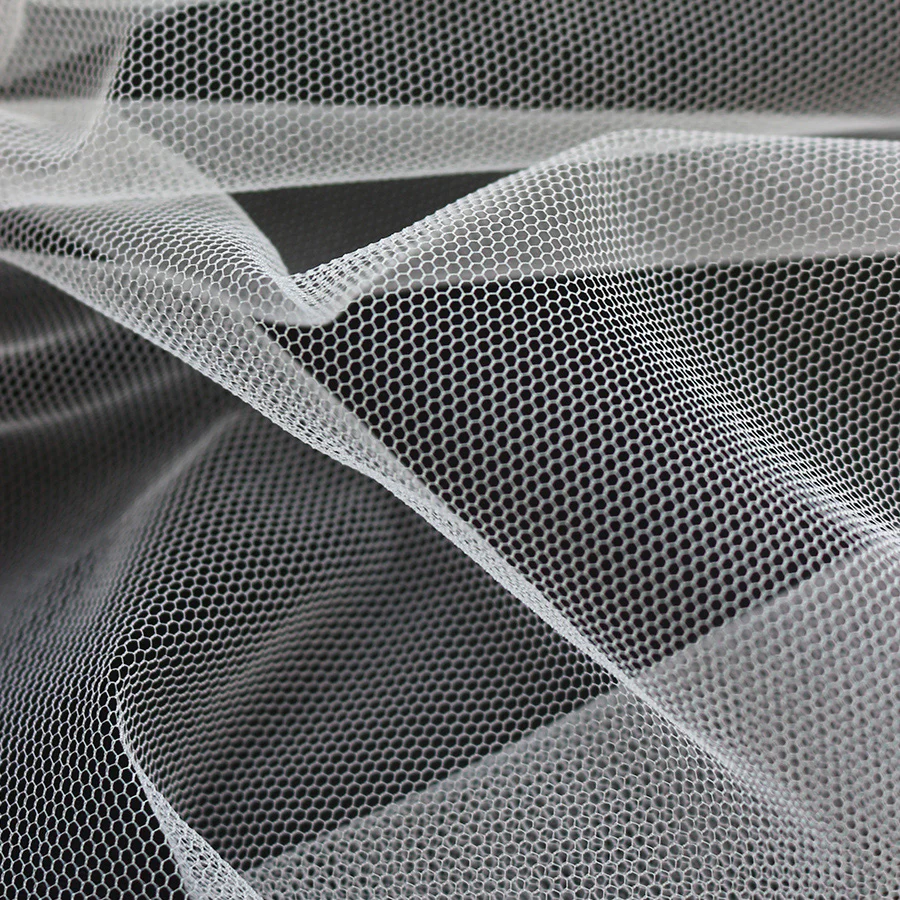
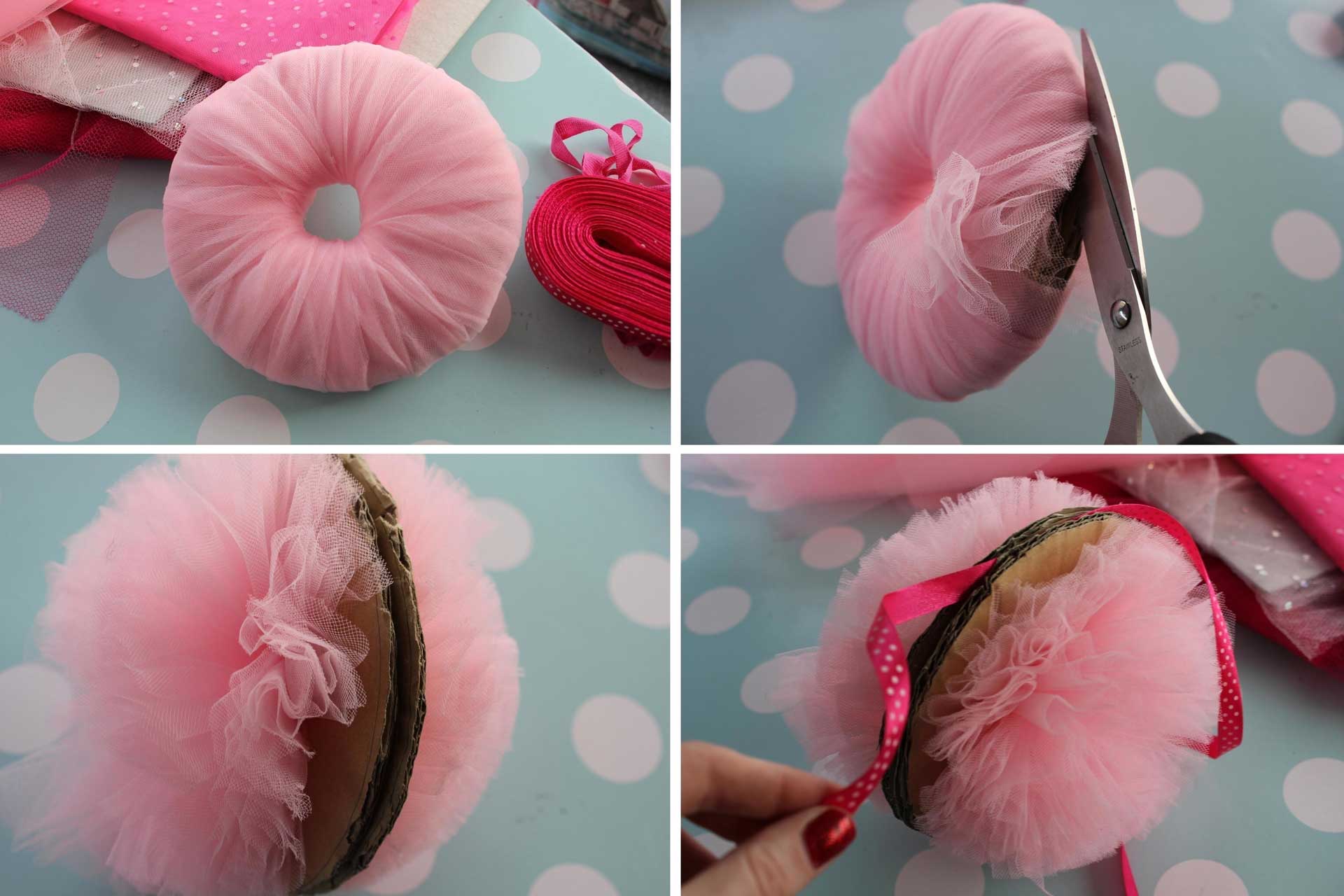
polyester tulle
Polyester tulle is the most widely used type of tulle fabric today. It offers the visual appearance of traditional tulle while being significantly more durable and affordable.
Key Characteristics of Polyester Tulle
Durability
Polyester fibers are strong and resistant to tearing, making this tulle suitable for garments that require structure.
Shape retention
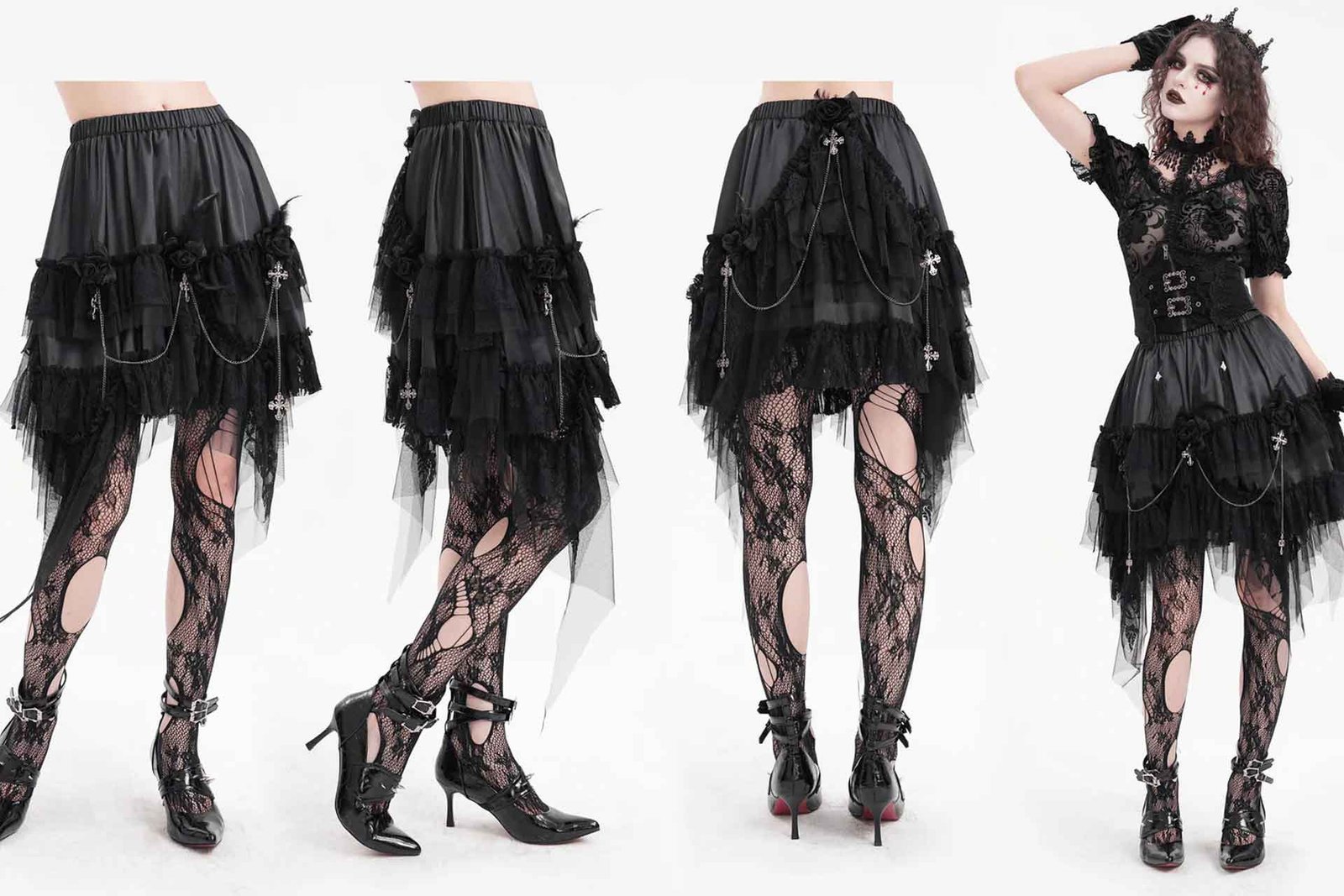
Polyester tulle can hold volume better than silk, which is why it is commonly used in layered skirts and costumes.
Wrinkle resistance
Unlike natural fibers, polyester maintains its shape with minimal maintenance.
Affordability
It is far more cost-effective, making it popular for large projects.
Common Uses of Polyester Tulle
Polyester tulle appears in a wide variety of applications:
-
ballet tutus
-
prom dresses
-
costume design
-
party decorations
-
craft projects
-
bridal skirts and underskirts
Because of its durability and price, polyester tulle is often the default choice for designers and DIY creators.
Silk Tulle vs Polyester Tulle: Key Differences
| Feature | Silk Tulle | Polyester Tulle |
|---|---|---|
| Fiber type | Natural silk | Synthetic polyester |
| Softness | Extremely soft | Moderate to slightly stiff |
| Drape | Flowing and fluid | Structured and crisp |
| Durability | Delicate | Strong and resilient |
| Price | Expensive | Affordable |
| Typical use | Couture and bridal | Costumes, crafts, fashion |
Which Tulle Fabric Should You Choose?
The right choice depends on the purpose of your project.
Choose silk tulle if you need:
-
luxury bridal garments
-
extremely soft fabric
-
delicate draping effects
-
couture fashion details
Choose polyester tulle if you need:
-
strong and durable material
-
structured skirts or costumes
-
affordable fabric for large projects
-
easy-care material
Final Thoughts: Understanding Tulle Material
Although silk tulle and polyester tulle share the same mesh structure, they serve very different purposes in fashion and design.
-
Silk tulle represents elegance, softness, and luxury.
-
Polyester tulle offers practicality, durability, and affordability.
By understanding the differences between these materials, designers and DIY creators can choose the tulle fabric that best matches their project goals.