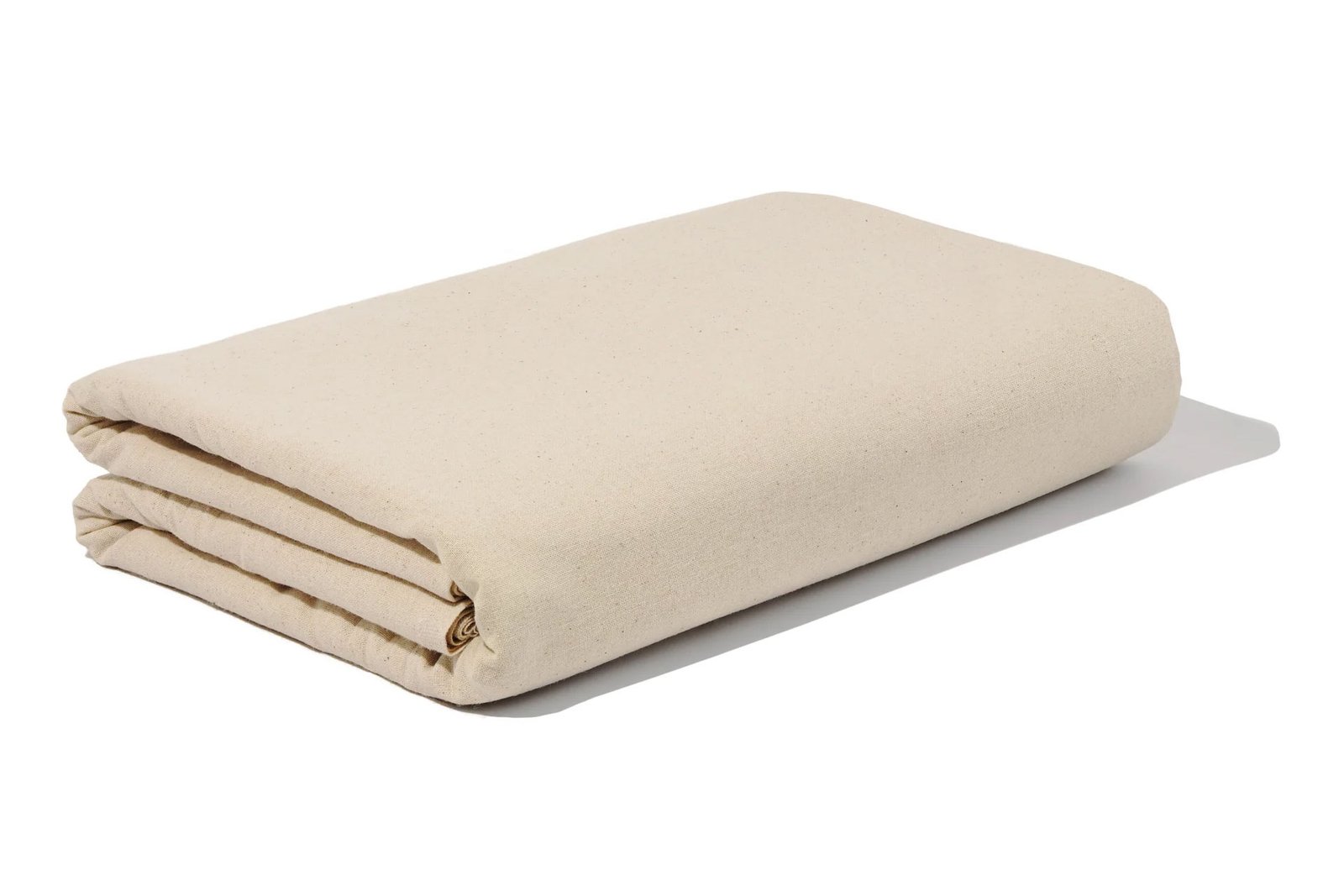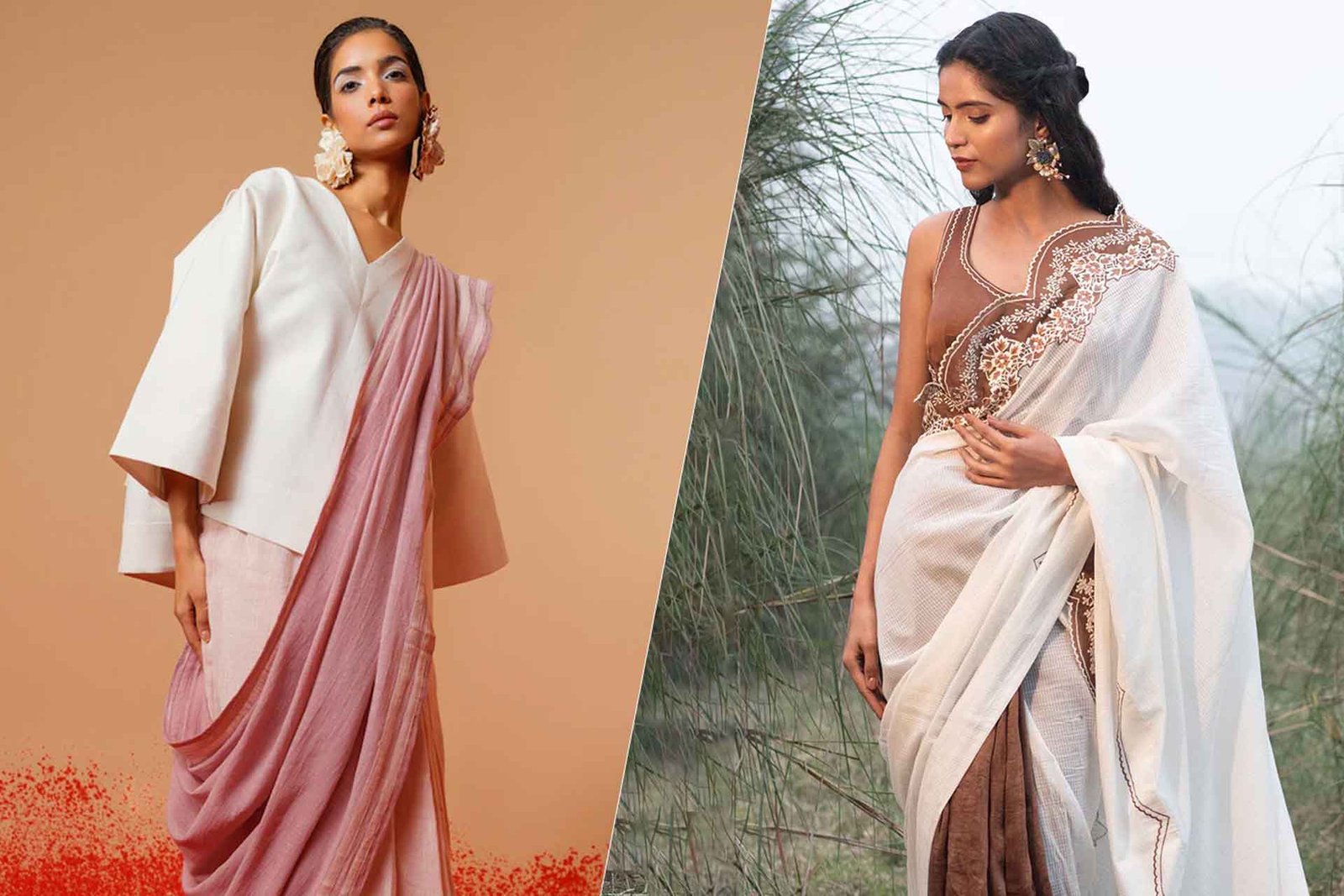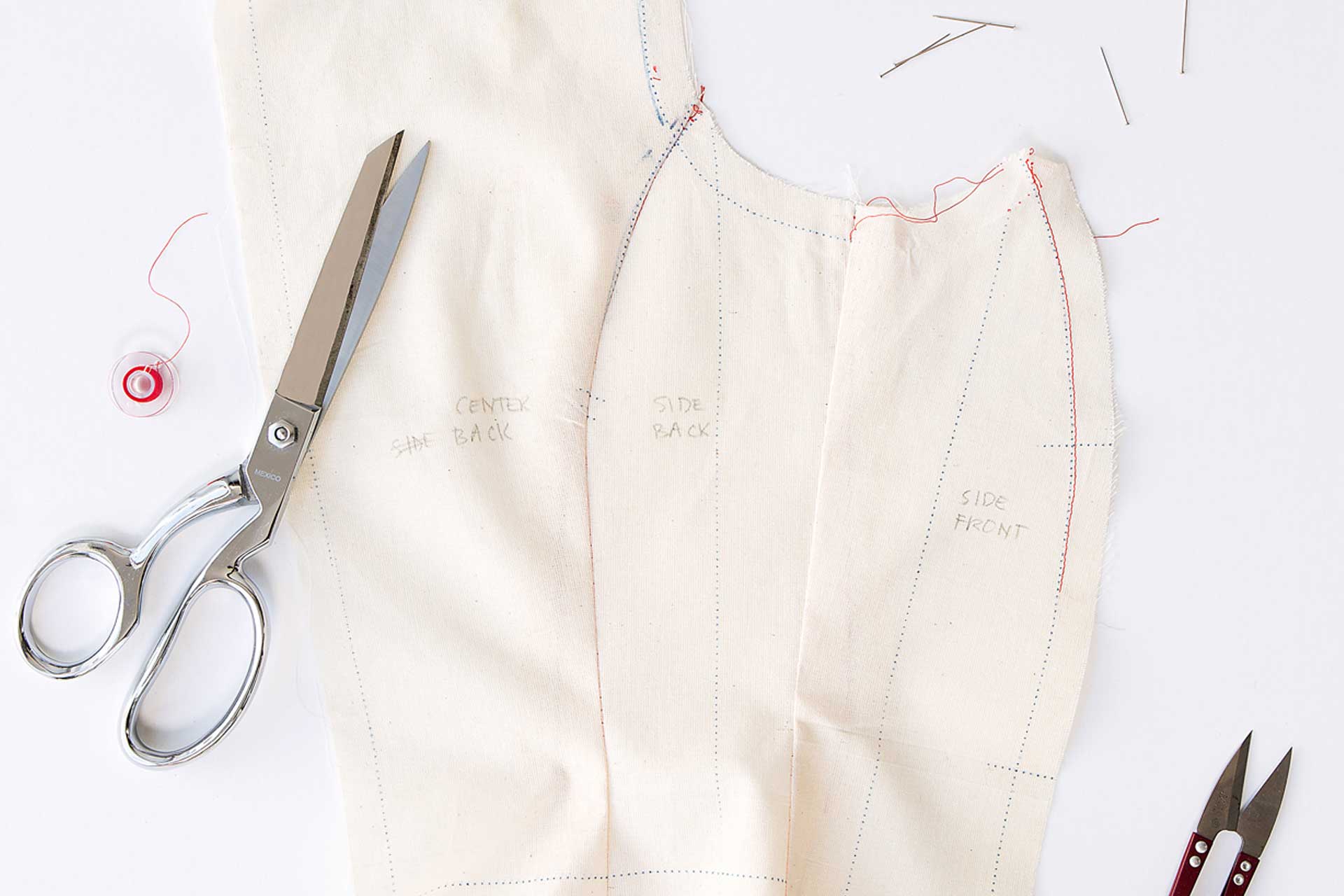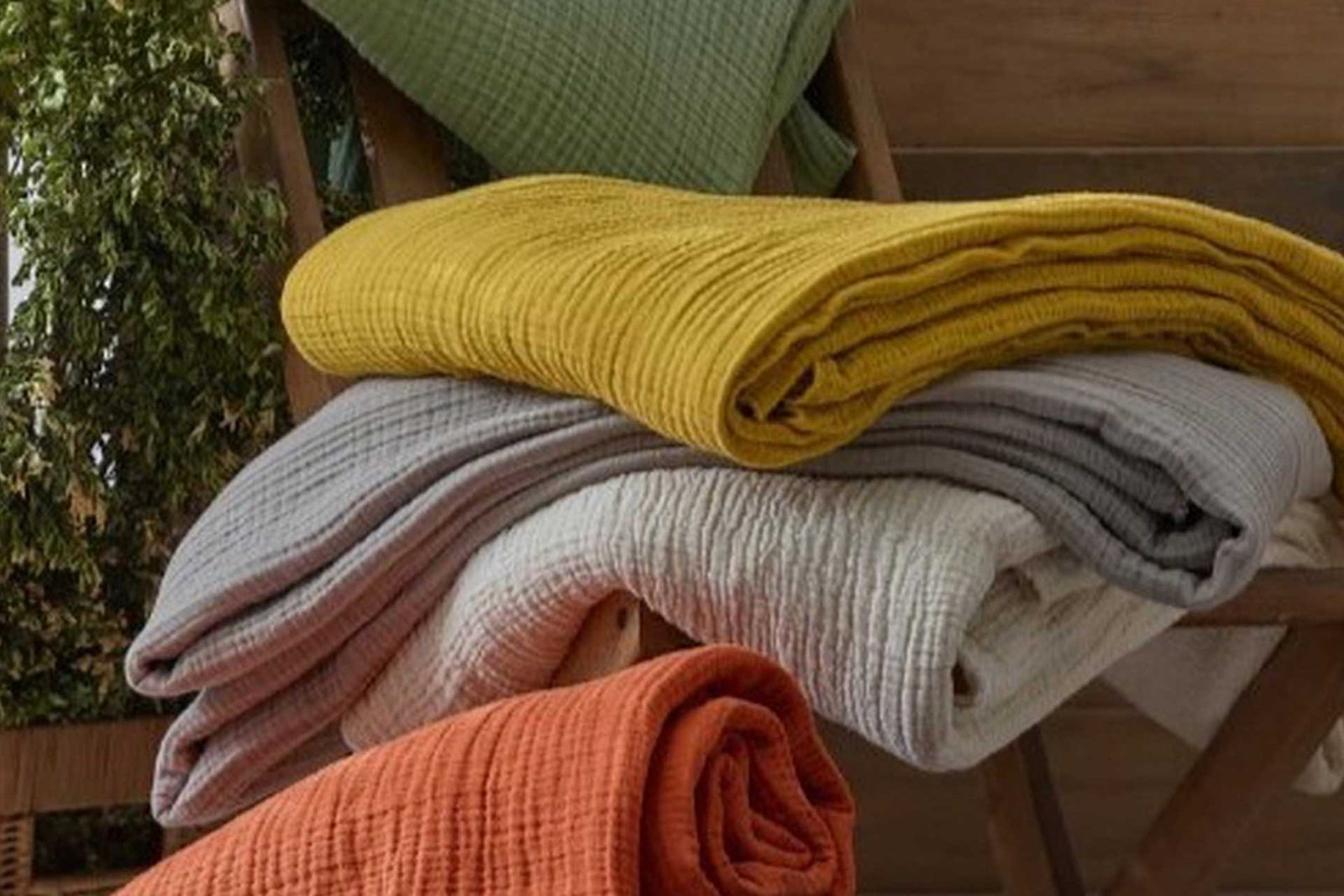
If you love soft neutrals, antique textures, or natural craft finishes, tea dyed muslin is one of the easiest and most affordable ways to create a warm vintage look at home.
Whether you're working on quilts, costumes, journaling backdrops, or home décor, this guide will walk you through:
-
How to make beautifully dyed muslin
-
How to control tone and depth
-
Tips for painting on muslin after dyeing
-
How to set and preserve the color
Let’s get started.
Why Tea Dye Muslin?
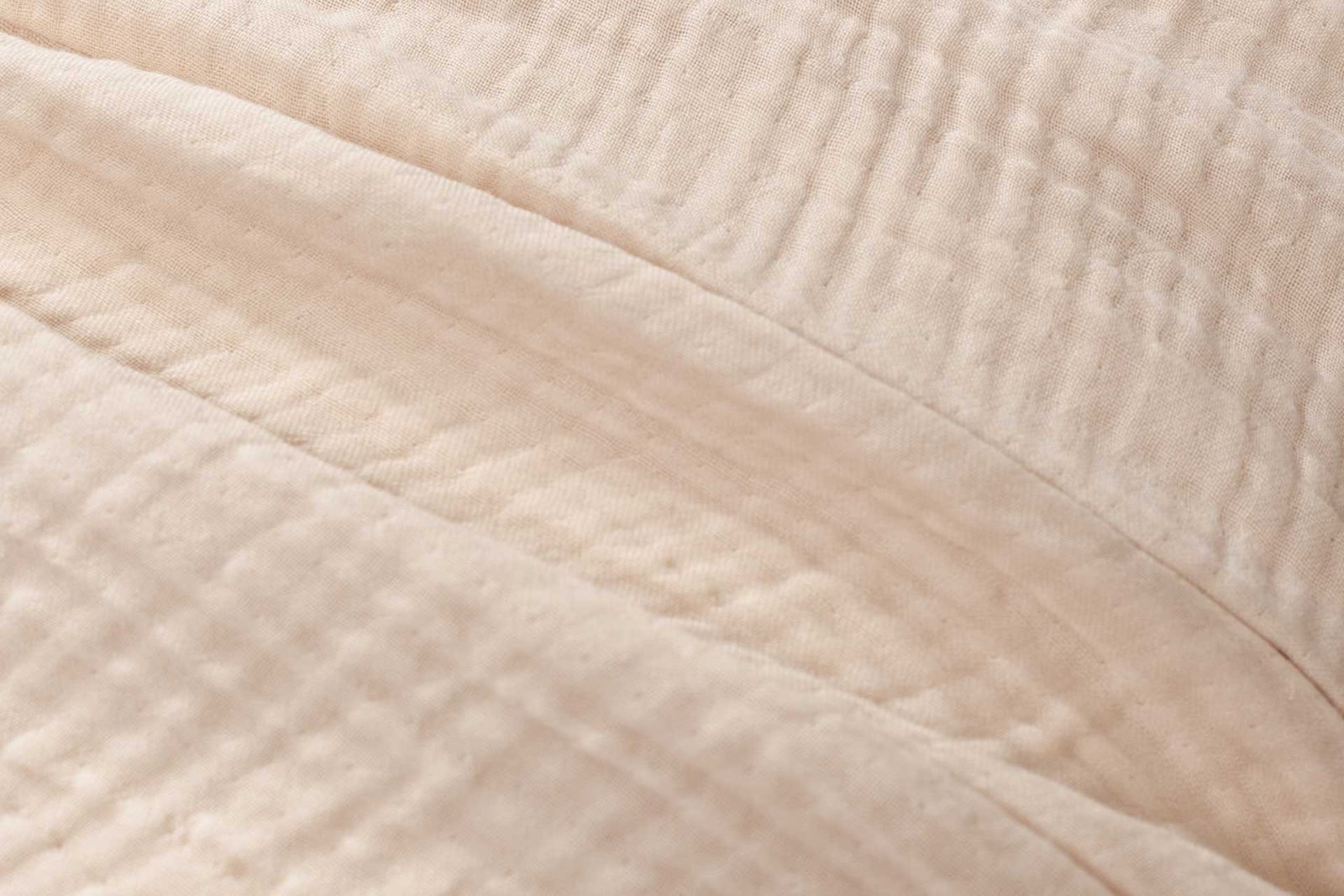
Muslin is a lightweight, breathable cotton fabric that absorbs natural dyes beautifully. Tea staining adds:
-
Warm ivory to sepia tones
-
Subtle texture variation
-
Antique or aged appearance
-
Soft, organic character
Unlike synthetic dyes, tea produces a gentle, unpredictable charm that enhances handmade projects.
Supplies You’ll Need
-
100% cotton muslin (pre-washed, no sizing)
-
Black tea bags (or loose black tea)
-
Large pot or bowl
-
Hot water
-
Tongs or spoon
-
White vinegar (optional mordant)
-
Gloves (optional but recommended)
-
Towel for drying
Step-by-Step: How to Make Tea Dyed Muslin
1. Pre-Wash the Fabric
Always wash muslin first to remove starch and finishing agents. This ensures even absorption.
Do not use fabric softener.
2. Brew a Strong Tea Bath
-
Use 4–8 tea bags per liter of water
-
Steep for 10–15 minutes
-
The darker the tea, the deeper the final tone
Remove tea bags before adding fabric.
3. Soak the Muslin
Submerge the muslin completely.
Soaking times:
-
5–10 minutes → Light cream
-
20–30 minutes → Warm beige
-
1+ hour → Deep antique tan
Stir occasionally for even color.
For uneven vintage spotting, lightly scrunch the fabric instead of fully spreading it.
4. Optional: Add Vinegar
Adding 1–2 tablespoons of white vinegar can help slightly improve color fastness.
Tea dye is natural and will fade over time—but that’s part of its charm.
5. Rinse and Dry
Rinse lightly in cool water.
Then:
-
Air dry for softer tone
-
Tumble dry for slightly mottled texture
Expect the color to lighten slightly once dry.
How to Control the Final Look
For Darker Dyed Muslin:
-
Use more tea bags
-
Extend soaking time
-
Repeat dye bath after drying
For Lighter Vintage Tones:
-
Shorter soak
-
Dilute tea solution
-
Rinse more thoroughly
For Aged Stain Effects:
-
Sprinkle dry tea leaves directly on fabric
-
Drip concentrated tea with a spoon
-
Spray with a bottle for splatter effect
Painting on Muslin After Tea Dyeing

painting on muslin
Once dry, tea dyed muslin becomes an excellent base for painting on muslin.
Why?
-
The warm background enhances contrast
-
Paint adheres well to cotton fibers
-
Vintage tone adds depth to artwork
Best Paint Options
-
Acrylic paint mixed with fabric medium
-
Fabric-specific paints
-
Natural pigment washes
Pro Tips for Painting on Muslin:
-
Iron fabric before painting for smoother surface
-
Place cardboard underneath to prevent bleed-through
-
Heat set with iron (follow paint instructions)
Tea-dyed backgrounds are especially popular in:
-
Art quilts
-
Textile journaling
-
Costume aging
-
Theatrical props
-
Primitive or farmhouse décor
How Permanent Is Tea Dyed Muslin?
Tea dye is not fully colorfast like commercial fiber-reactive dyes.
Expect:
-
Gradual fading with washing
-
Soft mellowing over time
-
Best results when hand-washed gently
For projects requiring durability, consider:
-
Using fiber-reactive dyes
-
Sealing with fabric fixative spray
Tea dye is ideal for decorative, low-wash items.
Creative Uses for Dyed Muslin
-
Quilting backgrounds
-
Embroidery projects
-
Doll making
-
Rustic table runners
-
Bookbinding covers
-
Photography backdrops
-
Costume distressing
The subtle texture of dyed muslin adds dimension without overpowering a design.
Troubleshooting Common Problems
Uneven Color?
You likely didn’t stir enough—or fabric was folded tightly.
Too Dark?
Rinse longer or wash once with mild detergent.
Too Light?
Re-dye in stronger tea.
Stiff Texture?
Rinse more thoroughly after dyeing.
Final Thoughts
Creating tea dyed muslin is one of the simplest, most satisfying fabric transformations you can do at home.
With just tea and cotton, you can turn plain muslin into beautifully aged, character-rich dyed muslin ready for sewing, crafting, or painting on muslin for layered artistic effects.