If you’ve ever walked into an empty room and heard your voice 'slap' off the walls, you’ve experienced unwanted reflections. To fix this, you need burlap sound panels. Unlike standard curtains or foam, these panels use a combination of a dense mineral wool core and a breathable burlap exterior to trap and neutralize sound energy.
1. Why Burlap Works: The Science of 'Acoustic Transparency'
The effectiveness of an acoustic panel depends entirely on the fabric's ability to 'disappear' to sound waves.
-
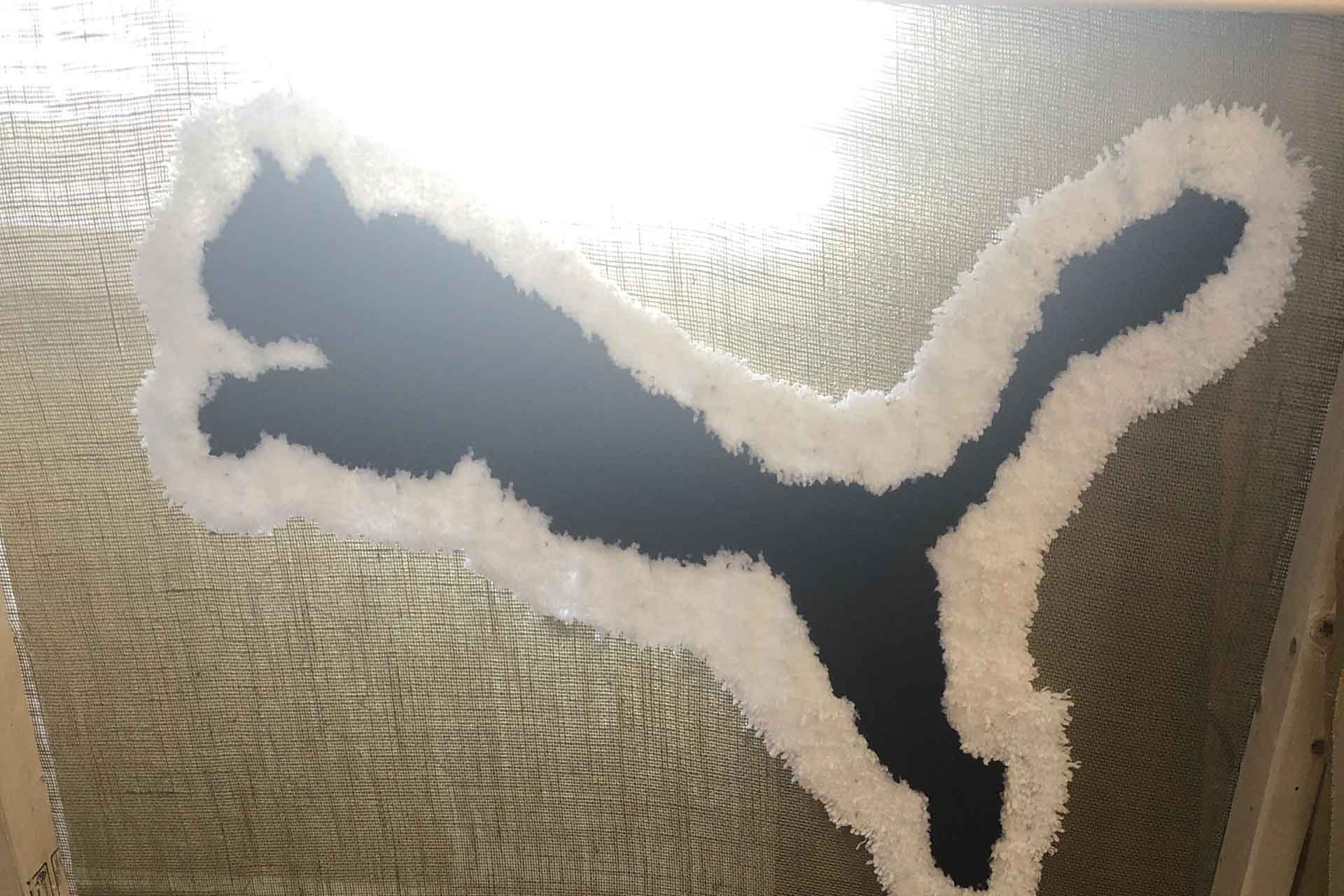
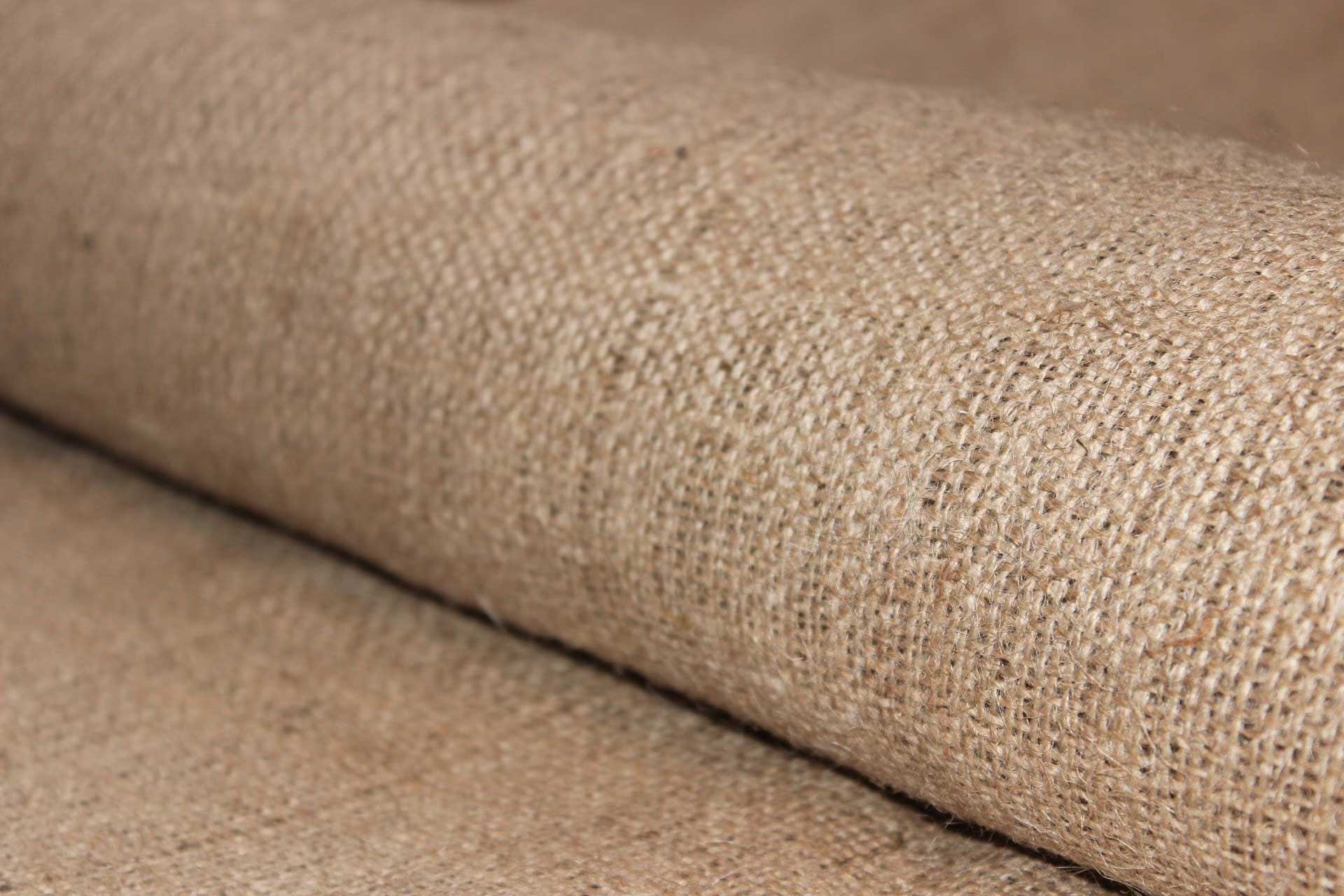
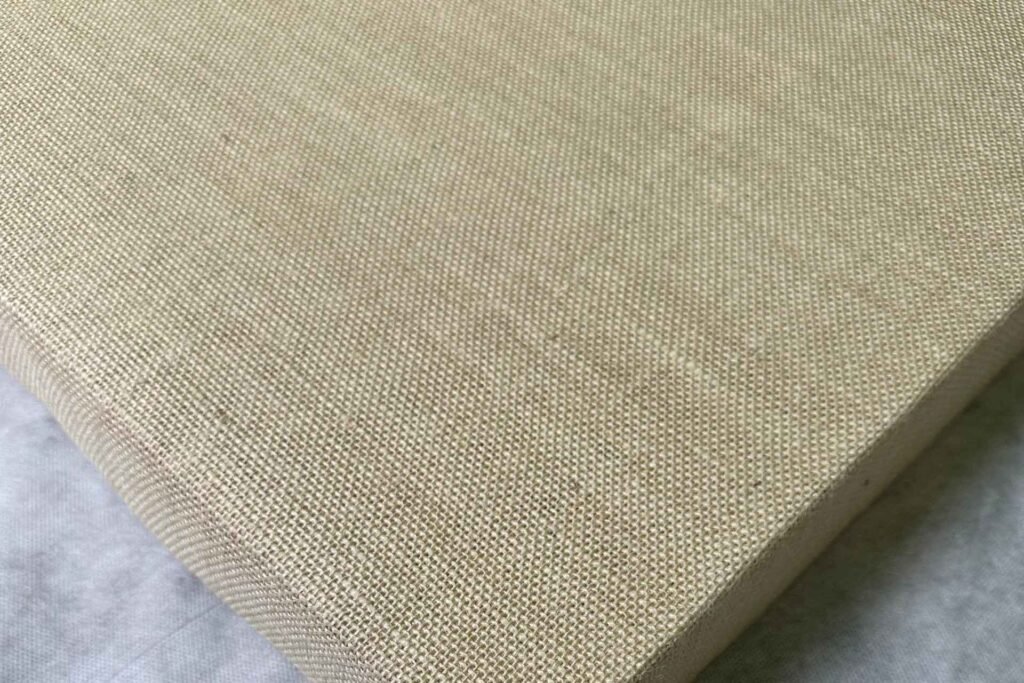
The Breathability Test: If you can blow air through a fabric easily, sound can also pass through it. Natural burlap fabric has a loose, porous weave that makes it nearly invisible to mid and high-frequency sound waves.
-
Minimal Reflection: Harder, tighter fabrics like heavy canvas or vinyl act like a mirror for sound, bouncing high frequencies back into the room. Burlap’s rough texture helps diffuse sound, ensuring it enters the panel's core (like Rockwool or Owens Corning 703) where it is converted into tiny amounts of heat energy.
2. NRC Ratings: How Much Sound Can It Absorb?
When a panel is built correctly with a 2-inch or 4-inch core and wrapped in burlap, it can achieve a Noise Reduction Coefficient (NRC) of 1.0.
-
What 1.0 Means: An NRC of 1.0 indicates that the panel is absorbing 100% of the sound energy that hits it within a specific frequency range.
-
Standard vs. Heavy Duty: Using 10oz burlap is the sweet spot. It is thick enough to hide the yellow or green color of the internal insulation but open enough to maintain high-performance absorption.
3. DIY Tips for Professional Burlap Panels
Building your own burlap acoustic panels can save you hundreds of dollars compared to buying pre-made 'professional' units.
-
Frame Construction: Build a simple 24' x 48' wooden frame. Ensure the internal depth matches your insulation (usually 2 inches).
-
Wrapping the Fabric: When stretching the burlap, avoid pulling too tight, as this can compress the weave and reduce transparency. Use a heavy-duty staple gun to secure the fabric to the back of the frame.
-
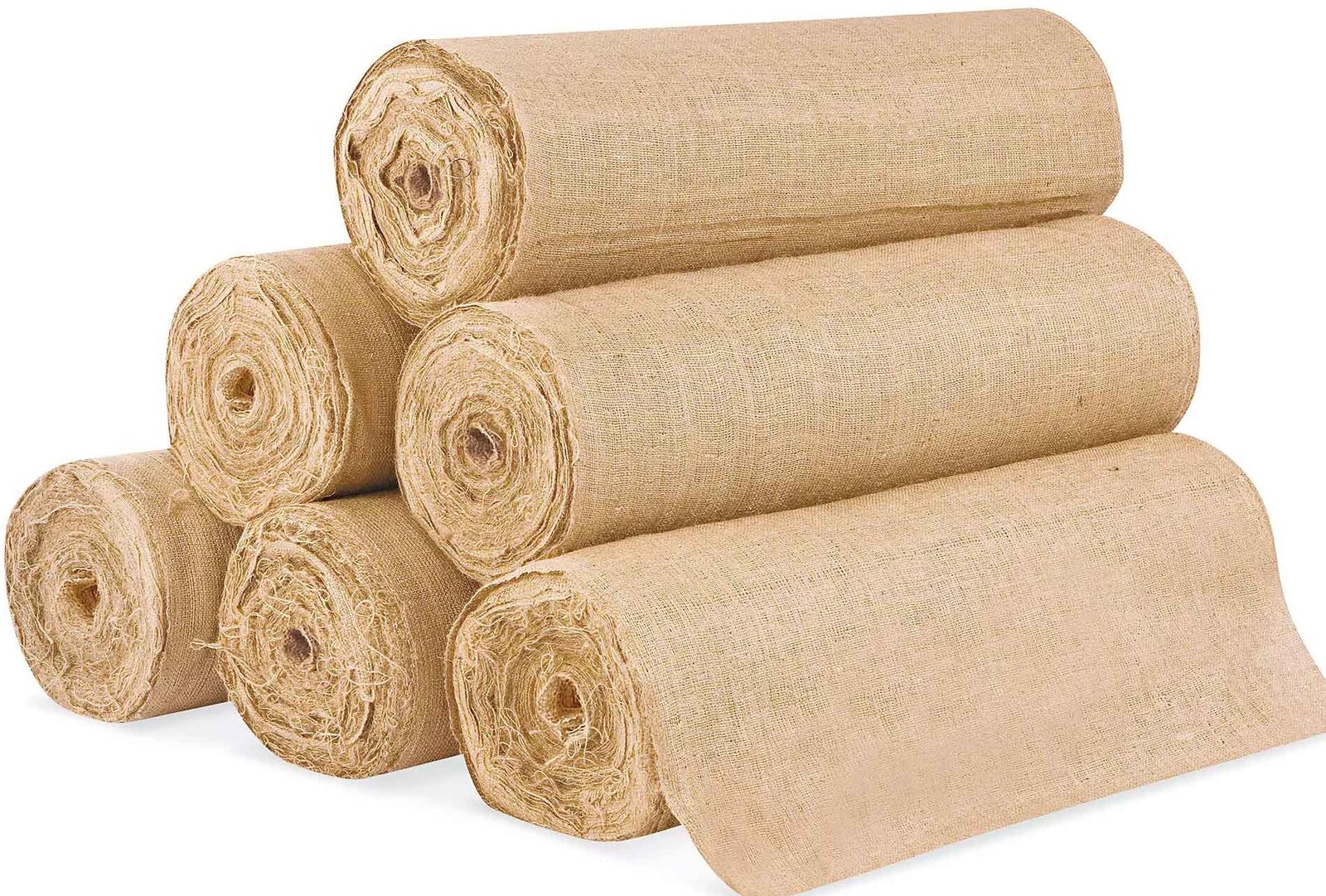
Addressing the 'Scent': Natural jute has a mild earthy smell. If this bothers you, look for 'cleaned and odorless' jute cloth material or simply air out your burlap in a garage for 48 hours before assembly.
Summary and Conclusion
In short, burlap acoustic panels are incredibly effective and remain one of the most cost-efficient ways to achieve a 'dead' recording environment. By acting as an acoustically transparent skin, burlap allows your internal insulation to do the heavy lifting of absorbing echoes. Whether you choose natural camel tones for a rustic studio vibe or black burlap for a sleek, modern look, you are getting professional-grade sound treatment at a fraction of the retail cost.