Viscose Is One of the Most Common Fabrics — But Also One of the Most Misunderstood
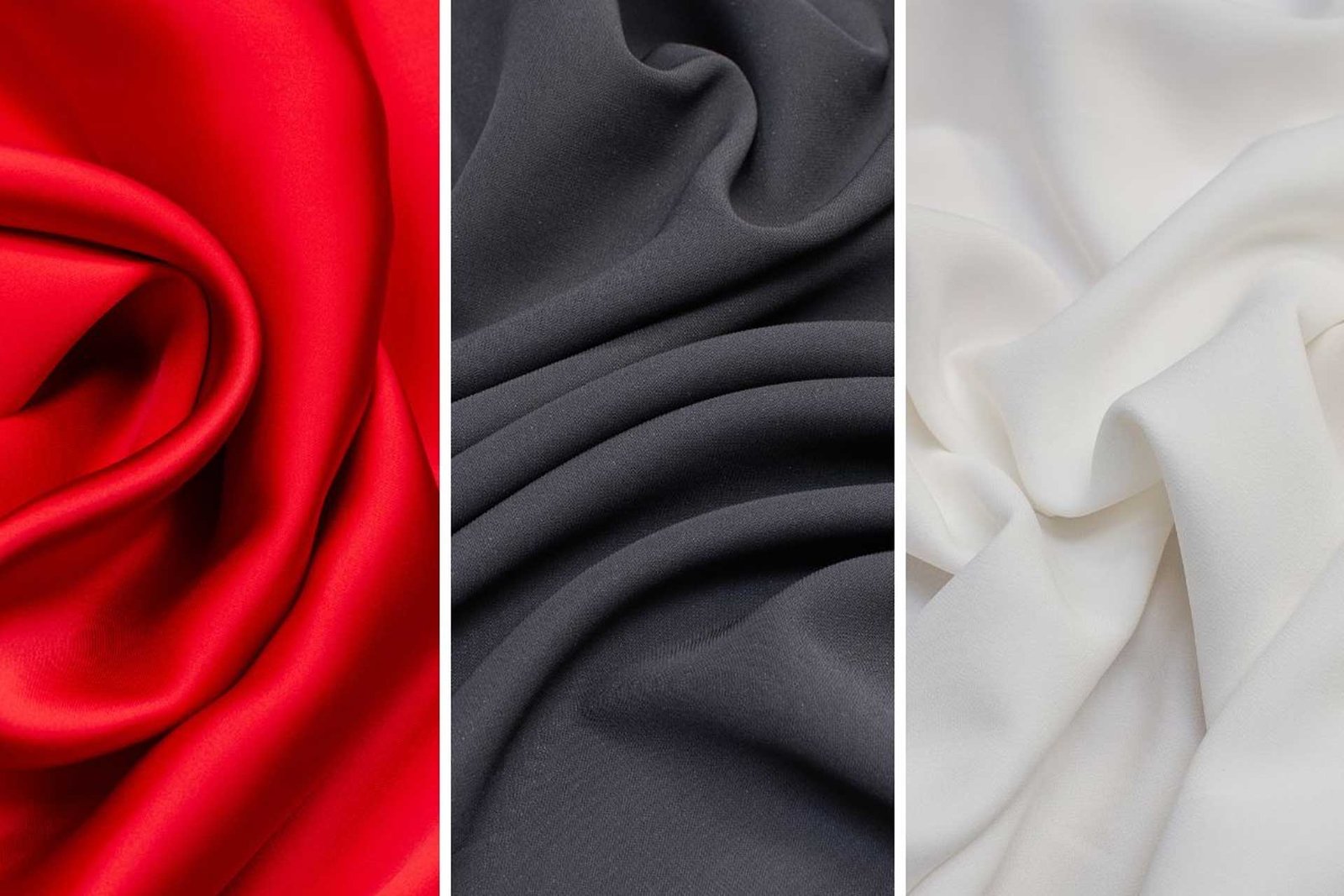
Viscose fabric is widely used in clothing, bedding, and upholstery, often praised for its softness and silk-like feel.
But what many people don’t realize is:
👉 Viscose is not a simple natural fabric — it is part of a larger fiber system called rayon (man-made cellulosic fibers).
This means its performance, feel, and environmental impact depend heavily on how it is produced.
What Is Viscose Fabric?
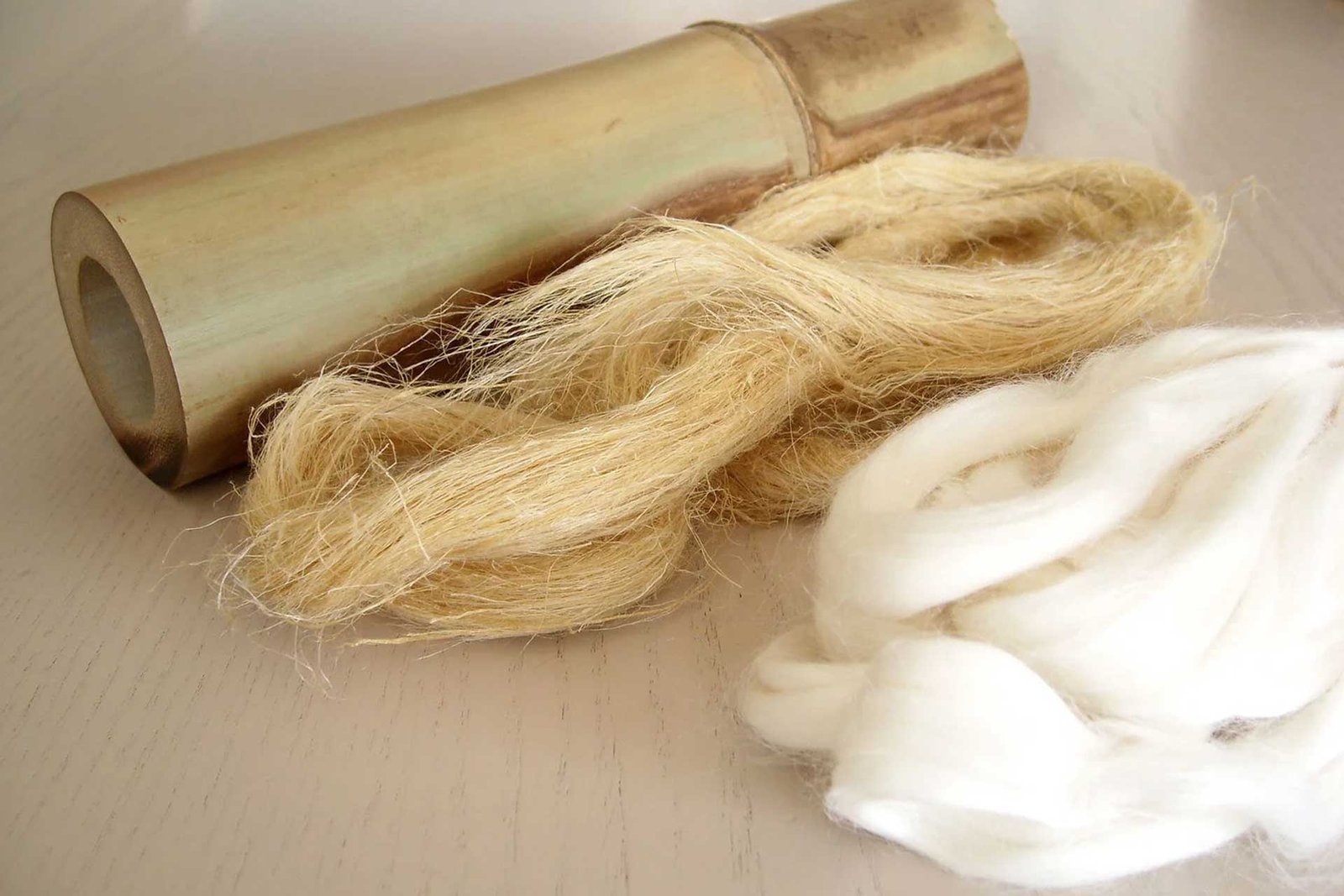
Viscose is a type of semi-synthetic fabric made from regenerated cellulose, usually derived from wood pulp.
Common raw sources include:
- Eucalyptus wood
- Pine trees
- Beech trees
- Sometimes bamboo pulp
👉 The cellulose is chemically processed and transformed into fibers that can be woven into fabric.
That’s why viscose is often called:
- Rayon
- Viscose rayon
- Artificial silk
How Is Viscose Fabric Made?
The viscose process involves several chemical steps:
- Wood or plant pulp is broken down into cellulose
- It is treated with chemicals to create a viscous solution
- The solution is pushed through spinnerets
- Fibers are regenerated and solidified
- Yarn is spun into fabric
👉 This process is what makes viscose different from purely natural fibers like cotton or linen.
what is viscose made of
Why Is Viscose So Popular?
Viscose is widely used because it combines comfort and affordability:
- Soft and smooth texture
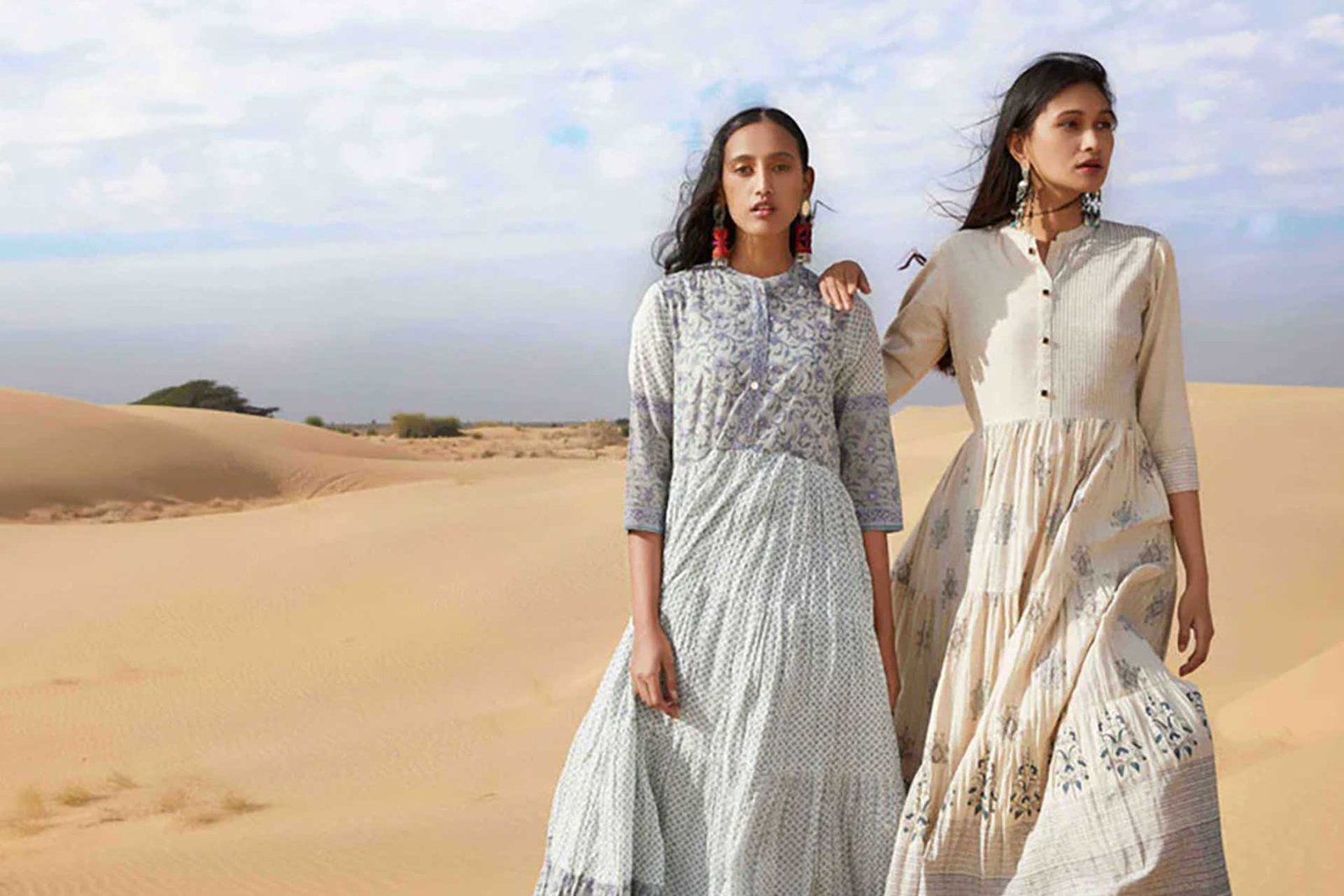
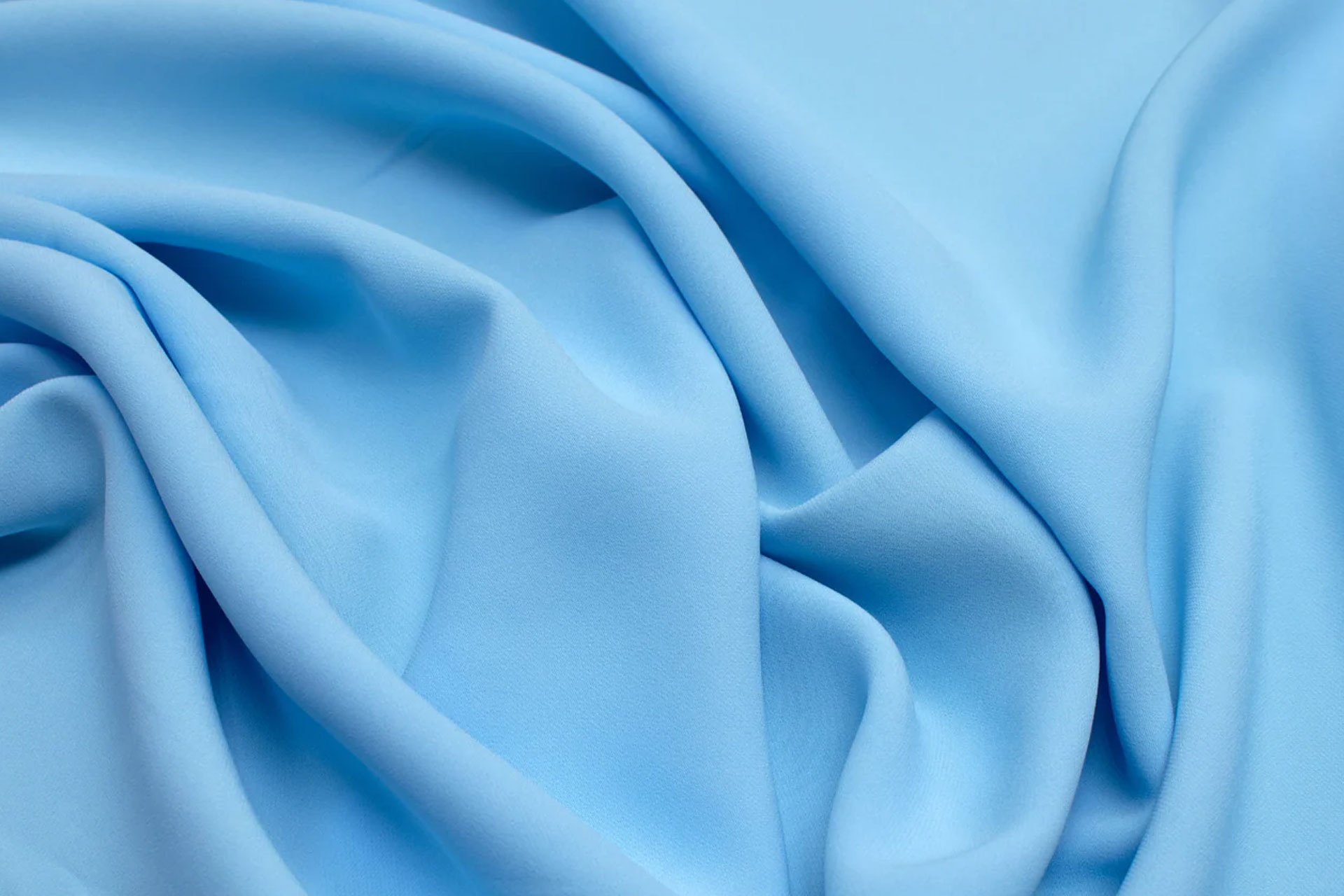
- Excellent drape (flows like silk)
- Breathable and lightweight
- Holds dye very well
👉 That’s why it is used in:
- Dresses
- Shirts
- Lining fabrics
- Home textiles
Types of Rayon: Where Does Viscose Fit?
Viscose is part of the broader rayon family:
1. Viscose (Standard Rayon)
- Most common type
- Affordable
- Soft but less durable when wet
2. Modal
- Improved strength
- Better stability
- Used in underwear and bedding
3. Lyocell (TENCEL™)
- Advanced closed-loop production
- More environmentally friendly
- Stronger and more stable
👉 Among all rayon types, lyocell is generally considered the most sustainable.
Is Viscose Fabric Sustainable? (Important Question)
This is where viscose becomes controversial.
✔ Positive aspects:
- Derived from renewable wood sources
- Biodegradable in some conditions
- Can reduce reliance on petroleum-based fibers
❌ Environmental concerns:
- Chemical-intensive production process
- Risk of deforestation depending on sourcing
- Water and energy consumption
- Pollution risk in poorly regulated factories
👉 This means:
Viscose is not inherently sustainable — its impact depends on production methods.
Viscose Fabric Properties
✔ Advantages
- Soft and comfortable
- Breathable
- Good drape
- Affordable alternative to silk
❌ Disadvantages
- Weak when wet
- Can shrink or wrinkle easily
- Requires careful washing
- Environmental concerns in production
Viscose vs Other Fabrics
Viscose vs Cotton
- Cotton: stronger, more durable
- Viscose: softer, better drape
Viscose vs Polyester
- Polyester: synthetic, durable
- Viscose: more breathable, natural feel
Viscose vs Lyocell
- Viscose: older process, more chemical use
- Lyocell: cleaner production, more stable
Common Uses of Viscose Fabric
Viscose is widely used in:
- Fashion apparel
- Summer clothing
- Bedding textiles
- Upholstery lining
- Lightweight home fabrics
Final Thoughts
Viscose fabric is one of the most widely used textile materials in the world — but also one of the most misunderstood.
👉 It sits in the middle of natural and synthetic fibers, offering comfort and versatility, but with environmental trade-offs depending on production methods.
Understanding viscose is not just about knowing what it is — but how it fits into the broader rayon fiber system.
Looking for Viscose or Rayon Fabric Supply?
If you are sourcing viscose fabric for apparel or textile manufacturing, choosing the right fiber grade and production method is essential for both performance and sustainability positioning.
👉 Contact us for specifications, samples, and bulk supply options.