When the temperature drops, most people instinctively reach for wool. But if you look at the gear worn by high-altitude mountaineers or Arctic explorers, you’ll find a surprising amount of polyester fleece fabric.
Is polyester good for winter? The answer is a resounding yes. While polyester itself is a plastic-based fiber, the way it is woven and 'brushed' makes it one of the most efficient insulators on the planet. Here is the science behind why polyester is warm and how it compares to traditional wool.
1. The Science of Warmth: How Fleece Works
Warmth isn't created by a fabric; it is created by your body. The job of a winter fabric is to trap the heat your body produces.
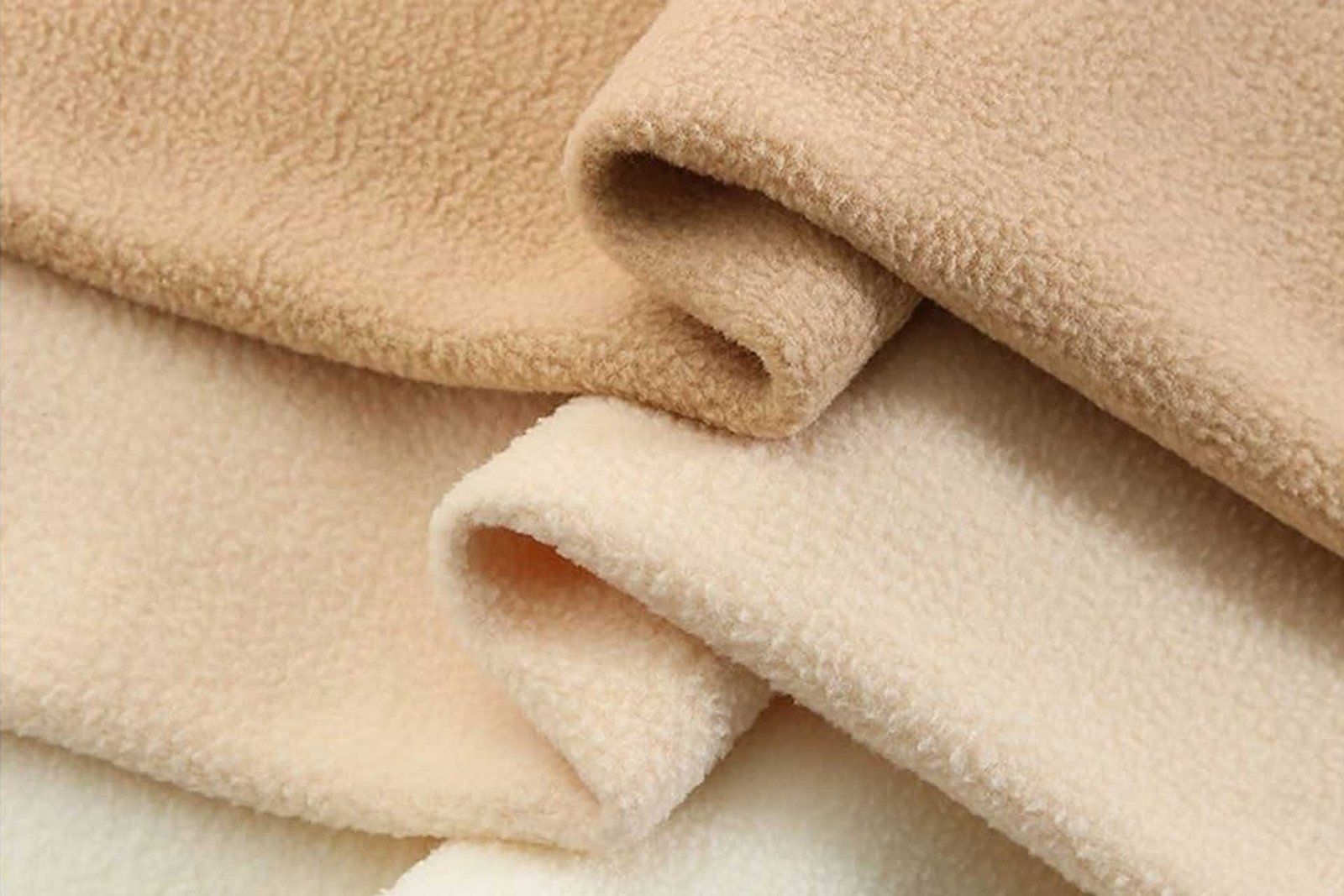
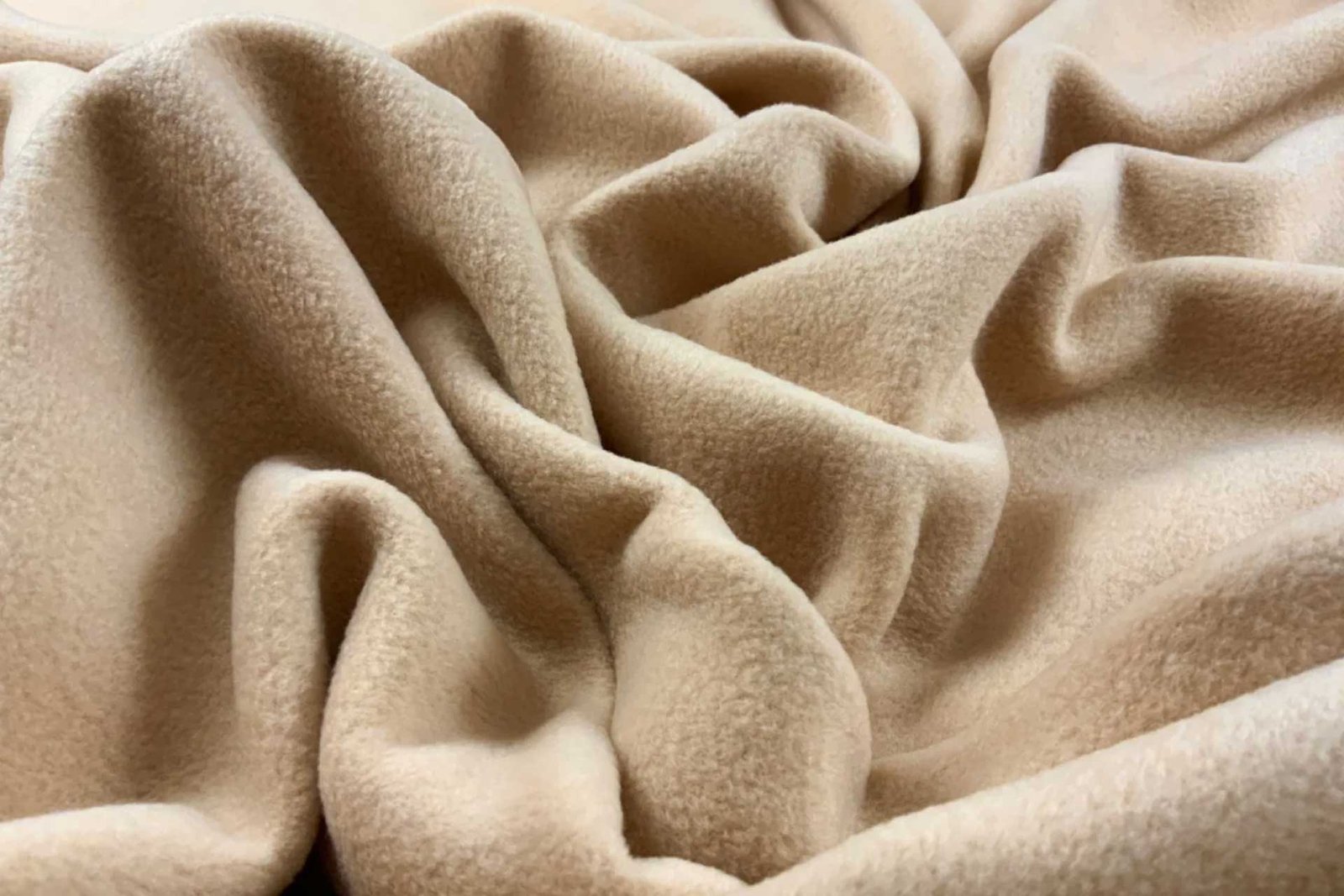
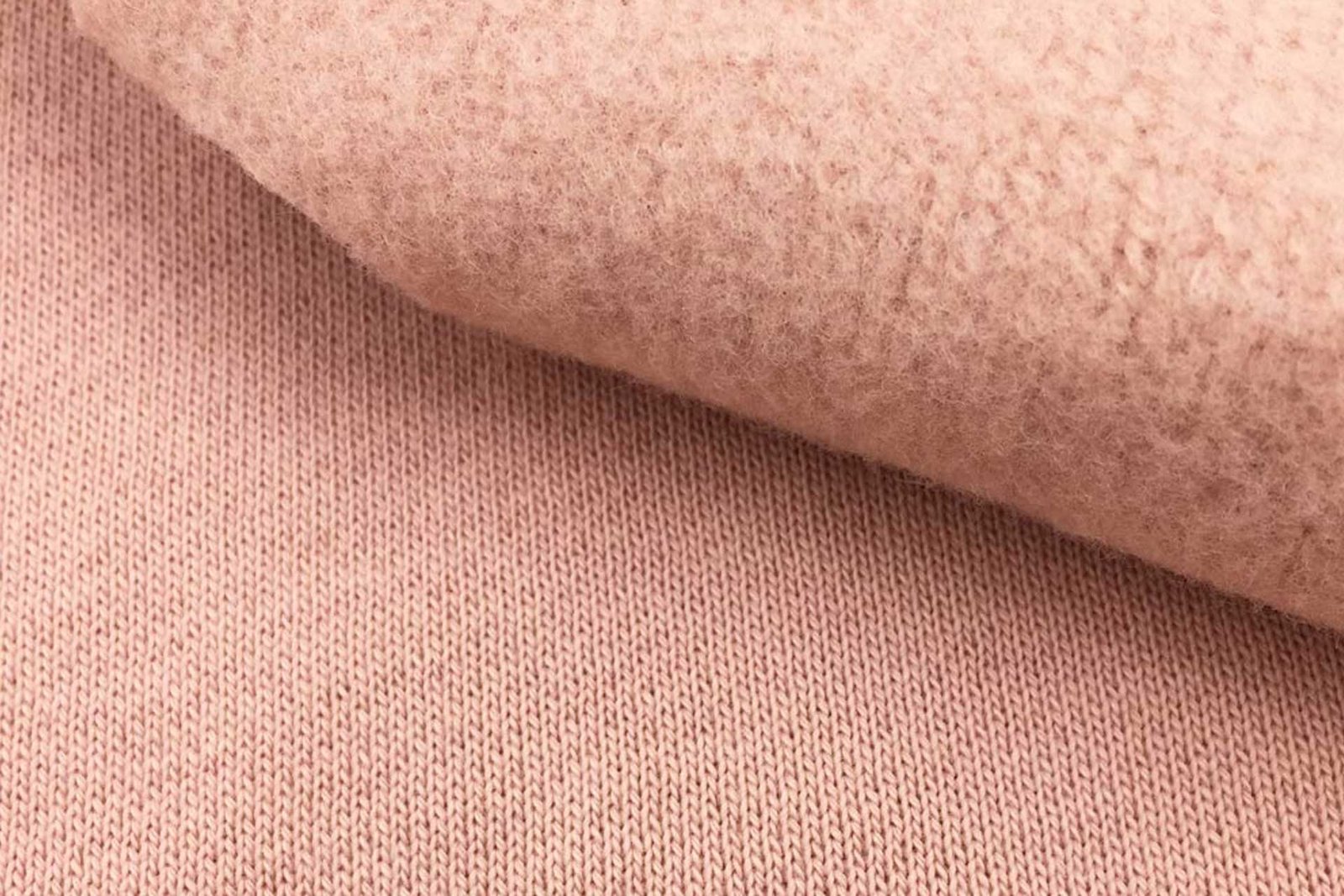
Poly polar fleece is engineered to be a 'heat trap.' During manufacturing, the polyester fibers are knit into a fabric and then brushed with metal brushes. This creates a 'lofty' surface full of millions of tiny air pockets.
-
Trapped Air: These air pockets act as a thermal barrier. Heat struggles to pass through still air, so your body heat stays locked next to your skin.
-
Weight-to-Warmth: Because fleece is mostly air, it provides incredible warmth without the heavy, bulky feel of traditional winter coats.
2. Polyester vs. Wool: The 'Wet' Test
In dry, indoor conditions, wool and polyester are both excellent insulators. However, winter often involves snow, sleet, and sweat. This is where the two fibers diverge:
| Feature | Merino Wool | Polyester Fleece |
| Warmth When Dry | Excellent | Excellent |
| Warmth When Wet | Moderate (Heavier) | Superior (Stays Light) |
| Drying Speed | Slow | Very Fast |
| Wind Resistance | Low | Low (Requires a shell) |
| Moisture Handling | Absorbs up to 30% weight | Repels water (Hydrophobic) |
The Verdict: If you are active—such as skiing or hiking—polyester fleece fabric is often safer. If wool gets soaked, it becomes heavy and takes hours to dry. Polyester repels moisture, meaning it continues to insulate even if you get caught in a flurry.
3. Layering with Polyester for Maximum Warmth
To make the most of polyester in winter, you need to use the 'Three-Layer System':
-
The Base Layer (Moisture Management): A thin, tight-fitting moisture-wicking polyester shirt to pull sweat away from your skin so you don't get a 'chilling' effect.
-
The Mid Layer (The Insulator): This is where poly polar fleece shines. This layer traps the heat.
-
The Outer Layer (The Shield): A polyester canvas or 'hard shell' jacket to block the wind. (Fleece is breathable, which means wind can blow right through it; you need this shell to 'seal' the warmth in).

the 3-layer winter clothing system featuring fleece
4. Is All Polyester Warm?
Not all polyester is meant for winter. A smooth, thin polyester satin blouse will feel cold against the skin because it has no 'loft' to trap air. When shopping for winter, look for terms like:
-
Brushed Back: A fuzzy interior.
-
High-Pile: Longer 'fur-like' fibers (often called Sherpa).
-
Thermal Knit: A honeycomb or waffle texture designed to increase air pockets.
5. Eco-Friendly Warmth: Recycled Fleece
In 2026, the best winter gear is often the most sustainable. Many high-end outdoor brands now use 100% recycled polyester (rPET) for their fleece. It takes about 25-30 plastic bottles to make one high-quality fleece jacket, providing the same warmth as virgin polyester while reducing landfill waste.
🛍️ Gear Up for the Cold
Stay warm, dry, and light with our winter-ready synthetics.