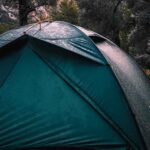
The Direct Answer: For a high-performance tent, the 'best' fabric depends on your priority: breathability vs. total impermeability. If you want a traditional, comfortable camping experience without condensation, Polycotton Canvas with a DWR (Durable Water Repellent) finish is the winner. However, for permanent outdoor structures or ground covers that must never leak under pressure, PVC-Backed Polyester or heavy PU-coated Duck Canvas is the only way to ensure 100% waterproof protection.
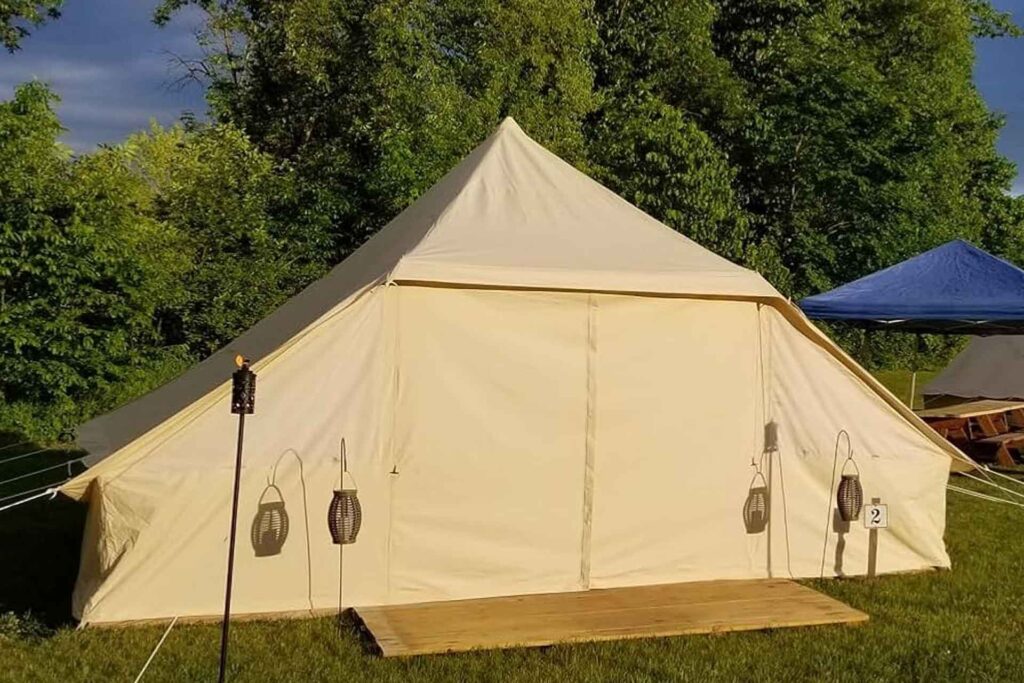
waterproof tent canvas
1. The Confusion: Water-Resistant vs Waterproof
The terms are often used interchangeably, but in the field, the difference is the 'soak-through' point.
-
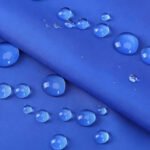
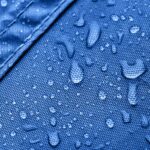
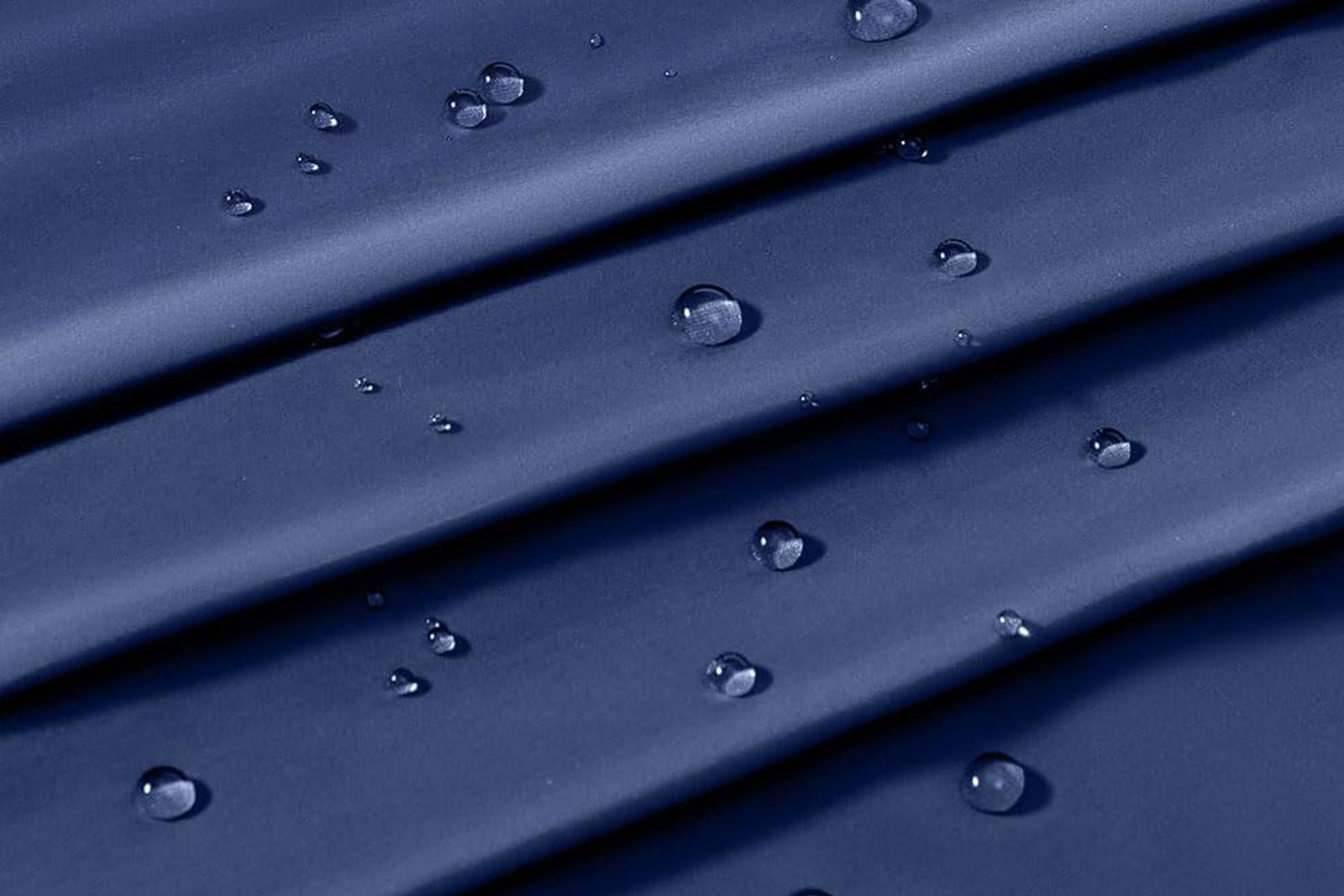
Water-Resistant (DWR): Water 'beads up' and rolls off the surface. It handles light rain beautifully, but under heavy pressure or prolonged storms, the water will eventually push through the fibers.
-
Waterproof: The fabric has a physical barrier (like a coating or laminate) that makes it impermeable. You could have a pool of water sitting on it for days, and the underside would remain bone dry.
The Trade-off: The more 'waterproof' a fabric is, the less it 'breathes.' A 100% waterproof tent with no ventilation will result in a 'rainstorm' of condensation inside caused by your own breath.
2. Top Materials for Tents and Outdoor Gear
To add incremental value to your search, we’ve categorized the most reliable outdoor canvas fabric waterproof options by their technical construction:
| Fabric Type | Technology | Best For | Pros/Cons |
| PU-Coated Canvas | Polyurethane layer | Tent walls, Gear bags | Lightweight & flexible; coating can peel after years of UV exposure. |
| PVC-Backed Duck | Solid Vinyl backing | Groundsheets, Trailer covers | 100% Waterproof; Very heavy and zero breathability. |
| Polycotton (Canvas) | Cotton/Poly Blend | Glamping tents, Tipis | Excellent 'climate control'; Requires 'seasoning' to become waterproof. |
| Waxed Canvas | Paraffin/Beeswax | Vintage gear, Pouches | Unique patina & naturally water-resistant; Needs frequent re-waxing. |
3. The 'Hydrostatic Head' (HH) Rating: What to Look For
When buying waterproof tent canvas, look for the HH rating in the specs. This measures how much water pressure the fabric can withstand before it leaks.
-
1,000mm to 1,500mm: Suitable for summer camping (light rain).
-
2,000mm to 3,000mm: Standard for 3-season tents (handles heavy rain).
-
5,000mm+: Expedition grade or groundsheet quality (handles extreme pressure/puddles).
4. The 'Seasoning' Secret (For Cotton Canvas Lovers)
If you are working with traditional tent and canvas materials (like 100% cotton duck), you must 'season' your tent before your first trip.
-
Set the tent up in the backyard.
-
Soak it completely with a garden hose.
-
Let it dry in the sun.
Why? The water causes the cotton fibers to swell and the needle holes from sewing to 'seal' themselves. Repeating this 2–3 times creates a naturally water-tight barrier that remains breathable.
5. Pro-Tips for DIY Tent Makers
-
Seam Sealing is Non-Negotiable: No matter how waterproof your fabric is, water will leak through the needle holes. Use a dedicated seam sealer (silicone or urethane-based) after finishing your project.
-
Avoid 'Puddling': When designing outdoor gear, ensure the fabric is taut. Even the best waterproof canvas will eventually fail if water is allowed to 'pool' in a sagging section for 24 hours.
Summary: If you want a tent that 'breathes' for a comfortable night's sleep, go with a high-quality treated Polycotton. If you are building a cover for a woodpile or a heavy-duty equipment bag, choose PVC-backed canvas.