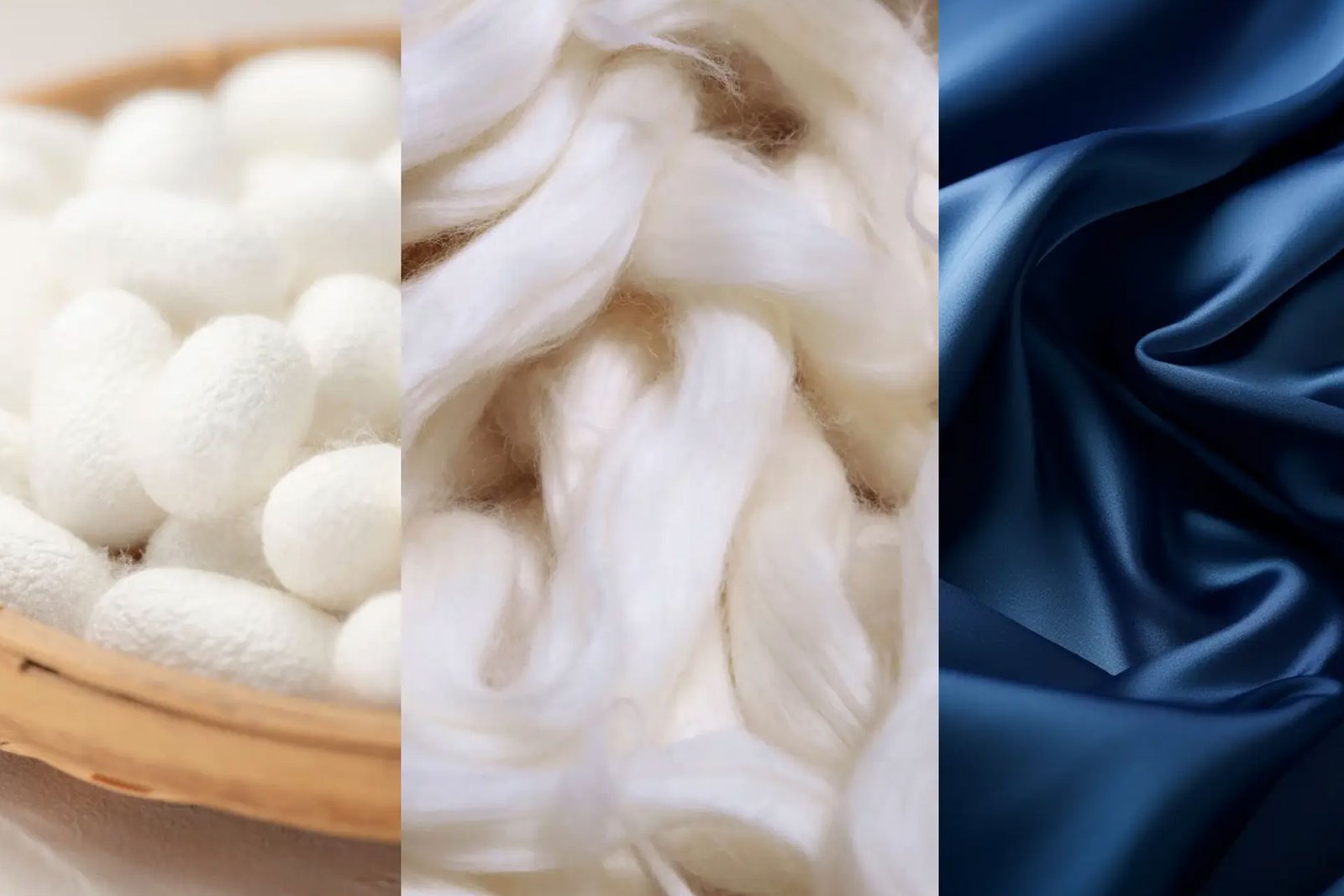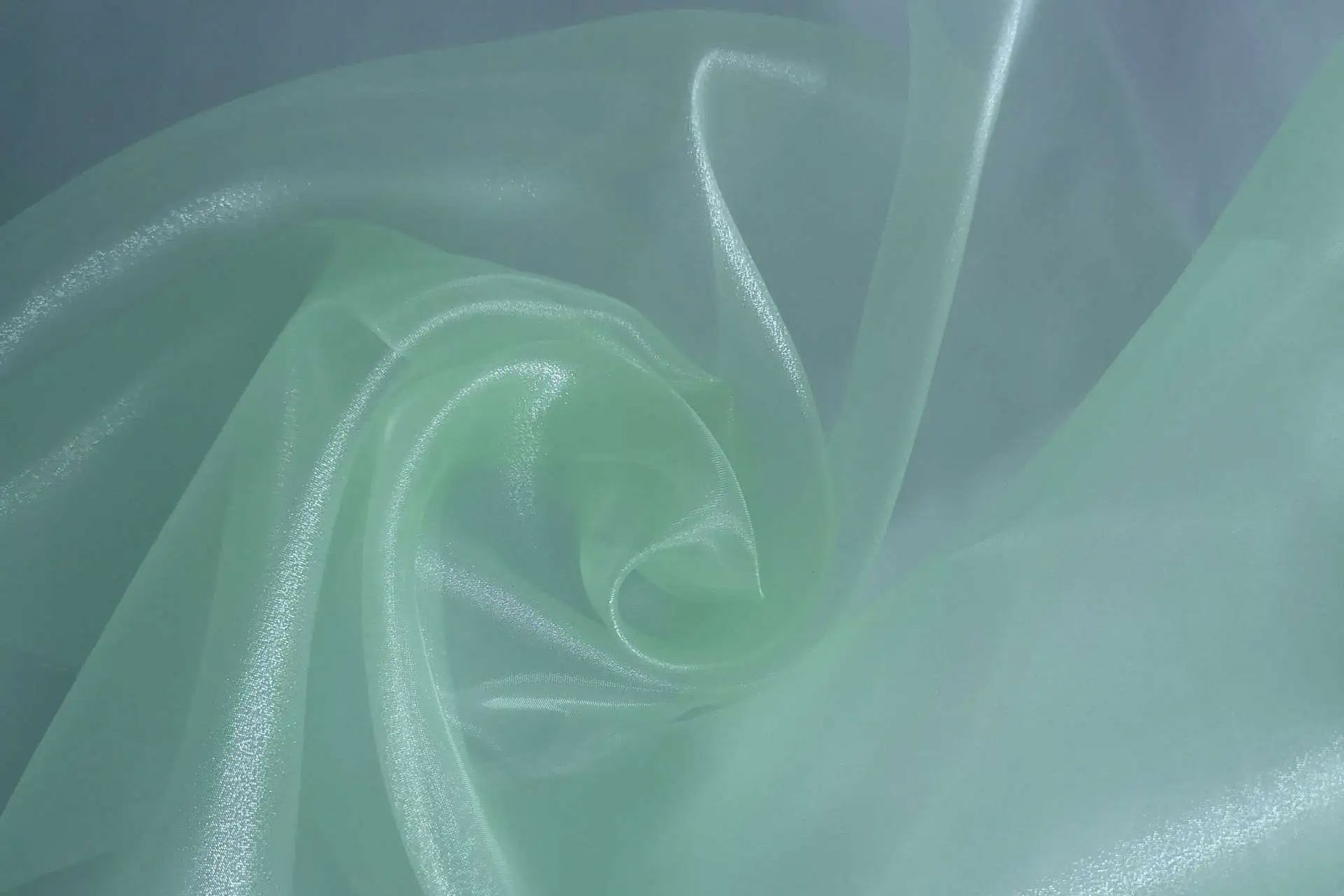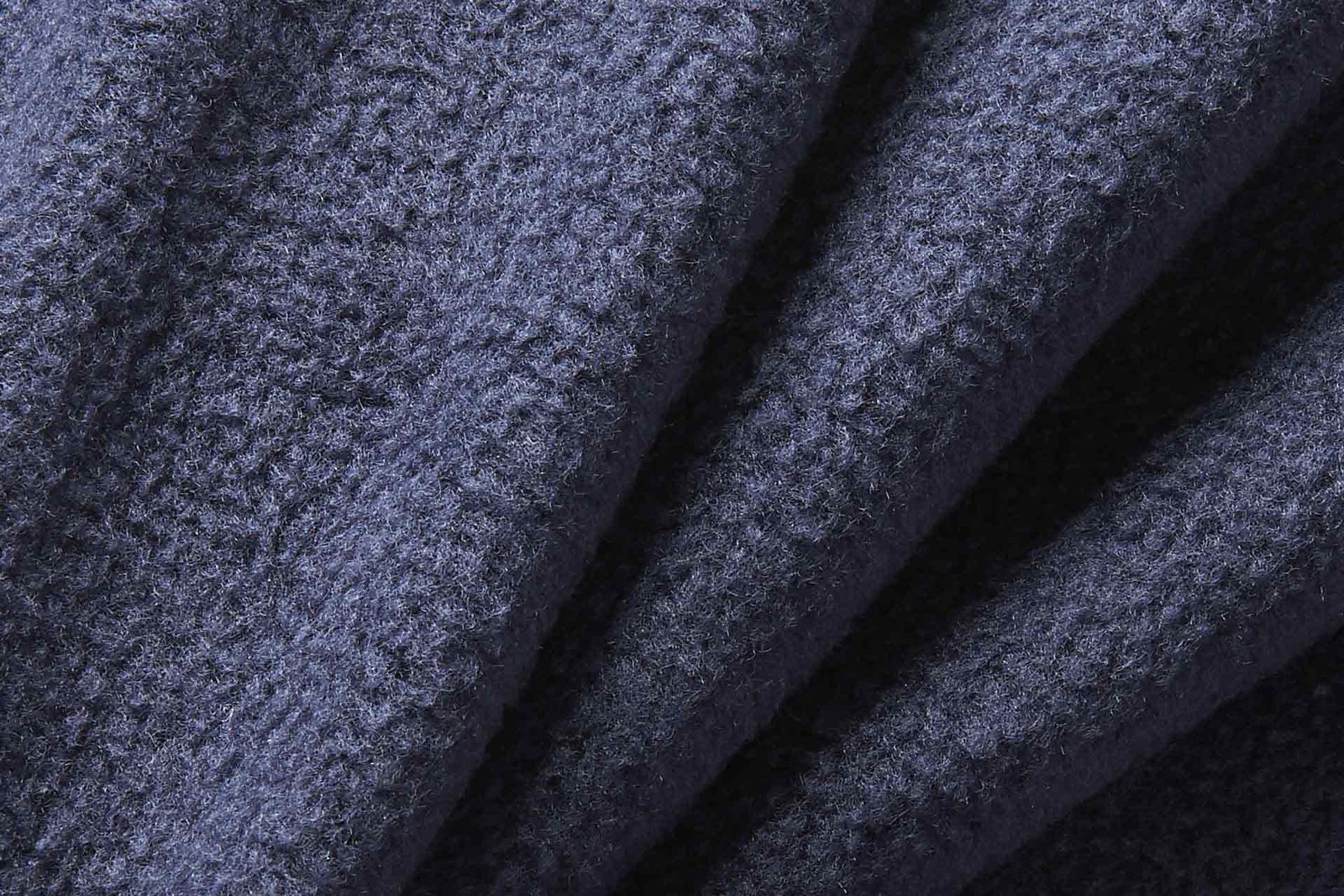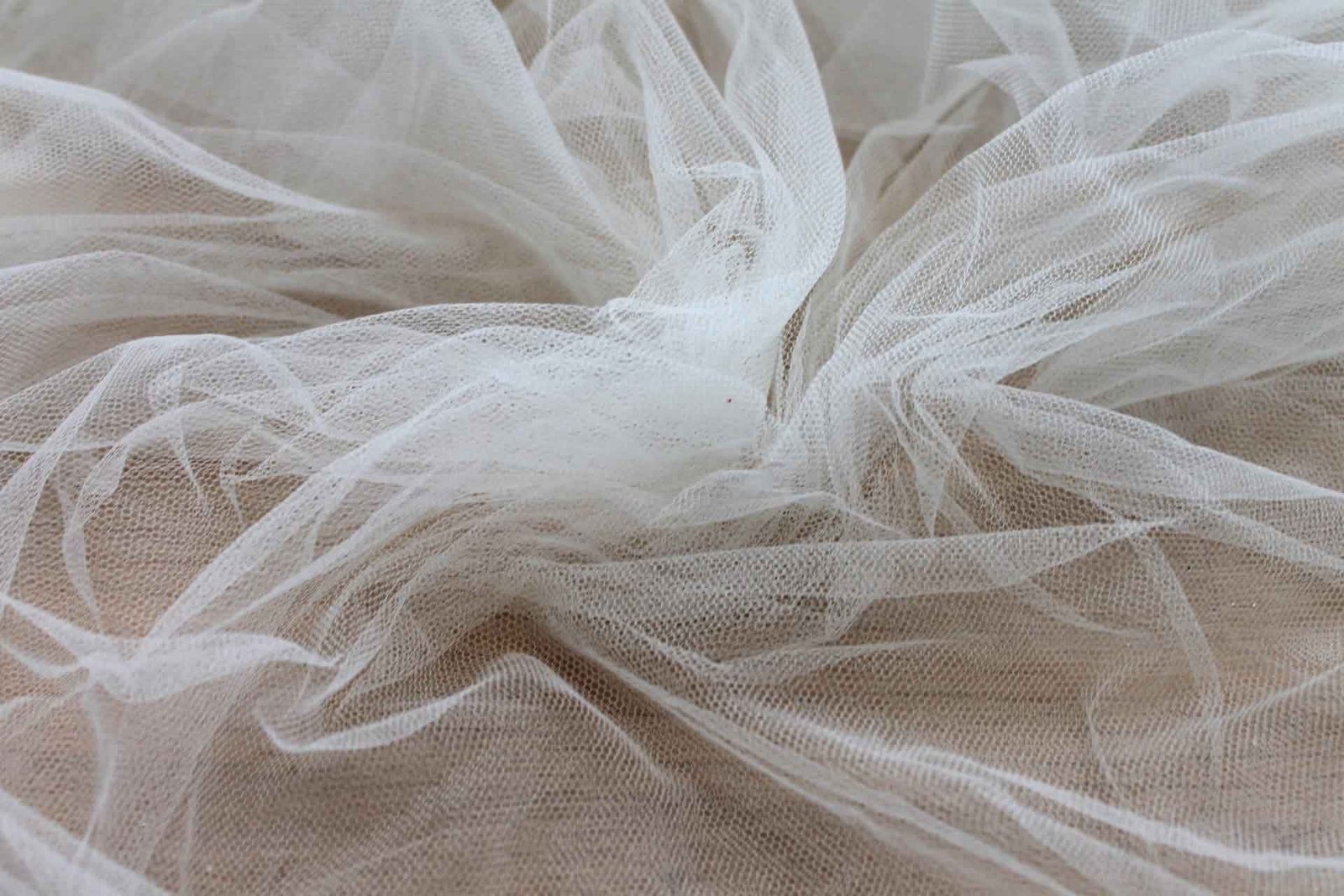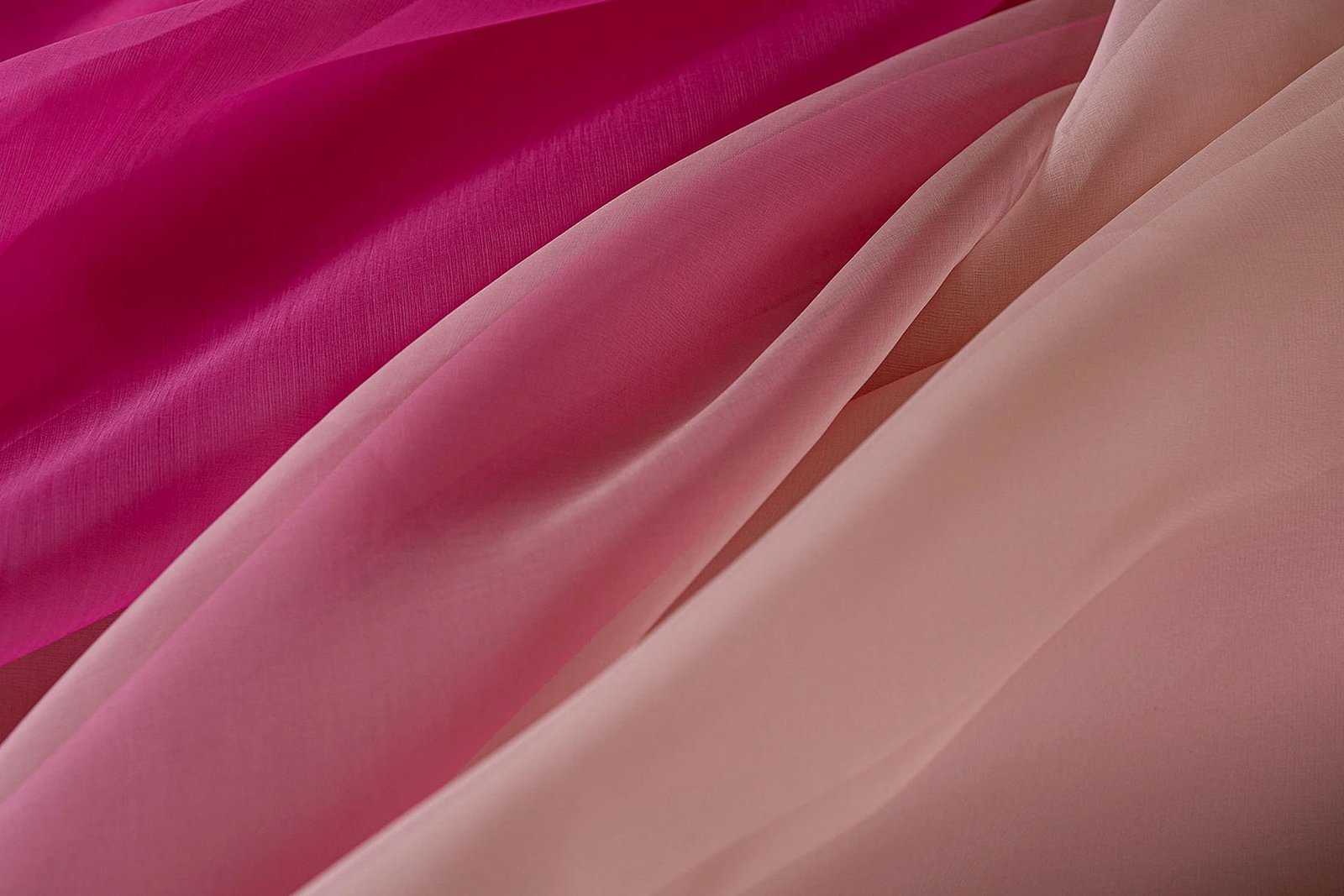
Silk satin fabric is one of the most luxurious textiles in the world. Known for its smooth surface, elegant sheen, and soft drape, silk satin has been used for centuries in high-end fashion, bedding, and decorative textiles. Whether you are a designer, clothing brand, textile importer, or fabric wholesaler, understanding silk satin helps you choose the right material for your projects.
In this guide, we will cover everything you need to know about silk satin fabric, including its characteristics, types, uses, advantages, and how to select high-quality material.
What Is Silk Satin Fabric?
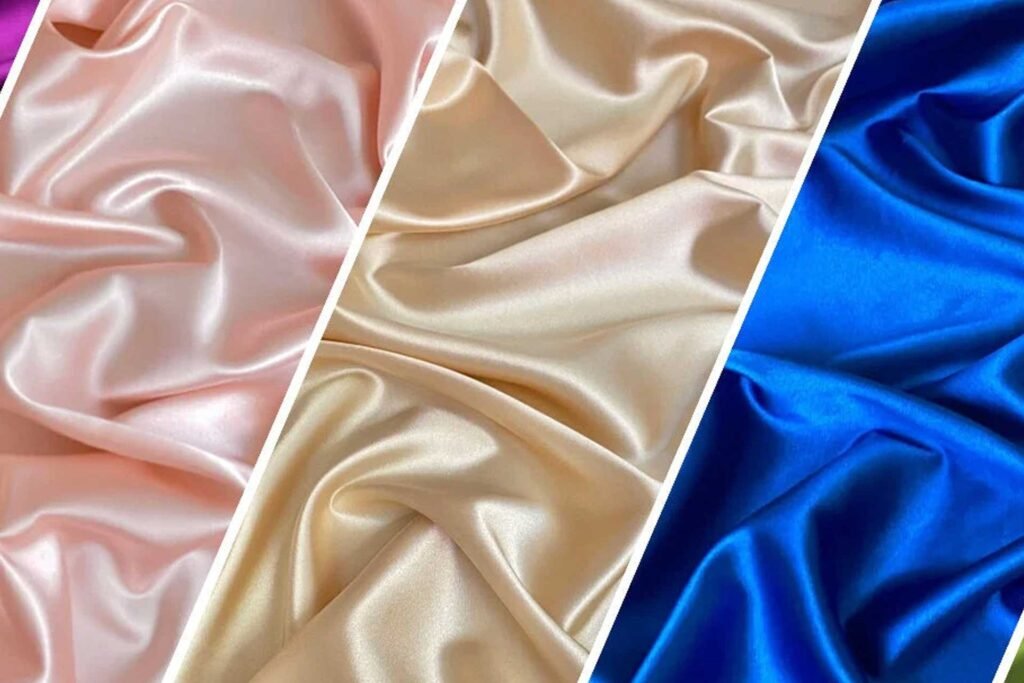
silk satin fabric
Silk satin fabric is a type of satin weave textile made from silk fibers. The satin weave structure allows threads to float over several yarns before interlacing, creating a smooth, glossy front surface and a dull back side.
Because silk is a natural protein fiber, silk satin combines the luxurious shine of satin with the softness and breathability of silk, making it one of the most premium fabrics available.
Key characteristics of silk satin include:
-
Smooth, glossy surface
-
Soft and fluid drape
-
Lightweight yet strong
-
Naturally breathable
-
Skin-friendly and comfortable
Unlike synthetic satin fabrics (such as polyester satin), silk satin offers better temperature regulation, natural softness, and higher perceived value.
Silk vs Satin: What’s the Difference?
Many people confuse silk and satin, but they are not the same thing.
| Term | Meaning |
|---|---|
| Silk | A natural fiber produced by silkworms |
| Satin | A weaving technique that creates a glossy surface |
This means satin can be made from different fibers:
-
Silk satin
-
Polyester satin
-
Nylon satin
-
Rayon satin
When people say silk satin, they are referring to satin fabric woven using silk fibers, which is considered the most luxurious version.
Understanding the difference between silk & satin is important when sourcing fabrics, especially for premium garments or bedding.
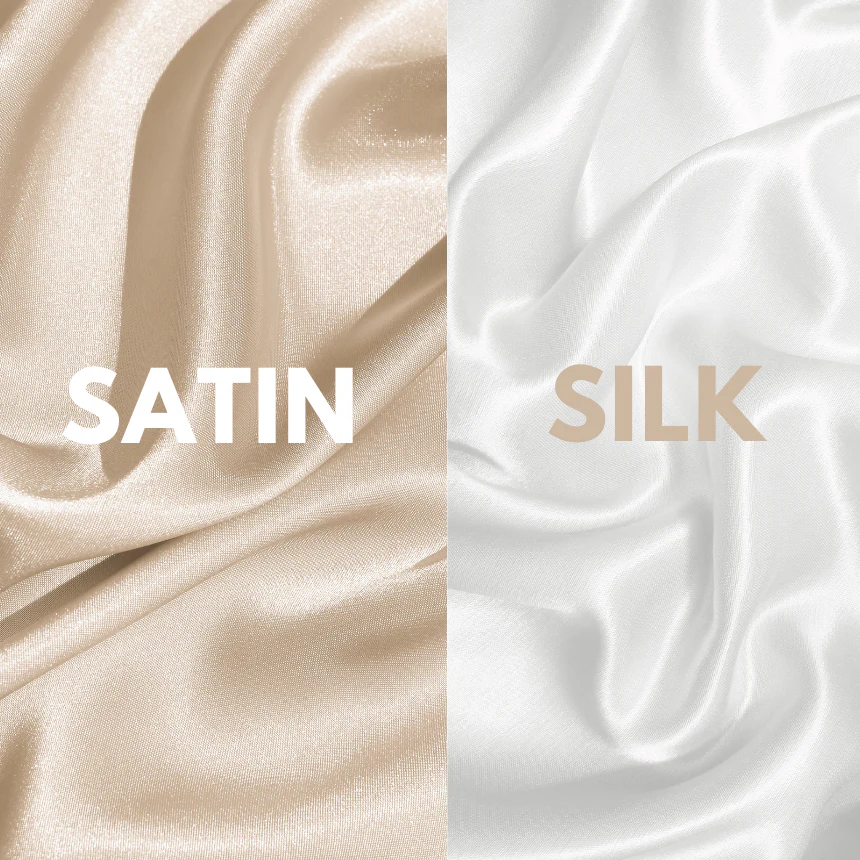
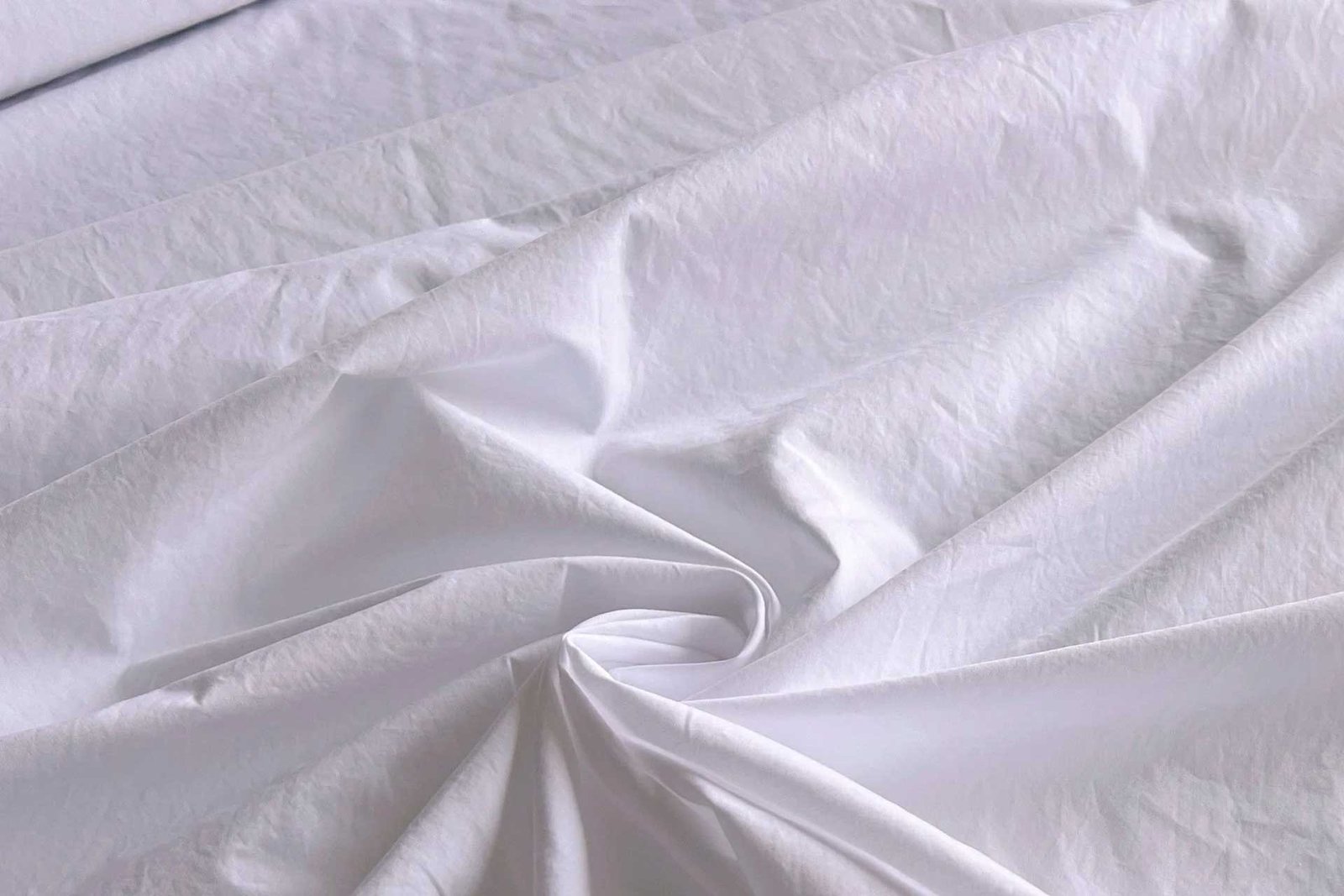
silk & satin
Key Characteristics of Silk Satin
1. Luxurious Shine
The satin weave reflects light evenly, giving silk satin its signature soft, elegant luster. This makes it ideal for evening wear, bridal dresses, and luxury fashion.
2. Soft and Smooth Texture
Silk fibers are naturally smooth, and the satin weave enhances that quality. The result is a silky surface that feels gentle against the skin.
3. Excellent Drapability
Silk satin flows beautifully, making it perfect for garments that require graceful movement and elegant silhouettes.
4. Breathable and Comfortable
Unlike many synthetic fabrics, silk satin is naturally breathable, helping regulate body temperature and maintain comfort.
5. High-End Appearance
Because of its sheen and softness, silk satin is widely associated with luxury fashion and premium textiles.
Common Types of Silk Satin Fabric
There are several varieties of silk satin, each with slightly different textures and applications.
1. Silk Charmeuse Satin
Silk charmeuse is one of the most common silk satin fabrics. It is lightweight, fluid, and extremely smooth.
Typical uses include:
-
Lingerie
-
Blouses
-
Dresses
-
Scarves
It provides excellent drape and a soft shine.
2. Silk Duchess Satin
Silk duchess satin is heavier and more structured than charmeuse satin. It has a firm body and a rich, elegant shine.
Common applications include:
-
Bridal gowns
-
Wedding dresses
-
Formal evening wear
-
Luxury couture garments
Designers often choose silk duchess satin when they need structure and elegance at the same time.
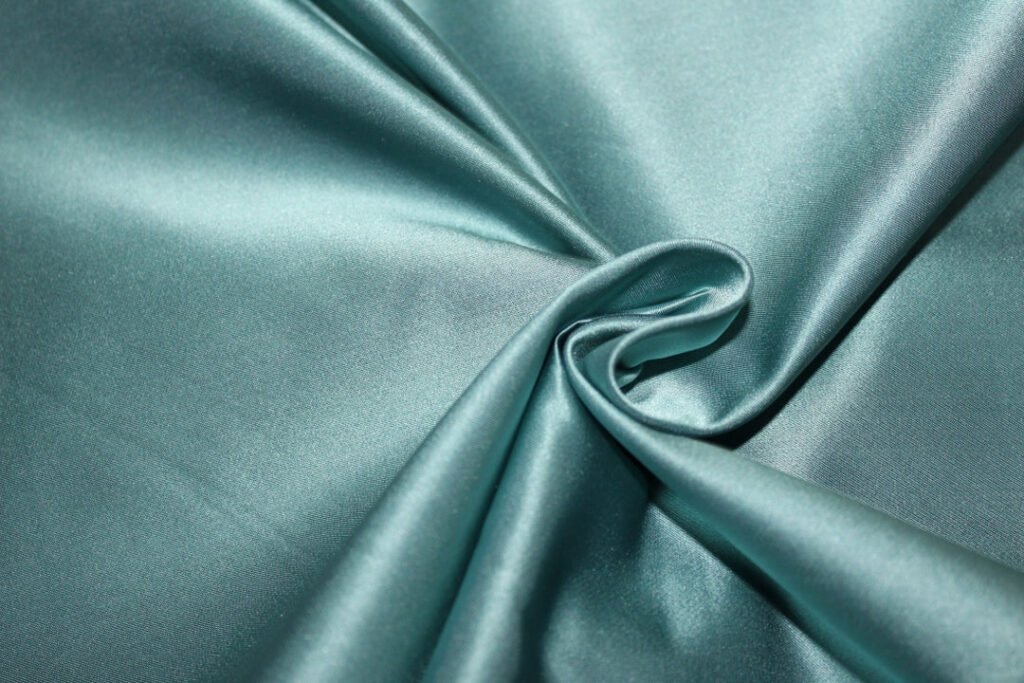
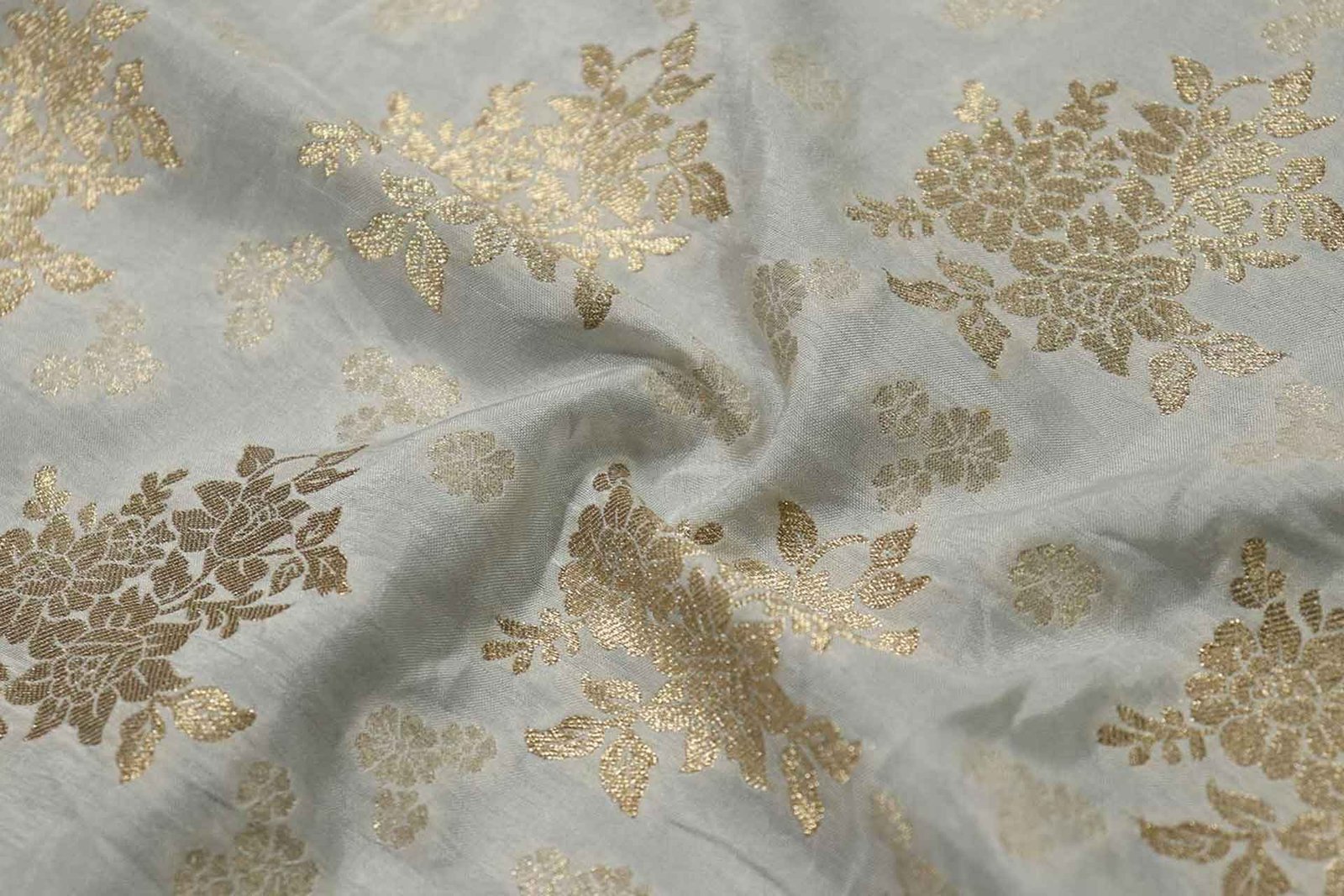
silk duchess satin
3. Silk Crepe-Back Satin
This type features:
-
A shiny satin front
-
A matte crepe back
It is popular for dresses, gowns, and reversible garments.
Common Uses of Silk Satin Fabric
Because of its beauty and comfort, silk satin is used across many industries.
Fashion and Apparel
Silk satin is widely used in high-end fashion for:
-
Evening gowns
-
Cocktail dresses
-
Blouses
-
Luxury pajamas
-
Lingerie
The fabric drapes elegantly and enhances garment movement.
Bridal Wear
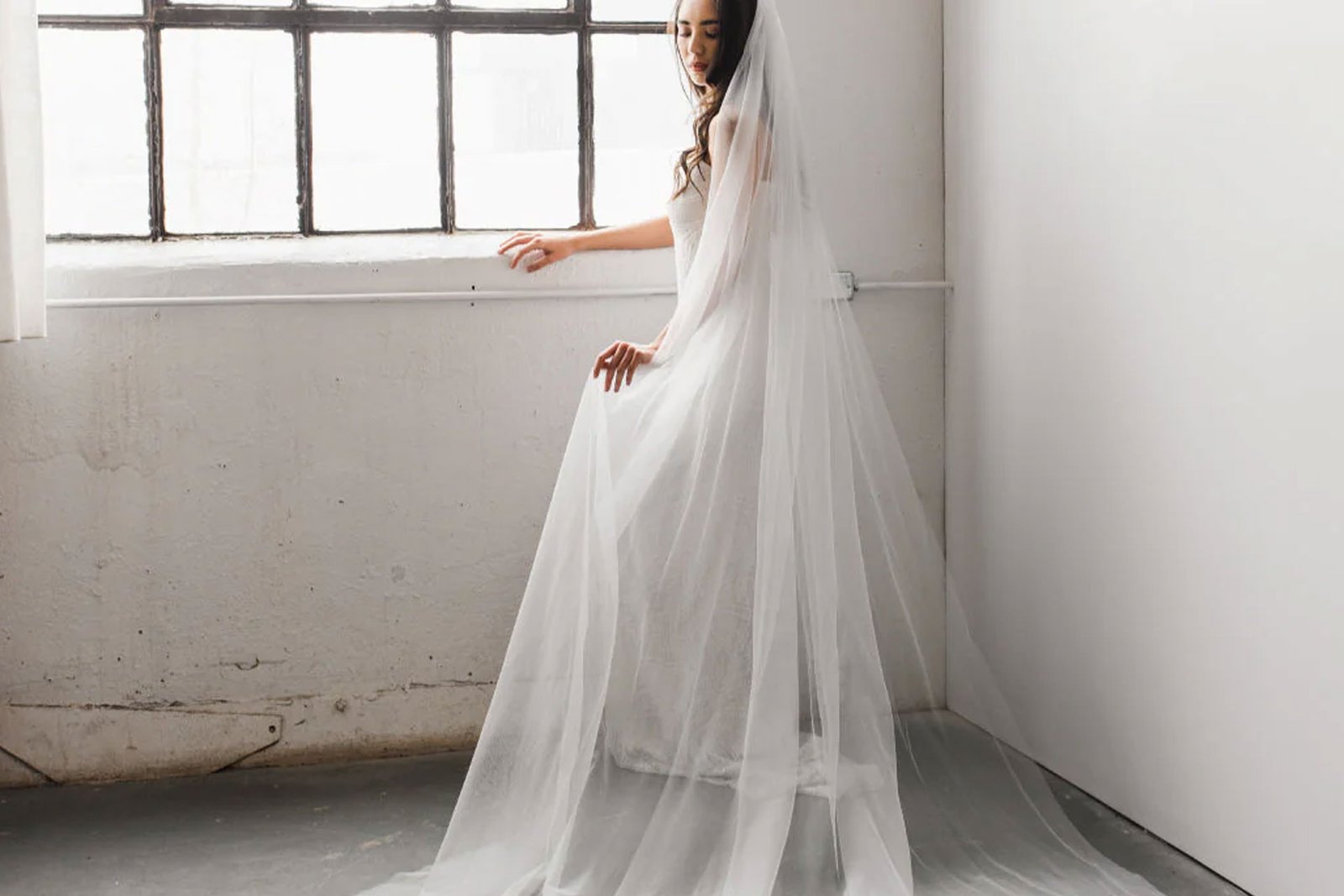
Many wedding gowns use silk duchess satin because it provides structure while maintaining a luxurious appearance.
Designers favor it for:
-
Wedding dresses
-
Bridal skirts
-
Formal gowns
Luxury Bedding
Silk satin is also used in premium bedding products, including:
-
Pillowcases
-
Bed sheets
-
Sleep masks
These products are valued for their smooth surface and skin-friendly properties.
Accessories
Silk satin works well for accessories such as:
-
Scarves
-
Hair ribbons
-
Ties
-
Decorative fabrics
Its shine and softness add elegance to small items.
Advantages of Silk Satin
Premium Appearance
Silk satin has a natural glow that synthetic fabrics often cannot replicate.
Comfortable on Skin
Because silk is a natural fiber, it is hypoallergenic and gentle, making it ideal for clothing and bedding.
Breathable Fabric
Silk satin allows air circulation and helps maintain comfortable body temperature.
Durable When Properly Maintained
Despite its delicate feel, high-quality silk satin can be quite durable when cared for correctly.
How to Identify High-Quality Silk Satin Fabric
When sourcing silk satin fabric for manufacturing or resale, consider these factors:
Fiber Content
Look for 100% silk composition to ensure authentic silk satin.
Fabric Weight
Different weights serve different purposes:
-
Lightweight: lingerie and blouses
-
Medium weight: dresses
-
Heavyweight: bridal gowns and couture garments
Surface Finish
High-quality silk satin should have:
-
Even sheen
-
Smooth surface
-
Minimal weaving defects
Dye Quality
Premium silk satin should have rich, consistent color without patchiness.
Tips for Sewing Silk Satin
Working with silk satin requires some care.
Useful tips include:
-
Use sharp needles to prevent snags
-
Choose fine silk pins
-
Cut fabric carefully to avoid slipping
-
Use French seams for clean finishes
These techniques help maintain the elegance of the fabric.
How to Care for Silk Satin
Proper care helps maintain the beauty of silk satin.
Recommended practices:
-
Hand wash with mild detergent
-
Use cold water
-
Avoid strong wringing
-
Air dry away from direct sunlight
-
Iron on low heat if needed
Some high-end garments may require professional dry cleaning.
How to Choose the Right Silk Satin Fabric
When selecting silk satin for a project, consider:
-
Purpose – garment, bedding, or accessories
-
Weight – light, medium, or heavy
-
Finish – glossy or matte variations
-
Color options
-
Supplier reliability
For fashion brands and textile importers, working with a professional fabric exporter ensures stable quality and consistent supply.
Silk Satin Fabric for Global Textile Buyers
For clothing brands, designers, and textile distributors, silk satin remains a high-demand fabric in the international market due to its luxurious appearance and versatility.
A reliable supplier should offer:
-
Multiple silk satin varieties
-
Custom colors and finishes
-
Consistent quality control
-
Competitive export pricing
-
Stable production capacity
Conclusion
Silk satin fabric is a timeless textile known for its luxury, elegance, and exceptional softness. Combining the natural beauty of silk with the glossy finish of satin weave, it remains a preferred material for fashion designers, bridal wear, luxury bedding, and accessories.
Understanding the differences between silk satin, silk & satin fabrics, and specialized types such as silk duchess satin helps buyers choose the right material for their products.
For businesses in the fashion or textile industry, sourcing high-quality silk satin from a trusted supplier is essential for maintaining product quality and brand reputation.
Looking for a Reliable Silk Satin Fabric Supplier?
If you are sourcing silk satin fabric for clothing production, fashion brands, or textile distribution, we can help.
Our company specializes in exporting high-quality fabrics to international markets, offering stable supply, competitive pricing, and consistent quality control.
Feel free to contact us today to learn more about our silk satin fabric options or request samples for your next project.