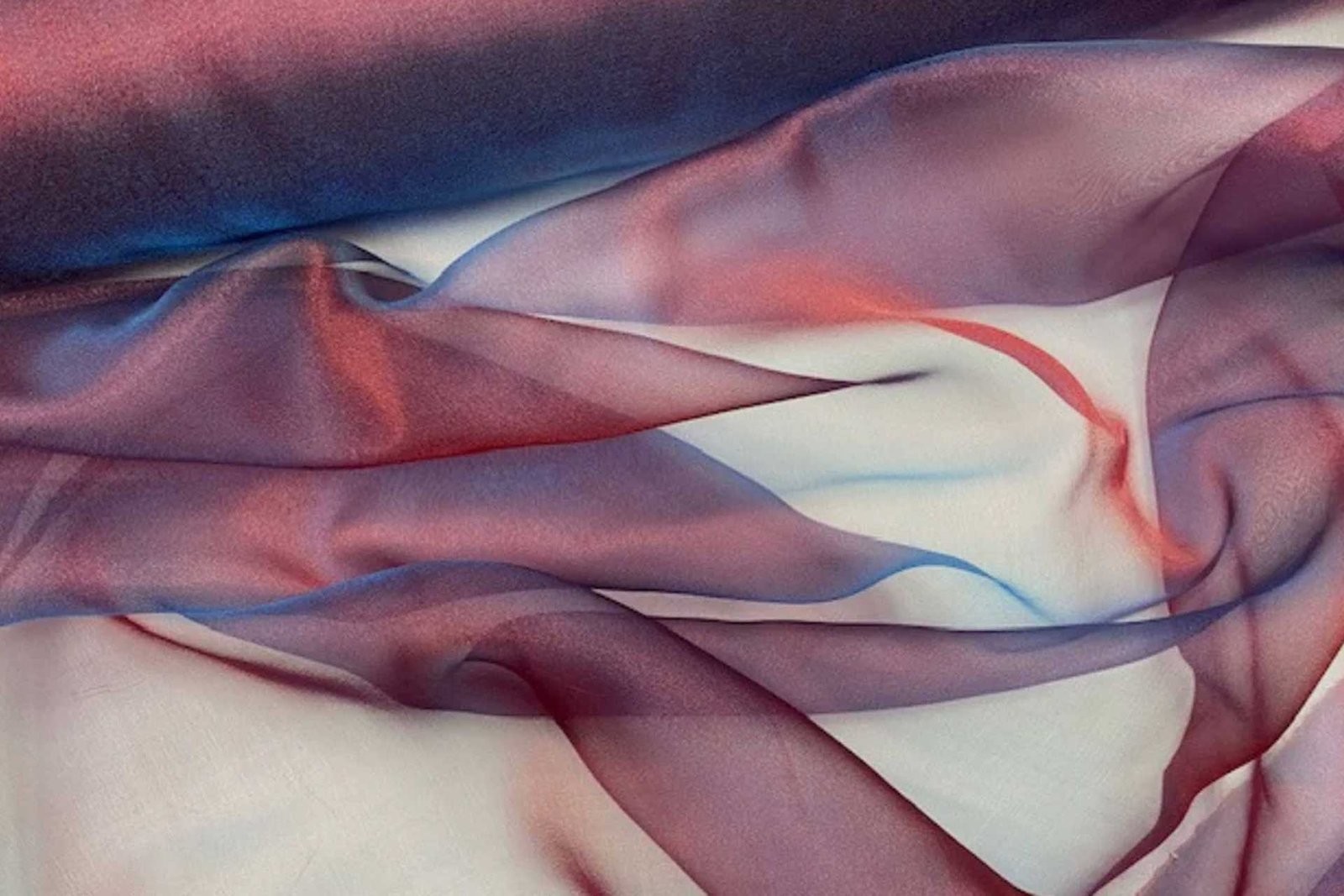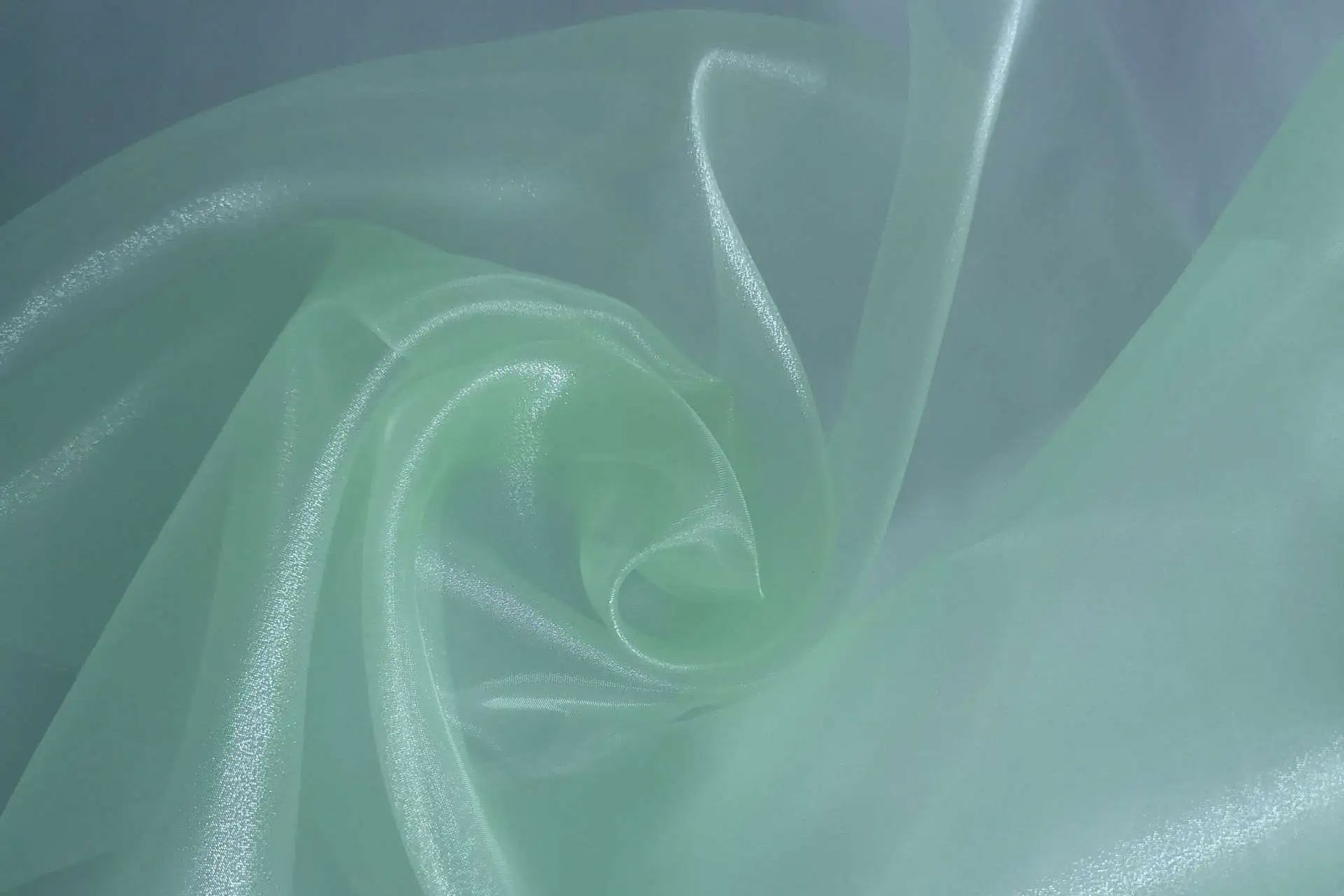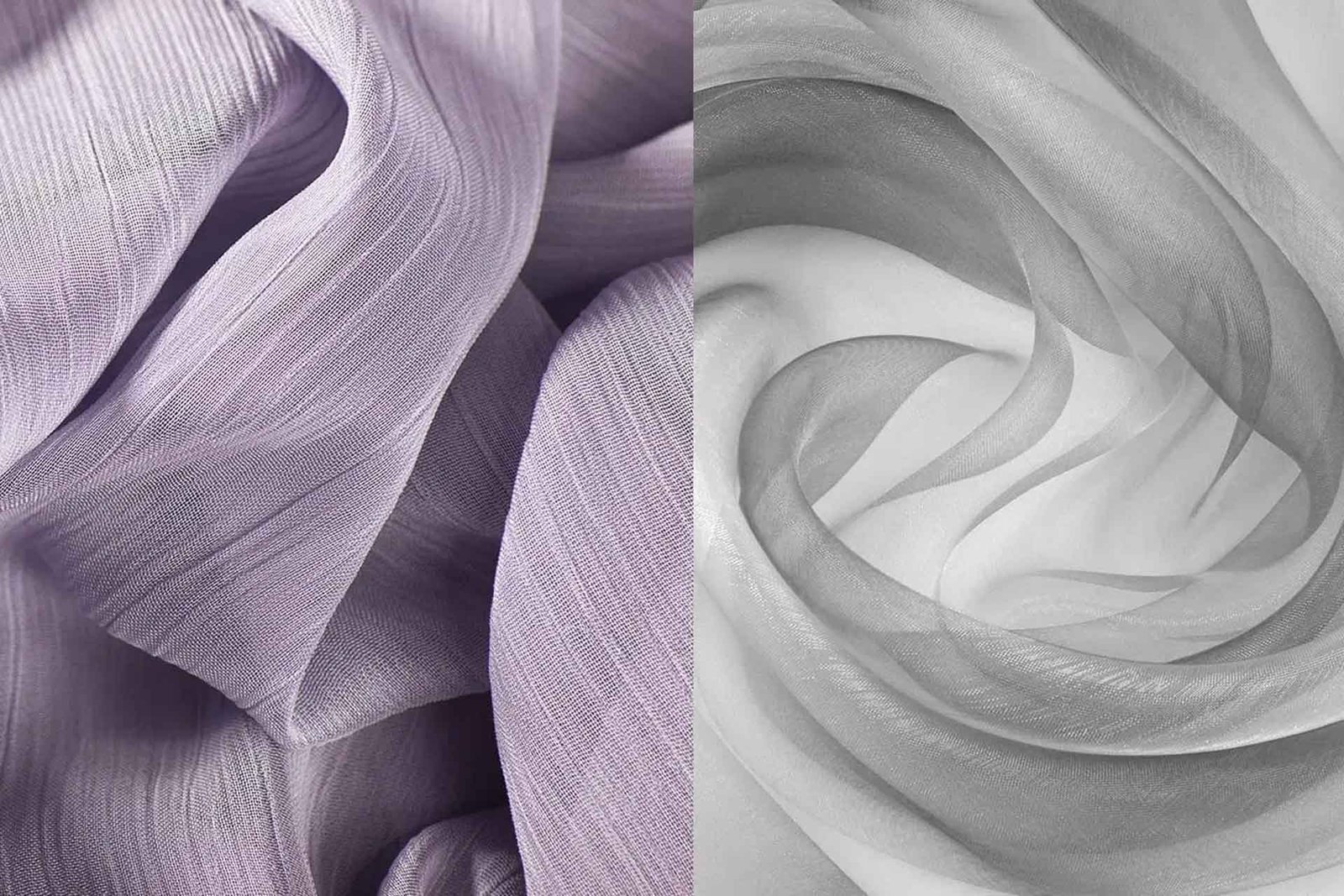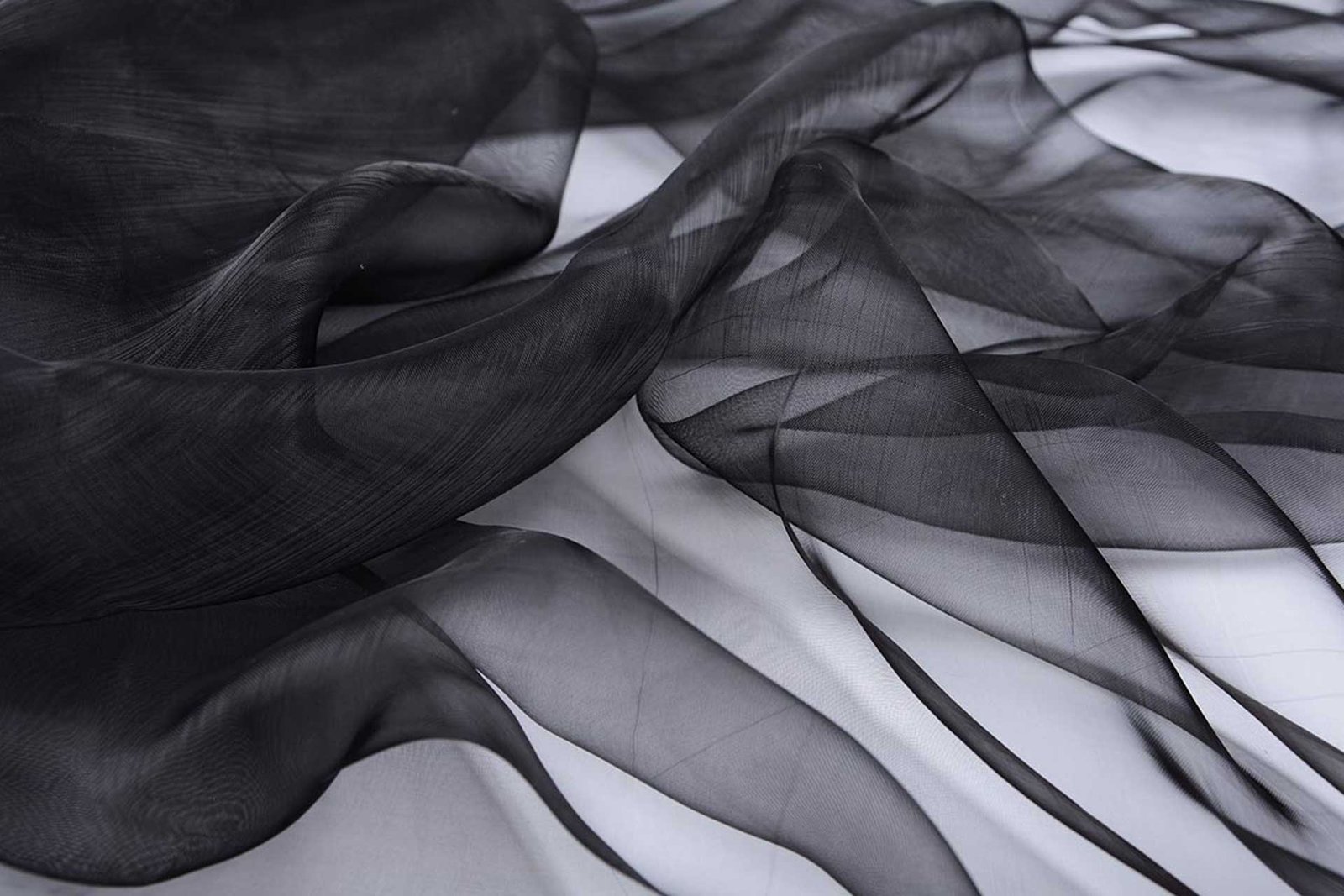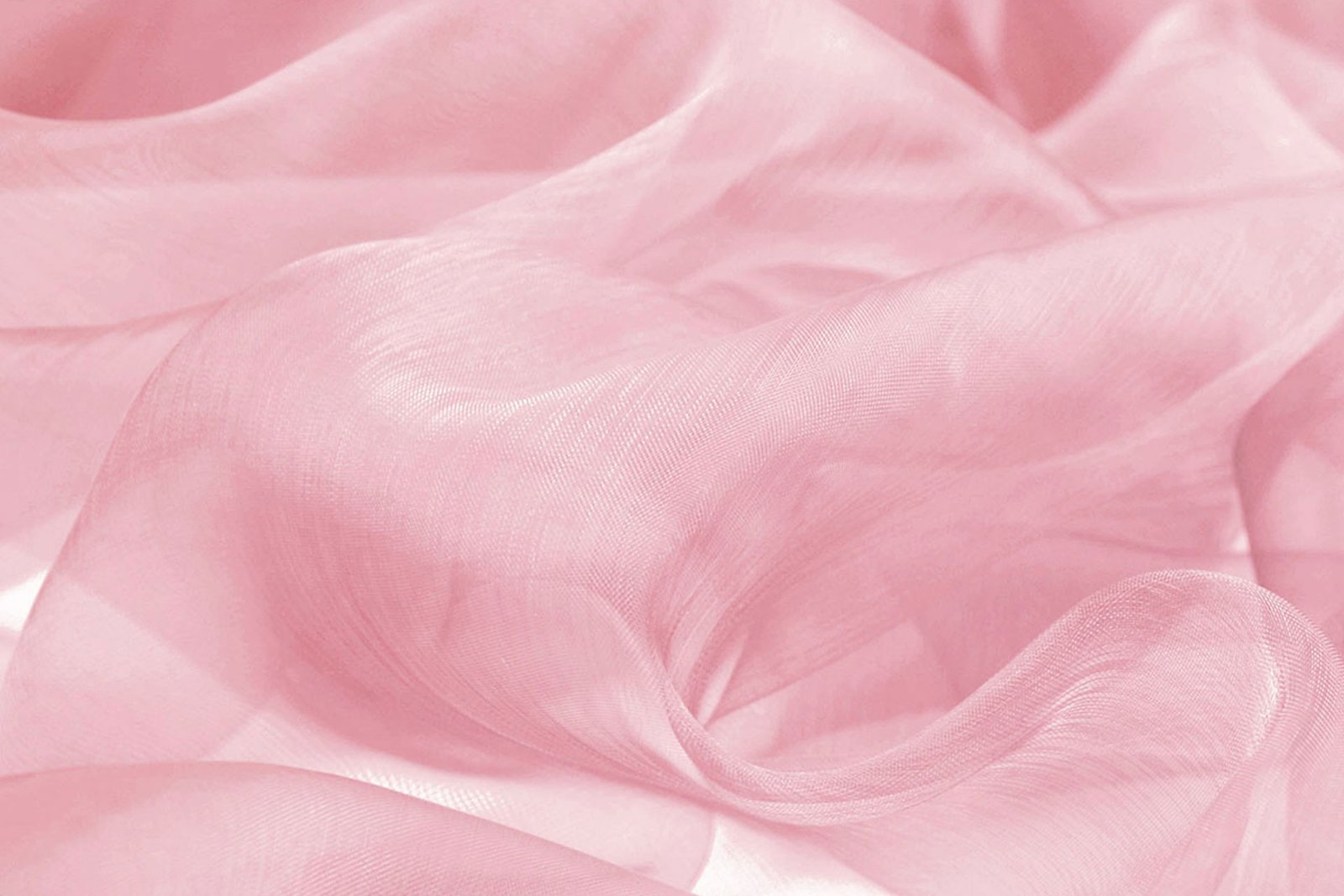
When it comes to bridal fashion, organza wedding dress fabric is one of the most elegant and timeless choices. Known for its sheer appearance, crisp texture, and lightweight structure, organza is widely used in bridal gowns to create volume, layers, and romantic silhouettes.
If you are planning a wedding dress or researching wedding dress organza fabric, this guide explains everything you need to know—from its characteristics and types to design ideas and care tips.
What Is Organza Fabric?
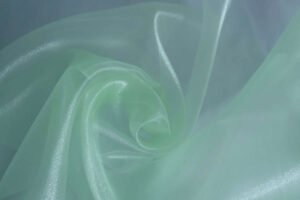
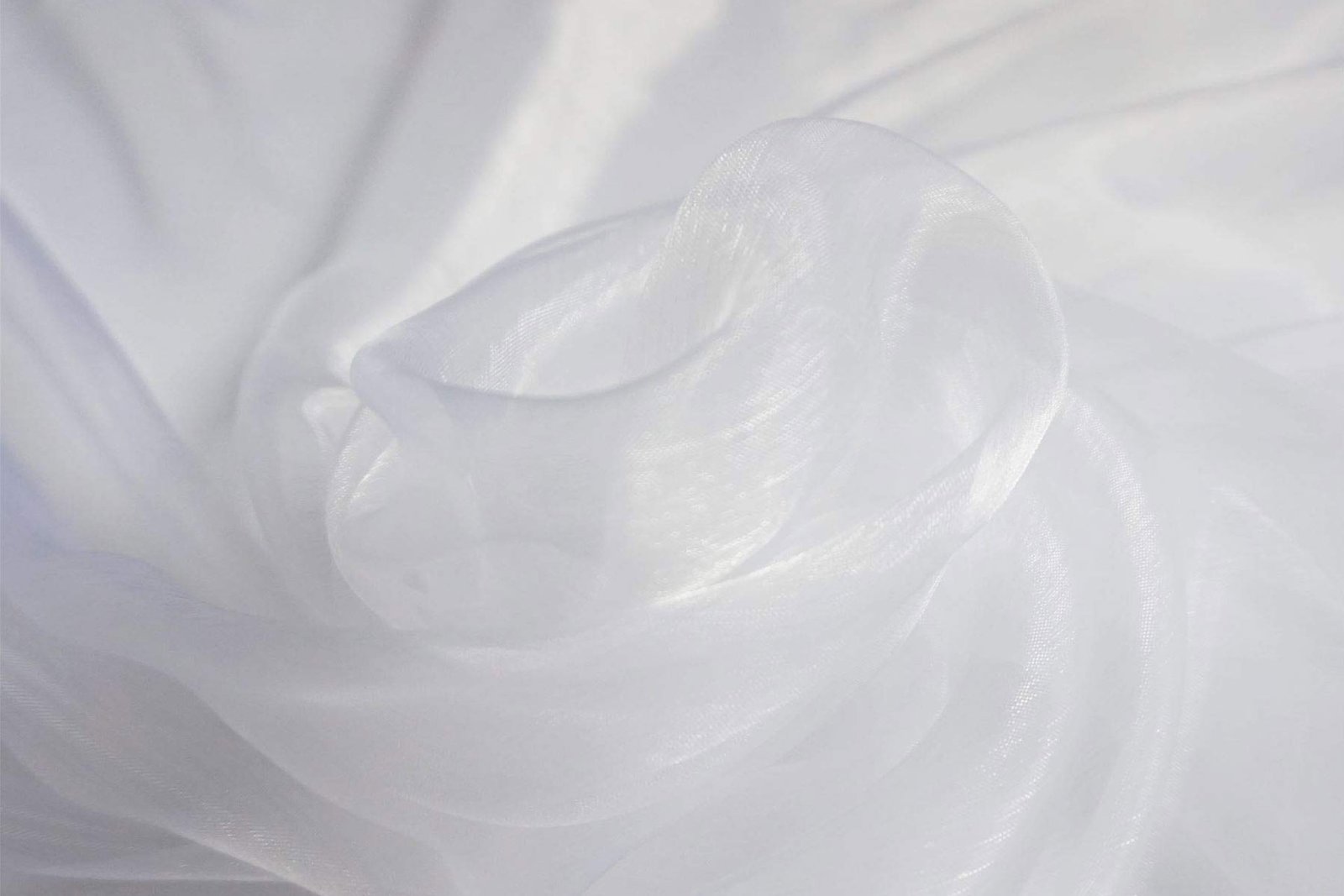
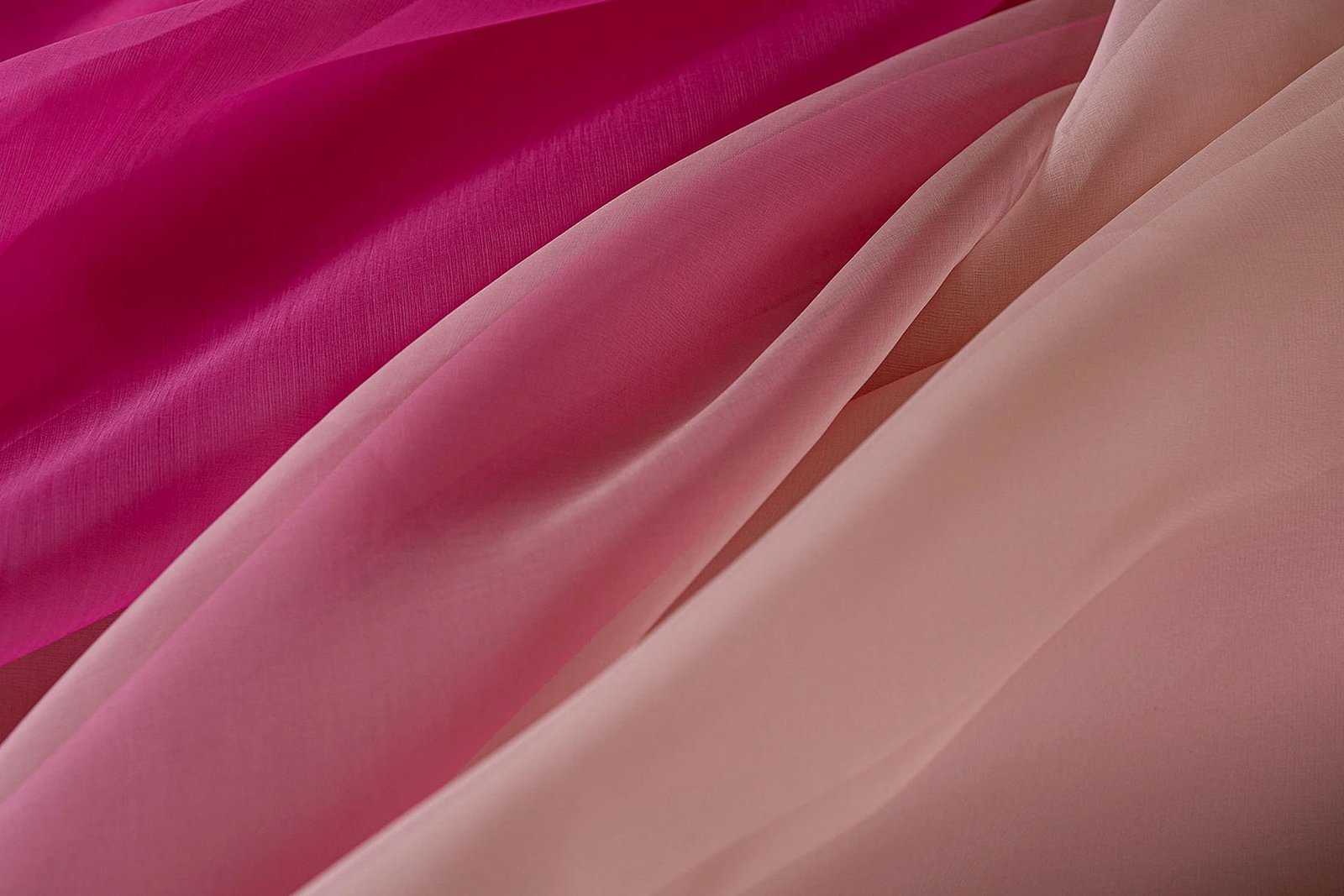
Organza is a lightweight, sheer woven fabric traditionally made from silk, though modern versions are commonly produced using polyester or nylon fibers.
Key characteristics of organza
-
sheer and transparent
-
crisp and slightly stiff
-
lightweight yet structured
-
smooth surface with subtle shine
Because it holds its shape well, organza is perfect for creating dramatic layers and elegant bridal silhouettes.
Why Organza Is Popular for Wedding Dresses
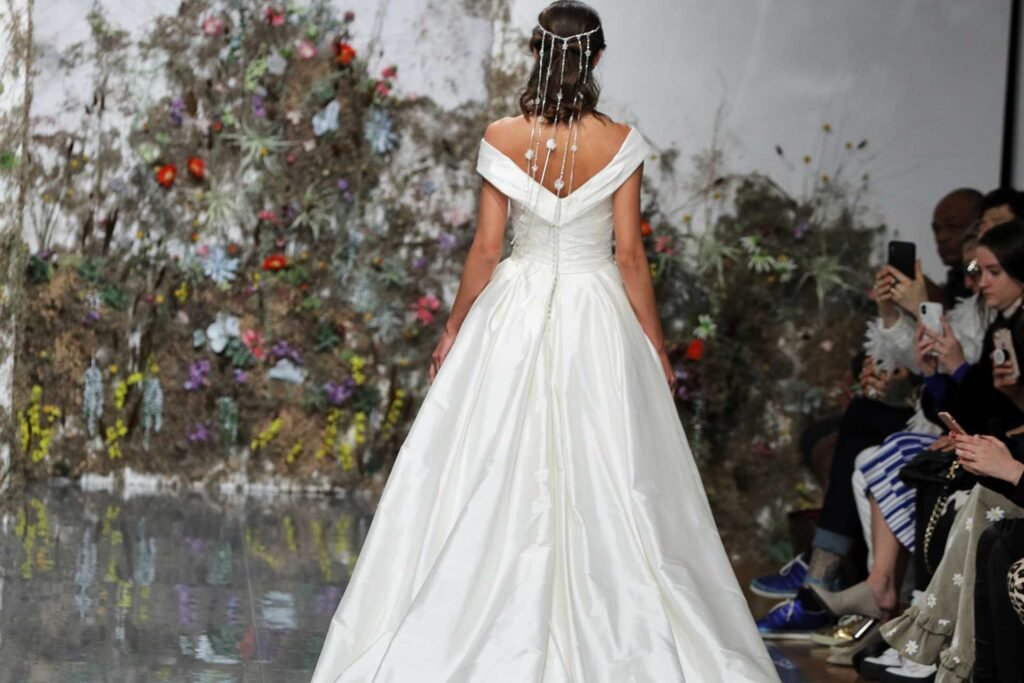
organza fabric wedding dress
Designers love using organza fabric for wedding dresses because it offers a balance between structure and lightness.
Advantages of organza bridal fabric
1. Creates volume without heaviness
Organza allows dresses to appear full and dramatic without adding excessive weight.
2. Elegant layered effects
Multiple layers of organza produce soft, airy volume, ideal for ball gowns.
3. Luxurious appearance
Its subtle shine and transparency add depth and sophistication.
4. Perfect for decorative details
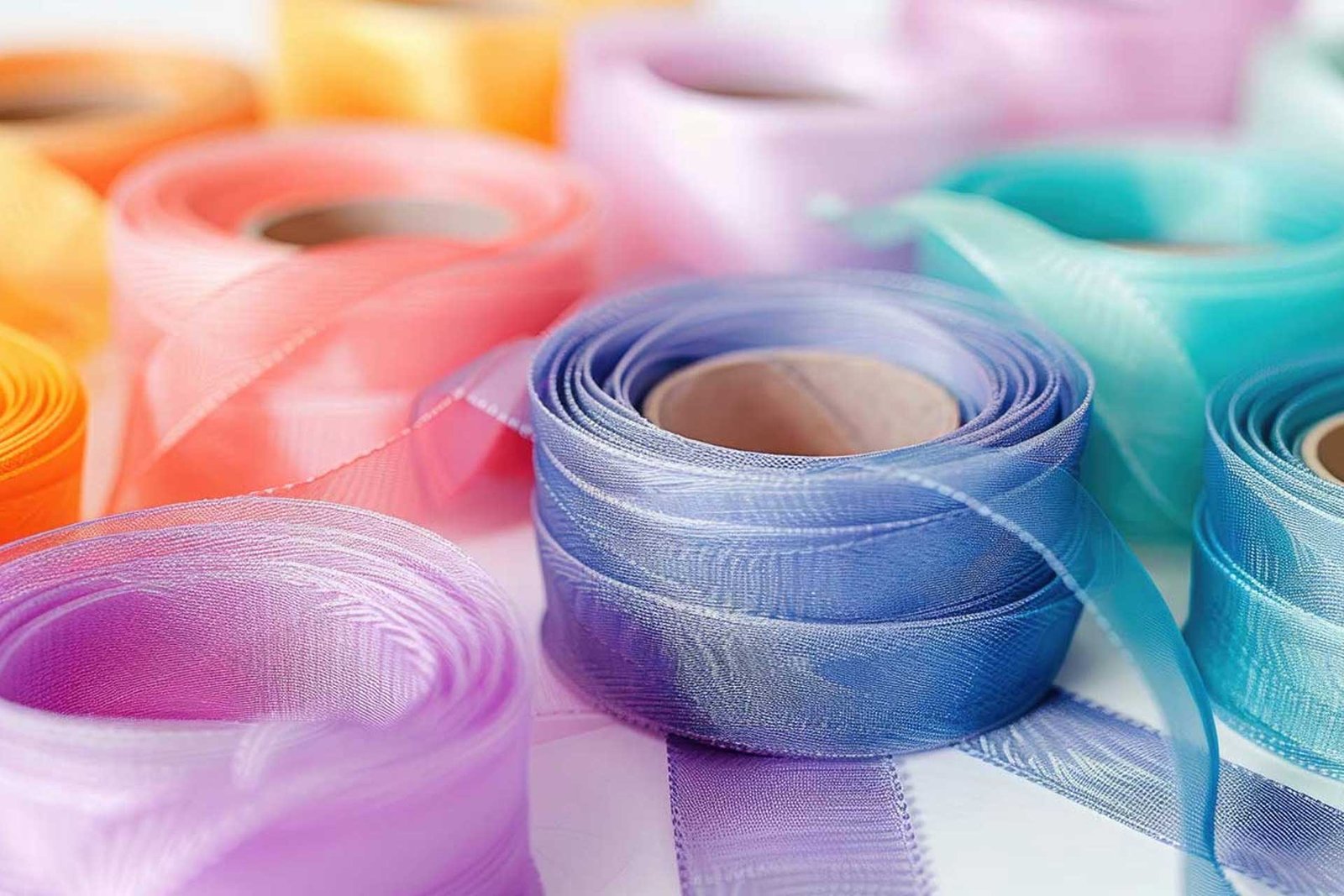
Organza works beautifully for ruffles, bows, sleeves, and trains.
Types of Organza Used in Wedding Dresses
Different types of organza offer slightly different looks and textures.
Silk organza
-
most luxurious option
-
natural sheen
-
breathable and lightweight
-
commonly used in high-end couture bridal gowns
Polyester organza
-
more affordable
-
durable and wrinkle-resistant
-
widely used in modern bridal fashion
Crystal organza
-
slightly glossy finish
-
produces a more luminous bridal effect
Mirror organza
-
highly reflective
-
often used for dramatic stage or fashion designs
Popular Organza Wedding Dress Styles
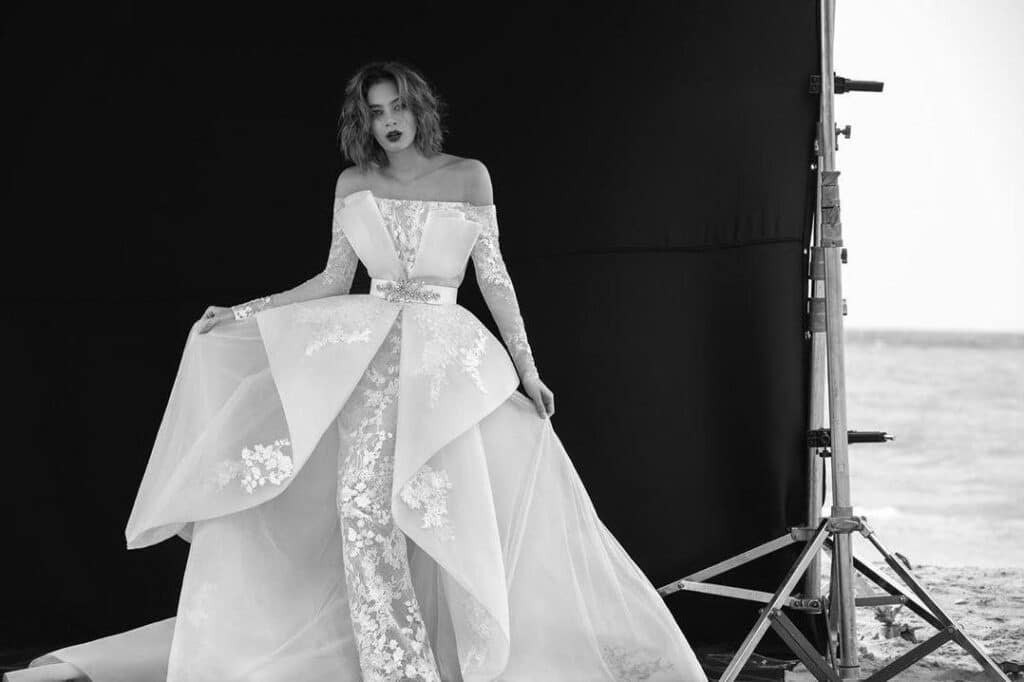
Organza is extremely versatile and can be used in many bridal styles.
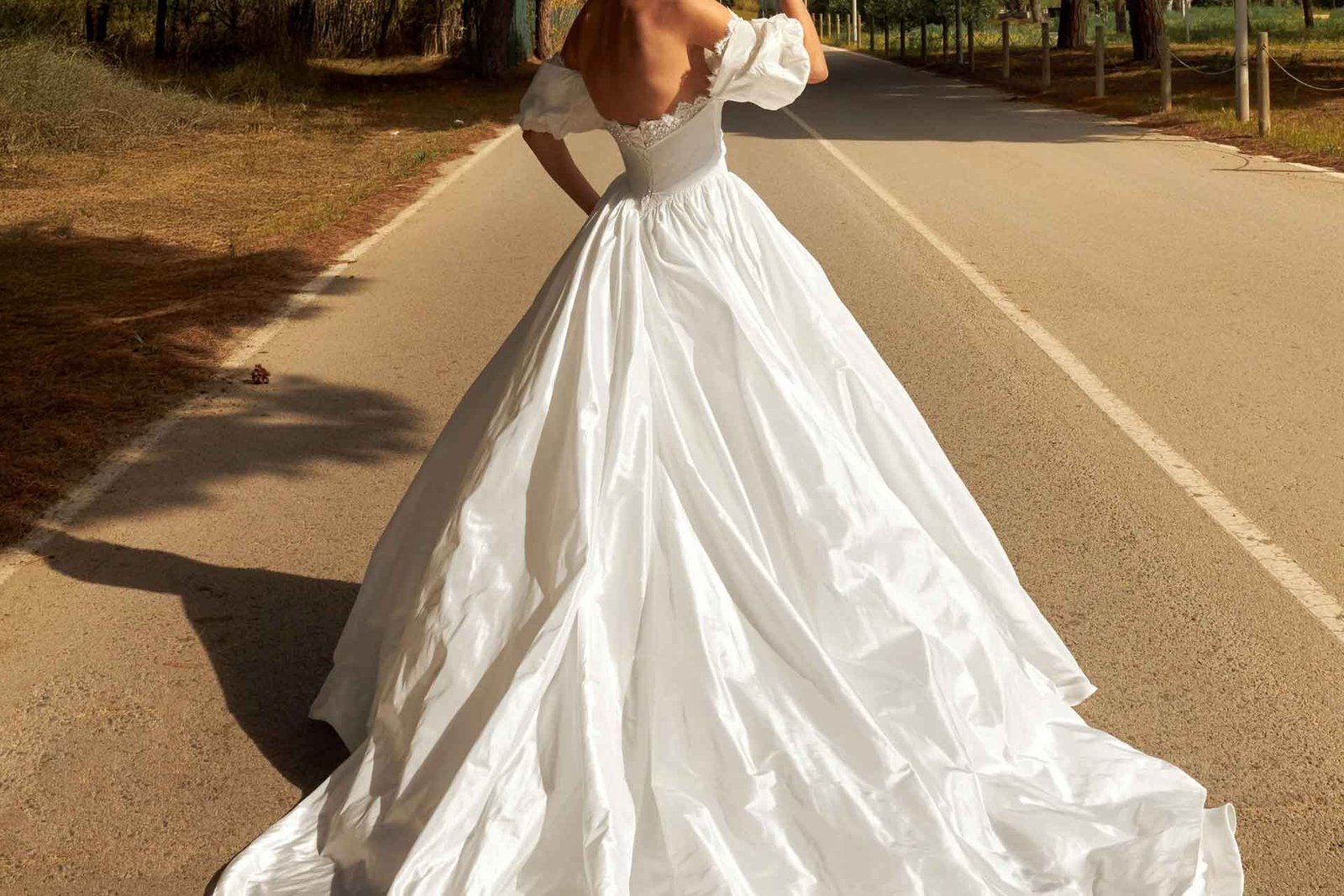
Ball gown dresses
One of the most iconic uses of organza.
Layered organza skirts create princess-style volume.
A-line gowns
Organza adds light structure while maintaining a graceful silhouette.
Ruffled wedding dresses
Designers often use organza to create dramatic cascading ruffles.
Bridal trains and overlays
Organza is ideal for flowing trains and transparent overlays that add elegance without heaviness.
Organza vs Other Bridal Fabrics
Many brides compare organza with other popular wedding fabrics.
| Fabric | Texture | Structure | Best For |
|---|---|---|---|
| Organza | Crisp | Structured | Layered gowns |
| Chiffon | Soft | Flowing | Romantic dresses |
| Tulle | Net-like | Voluminous | Tutus and veils |
| Satin | Smooth | Heavy | Classic gowns |
Organza sits perfectly between structure and lightness, making it a favorite for modern bridal design.
How to Care for an Organza Wedding Dress
Organza is delicate, so proper care is essential.
Cleaning tips
-
dry clean when possible
-
avoid machine washing
-
handle gently to prevent snags
Storage tips
-
hang on a padded hanger
-
store in a breathable garment bag
-
avoid folding heavy layers
These steps help preserve the shape and beauty of organza bridal fabric.
Final Thoughts
Organza remains one of the most beloved materials in bridal fashion. Its lightweight structure, elegant transparency, and ability to create dramatic silhouettes make it perfect for wedding gowns.
Whether used in ball gowns, layered skirts, or romantic bridal trains, organza fabric wedding dress designs continue to be a timeless symbol of elegance and sophistication.