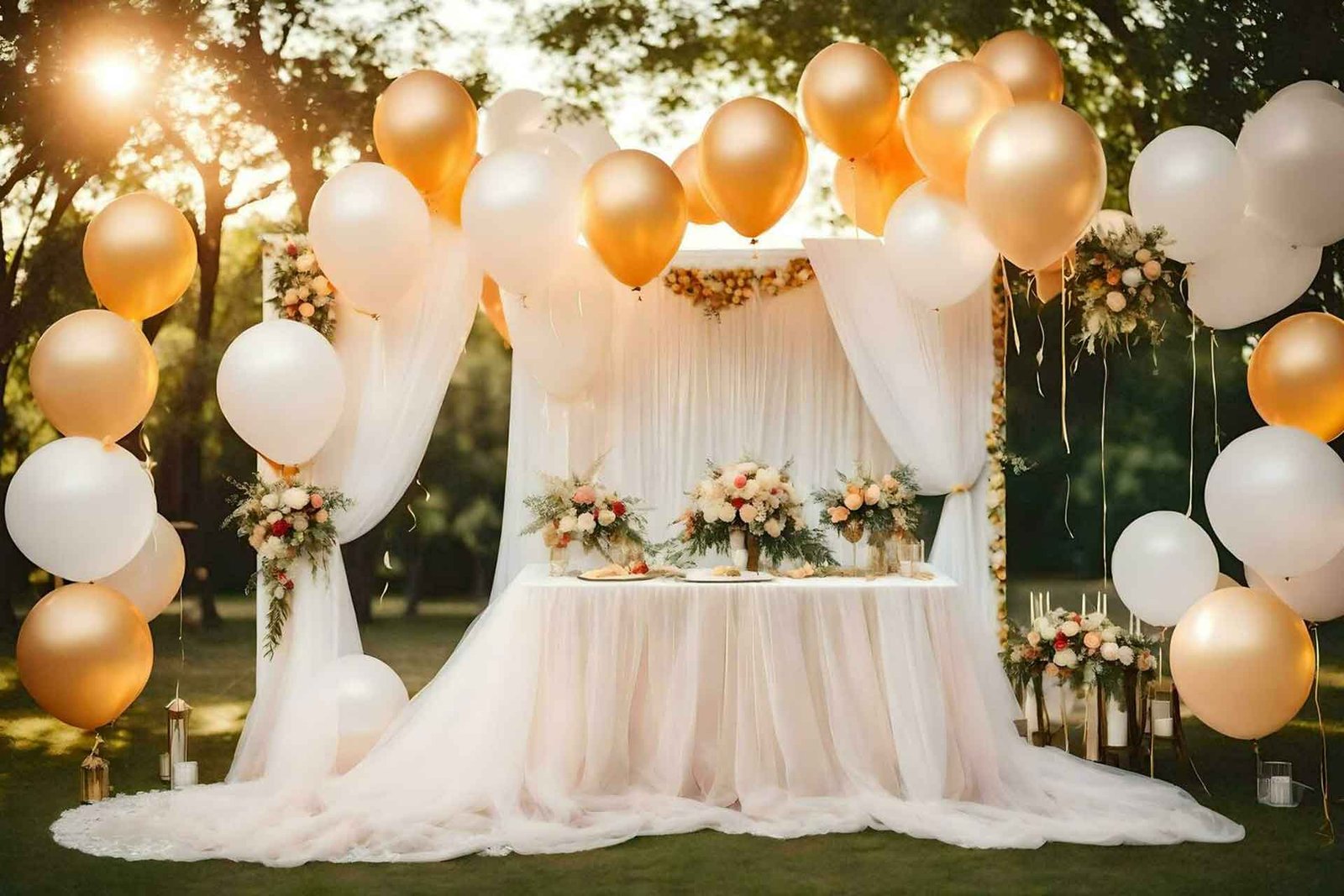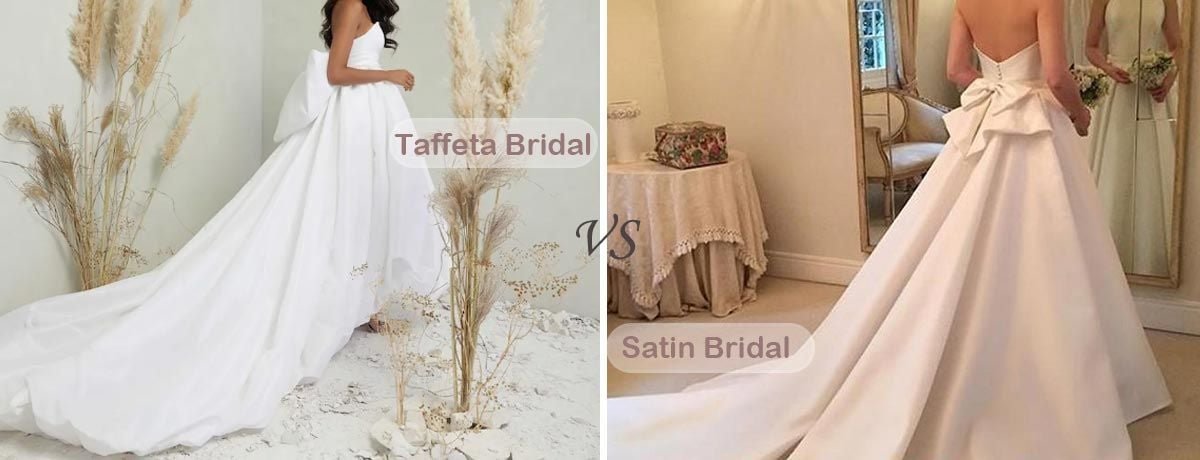
When choosing a lightweight, sheer fabric, three materials often come up: organza, tulle, and chiffon. These fabrics are widely used in wedding dresses, evening gowns, decorations, and fashion design, but each has a unique structure, texture, and purpose.
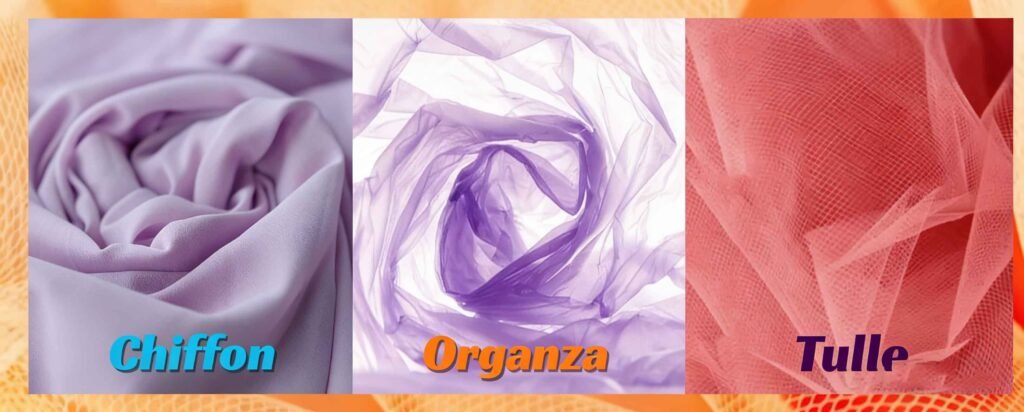
Organza vs Tulle vs Chiffon
If you are comparing organza vs tulle vs chiffon, understanding their differences will help you select the best fabric for your project.
What Is Organza Fabric?

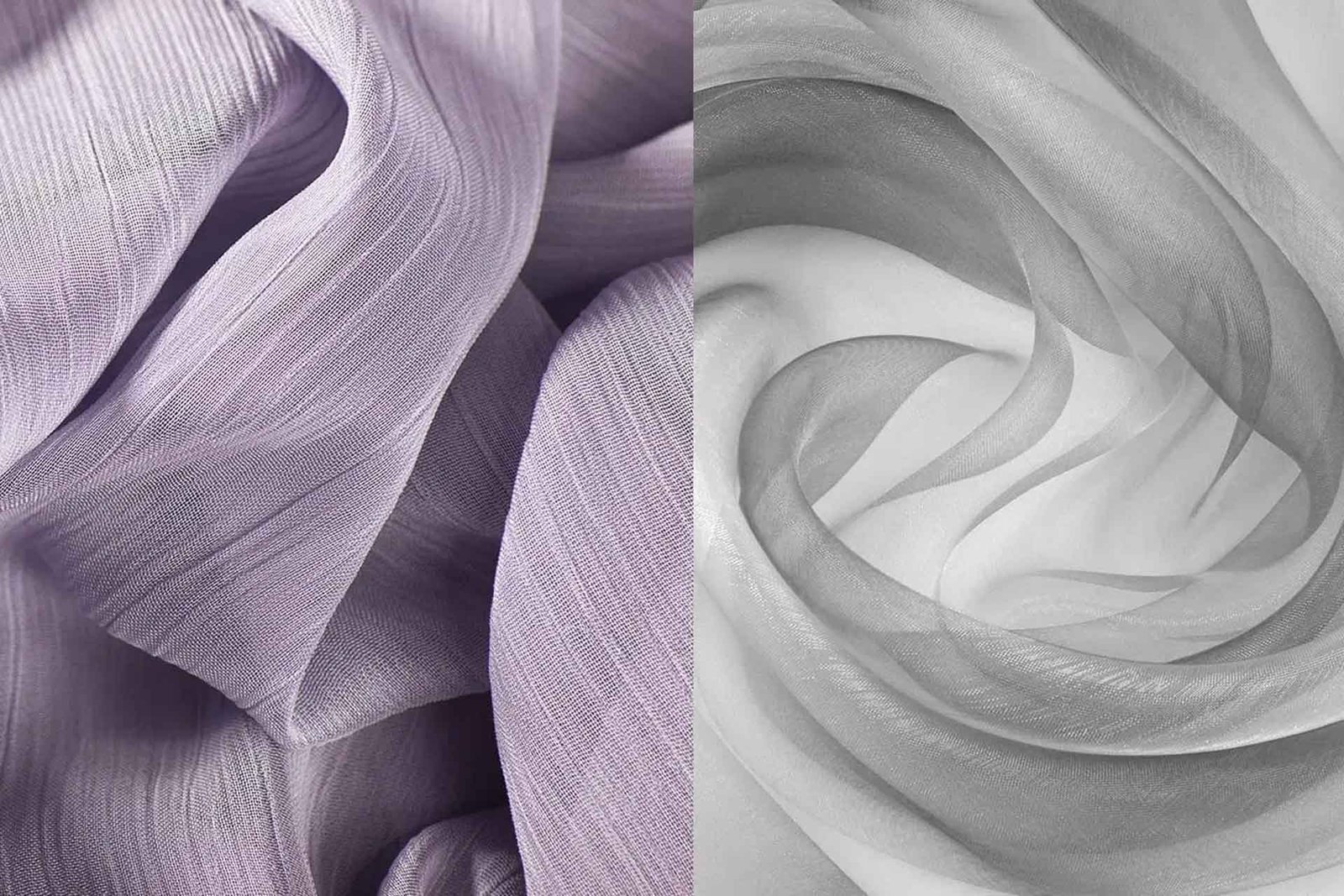
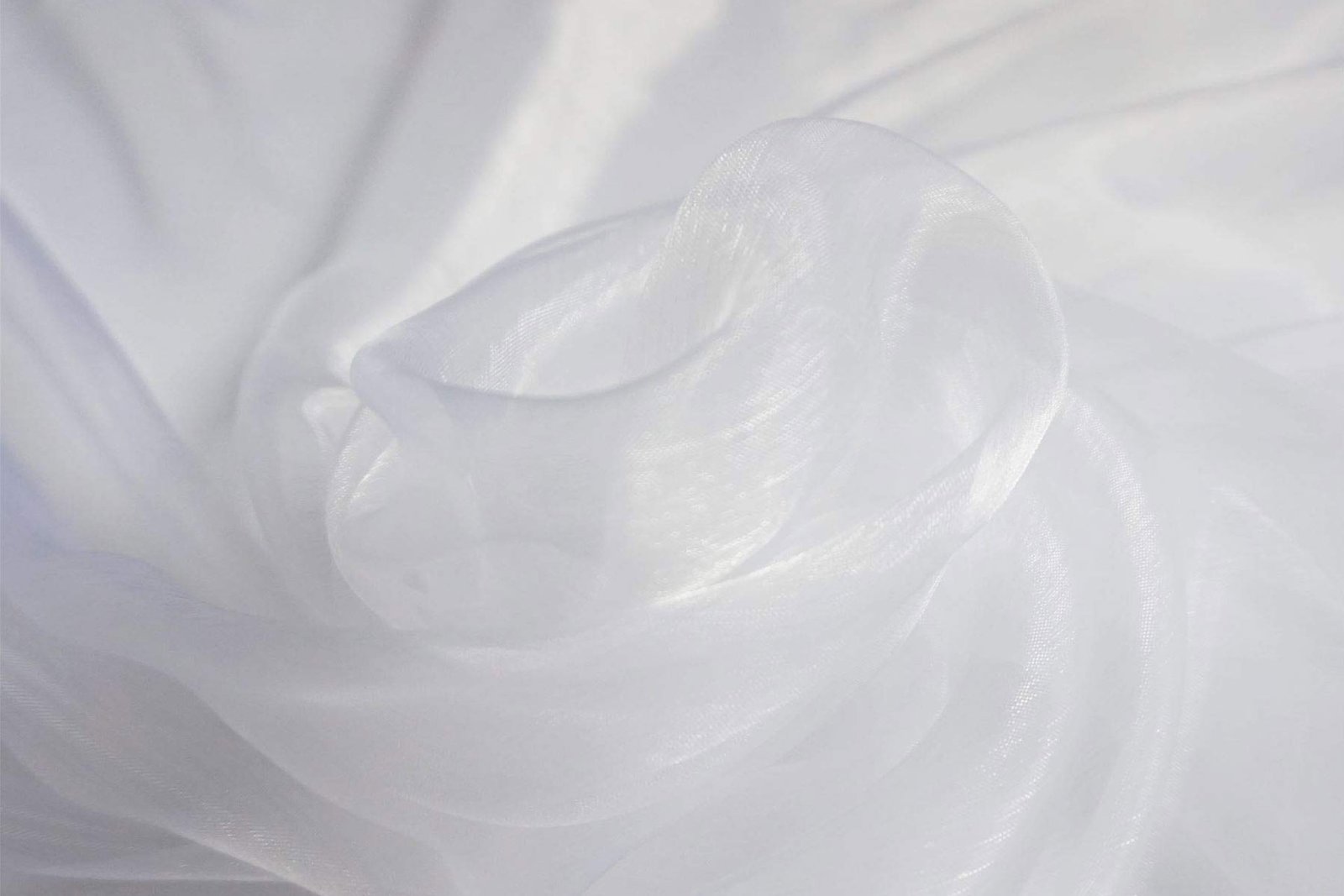
Organza fabric
Organza is a sheer, lightweight fabric with a crisp texture. Traditionally made from silk, modern versions are often produced using polyester or nylon fibers.
Key characteristics
-
lightweight but structured
-
transparent with a smooth surface
-
slightly stiff texture
-
subtle shine
Typical uses
Organza is commonly used for:
-
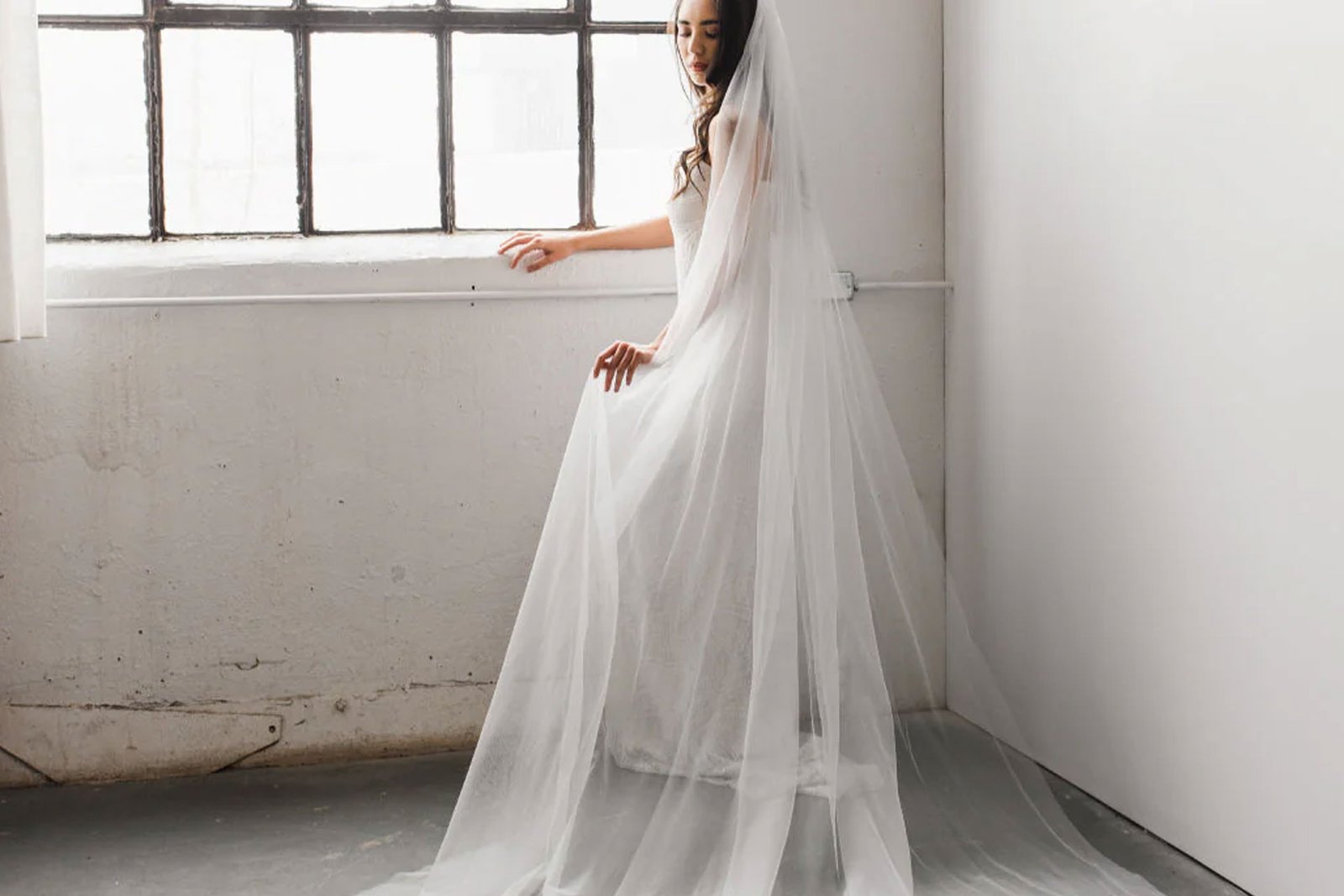
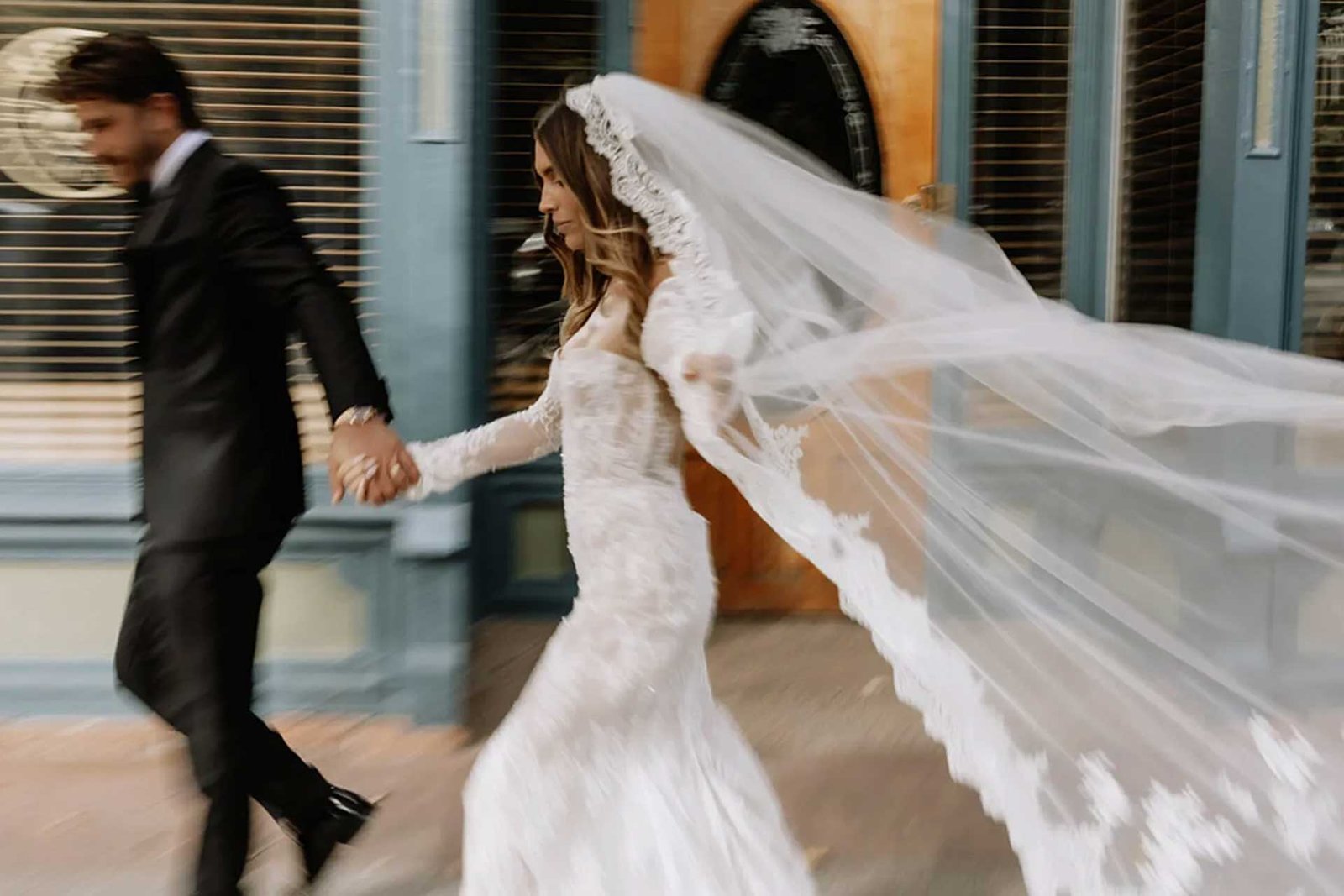
wedding dresses and bridal veils
-
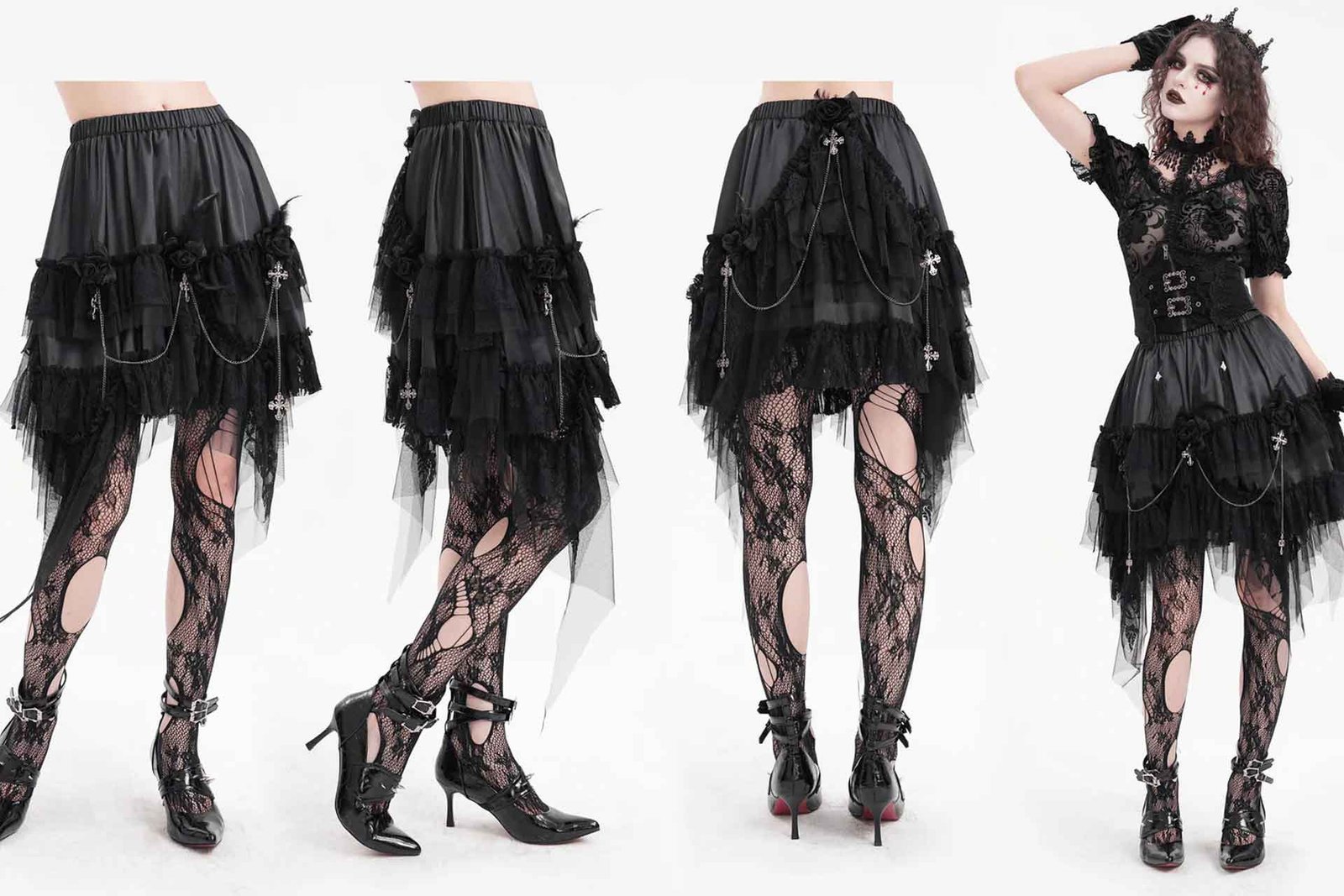
layered skirts and ruffles
-
decorative bows and ribbons
-
elegant event decorations
Its ability to hold shape makes it ideal for creating dramatic silhouettes.
What Is Tulle Fabric?
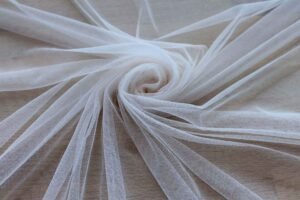
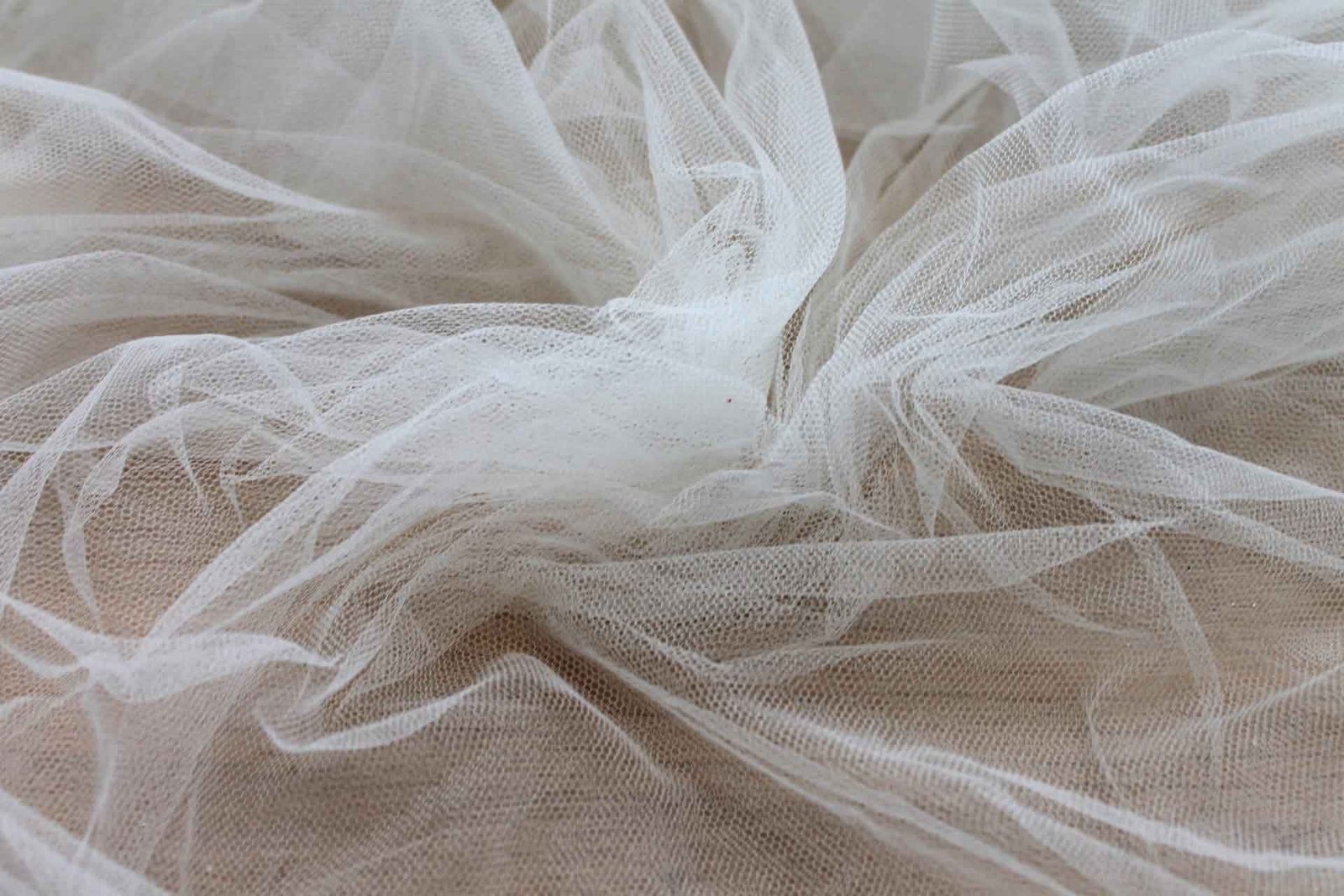
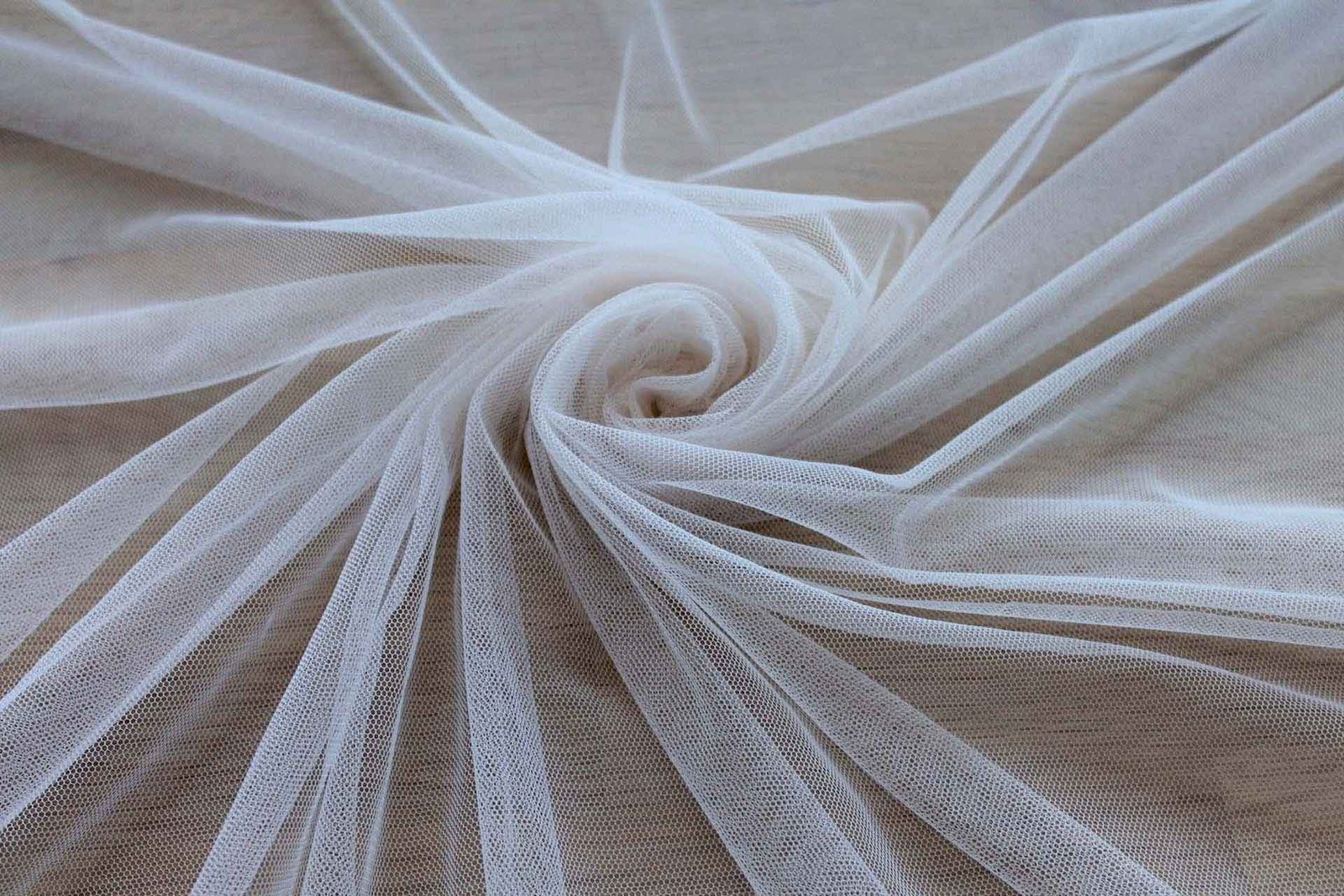
Tulle Fabric
Tulle fabric is a fine net-like textile made from silk, nylon, polyester, or rayon. Unlike organza and chiffon, it is not woven but knitted into a mesh structure.
Key characteristics
-
lightweight net structure
-
airy and voluminous
-
slightly rough texture
-
extremely lightweight
Typical uses
Tulle is especially popular in:
-
ballet tutus
-
wedding veils
-
ball gowns
-
decorative party skirts
Because of its mesh structure, tulle creates maximum volume with minimal weight.
What Is Chiffon Fabric?
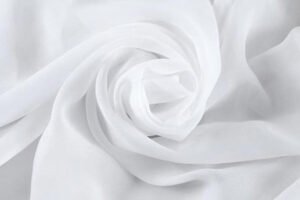
white chiffon fabric
Chiffon is a soft, flowing sheer fabric typically made from silk or polyester. It is woven using highly twisted yarns that give the fabric a slightly textured surface.
Key characteristics
-
very soft and fluid
-
airy and breathable
-
slightly grainy texture
-
elegant drape
Typical uses
Chiffon is often used in:
-
flowing dresses
-
scarves and shawls
-
bridesmaid gowns
-
layered skirts
Unlike organza or tulle, chiffon focuses on movement rather than structure.
Organza vs Tulle vs Chiffon: Key Differences
| Feature | Organza | Tulle | Chiffon |
|---|---|---|---|
| Structure | Plain woven | Mesh net | Woven with twisted yarns |
| Texture | Crisp and smooth | Net-like and airy | Soft and slightly textured |
| Drape | Structured | Stiff but flexible | Flowing |
| Volume | Moderate | Very high | Low |
| Transparency | Sheer | Very sheer | Sheer |
| Typical use | Formal dresses, décor | Tutus, veils, ball gowns | Flowing garments |
Which Fabric Should You Choose?
Your choice depends on the design goal.
Choose organza if you want
-
structured layers
-
dramatic ruffles
-
elegant bridal designs
-
fabrics that hold shape
Choose tulle if you want
-
maximum volume
-
airy layered skirts
-
ballet or princess-style dresses
-
light decorative mesh
Choose chiffon if you want
-
soft movement
-
romantic flowing garments
-
breathable summer fabrics
-
elegant draping effects
Can These Fabrics Be Combined?
Yes. Many designers combine these materials to create dimension and texture.
For example:
-
tulle base layers for volume
-
organza overlays for structure
-
chiffon layers for softness
This layered approach produces dramatic yet elegant fashion designs.
Final Thoughts
Although they may look similar at first glance, organza, tulle, and chiffon serve very different purposes in fashion and decoration.
-
Organza → crisp structure and elegant volume
-
Tulle → airy mesh and dramatic fullness
-
Chiffon → soft drape and graceful movement
Understanding the organza vs tulle vs chiffon comparison helps designers, brides, and decorators choose the perfect fabric for their next project.