When choosing lightweight fabrics for fashion or decoration, organza and chiffon are two of the most popular options. Both are sheer, elegant, and commonly used in eveningwear, bridal gowns, and decorative designs. However, they have important differences in texture, structure, and overall appearance.
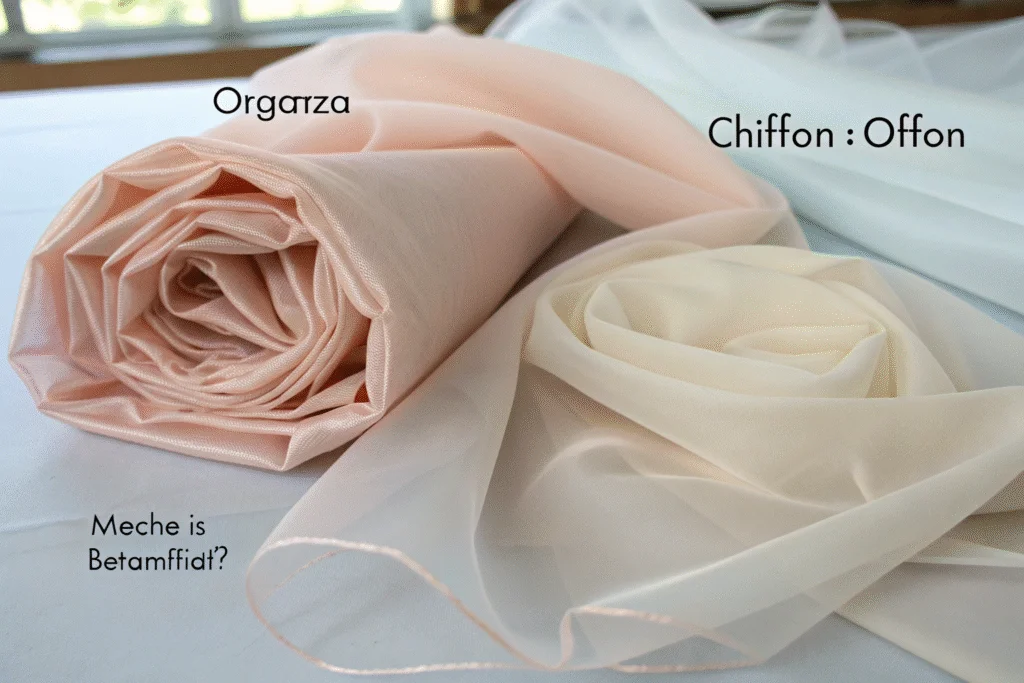
organza vs chiffon
If you're wondering about organza vs chiffon or the difference between chiffon and organza, this guide explains how these fabrics compare and when to use each one.
What Is Organza Fabric?

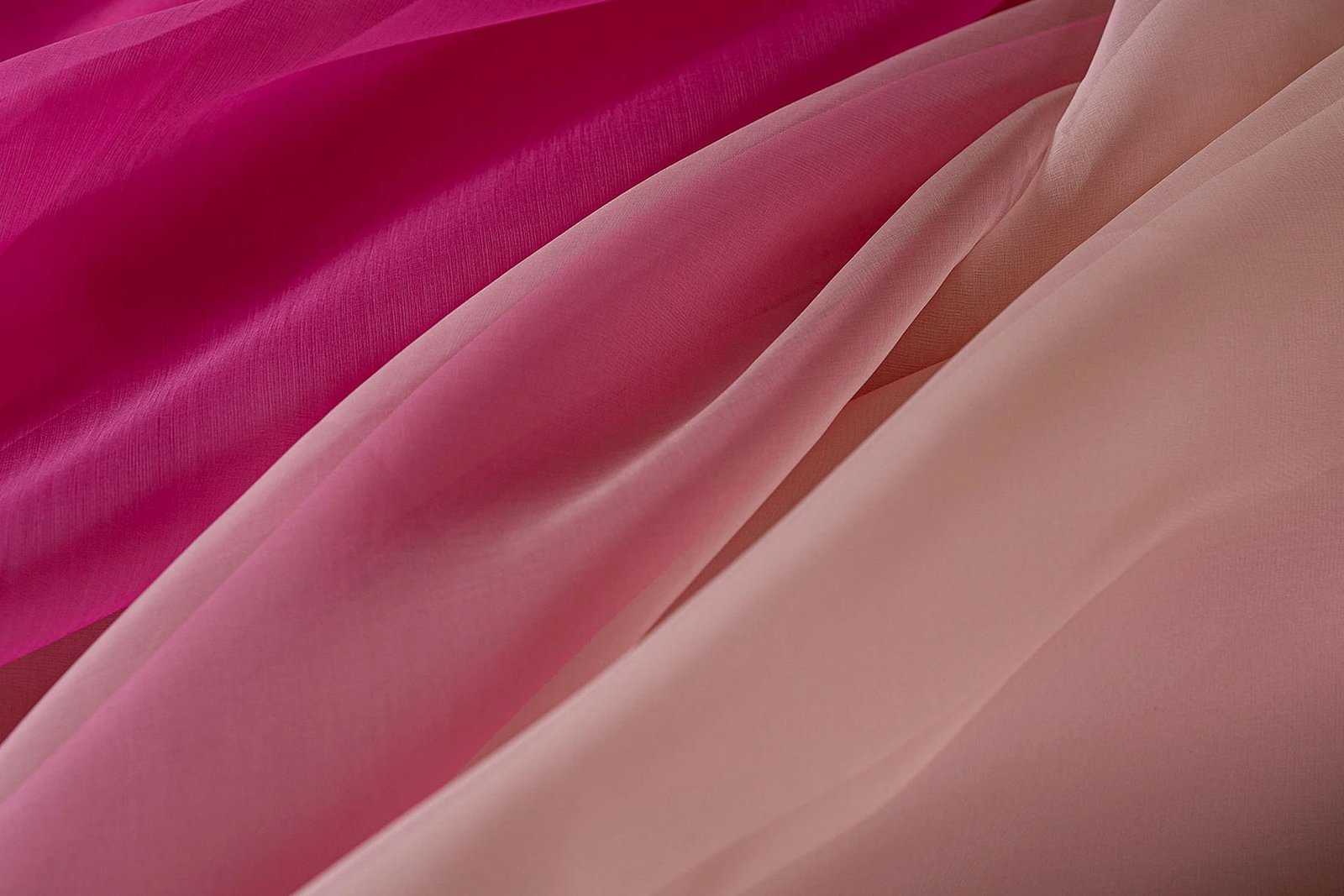
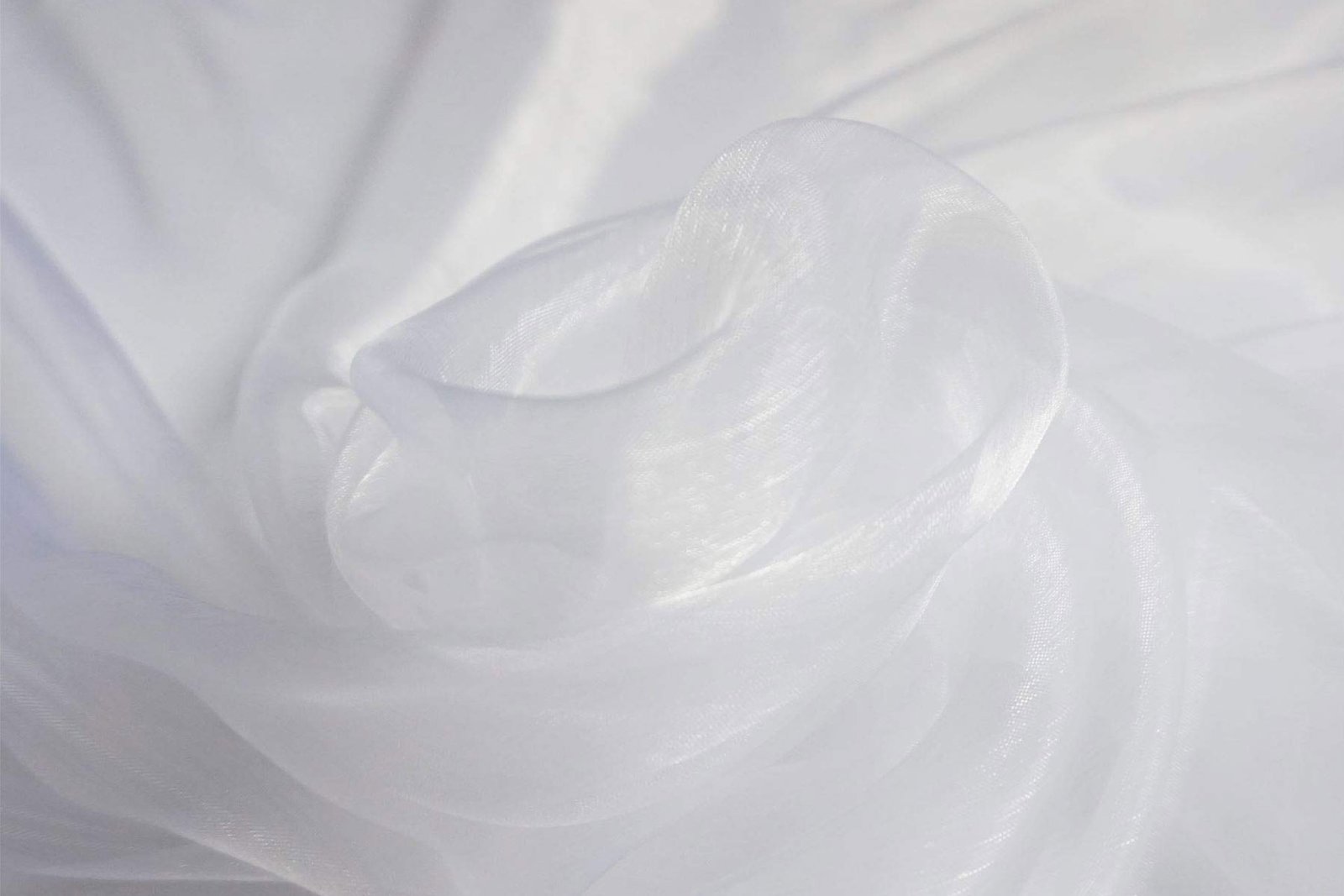
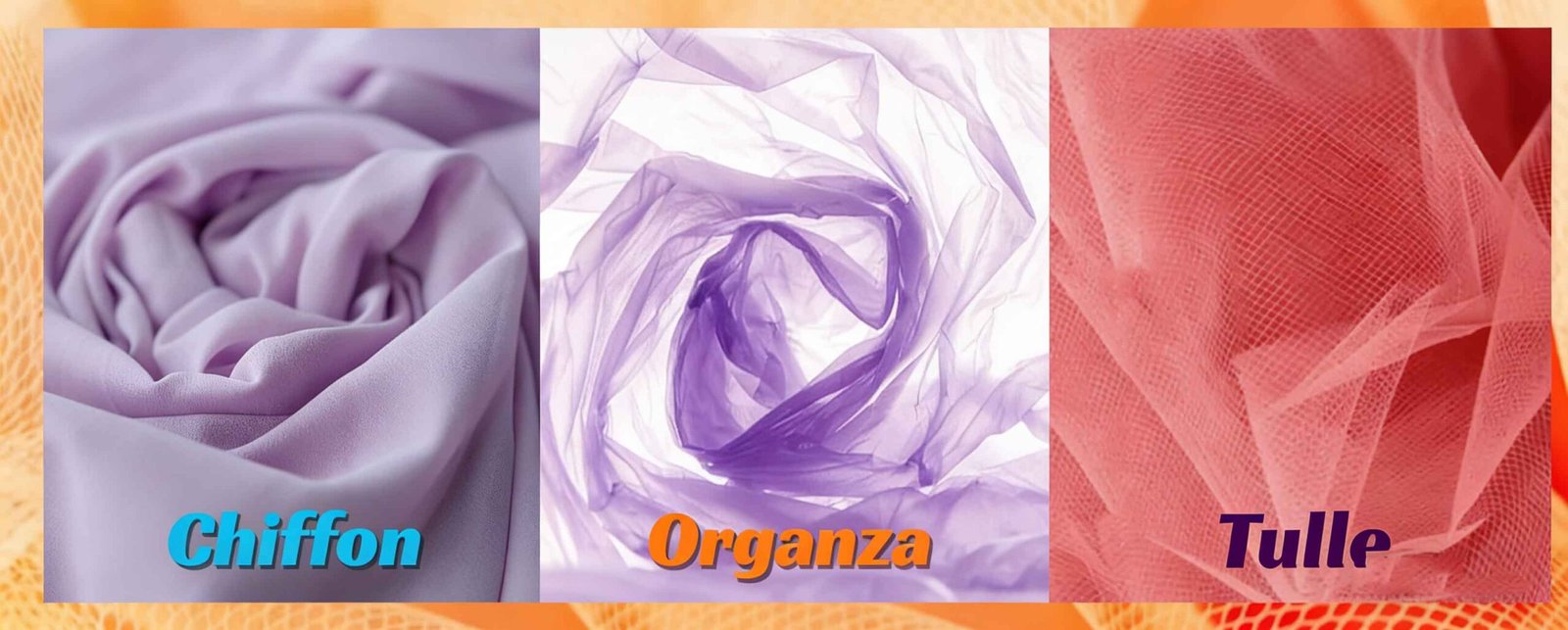
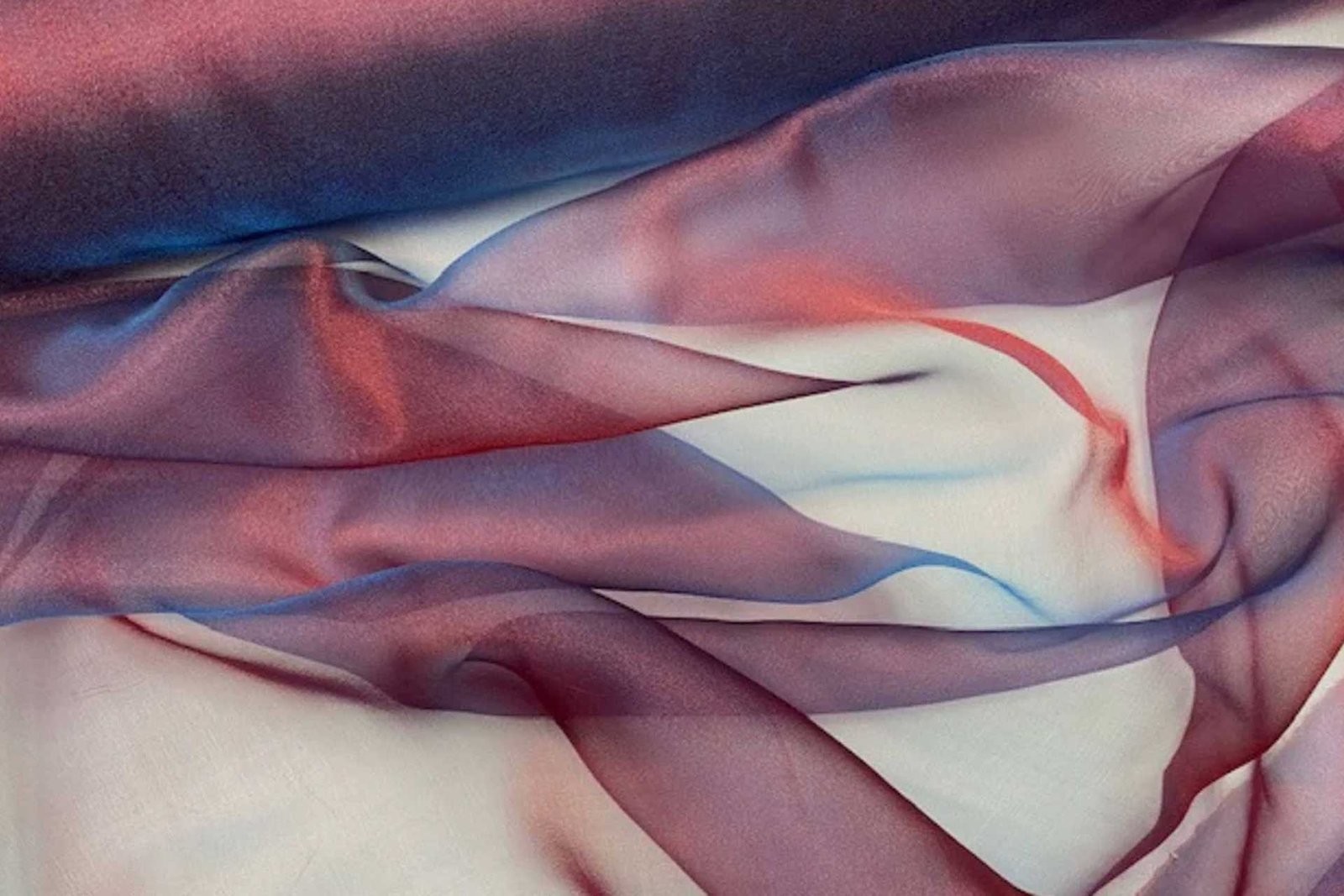
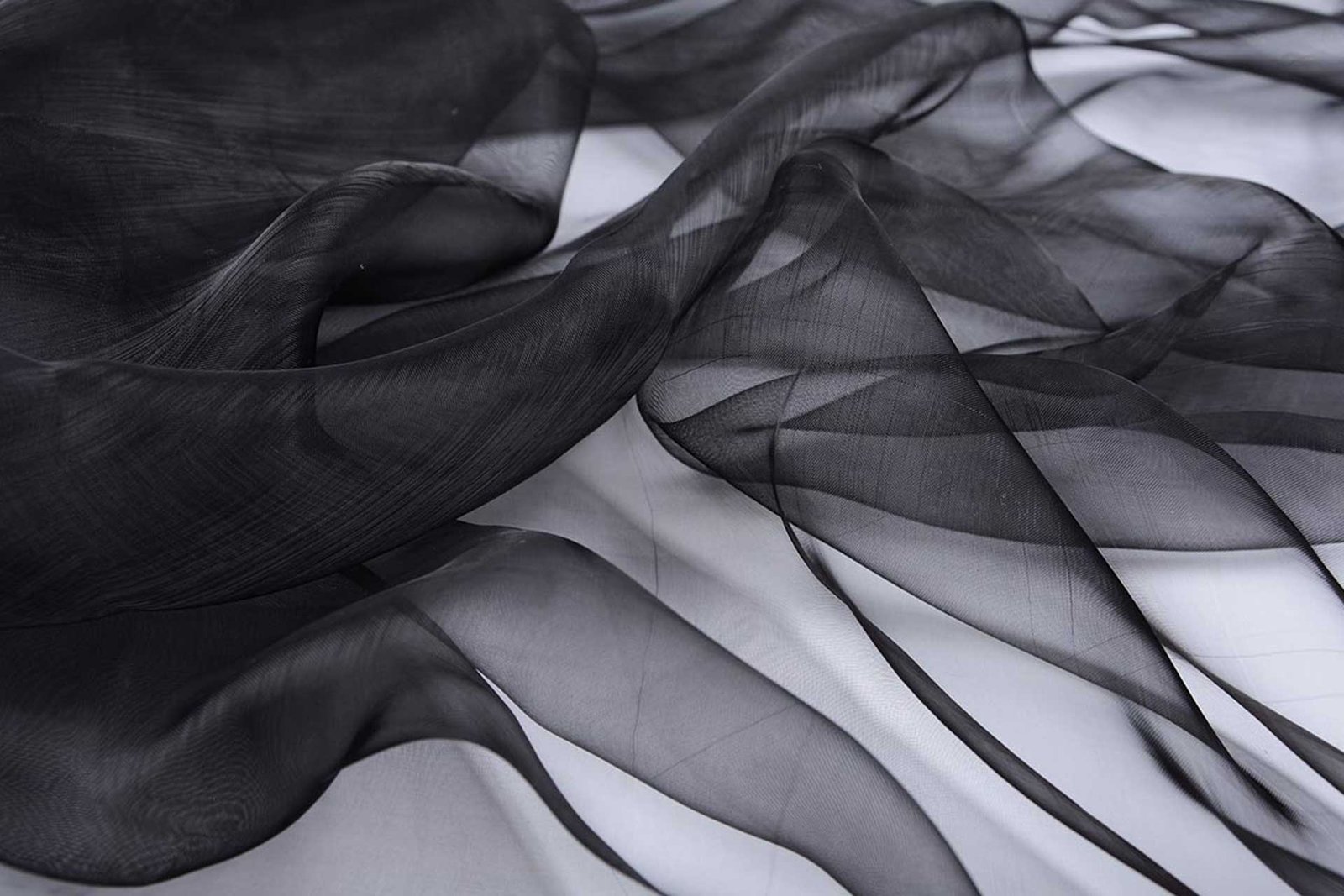
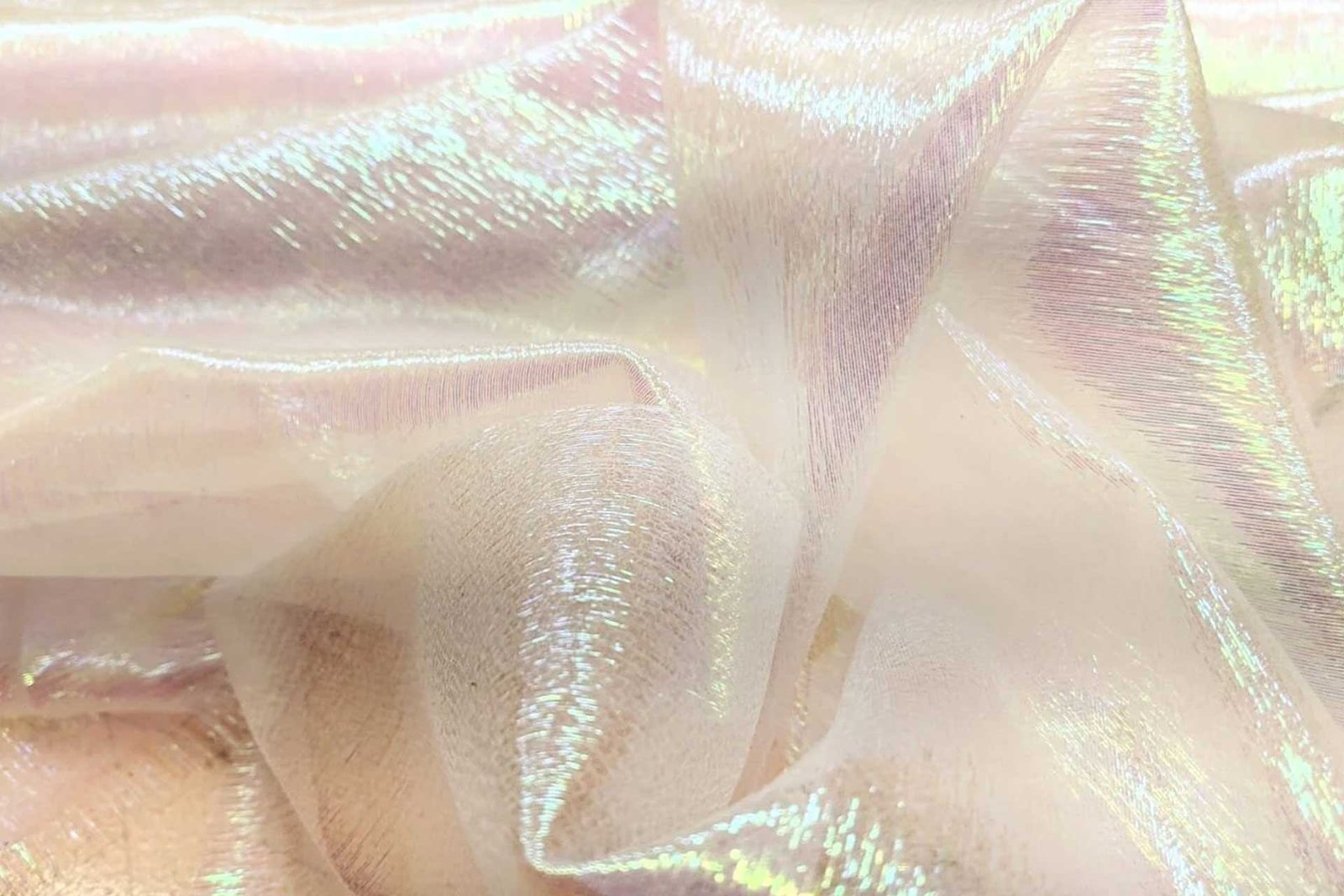
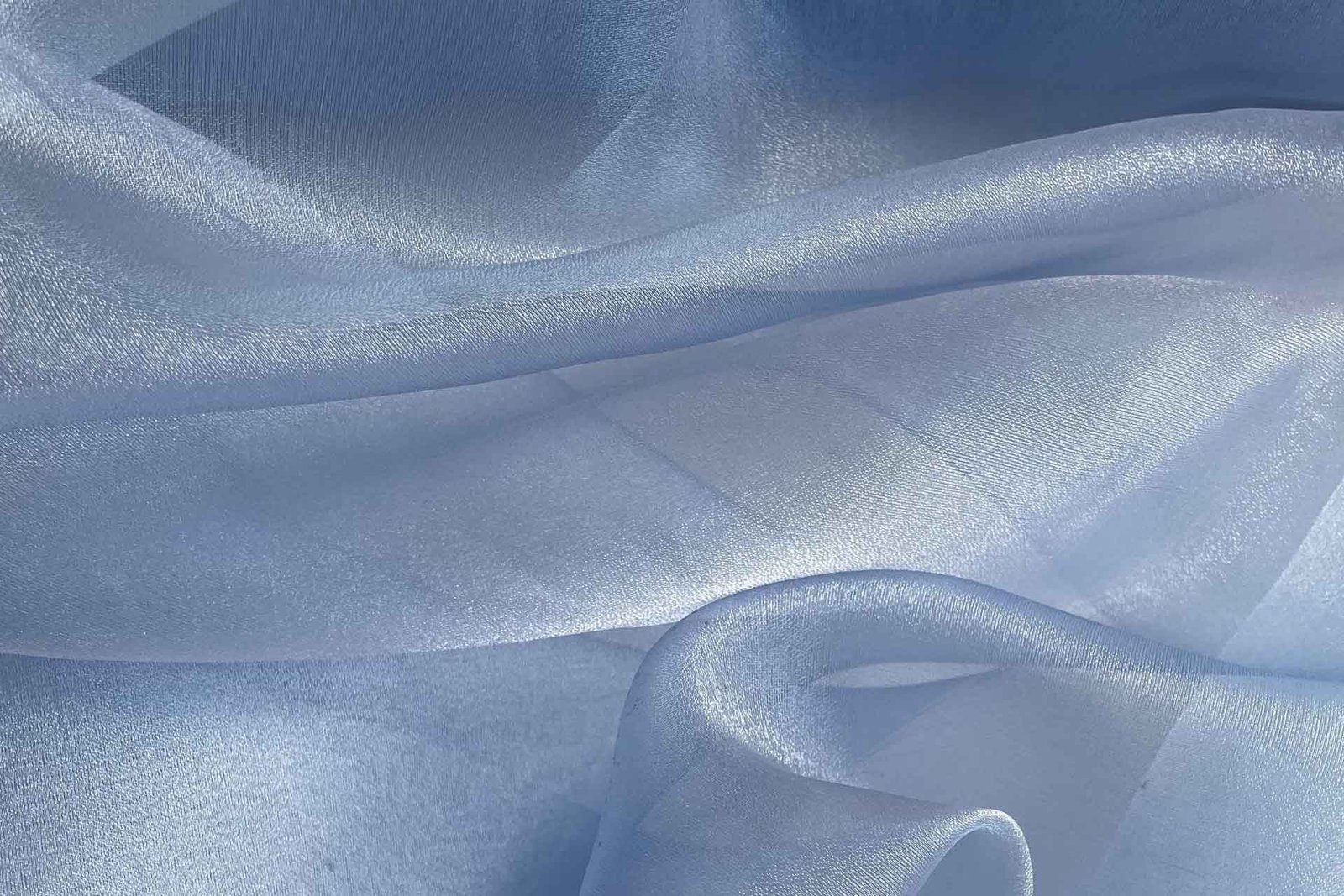
Organza is a lightweight, sheer fabric with a crisp texture. Traditionally made from silk, modern organza is often produced using polyester or nylon fibers.
Key characteristics of organza
-
stiff and structured
-
sheer and lightweight
-
smooth surface with subtle shine
-
holds shape well
Because of its structure, organza is widely used for layered skirts, ruffles, and decorative overlays.
Common uses
-
wedding dresses
-
evening gowns
-
bridal veils
-
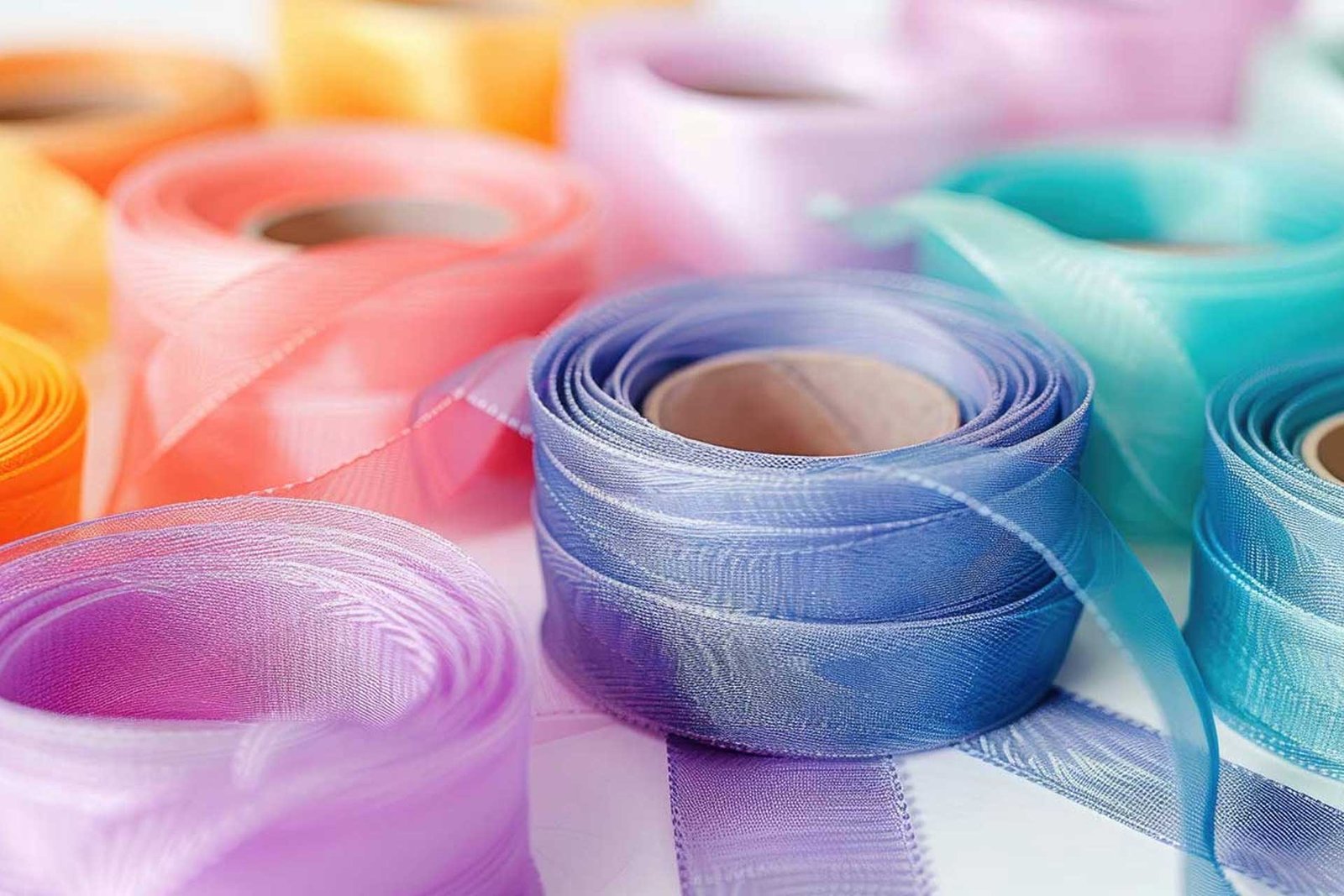
decorative ribbons and event décor
Organza is ideal when designers want volume and shape without adding weight.
What Is Chiffon Fabric?
Polyester Chiffon
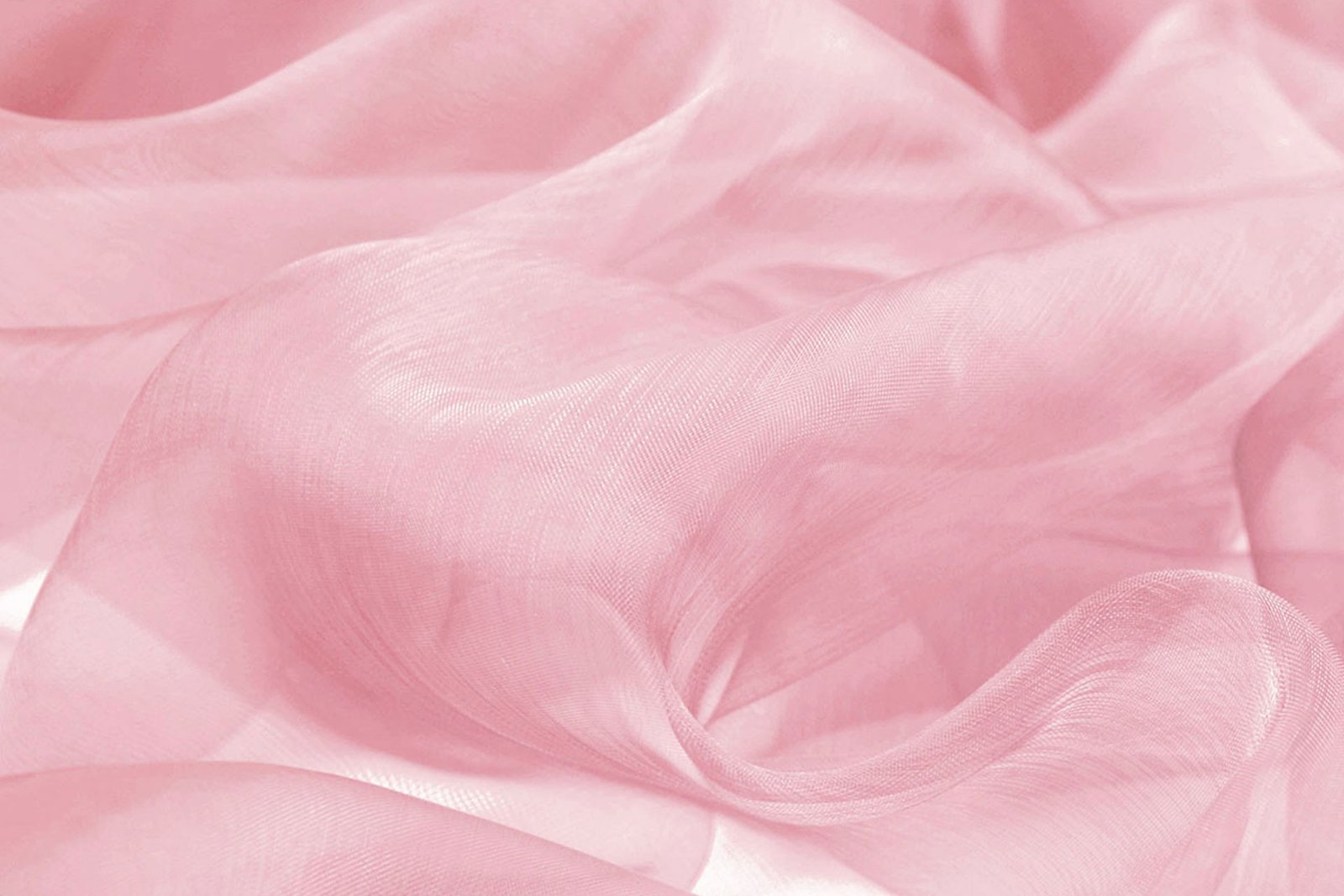
Chiffon is another sheer fabric, but unlike organza, it has a soft, flowing drape. It is typically made from silk, polyester, or nylon and woven with highly twisted yarns.
Key characteristics of chiffon
-
very soft and fluid
-
slightly textured surface
-
lightweight and airy
-
excellent drape and movement
Because of its flowing nature, chiffon is commonly used in romantic, loose-fitting garments.
Common uses
-
flowing dresses
-
scarves and shawls
-
layered skirts
-
bridal gowns
Chiffon is perfect when designers want soft movement and elegance.
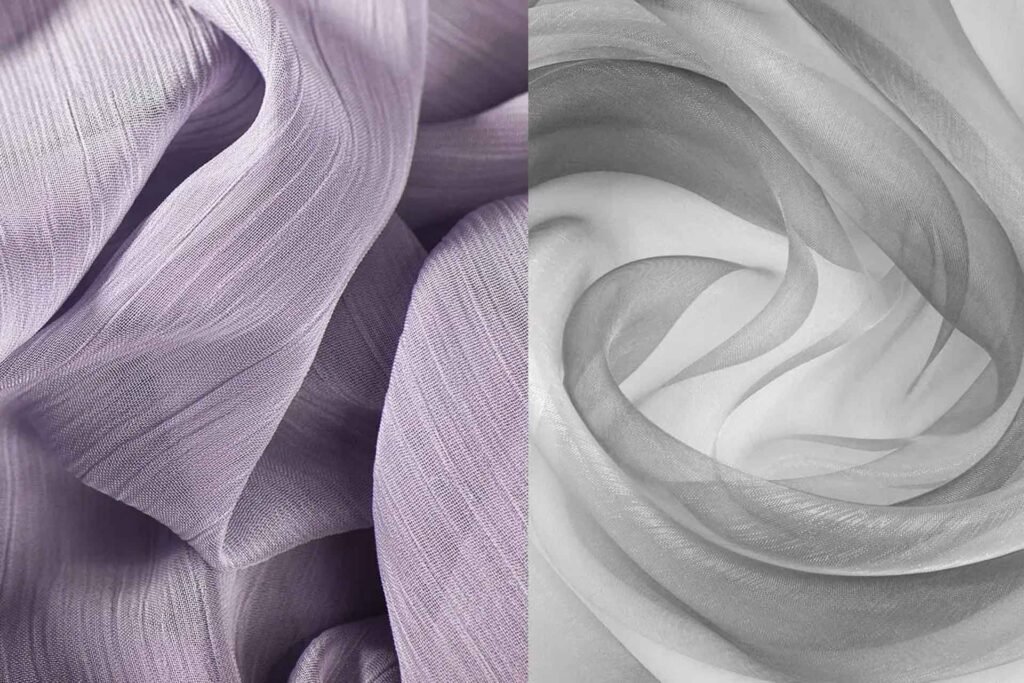
difference between chiffon and organza
Organza vs Chiffon: Key Differences
| Feature | Organza | Chiffon |
|---|---|---|
| Texture | Crisp and structured | Soft and flowing |
| Drape | Holds shape | Flows naturally |
| Surface | Smooth with slight shine | Slightly textured |
| Transparency | Sheer | Sheer |
| Weight | Lightweight but stiff | Very lightweight and airy |
| Typical use | Structured dresses, décor | Flowing garments |
In simple terms, organza creates structure, while chiffon creates movement.
When to Choose Organza
Organza is a better choice when you need:
-
structured silhouettes
-
dramatic ruffles or layers
-
fabrics that hold their shape
-
decorative elements like bows or ribbons
Designers often use organza for ball gowns, statement sleeves, and bridal skirts.
When to Choose Chiffon
Chiffon works best when you want:
-
soft draping garments
-
flowing dresses or skirts
-
lightweight fabrics for warm climates
-
delicate layers with natural movement
It is commonly used for evening dresses, bridesmaid gowns, and summer fashion.
Can Organza and Chiffon Be Used Together?
Yes. Many designers combine both fabrics in the same garment.
For example:
-
chiffon base layer for softness
-
organza overlay for structure
This combination allows designers to create movement while maintaining shape, resulting in visually dynamic designs.
Final Thoughts
Both fabrics are elegant and versatile, but they serve different design purposes.
-
Organza is crisp, structured, and ideal for dramatic shapes.
-
Chiffon is soft, flowing, and perfect for romantic movement.
Understanding the difference between chiffon and organza will help you choose the right fabric for fashion design, bridal wear, or decorative projects.