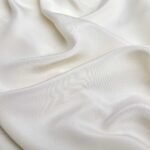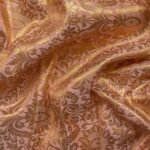
Silk is one of the most beautiful and luxurious fabrics used in fashion, but sewing with silk can be challenging, especially for beginners. Its smooth surface, delicate fibers, and lightweight structure require special handling during cutting, stitching, and finishing.
However, with the right techniques and tools, sewing with silk can be a rewarding experience that produces elegant, professional-looking garments.
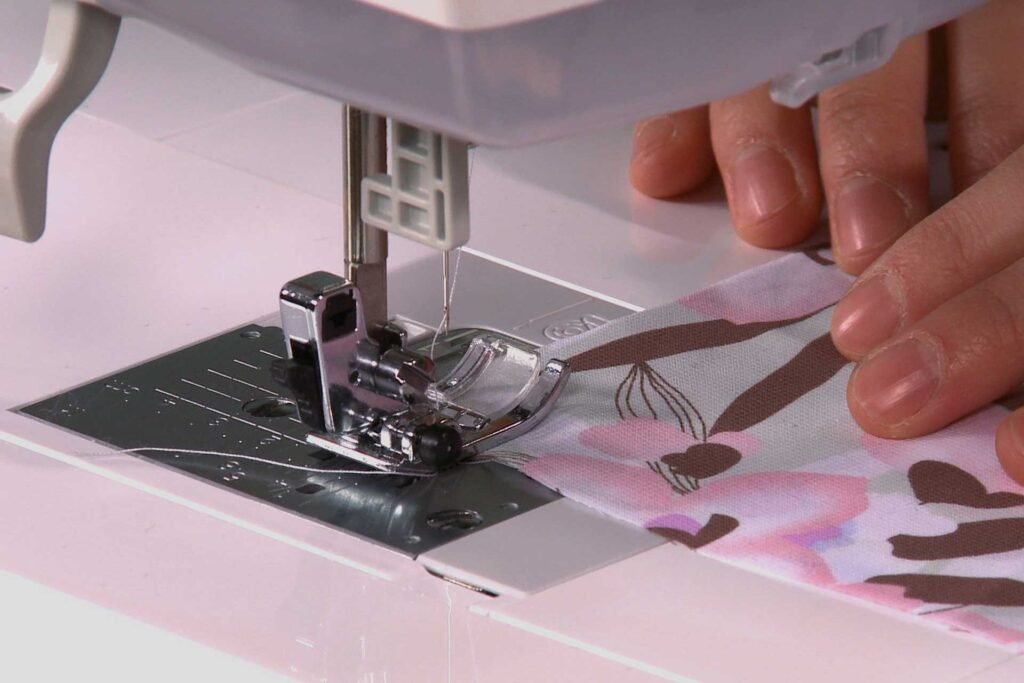
sewing with silk
In this guide, we’ll explain how to sew with silk fabric, what tools you need, and practical tips that help beginners avoid common mistakes.
Why Silk Fabric Can Be Difficult to Sew
Silk fabrics are prized for their softness and drape, but these same qualities can make them tricky to work with.
Common challenges when sewing silk include:
-
The fabric slips easily while cutting or stitching
-
Lightweight silk may shift under the sewing machine
-
Silk fibers can be delicate and prone to damage
-
Needle holes may be visible if mistakes occur
Because of these characteristics, sewing silk requires careful preparation and precision.
Choosing the Right Silk Fabric for Beginners
Not all silk fabrics are equally difficult to sew. Some types are easier for beginners to handle.
Easier Silk Fabrics
Beginners often start with:
-
Silk habotai
-
Silk crepe de chine
-
Medium-weight silk satin
These fabrics are relatively stable compared with extremely lightweight silks.
More Difficult Silk Fabrics
Very delicate fabrics may require more experience:
-
Silk chiffon
-
Silk organza
-
Very lightweight silk satin
If you are new to sewing silk, starting with slightly heavier silk fabrics can make the process much easier.
Essential Tools for Sewing Silk
Using the correct tools can greatly improve your results when sewing silk.
Fine Sewing Needles
Use fine, sharp needles, typically:
-
Size 60/8
-
Size 70/10
These needles help prevent damage to delicate silk fibers.
Lightweight Thread
Choose high-quality fine thread, such as:
-
Silk thread
-
Fine polyester thread
Thick threads can create visible seams or damage the fabric.
Sharp Fabric Scissors
Silk should always be cut with very sharp scissors or a rotary cutter to ensure clean edges.
Fine Pins
Use extra-fine pins or silk pins to avoid leaving visible holes in the fabric.
How to Cut Silk Fabric
Cutting silk properly is one of the most important steps in sewing.
Use a Stable Cutting Surface
Silk can easily slide during cutting, so it helps to place the fabric on a non-slip cutting mat or a layer of tissue paper.
Cut with a Rotary Cutter
Many professional sewists prefer rotary cutters, which provide more control and reduce fabric shifting.
Cut in a Single Layer
Cutting silk in a single layer often improves accuracy because the fabric does not move as much.
Sewing Machine Settings for Silk
When sewing silk fabric, adjusting your sewing machine settings can make a big difference.
Recommended settings include:
-
Short stitch length (around 2.0 mm)
-
Lower tension if needed
-
Fine needle size
Always test the settings on a scrap piece of fabric before sewing the actual garment.
Helpful Tips for Sewing with Silk
Here are some practical tips that make sewing with silk easier.
Use Tissue Paper for Stability
Placing tissue paper under the fabric while sewing can help prevent slipping and puckering.
After sewing, the paper can easily be removed.
Sew Slowly
Silk requires slow and controlled stitching. Sewing too quickly may cause uneven seams or fabric distortion.
Avoid Excessive Pins
Using too many pins may leave visible marks in delicate silk fabrics. Instead, use clips or minimal pinning when possible.
Press Carefully
Silk can be sensitive to high heat.
When pressing seams:
-
Use low heat settings
-
Place a pressing cloth between the iron and fabric
This protects the silk from damage.
Best Seams for Silk Fabric
Certain seam types work particularly well for silk garments.
French Seams
French seams are ideal for lightweight silk fabrics because they hide raw edges and create a clean finish.
Narrow Rolled Hem
Rolled hems are often used for silk garments such as:
-
Dresses
-
Scarves
-
Blouses
This technique creates a delicate and elegant edge.
Flat-Felled Seams
For slightly heavier silk fabrics, flat-felled seams provide extra durability and a neat appearance.
Common Mistakes When Sewing Silk
Beginners often encounter similar problems when working with silk.
Using the Wrong Needle
A thick needle can damage silk fibers or leave visible holes.
Cutting Without Stabilizing the Fabric
Silk may shift during cutting if it is not properly stabilized.
Sewing Too Quickly
Fast sewing can cause uneven seams and puckering.
Using High Heat When Pressing
Too much heat can damage delicate silk fabric.
Why Silk Is Worth Sewing
Despite its challenges, silk remains one of the most rewarding fabrics to sew.
Garments made from silk offer:
-
Elegant drape
-
Natural shine
-
Comfortable wear
-
Timeless luxury
With practice and proper techniques, sewing with silk becomes much easier and produces beautiful, high-quality garments.
Conclusion
Sewing with silk may seem intimidating at first, but with the right tools and techniques, beginners can achieve excellent results. By choosing suitable silk fabrics, using fine needles and threads, and sewing carefully, you can create elegant garments and professional-quality finishes.
Silk remains one of the most desirable fabrics in fashion, and learning how to sew it properly is a valuable skill for anyone interested in garment making.
Looking for High-Quality Silk Fabric?
If you are looking for premium silk fabrics for sewing, fashion design, or textile production, we can help.
Our company specializes in exporting high-quality silk fabrics to international markets, offering consistent quality, competitive pricing, and reliable supply.
Contact us today to request fabric samples or learn more about our silk fabric collections for your next sewing project.