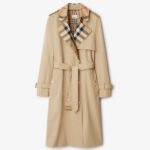
When it comes to selecting the perfect fabric for your sewing projects, fashion designs, or home décor, one critical factor often overlooked is fabric weight. Understanding fabric weight is essential to ensure your finished piece not only looks great but also performs well, whether it’s a breezy summer blouse or a durable winter coat. In this comprehensive Fabric Weight Guide: Lightweight vs Midweight vs Heavyweight, we’ll break down what fabric weight means, how it’s measured, and how to choose the right weight for your needs.
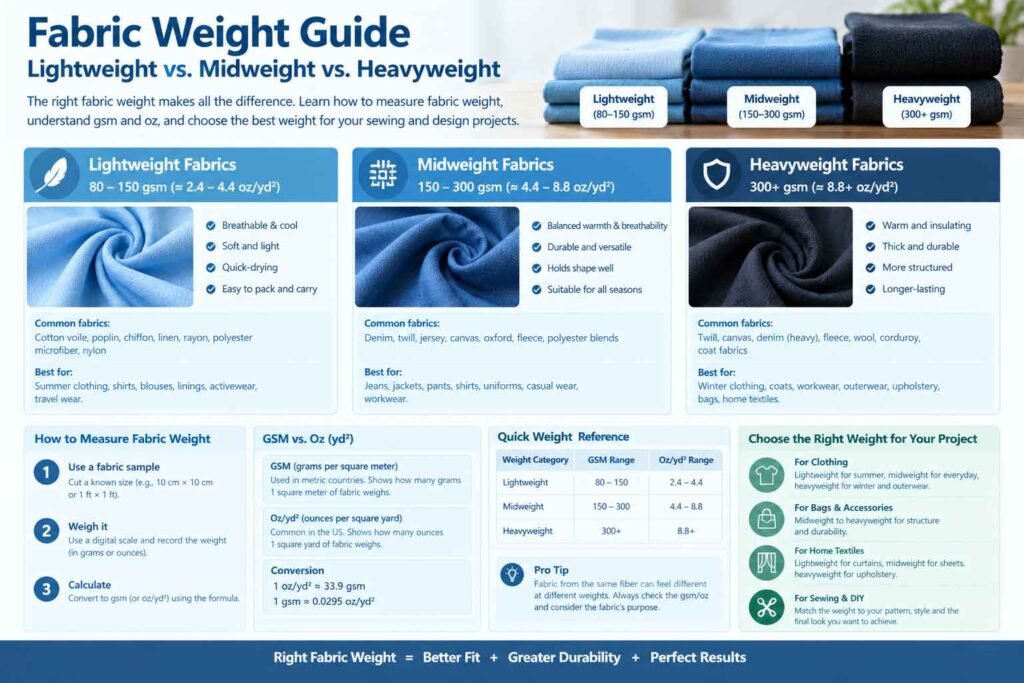
Fabric Weight Guide
What Is Fabric Weight?
Fabric weight refers to the mass of a fabric per unit area, typically measured in grams per square meter (gsm) or ounces per square yard (oz/yd²). Unlike thickness, which measures how thick a fabric feels, fabric weight quantifies how dense or heavy a fabric is, giving insight into its durability, drape, breathability, and warmth.
- Grams per Square Meter (gsm): The international standard, widely used outside the US. It measures how many grams a one-meter by one-meter piece of fabric weighs.
- Ounces per Square Yard (oz/yd²): Commonly used in the US, especially for heavier fabrics like denim and canvas.
Conversion: 1 oz/yd² ≈ 33.9 gsm. For example, a 12 oz denim corresponds roughly to 400 gsm.
Why Fabric Weight Matters
Fabric weight plays a pivotal role in determining:
- Comfort and Breathability: Lightweight fabrics offer excellent airflow, ideal for warm climates or activewear, while heavyweight fabrics provide insulation and warmth.
- Drape and Structure: Lighter fabrics drape softly and flow with movement, perfect for blouses or scarves. Heavier fabrics hold their shape better, suitable for structured garments like jackets or trousers.
- Durability: Heavier fabrics generally withstand wear and tear better, making them ideal for workwear, upholstery, or outerwear.
- Opacity: Lightweight fabrics can be semi-sheer, requiring linings, whereas heavyweight fabrics offer full coverage.
- Cost: Heavier fabrics use more raw material, often increasing production costs.
Understanding Fabric Weight Categories
Fabric weights are broadly categorized into three groups:
| Weight Category | GSM Range | OZ/yd² Range | Characteristics & Typical Uses |
|---|---|---|---|
| Lightweight | Below 150 gsm | Up to 4.5 oz | Soft, breathable, semi-sheer; summer tops, scarves, blouses, underwear |
| Midweight | 150 – 250 gsm | 4.5 – 8 oz | Balanced durability and comfort; t-shirts, dresses, skirts, casual pants |
| Heavyweight | Above 250 gsm | From 8 oz upwards | Durable, warm, structured; denim jeans, jackets, coats, upholstery |
Lightweight Fabrics: Ideal for Breathability and Comfort
Lightweight fabrics, typically under 150 gsm, are perfect for garments that require softness, flow, and breathability. Examples include cotton lawn, voile, chiffon, and lightweight jersey knits.
Key Features:
- Excellent airflow and moisture-wicking.
- Soft drape and fluid movement.
- Often semi-sheer; may require lining for opacity.
- Ideal for summer wear, base layers, and delicate accessories.
Common Uses:
- Summer blouses and dresses
- Scarves and linings
- Lightweight curtains
Sewing Tips: Use fine needles and lightweight thread to avoid puckering. Handle gently to prevent stretching or distortion.
Midweight Fabrics: The Versatile Middle Ground
Midweight fabrics range from 150 to 250 gsm and offer a balance between structure and softness. They’re the most versatile, suitable for year-round wear and a broad range of projects.
Examples: Cotton poplin, chambray, medium-weight linen, cotton jersey, and twill.
Key Features:
- Balanced breathability and durability.
- Good opacity without being heavy.
- Holds shape well, ideal for casual shirts, dresses, skirts, and pants.
- Easier to sew than very light or very heavy fabrics.
Common Uses:
- Everyday t-shirts and polos
- Casual trousers and skirts
- Pajamas and children’s wear
- Curtains and light upholstery
Sewing Tips: Midweight fabrics are beginner-friendly. Use standard sewing machine needles and threads. Press seams well for a professional finish.
Heavyweight Fabrics: Durability and Warmth
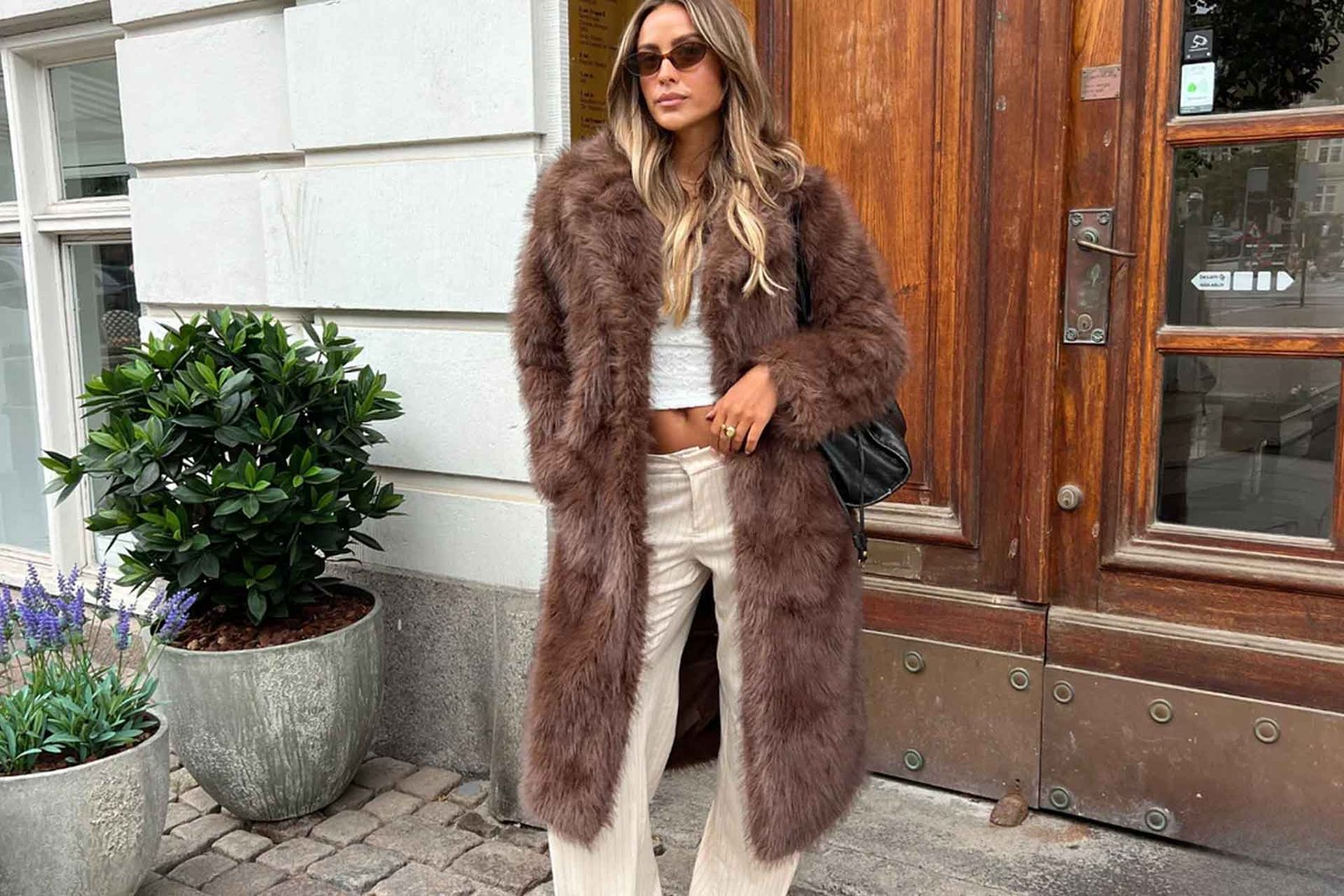
Heavyweight fabrics exceed 250 gsm and are known for their durability, warmth, and structure. These fabrics are often tightly woven or knitted, making them ideal for outerwear and heavy-use items.
Examples: Denim, canvas, wool coating, tweed, heavy twill.
Key Features:
- High durability and abrasion resistance.
- Excellent insulation and warmth.
- Stiff drape, ideal for structured garments.
- Often opaque and less breathable.
Common Uses:
- Jeans and workwear
- Jackets and coats
- Upholstery and heavy curtains
- Bags and backpacks
Sewing Tips: Use heavy-duty needles (denim or leather needles) and thicker threads. Reinforce seams with flat-felled or French seams. Adjust machine tension and stitch length for thicker layers.
How to Measure Fabric Weight
Measuring fabric weight accurately helps you make informed decisions:
- Cut a Sample: Take a precise fabric sample, usually 10 cm x 10 cm (100 cm²).
- Weigh the Sample: Use a digital scale with 0.01 g precision.
- Calculate GSM: Multiply the sample weight in grams by 100 to get grams per square meter.
- Convert to OZ/yd²: Divide gsm by 33.9 for ounces per square yard.
Note: Fabric weight can vary slightly across a roll and after finishing processes like dyeing or washing.
Factors Influencing Fabric Weight
Fabric weight depends not only on the fiber but also on:
- Fiber Type: Wool traps more air and feels warmer than cotton at the same gsm.
- Weave/Knit Density: Tighter weaves increase weight and durability.
- Thread Thickness: Thicker yarns add heft and texture.
- Finishing Treatments: Dyeing, brushing, or coating can add or reduce weight.
Choosing the Right Fabric Weight for Your Project
Consider these factors when selecting fabric weight:
- Climate: Lightweight fabrics suit hot, humid weather; heavyweight fabrics are better for cold climates.
- Garment Type: Flowing dresses and blouses benefit from lightweight or midweight fabrics; structured pants and jackets require midweight to heavyweight.
- Activity Level: Activewear needs breathable, lightweight fabrics; workwear demands durable, heavyweight materials.
- Skill Level: Beginners should start with midweight fabrics, which are easier to handle.
Fabric Weight and Sustainability
Selecting the appropriate fabric weight also impacts sustainability:
- Durability: Heavier fabrics often last longer, reducing the need for frequent replacement.
- Resource Use: Heavier fabrics consume more raw materials and energy during production.
- Waste Reduction: Choosing the right weight for your project minimizes fabric waste and improves garment lifespan.
Summary Table: Fabric Weight Guide
| Fabric Type | Weight Category | GSM Range | Typical Use |
|---|---|---|---|
| Cotton Lawn | Lightweight | Up to 150 | Summer blouses, scarves |
| Cotton Poplin | Lightweight | Up to 150 | Shirts, dresses |
| Linen | Midweight | 150 – 270 | Pants, skirts, casual wear |
| French Terry | Midweight | 150 – 270 | Sweatshirts, loungewear |
| Denim | Heavyweight | From 270 | Jeans, jackets |
| Wool Coating | Heavyweight | From 270 | Coats, outerwear |
| Canvas | Heavyweight | 270+ | Bags, upholstery |
Final Thoughts
Understanding fabric weight is a game-changer for anyone working with textiles. Whether you’re sewing your first garment or designing a fashion collection, knowing the difference between lightweight, midweight, and heavyweight fabrics ensures your project meets the desired comfort, durability, and aesthetic goals.
By mastering fabric weight, you can confidently select materials that perform well in their intended use, enhance your sewing experience, and create garments or home textiles that last.
Ready to choose the perfect fabric for your next project? Use this fabric weight guide as your go-to resource and explore fabric swatches to feel the difference firsthand. Don’t forget to share this guide with fellow sewing enthusiasts and designers to help them make smarter fabric choices!