Choosing between woven and non woven geotextile fabric is one of the most important decisions in construction and civil engineering projects. Using the wrong type can lead to poor performance, drainage issues, or even structural failure.
👉 Quick answer:
- Use woven geotextile for strength and reinforcement (e.g., roads)
- Use non-woven geotextile for filtration and drainage
In this guide, you’ll learn the key differences, performance characteristics, and how to choose the right geotextile for your application.
Quick Comparison: Woven vs Non Woven Geotextile
| Feature | Woven Geotextile | Non Woven Geotextile |
|---|---|---|
| Structure | Woven fibers | Bonded fibers |
| Tensile Strength | High | Moderate |
| Permeability | Low | High |
| Filtration | Limited | Excellent |
| Best Use | Roads, reinforcement | Drainage, filtration |
What Is Woven Geotextile Fabric?
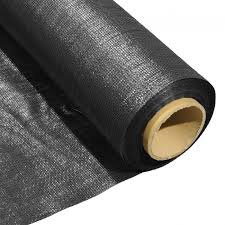
Woven Geotextile Fabric
Woven geotextile is made by weaving synthetic fibers together, creating a strong and stable structure.
✔ Key Characteristics:
- High tensile strength
- Low elongation
- Strong load-bearing capacity
✔ Best Applications:
- Road construction
- Soil stabilization
- Base reinforcement
What Is Non Woven Geotextile Fabric?
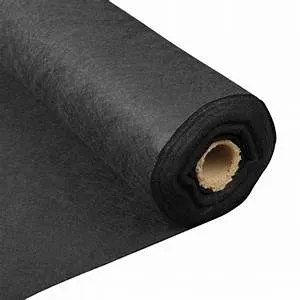
Non Woven Geotextile Fabric
Non woven geotextile is produced by bonding fibers using heat or chemicals rather than weaving.
✔ Key Characteristics:
- High permeability
- Excellent filtration
- Flexible structure
✔ Best Applications:
- Drainage systems
- Erosion control
- Landscaping
Key Differences Explained
Strength and Load Capacity
Woven geotextiles are significantly stronger and better suited for load-bearing applications.
Permeability and Water Flow
Non woven geotextiles allow water to pass through easily, making them ideal for drainage and filtration.
Flexibility
Non woven fabrics are more flexible and easier to install in uneven surfaces.
Durability
Woven fabrics generally offer better long-term strength under heavy loads.
When to Use Woven Geotextile
Choose woven geotextile when:
- You need high strength and reinforcement
- The project involves heavy loads
- You are working on roads or infrastructure
👉 Ideal for structural applications.
When to Use Non Woven Geotextile
Choose non woven geotextile when:
- Drainage and filtration are required
- Water flow is important
- You are working on landscaping or erosion control
👉 Ideal for water management applications.
Common Mistakes to Avoid
❌ Using Woven Fabric for Drainage
It may block water flow and cause failure.
❌ Using Non Woven for Heavy Load Projects
It may not provide enough strength.
❌ Ignoring Soil Conditions
Different soils require different geotextile properties.
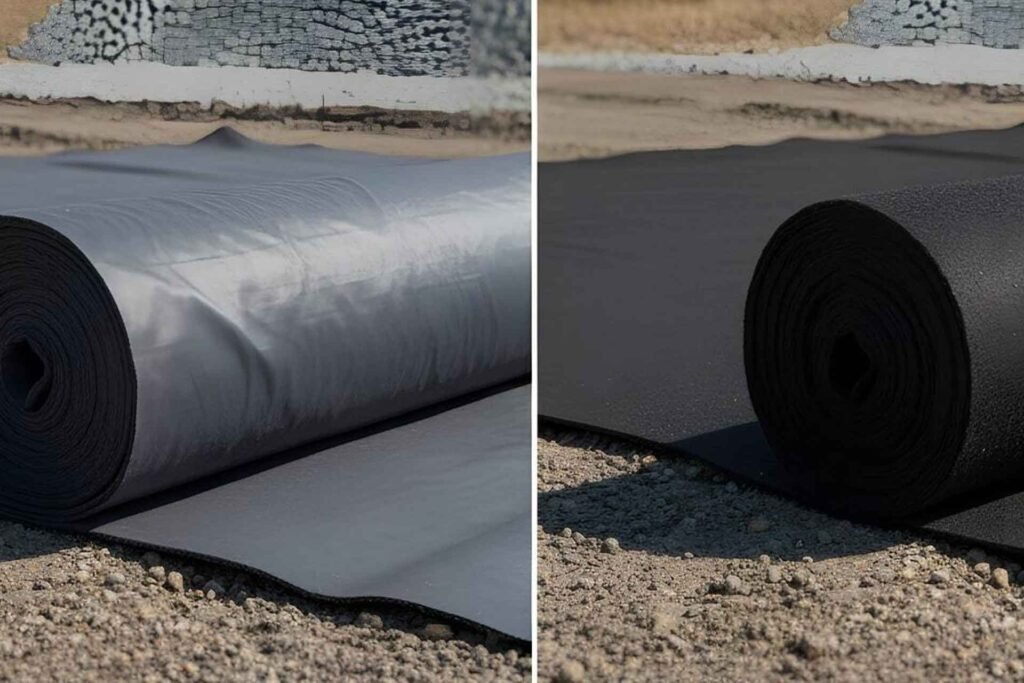
difference between woven and nonwoven geotextile
FAQs
What is the difference between woven and nonwoven geotextile?
Woven is stronger and used for reinforcement, while non woven is better for filtration and drainage.
Which geotextile is better?
Neither is universally better—it depends on the application.
Can I use non woven geotextile for roads?
It is generally not recommended for heavy load-bearing applications.
Final Thoughts
Woven and non woven geotextiles serve different purposes, and choosing the right one depends on your project requirements.
👉 The key is simple:
- Woven = strength and reinforcement
- Non woven = filtration and drainage
Making the right choice ensures better performance, longer lifespan, and cost efficiency in your project.
Need Help Choosing the Right Geotextile?
Selecting the correct type and specification is critical for project success.
👉 Contact us for expert advice, product recommendations, and competitive pricing based on your specific application.