Bamboo Rayon Is Everywhere — But It’s Often Misunderstood
Bamboo rayon is widely marketed as a natural, eco-friendly fabric used in clothing, bedding, and home textiles.
It sounds simple:
bamboo + rayon = natural fabric
But the reality is more complicated.
👉 Bamboo rayon is not a natural fiber — it is a chemically processed regenerated fabric.
This raises an important question:
Is bamboo rayon really eco-friendly, or is it just clever marketing?
What Is Bamboo Rayon?
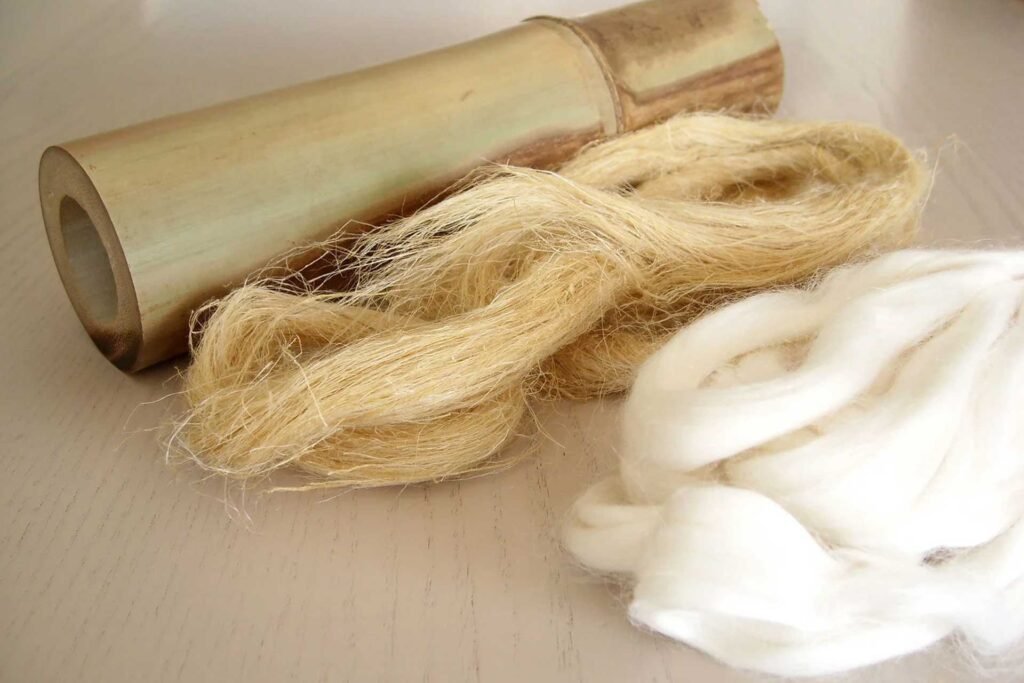
Bamboo rayon (also called bamboo viscose) is a type of regenerated cellulose fiber.
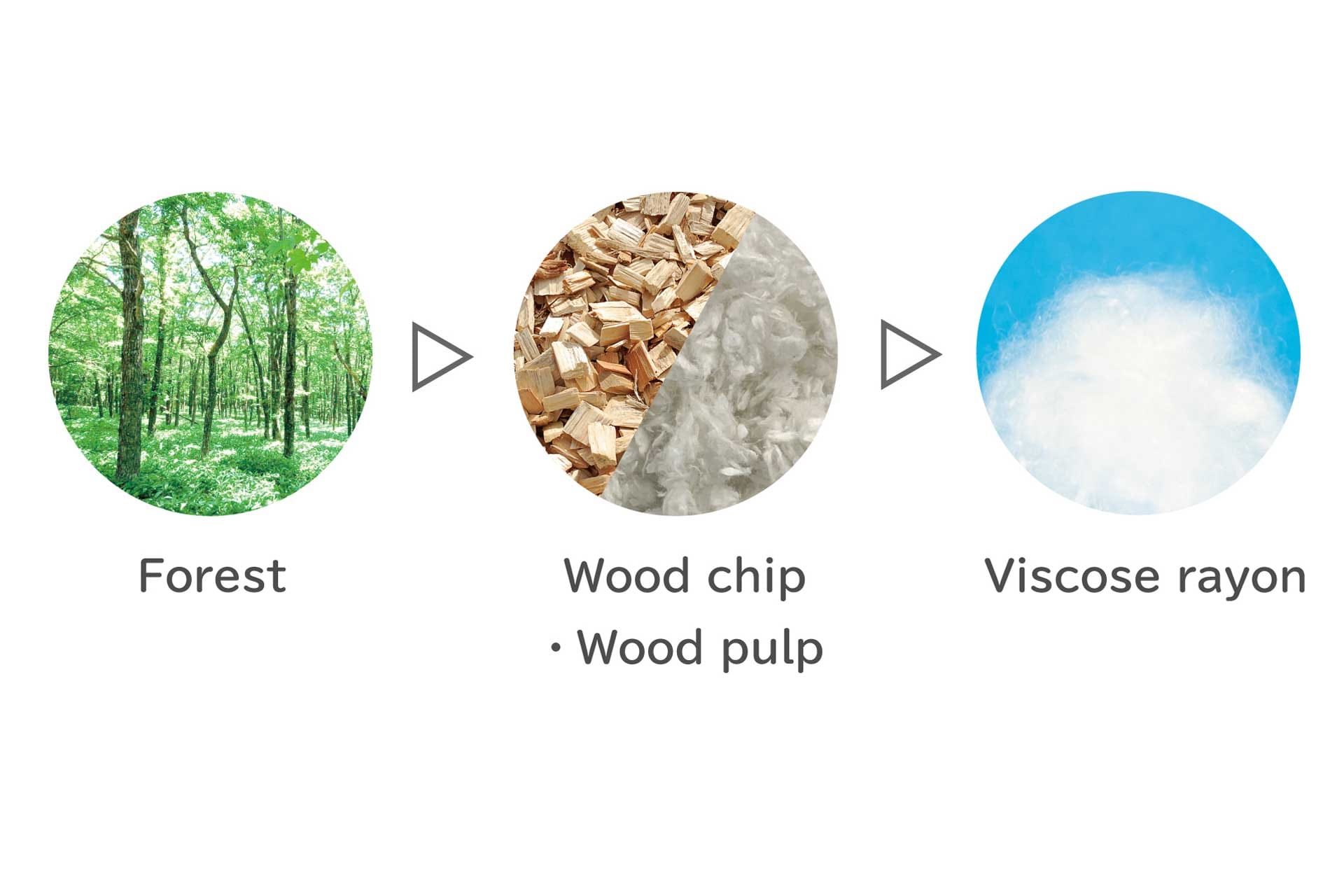
It starts with bamboo pulp, but undergoes a chemical process that transforms it into textile fiber.
Key point:
👉 The final fabric no longer looks or behaves like bamboo.
It becomes similar to:
- rayon
- viscose
- modal (in structure category)
What Is Rayon Derived From Bamboo
How Bamboo Rayon Is Made
The production process typically involves:
- Crushing bamboo into pulp
- Dissolving it using chemical solvents
- Extracting cellulose
- Spinning it into fibers
- Weaving into fabric
👉 This process often uses chemicals such as:
- sodium hydroxide
- carbon disulfide
These are part of the traditional viscose method used in many rayon fabrics.
Is Bamboo Rayon Really Eco-Friendly? (The Truth)
This is where most confusion happens.
✔ The “green” argument:
- Bamboo grows fast
- Requires little pesticide
- Renewable resource
❌ The reality:
According to textile industry analysis and environmental reports:
- Bamboo must be heavily chemically processed
- The final fabric is no longer “natural bamboo”
- Chemical waste can be environmentally harmful
- Water and energy consumption is high
👉 In many cases, bamboo rayon is environmentally similar to conventional rayon made from wood pulp.
Does Bamboo Rayon Still Have Benefits?
Yes — despite environmental concerns, it does have advantages:
- Very soft and smooth
- Breathable and lightweight
- Moisture-wicking
- Comfortable for skin contact
👉 That’s why it is widely used in:
- bedding
- underwear
- summer clothing
Problems and Limitations of Bamboo Rayon
❌ 1. Misleading “natural bamboo” labeling
Many consumers think it is raw bamboo fiber — it is not.
❌ 2. Chemical processing concerns
Traditional viscose production can involve harsh solvents.
❌ 3. Environmental trade-offs
Even though bamboo is sustainable as a plant, the processing reduces its eco advantage.
❌ 4. Not the most sustainable bamboo fabric
More advanced alternatives exist.
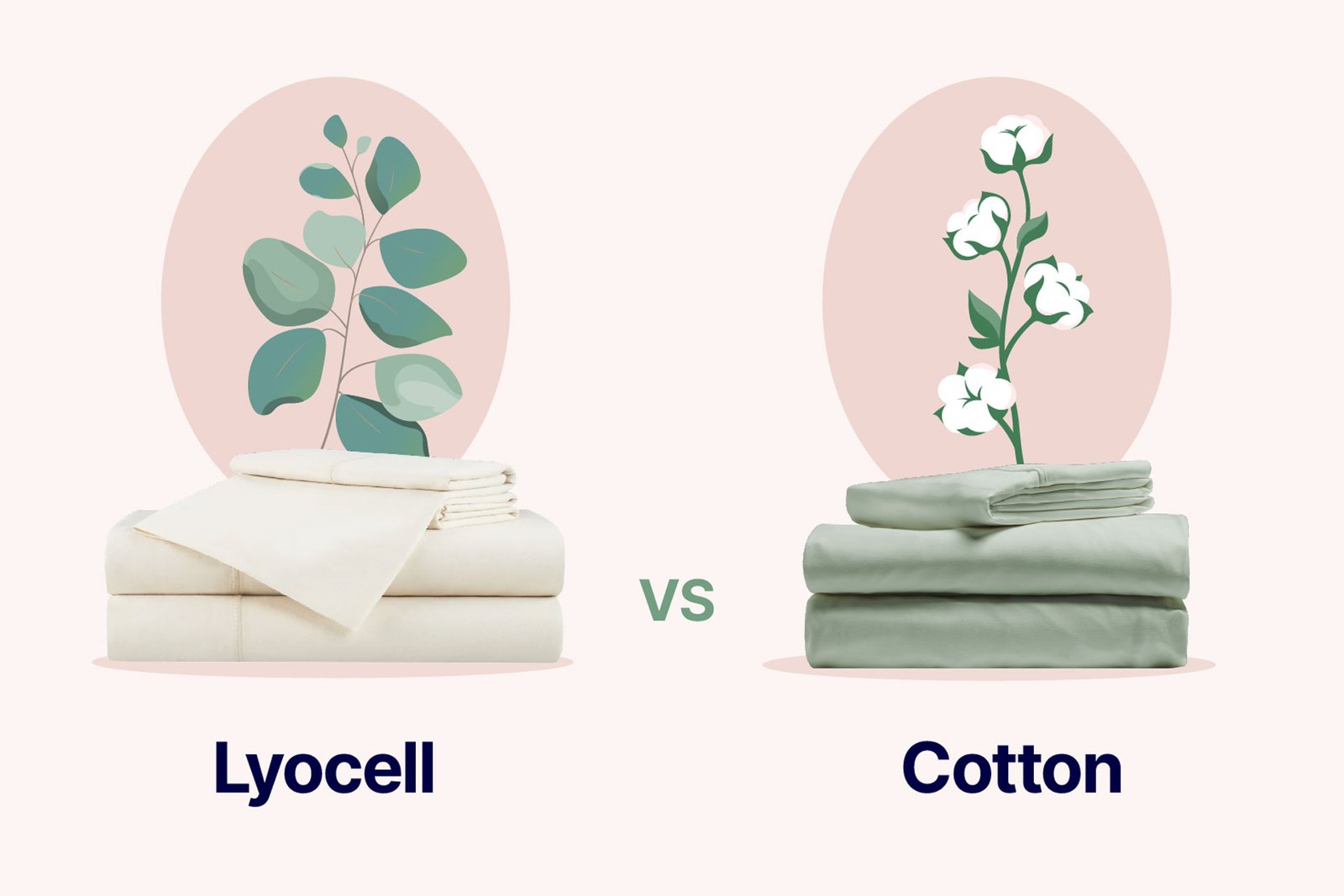
Bamboo Rayon vs Bamboo Lyocell (Important Comparison)
Bamboo Rayon (Viscose)
- Older process
- Chemical-intensive
- Environmental concerns
Bamboo Lyocell
- Closed-loop system
- Recycled solvents
- Much more eco-friendly
👉 If sustainability matters, lyocell is generally the better option.
Better Alternatives to Bamboo Rayon
If your goal is truly eco-friendly fabric, consider:
- Organic cotton – natural and widely available
- Tencel / Lyocell – low-impact production
- Linen – durable and breathable
- Modal – smoother, more controlled production
Final Verdict: Should You Choose Bamboo Rayon?
Bamboo rayon is:
✔ Soft and comfortable
✔ Affordable and widely available
❌ Not truly “natural bamboo fabric”
❌ Not the most eco-friendly option
👉 The key takeaway:
Bamboo rayon is better described as a comfortable semi-synthetic fabric — not a pure eco fabric.
Looking for Fabric Alternatives or Bulk Supply?
If you are sourcing sustainable or performance textiles for manufacturing, choosing the right fiber type is critical for both product quality and environmental positioning.
👉 Contact us for material specifications, samples, and bulk pricing options.