When choosing fabrics, the word 'wool' often brings to mind thoughts of heavy, scratchy garments reserved for the peak of winter. However, Merino wool has transformed this perception entirely.
If you are debating between merino vs regular wool, or wondering why high-end brands are obsessed with this specific fiber, this performance comparison will reveal why it is hailed as the 'king of fabrics.'

difference between wool and merino wool
1. The Core Difference: A Microscopic Secret
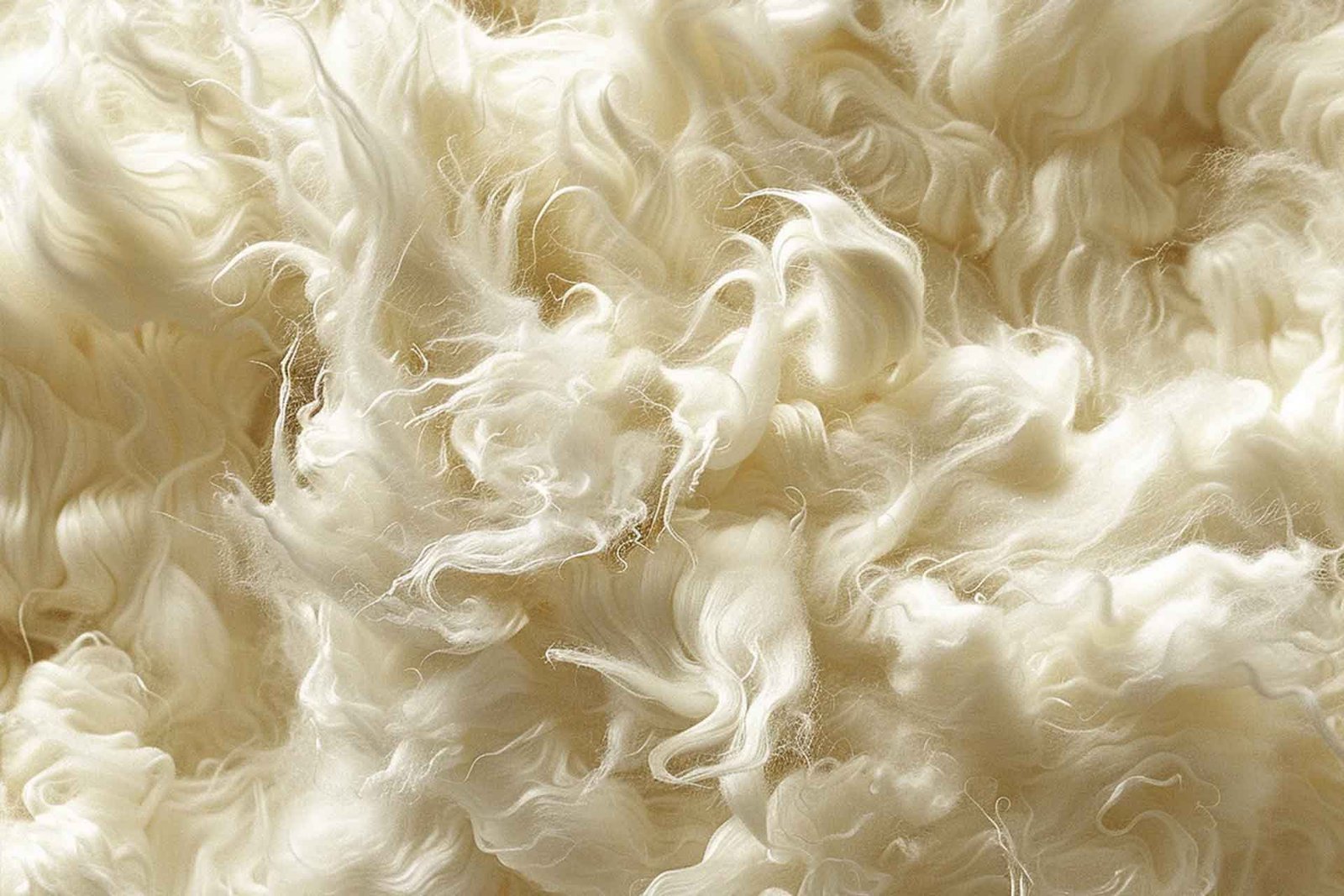
The fundamental difference between wool and merino wool lies in the diameter of the fiber. Regular wool fibers are thick and lack flexibility; when they press against the skin, they don't bend, which creates that classic prickly sensation. Merino fibers, however, are ultra-fine—typically one-tenth the thickness of a human hair—giving them a silk-like touch.
To visualize the performance gap, we have summarized the differences in the table below:
Performance Comparison: Merino Wool vs. Regular Wool
| Performance Metric | Regular Wool | Merino Wool |
| Softness | Coarser; can feel 'itchy' against the skin | Ultra-soft, silky touch; hypoallergenic and itch-free |
| Thermoregulation | Primarily for insulation; limited breathability | Smart temp-control: Warm in winter, cool in summer |
| Odor Resistance | Tends to absorb and retain sweat odors | Naturally antimicrobial; stays fresh for days |
| Moisture Wicking | Absorbs moisture but dries slowly | Superior wicking; keeps skin dry and dries rapidly |
2. Why High-End Apparel Demands Merino
In the world of fashion design, if you are planning to develop premium activewear, yoga gear, or intimate apparel, regular wool simply isn't up to the task.
-
For Activewear: Athletes need a fabric that can handle sweat and regulate body temperature in real-time. The moisture-wicking properties of Merino ensure that after intense exercise, sweat is quickly moved away, preventing the 'chilling' effect when you stop moving.
-
For Intimate Apparel: Comfort is the number one priority. The natural elasticity of Merino allows underwear to contour perfectly to the body, and its itch-free nature ensures all-day comfort without irritation.
3. Building a Premium Brand Starts with the Right Substrate
Understanding the wool vs merino wool distinction is the first step; the next is finding a high-quality material that brings your designs to life.
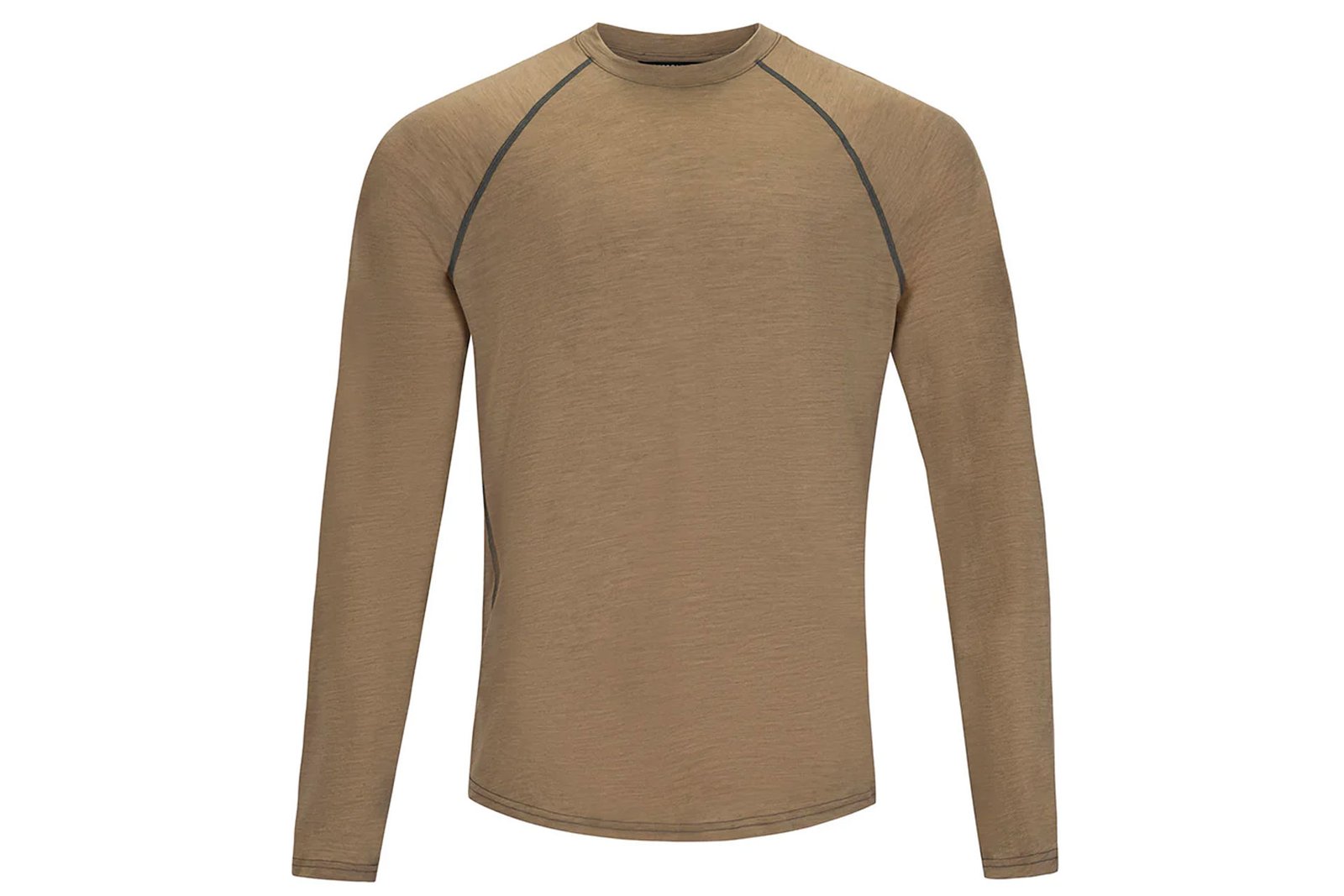
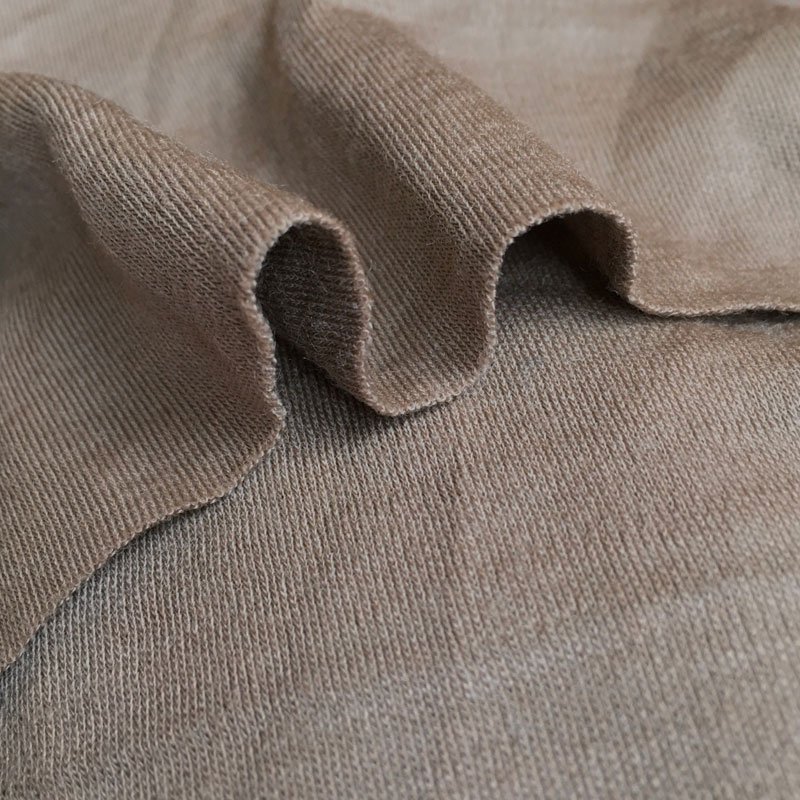
At TextileCloth.com, we understand that for premium clothing lines, fabric stability is just as important as hand-feel. Our high-density Merino Jersey Fabric is crafted from select long-staple Merino wool. This ensures that while the fabric retains its natural 'smart thermoregulation' and 'odor resistance,' it also offers enhanced pilling resistance and excellent wash-shrinkage rates.
For designers and brands pursuing the highest standards, using regular wool can diminish the perceived value of a garment. Our high-density Merino fabrics provide a visible, high-end texture—a quality that is not only seen in its subtle luster but felt the moment a customer puts it on.
Conclusion
In the contest of merino vs regular wool, Merino wool wins across every performance metric. It is more than just a natural fiber; it is a lifestyle choice representing comfort, technology, and luxury.