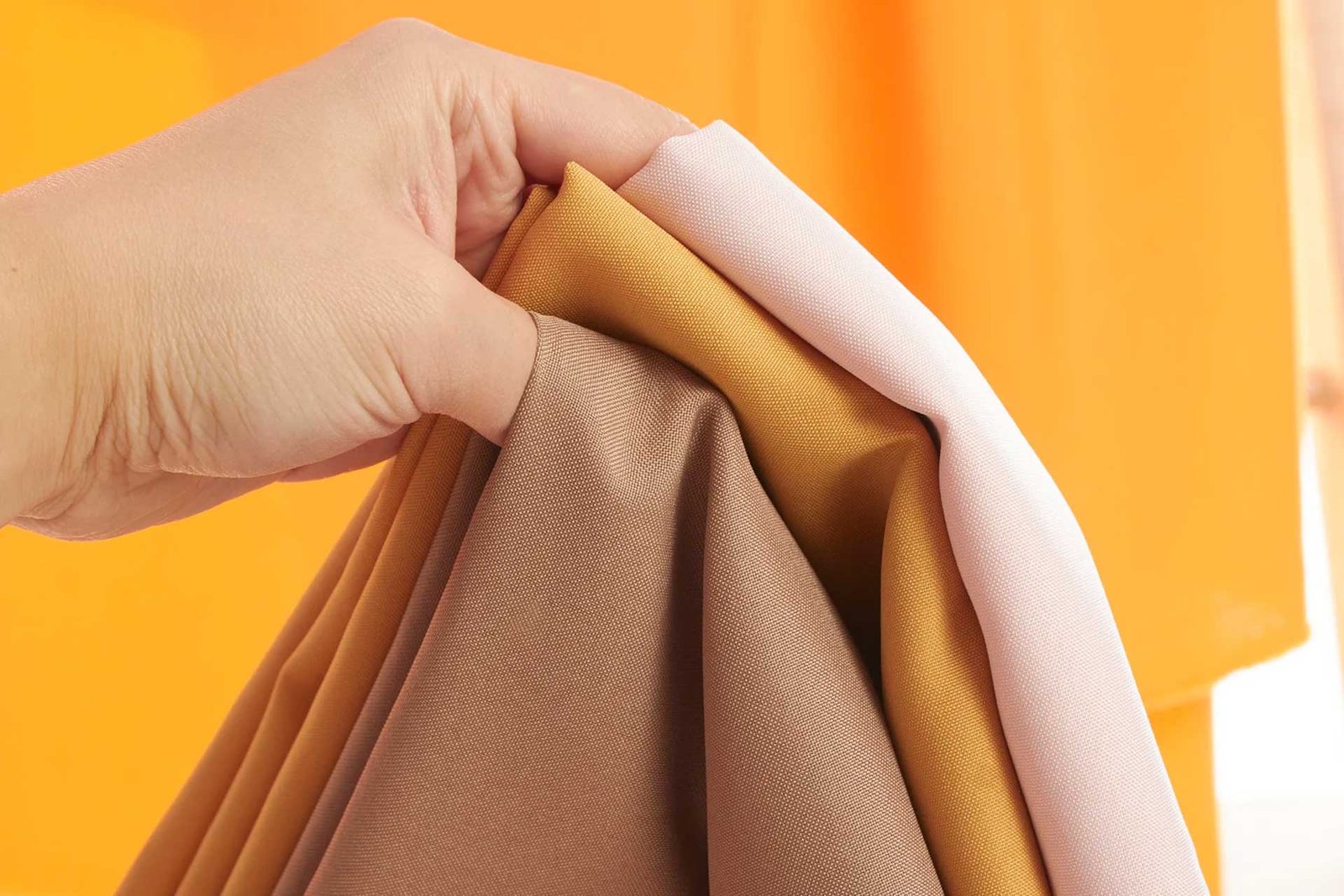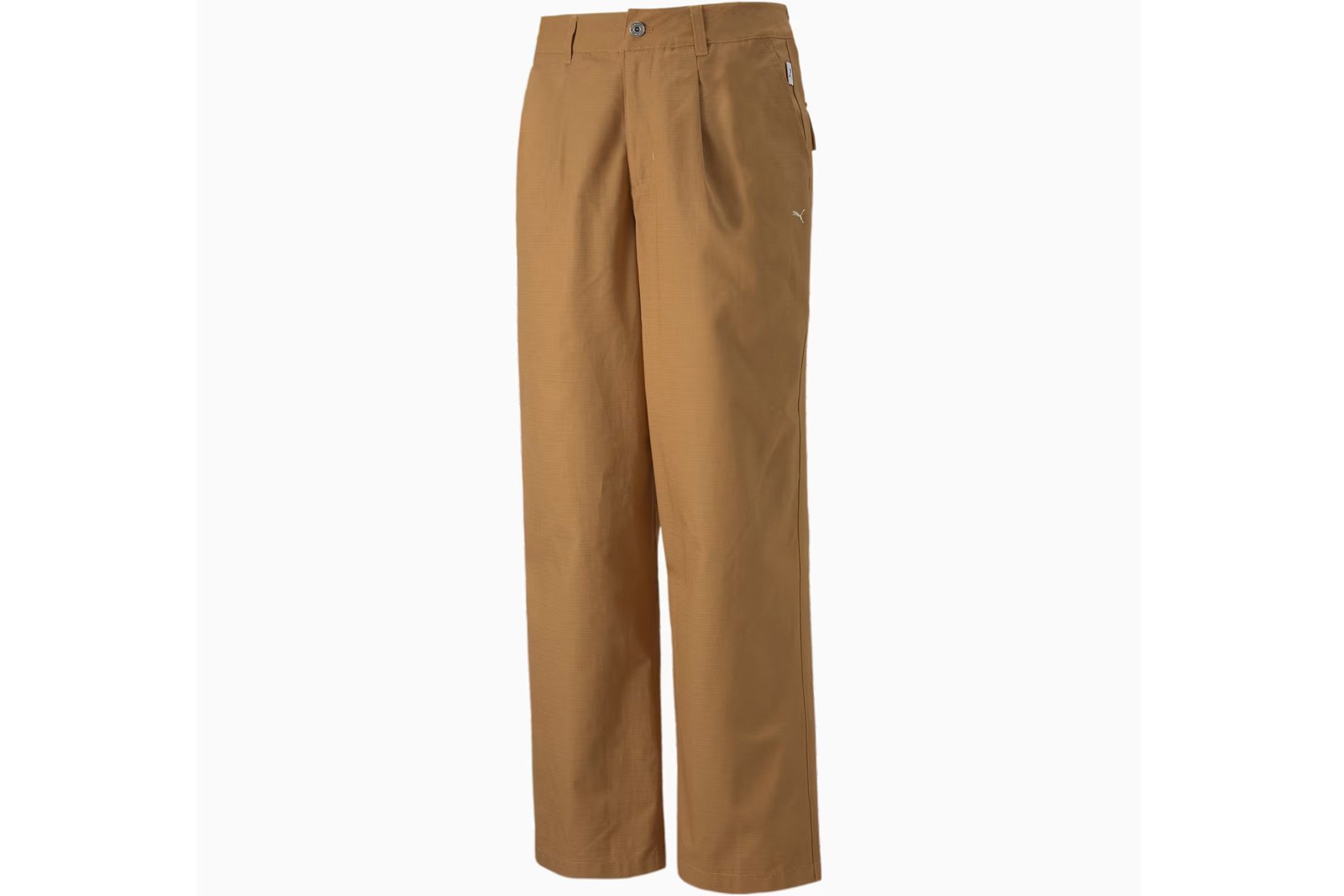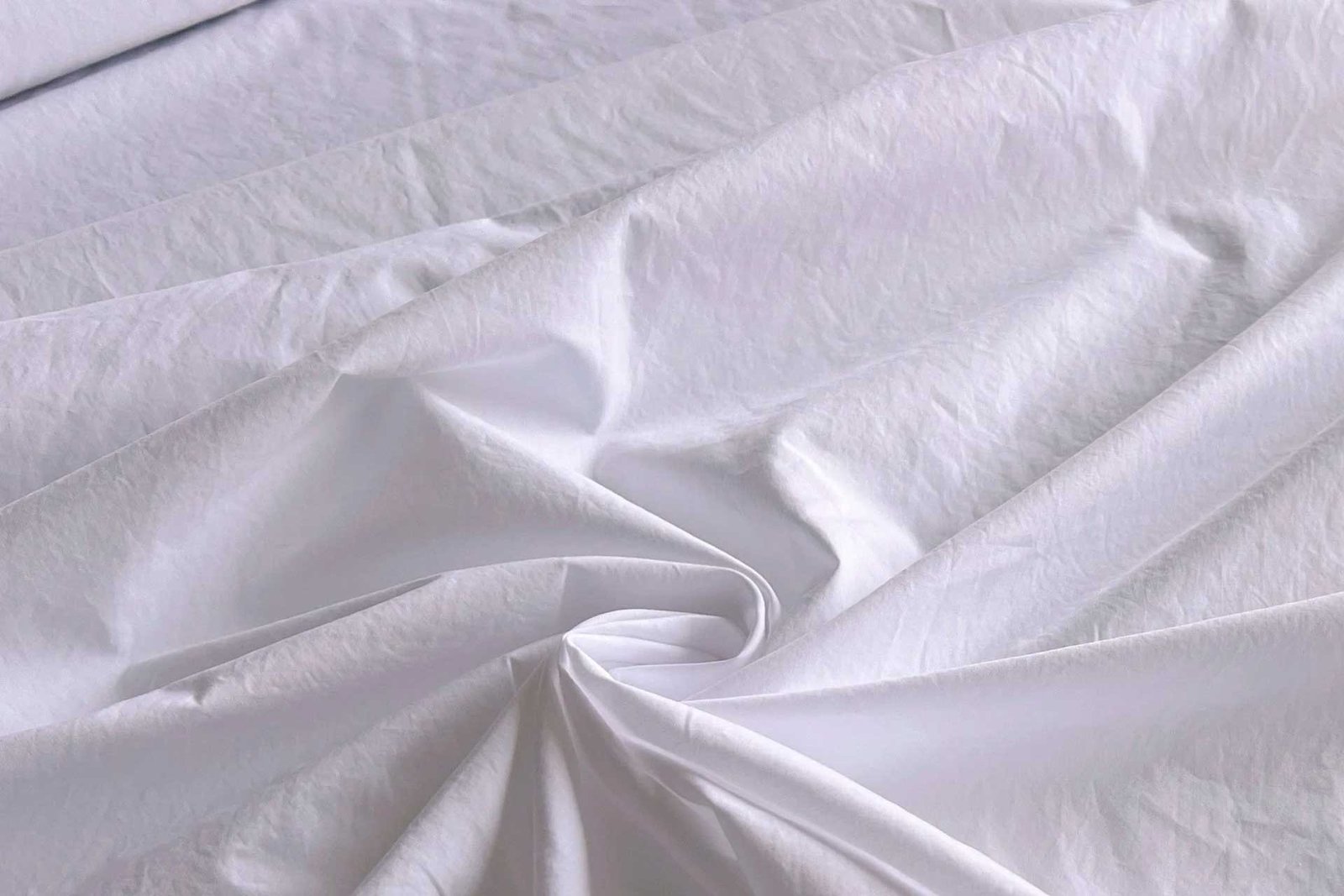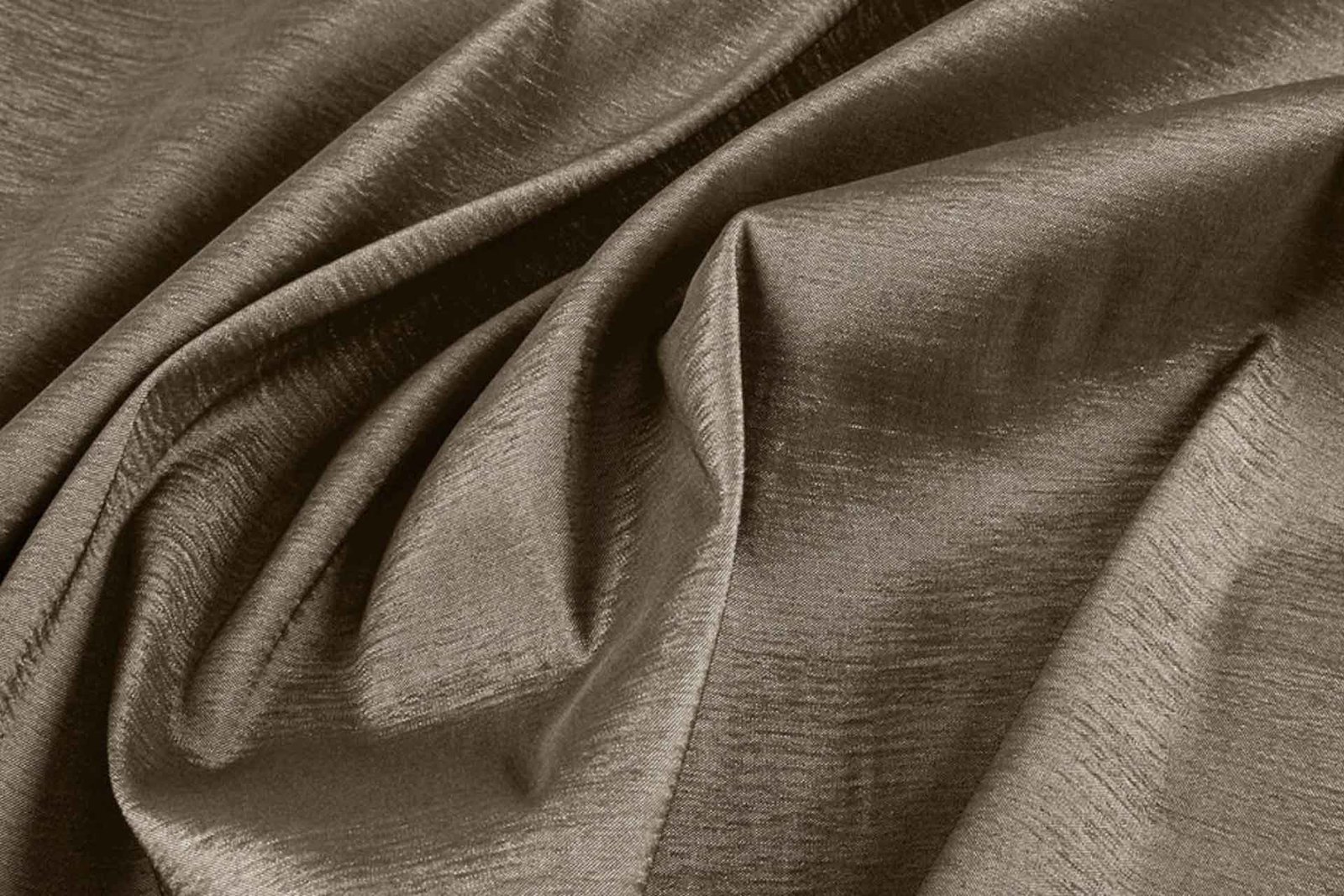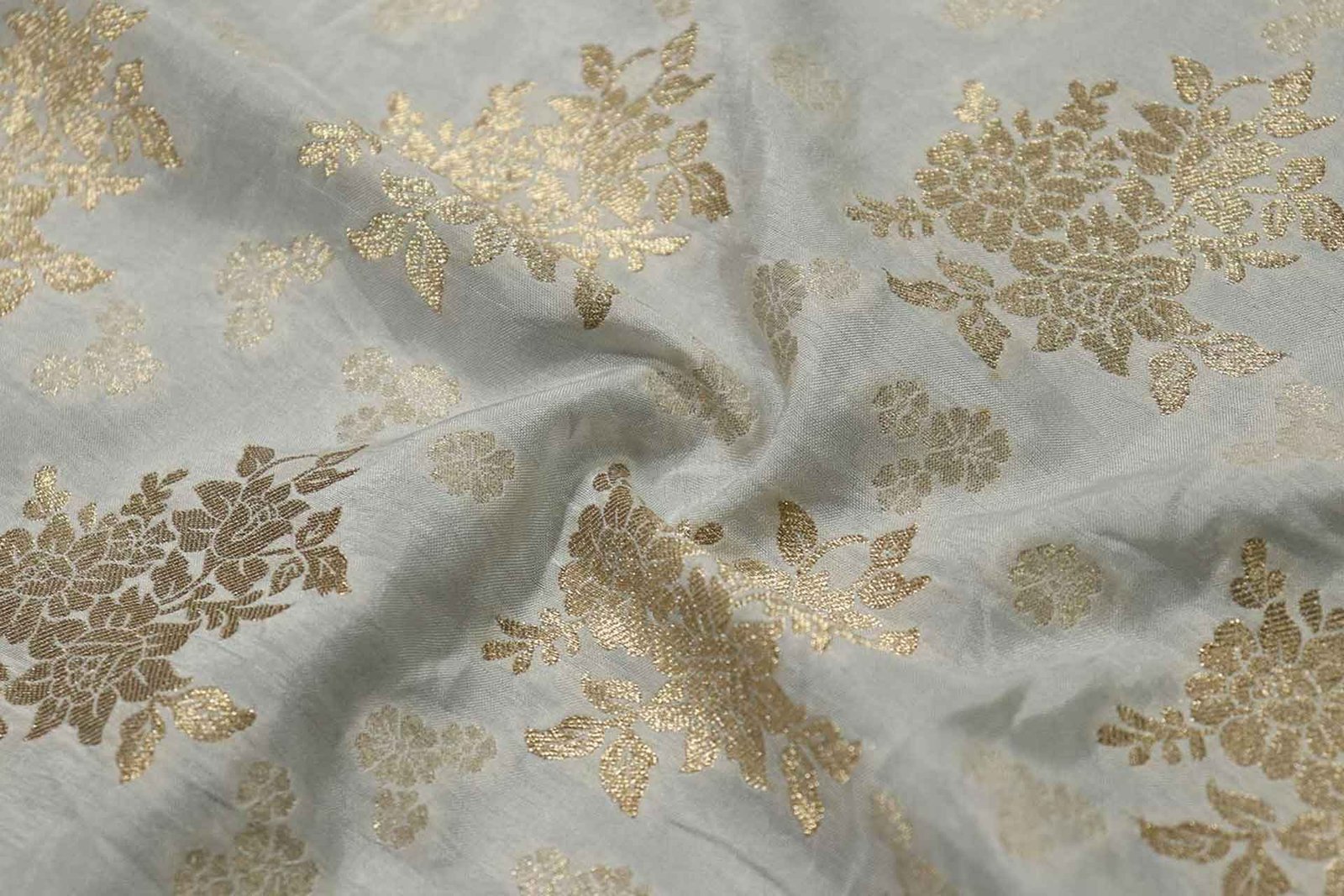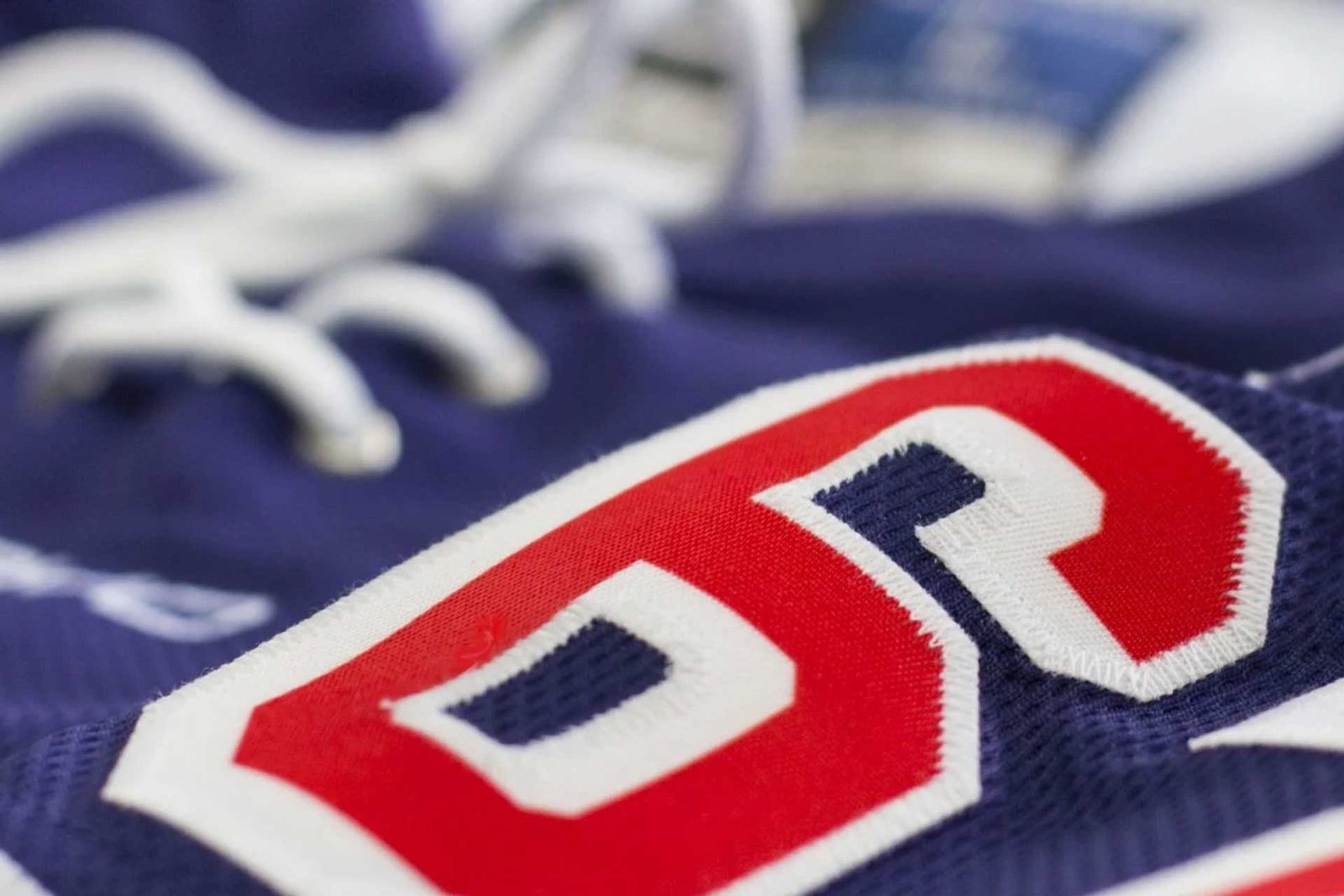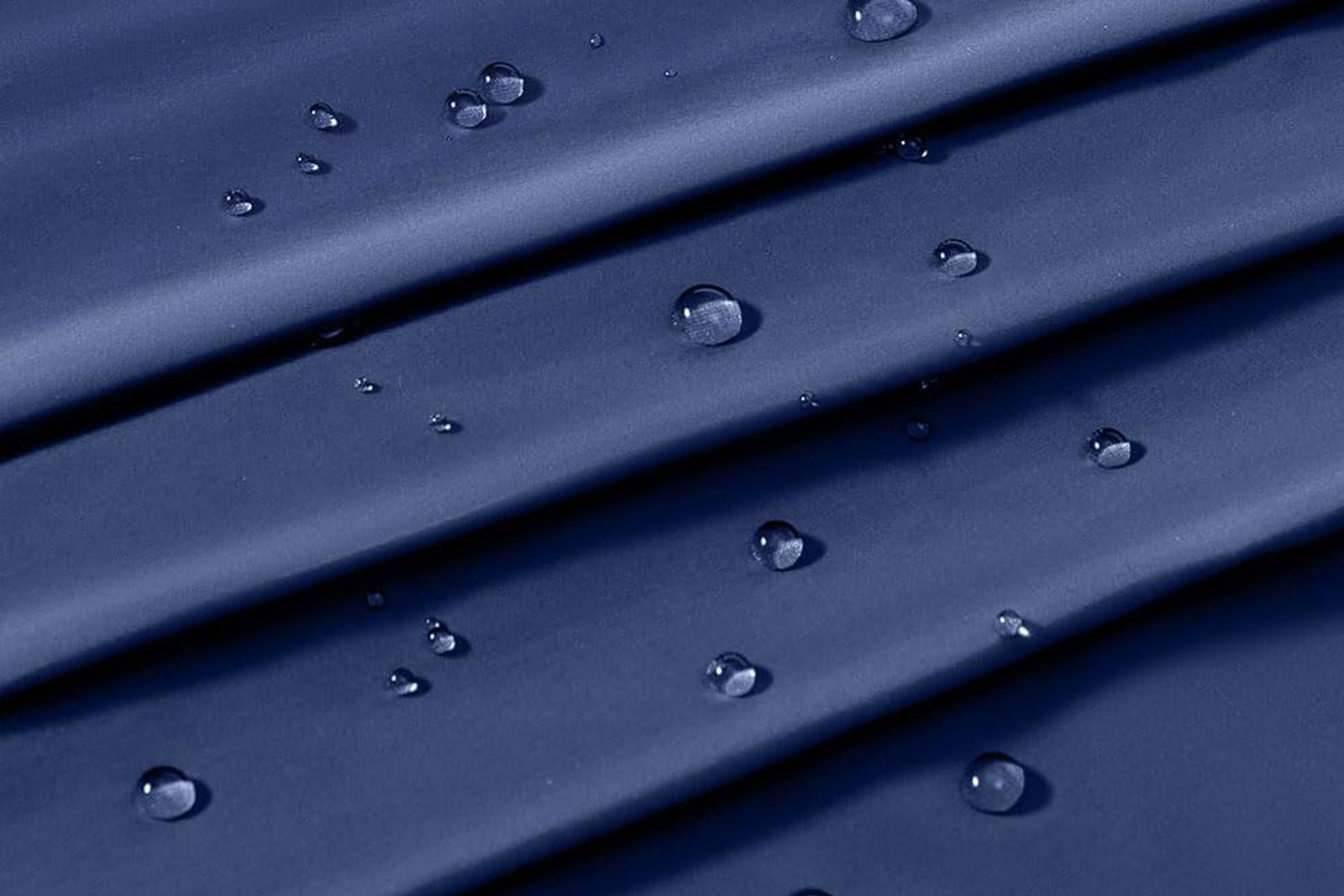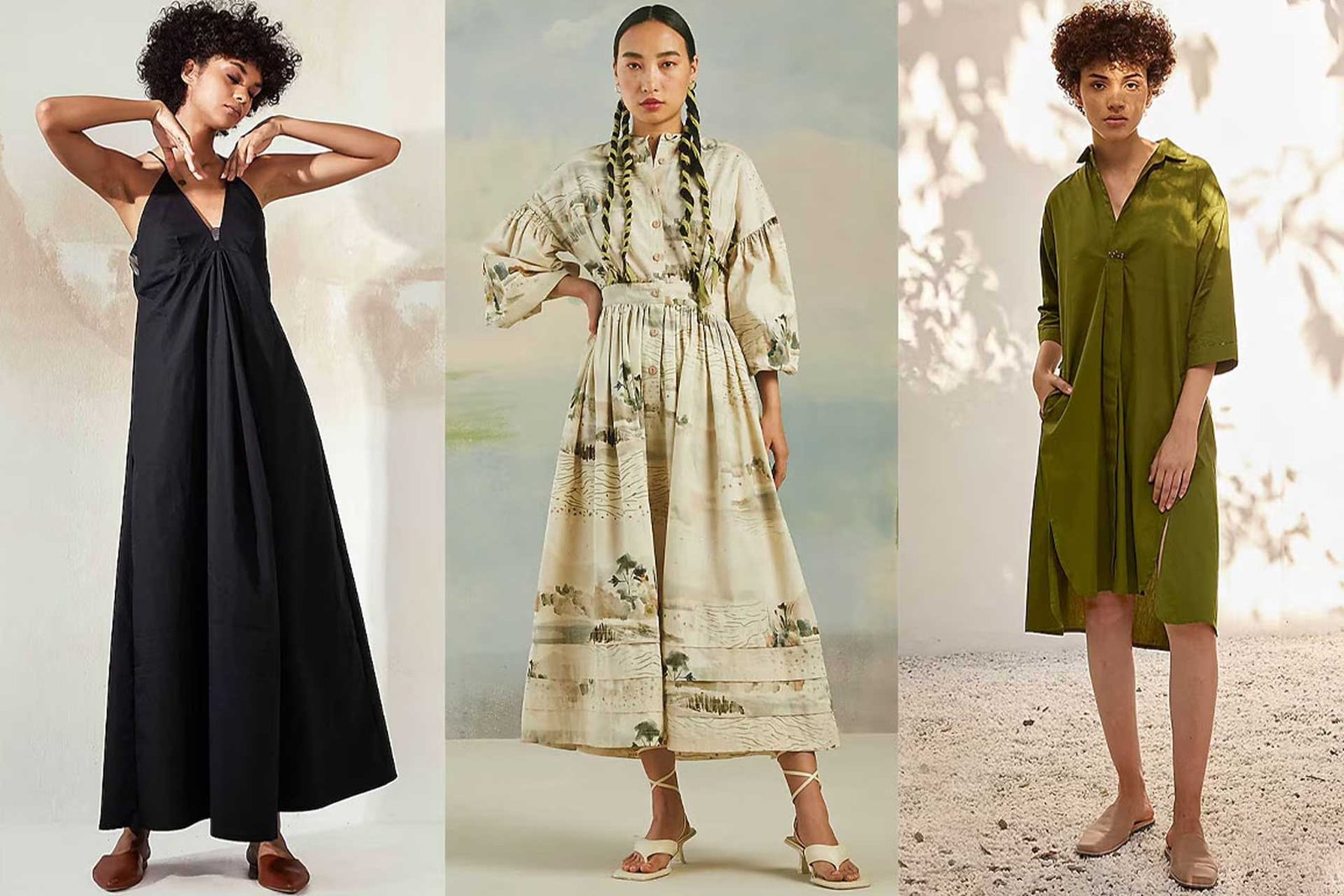
Twill fabric is one of the most widely used textile constructions in clothing and upholstery. From denim jeans to workwear and uniforms, twill fabrics are valued for their durability, wrinkle resistance, and distinctive diagonal texture.
If you've ever wondered “what is twill fabric?” or “what is twill?”, the answer lies in a unique weaving technique that creates its signature pattern.
What Is Twill Fabric? (Quick Definition)
What Is Twill Fabric
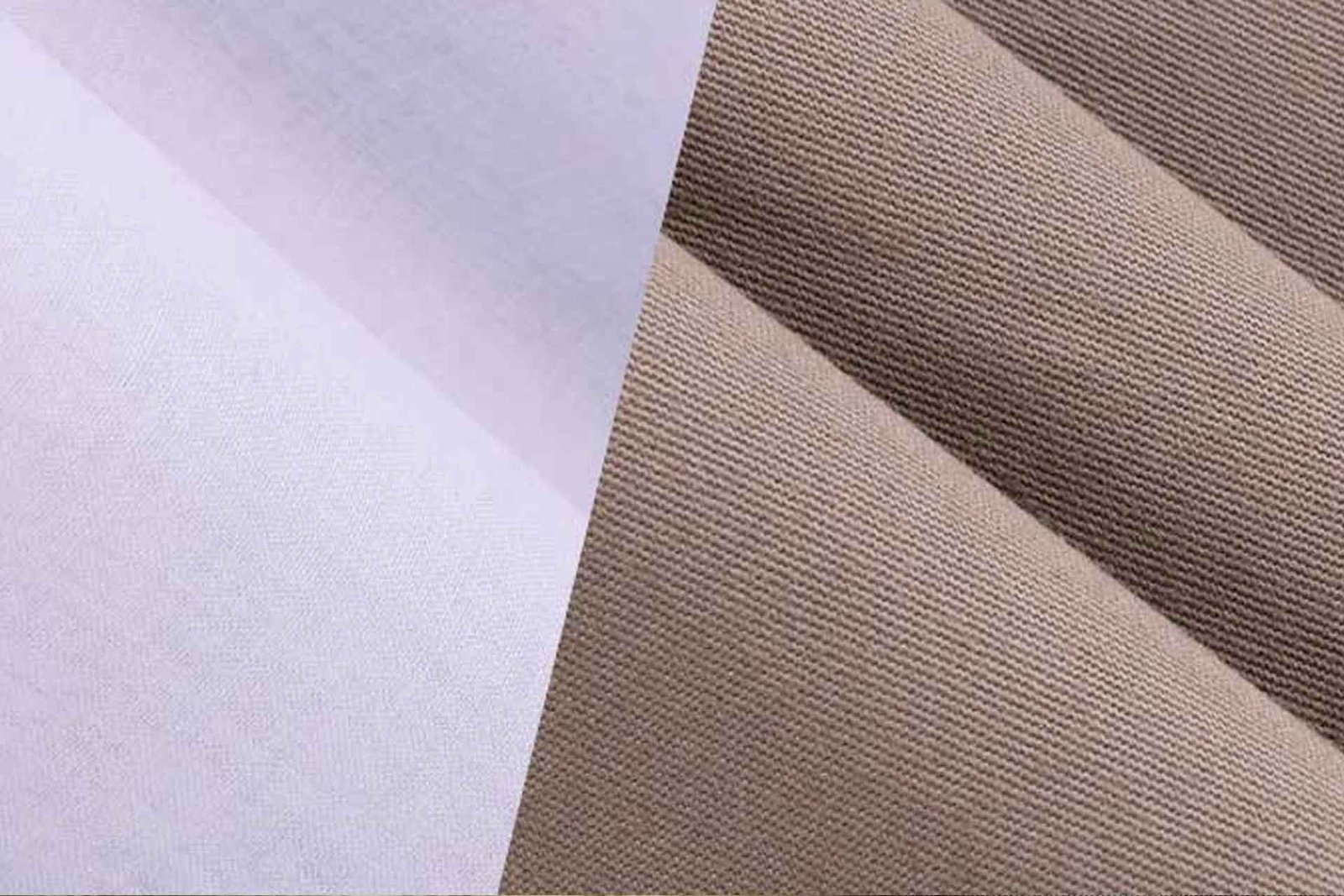
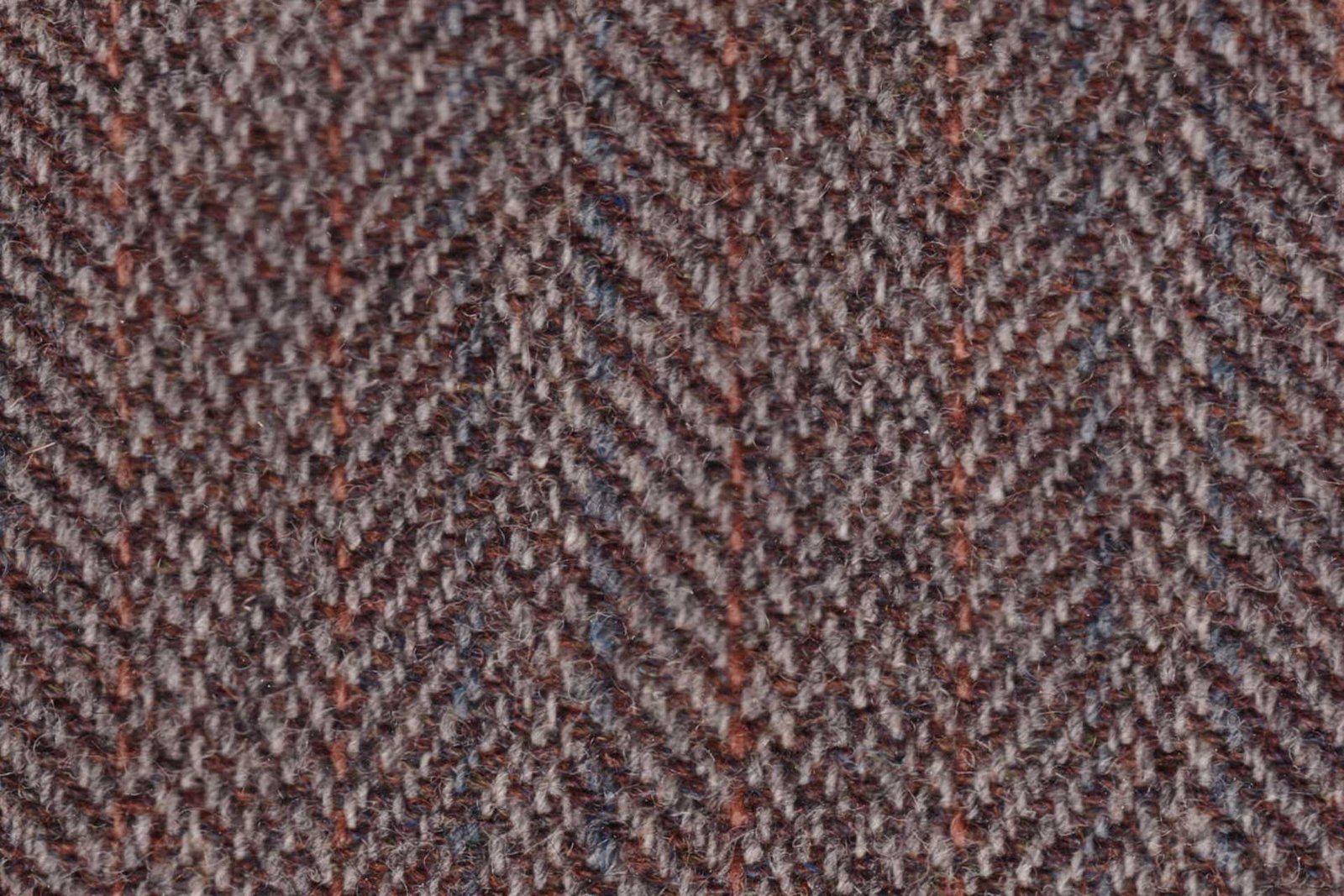
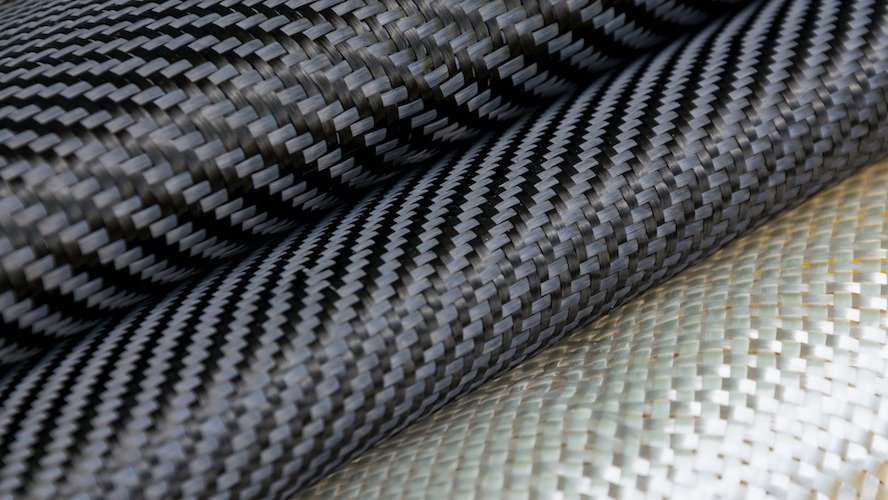
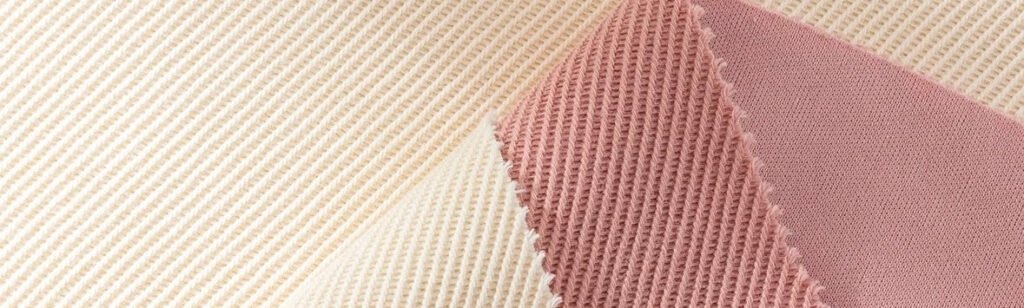
Twill fabric is a textile woven using a twill weave structure that creates a distinctive diagonal rib pattern on the surface.
In a twill weave, the weft thread passes over one or more warp threads and then under two or more, shifting the pattern slightly in each row. This staggered pattern produces the recognizable diagonal lines (called diagonal ribs) that distinguish twill fabrics from other weaves.
Because of this structure, twill fabrics are typically:
-
more durable
-
more wrinkle-resistant
-
better at hiding stains and dirt
These properties make twill one of the most practical and widely used fabric constructions.
Twill Weave Structure and Diagonal Pattern
Twill Weave Structure
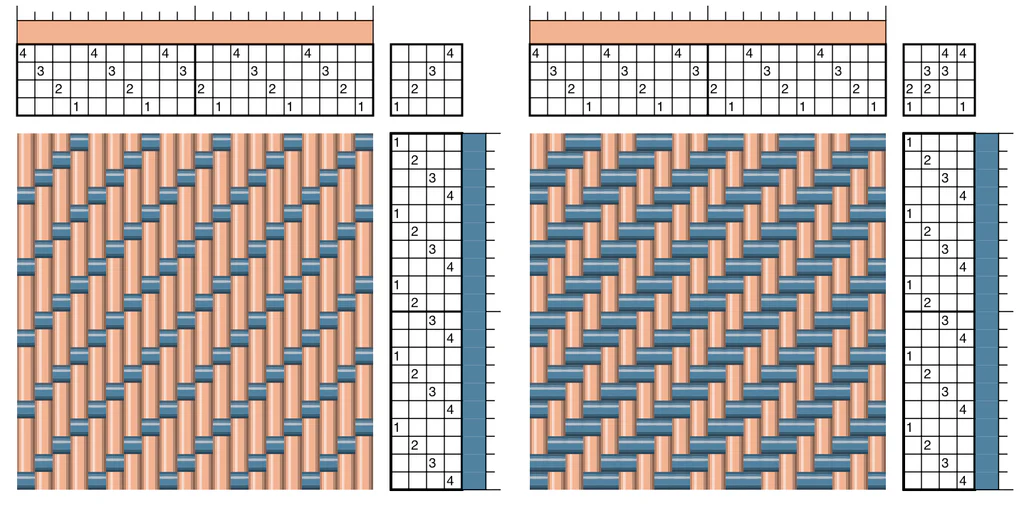
The defining feature of twill is its diagonal rib pattern.
How the twill weave works
In a typical twill weave:
-
The weft yarn passes over multiple warp yarns
-
Then passes under one or more warp yarns
-
The pattern shifts slightly in each row
This offset alignment forms the diagonal lines that run across the fabric surface.
Example twill patterns
Common twill structures include:
-
2/1 twill – weft passes over two threads and under one
-
3/1 twill – common in denim fabrics
-
2/2 twill – balanced diagonal pattern
These variations influence fabric strength, thickness, and texture.
Why Twill Fabric Is So Durable
Why Twill Fabric Is So Durable
One of the biggest advantages of twill fabric is its exceptional durability.
Reasons twill fabrics last longer
1. Stronger yarn structure
The interlacing pattern distributes tension more evenly across the fabric.
2. Thicker fabric construction
Twill fabrics often use heavier yarns and denser weaving.
3. Better abrasion resistance
The diagonal weave helps resist wear from friction.
Because of these properties, twill fabrics are commonly used in:
-
workwear
-
uniforms
-
outerwear
-
upholstery
Twill vs Plain Weave: What’s the Difference?
Understanding twill fabric becomes easier when compared to plain weave fabrics, which are the most basic textile construction.
| Feature | Twill Weave | Plain Weave |
|---|---|---|
| Pattern | Diagonal ribs | Flat crisscross |
| Durability | High | Moderate |
| Wrinkle Resistance | Better | Lower |
| Stain Visibility | Less visible | More visible |
| Examples | Denim, chino | Poplin, muslin |
Because twill fabrics have a denser structure, they are typically stronger and more resistant to wrinkles than plain weave fabrics.
Common Types of Twill Fabrics
Denim
Perhaps the most famous twill fabric, denim uses a 3/1 twill weave, which gives jeans their classic diagonal texture.
Chino
Chino fabric is a lightweight cotton twill often used in casual trousers and uniforms.
It has a smooth surface but retains the durability of twill construction.
Gabardine
Gabardine is a tightly woven twill fabric known for its smooth finish and strong structure.
It is commonly used in:
-
trench coats
-
suits
-
uniforms
These fabrics demonstrate how versatile twill weaving can be.
Advantages of Twill Fabric
Advantages of Twill Fabric
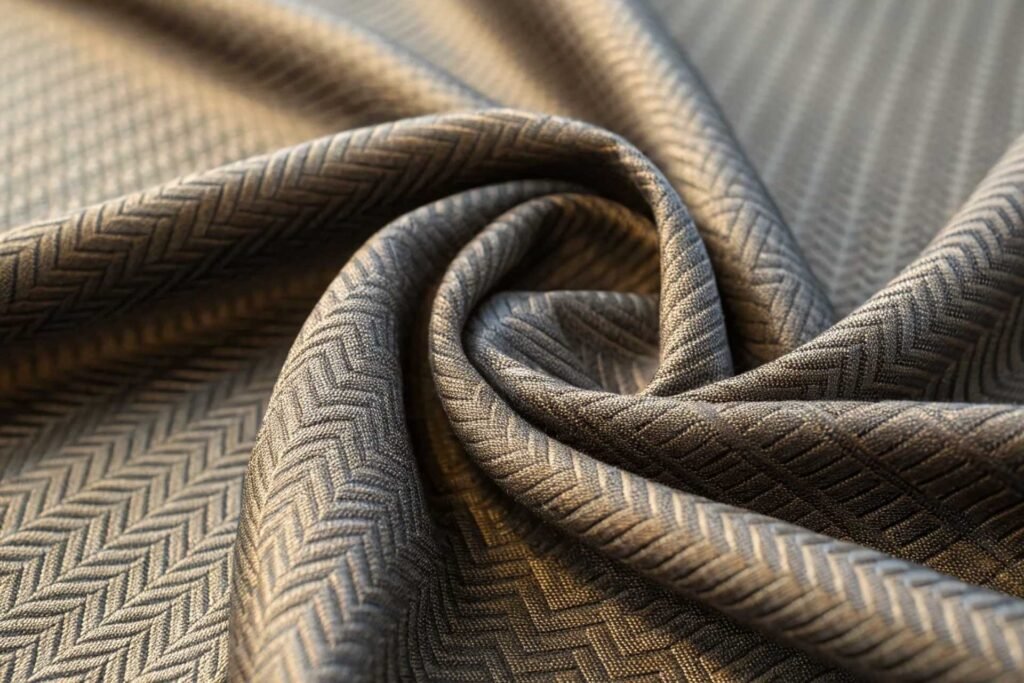
Twill fabrics offer several practical advantages that make them ideal for everyday clothing.
Key benefits
Durability
The weave structure provides excellent strength and abrasion resistance.
Wrinkle resistance
Twill fabrics tend to hold their shape better than plain weave fabrics.
Stain resistance
The diagonal texture hides dirt and stains more effectively.
Good drape
Twill fabrics often drape well, making them suitable for garments like trousers and jackets.
Common Uses of Twill Fabric
Twill fabrics are used across many industries because of their strength and versatility.
Apparel
-
jeans
-
chinos
-
jackets
-
uniforms
Workwear
-
industrial clothing
-
military uniforms
-
protective garments
Home textiles
-
upholstery
-
curtains
-
durable decorative fabrics
The combination of durability, comfort, and visual texture makes twill fabrics suitable for many applications.
Final Thoughts
So, what is twill fabric?
Twill fabric is a textile created using a twill weave structure that forms distinctive diagonal ribs across the fabric surface. This weaving method produces fabrics that are durable, wrinkle-resistant, and practical for everyday use.
From denim jeans to chino trousers and gabardine coats, twill fabrics play an essential role in modern textiles. Their balance of strength, comfort, and visual texture ensures they remain one of the most widely used weave structures in the textile industry.
For designers, manufacturers, and fabric buyers alike, understanding twill meaning and twill weave characteristics is key to selecting the right material for both fashion and functional applications.