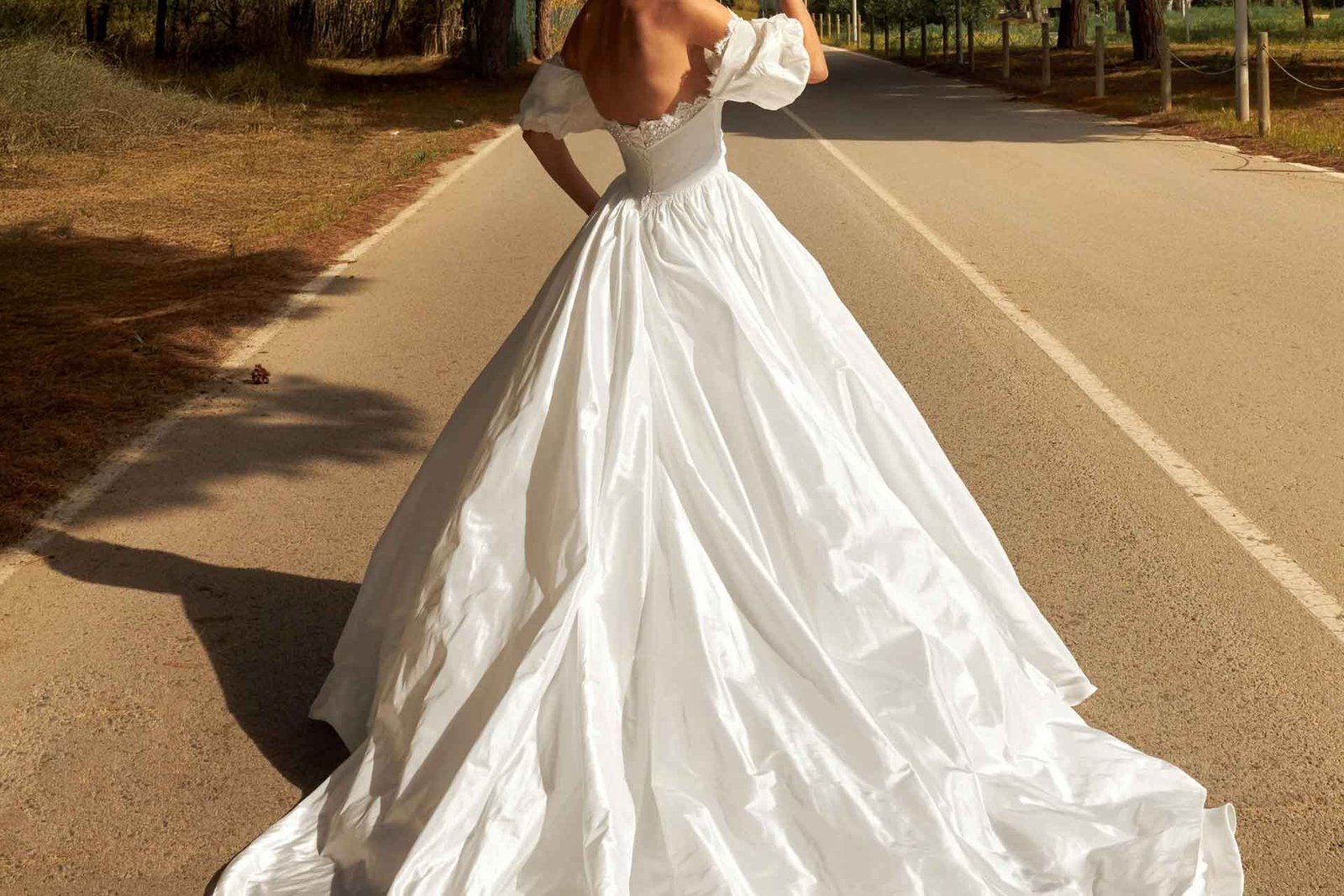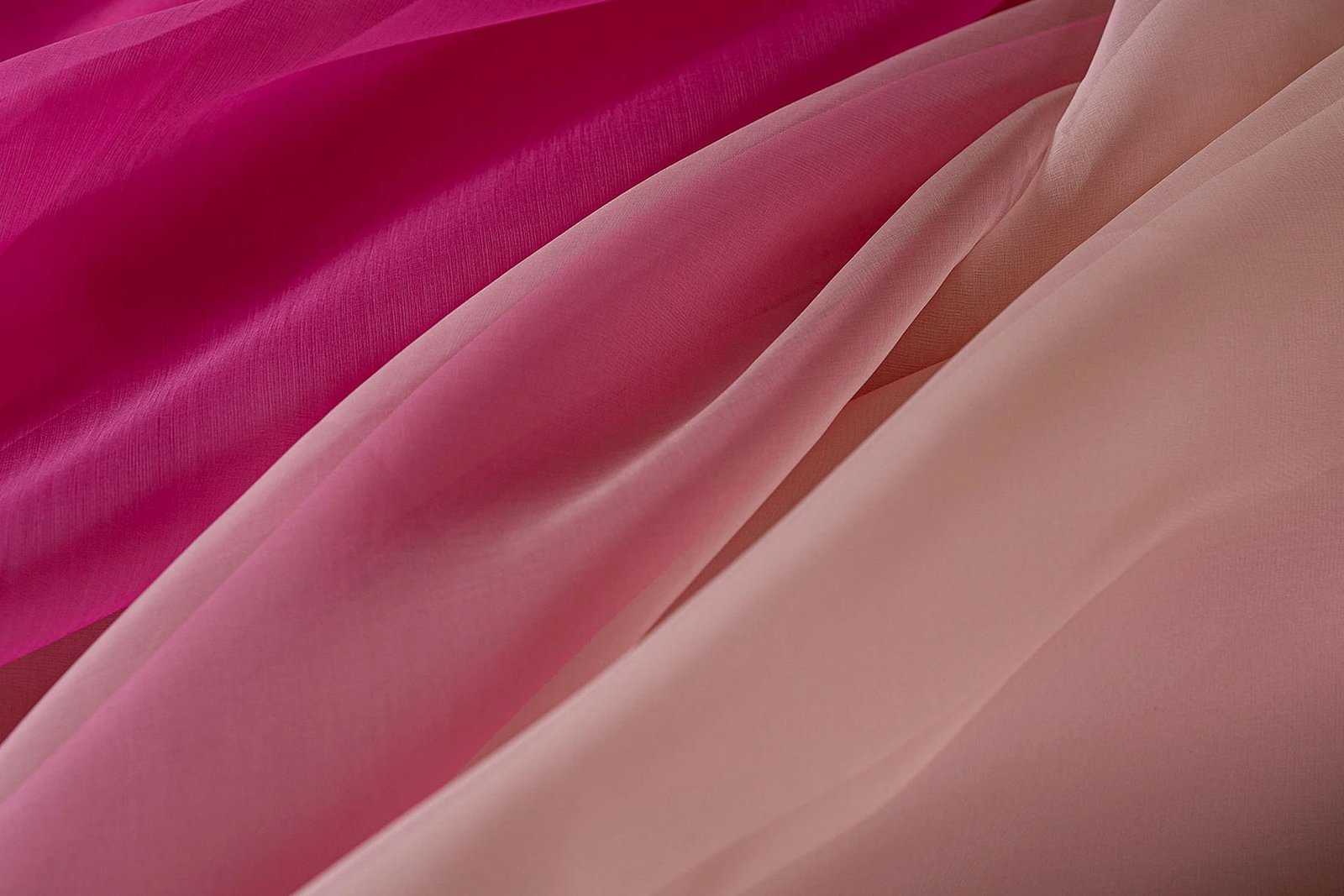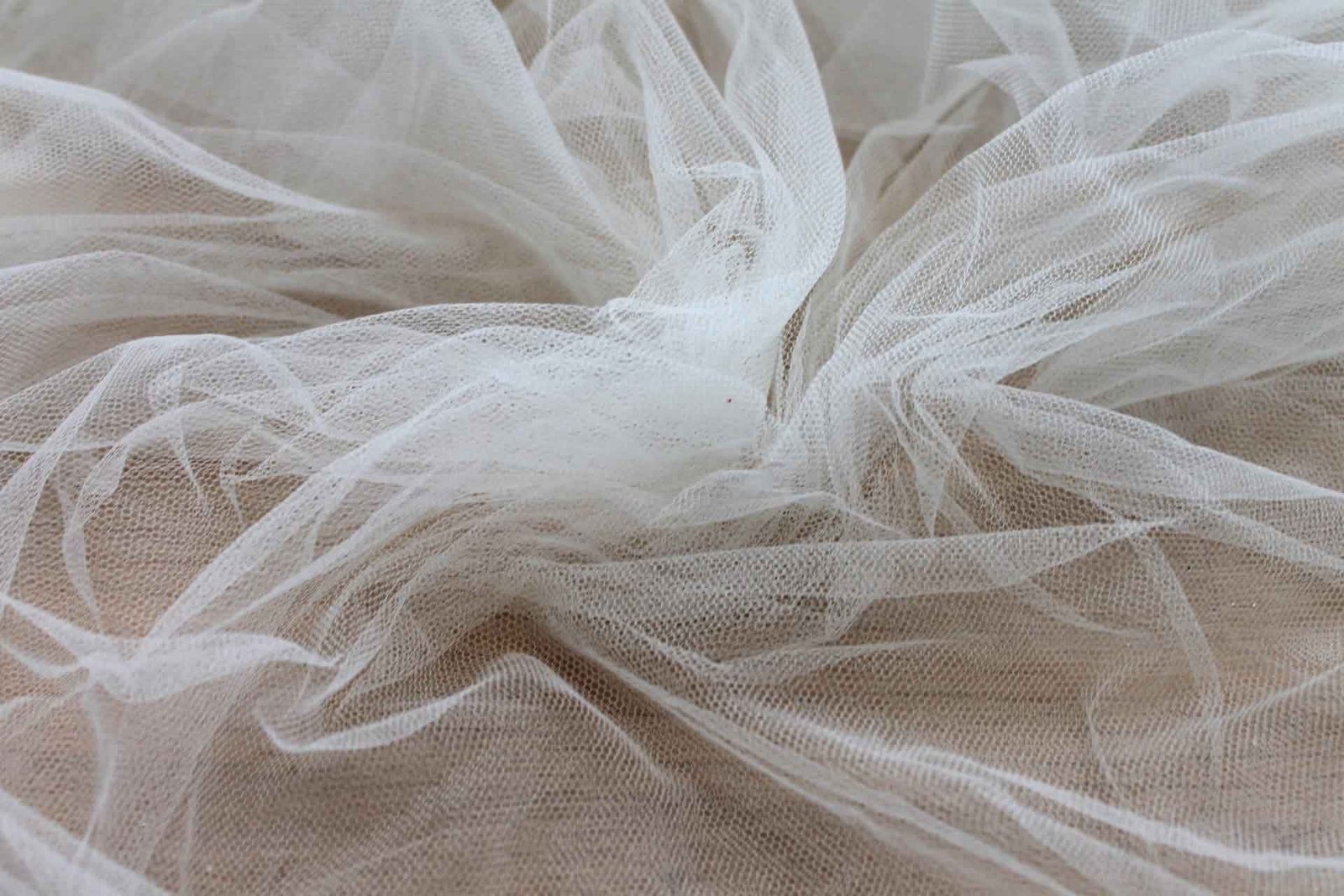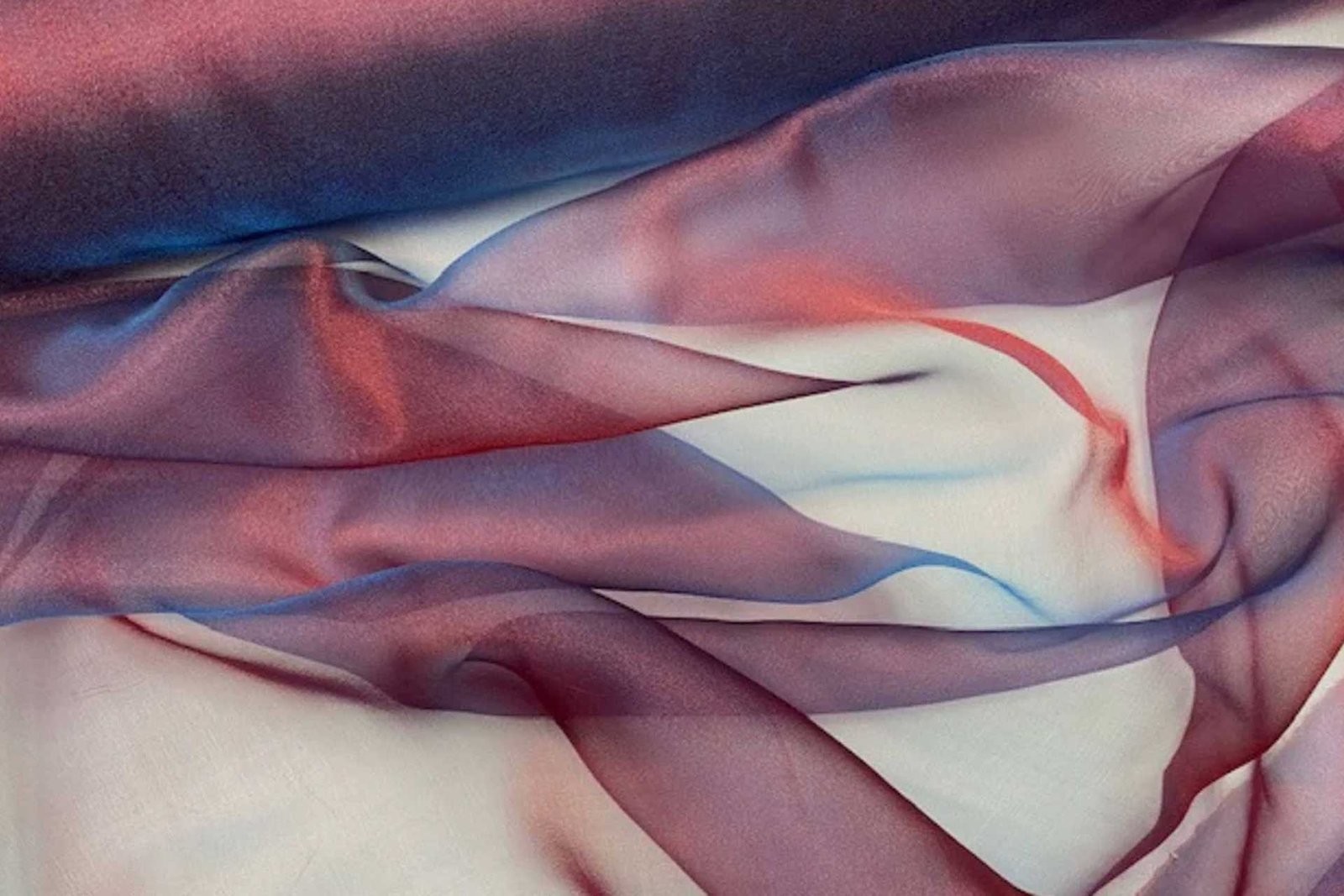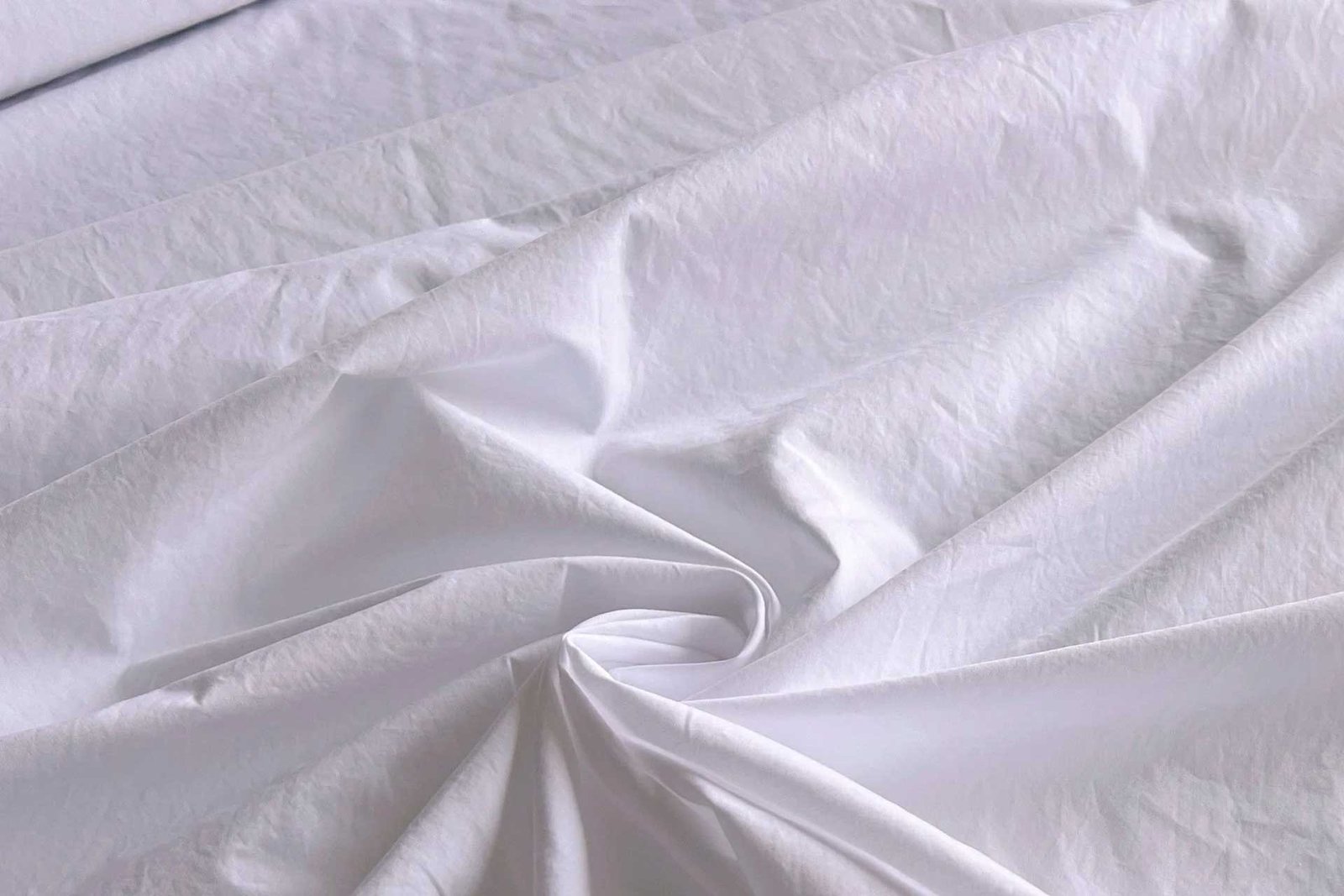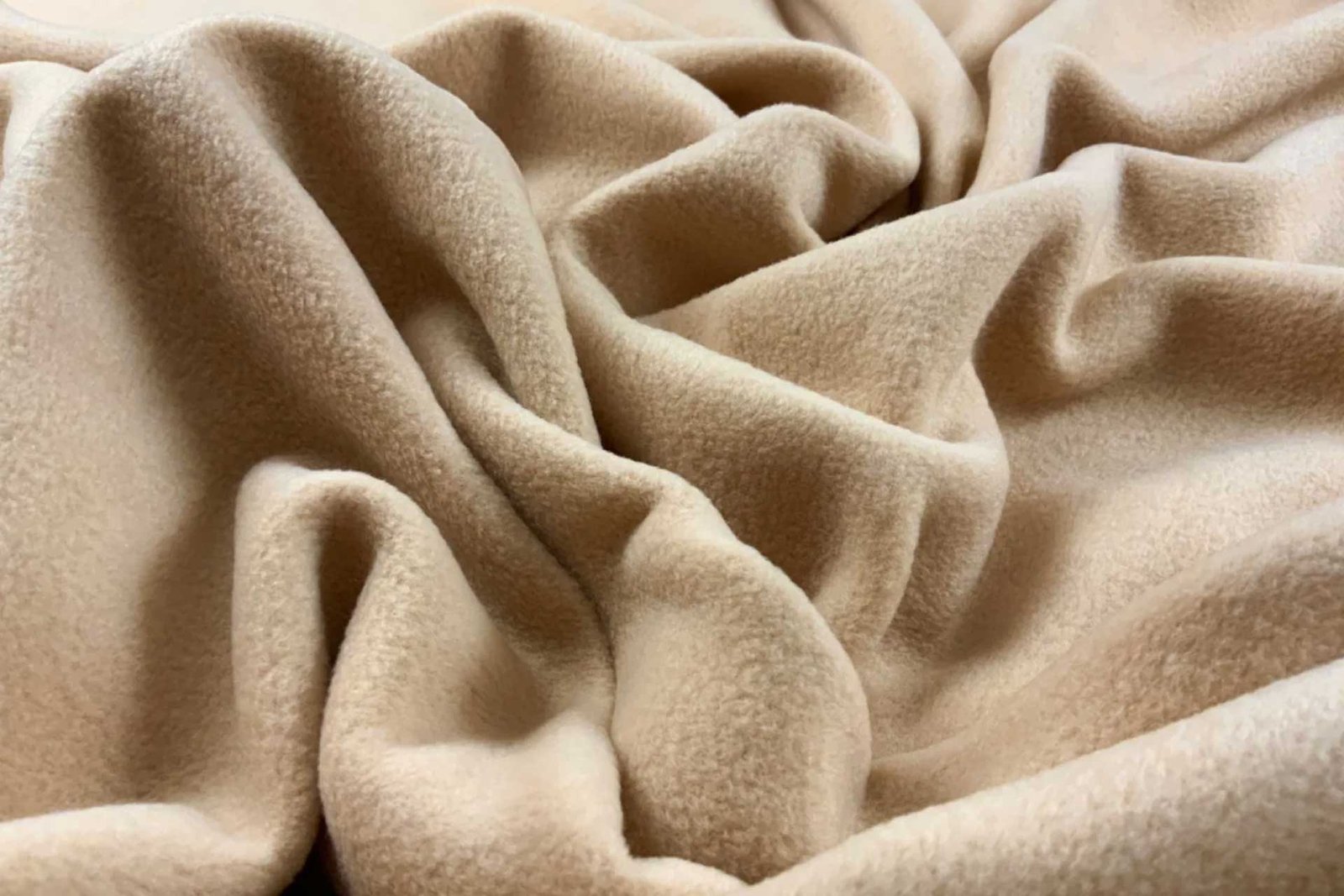
Silk is one of the most luxurious and historically significant textiles in the world. Known for its smooth texture, natural shine, and exceptional softness, silk fabric has been used for thousands of years in clothing, home décor, and luxury goods.
If you're new to textiles and wondering what silk material is, how silk cloth is made, and why silk textile products are so valuable, this beginner’s guide will explain everything you need to know.
What Is Silk Fabric?
what is silk fabric
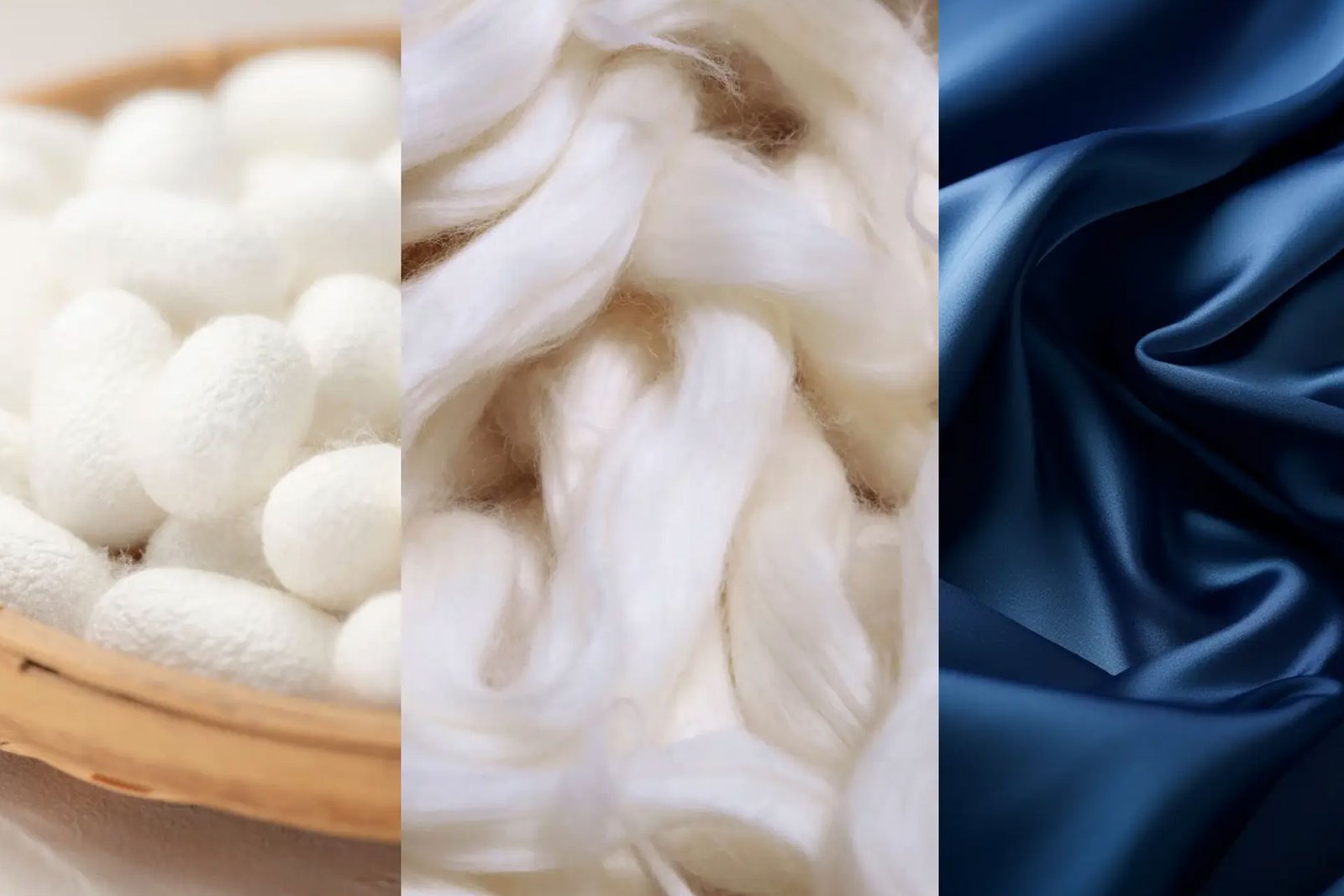
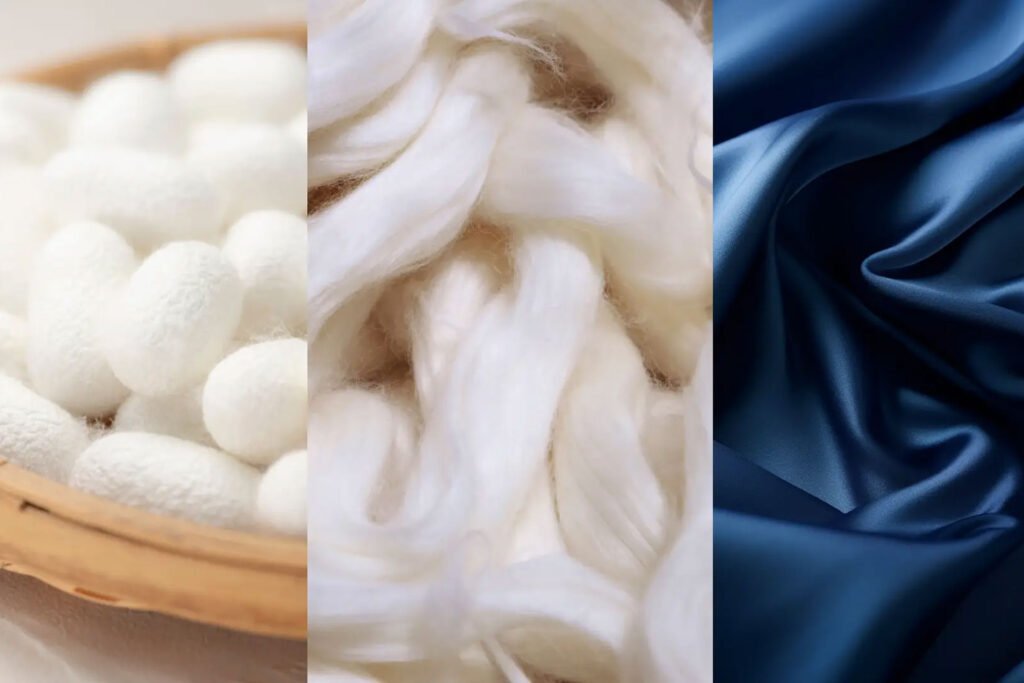
Silk fabric is a natural protein fiber textile produced from the cocoons of silkworms. The most common type comes from the silkworm Bombyx mori, which feeds on mulberry leaves.
The fibers extracted from the cocoon are spun into thread and woven into silk cloth, creating one of the strongest natural fibers despite its delicate feel.
silk material
Key characteristics of silk material
-
naturally smooth and soft
-
luxurious sheen
-
lightweight yet strong
-
breathable and temperature regulating
-
excellent drape
These qualities make silk one of the most sought-after natural textile fibers.
The History of Silk Textile
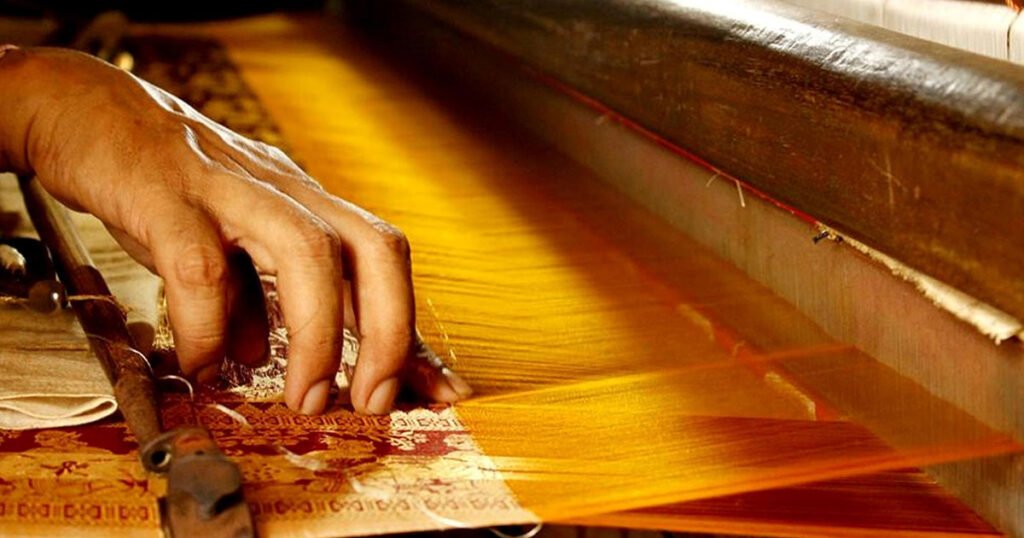
silk textile production
The history of silk textile production dates back over 5,000 years, originating in ancient China.
For centuries, China kept the process of silk production a closely guarded secret. Silk eventually became one of the most valuable trade goods along the historic Silk Road, connecting Asia with Europe.
Today, silk production exists worldwide, but China and India remain the largest producers.
How Silk Fabric Is Made
The production of silk involves several specialized steps.
1. Silkworm cultivation
Silkworms are raised and fed mainly with mulberry leaves.
2. Cocoon formation
Each silkworm spins a cocoon made of a single continuous silk filament that can be up to 1,000 meters long.
3. Reeling the silk
The cocoon is carefully unwound to produce fine silk threads.
4. Spinning and weaving
The silk threads are then spun and woven into different types of silk cloth and fabrics.
Types of Silk Fabric
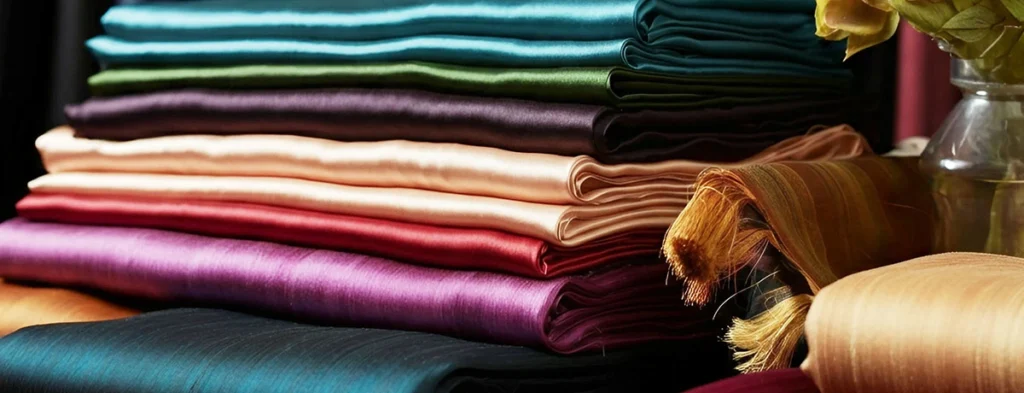
There are many varieties of silk textile, each with unique textures and uses.
Mulberry silk
-
highest quality silk
-
extremely smooth and uniform
-
widely used in luxury garments
Charmeuse silk
-
satin-like surface
-
glossy front with matte back
-
common in evening dresses and lingerie
Silk chiffon
-
sheer and lightweight
-
flowing and delicate
-
used in evening gowns and scarves
Silk organza
-
crisp and lightweight
-
ideal for structured garments
Silk dupioni
-
slightly textured surface
-
produced from double cocoons
-
used for formal wear and décor
Advantages of Silk Fabric
Silk has many properties that make it a premium textile.
Natural temperature regulation
Silk can help keep you cool in summer and warm in winter.
Hypoallergenic properties
It resists dust mites and allergens, making it suitable for sensitive skin.
Lightweight strength
Despite its delicate appearance, silk fibers are very strong for their weight.
Elegant appearance
The natural luster of silk gives garments a luxurious look unmatched by many synthetic fabrics.
Common Uses of Silk Cloth
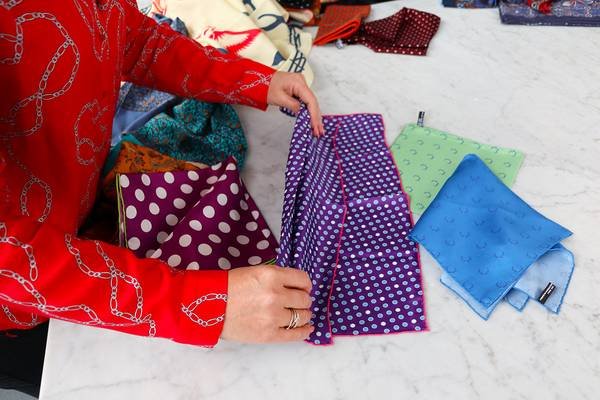
Uses of Silk Cloth
Silk is widely used across many industries.
Fashion
-
dresses and blouses
-
scarves and ties
-
lingerie and sleepwear
Home textiles
-
pillowcases
-
bedding
-
decorative curtains
Luxury accessories
-
pocket squares
-
handbags
-
fashion linings
Because of its beauty and softness, silk remains one of the most desirable fabrics in high-end fashion.
How to Care for Silk Fabric
Silk requires gentle care to maintain its quality.
Cleaning tips
-
hand wash in cold water when possible
-
use mild detergent designed for delicate fabrics
-
avoid strong wringing
Drying tips
-
air dry naturally
-
avoid direct sunlight
-
do not tumble dry
Ironing tips
-
use low heat
-
iron on the reverse side
Proper care helps maintain the softness and sheen of silk cloth.
Final Thoughts
Silk is one of the most remarkable natural fibers ever produced. Its smooth texture, elegant shine, and breathable comfort have made silk fabric a symbol of luxury for centuries.
From delicate scarves to high-fashion garments, silk material continues to be one of the most prized textile fibers in the world, offering both beauty and performance.