Nylon is one of the most widely used synthetic fabrics—but many buyers and designers still ask: is nylon stretchy?
The short answer is: yes, nylon is stretchy—but the level of stretch depends on how the fabric is made and whether it is blended with other fibers like spandex.
In this guide, we’ll explain how stretchy nylon really is, what affects its elasticity, and how to choose the right stretchy nylon fabric for your application.
Is Nylon Stretchy?
is nylon stretchy
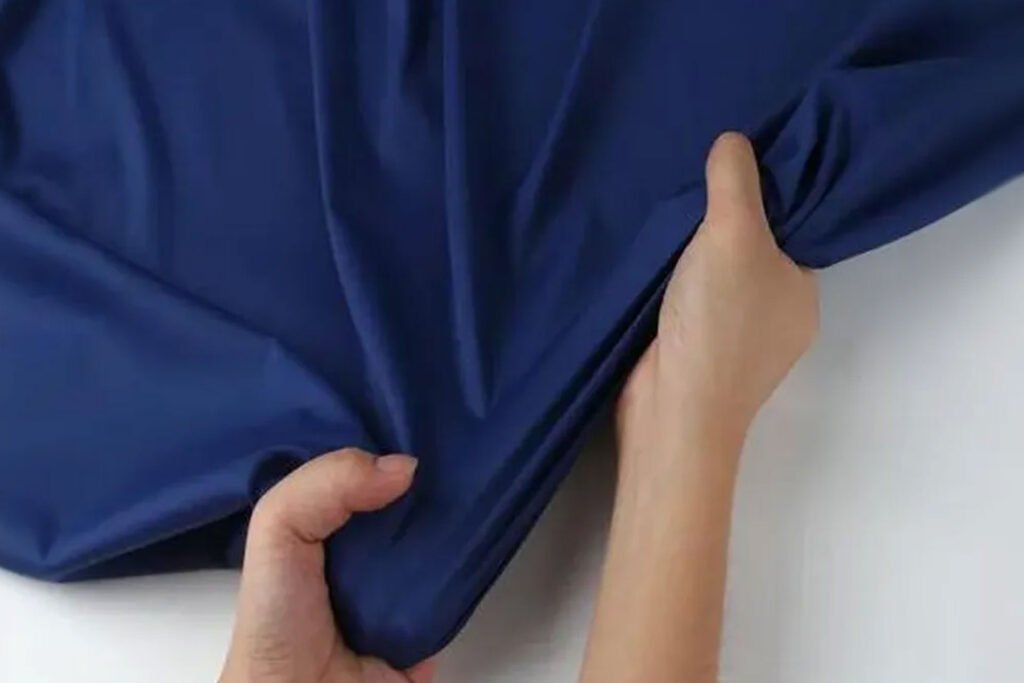
Nylon is naturally elastic, meaning it can stretch to a certain extent and then return to its original shape.
However, compared to highly elastic fibers like spandex, nylon’s stretch is:
-
Moderate (on its own)
-
Excellent (when blended with elastane/spandex)
So while nylon stretchable properties exist, true high-stretch performance usually comes from blends.
Why Is Nylon Stretchy?
The elasticity of nylon comes from its molecular structure.
Nylon fibers are made of long, flexible polymer chains that can:
-
Move under tension
-
Return to their original position after stretching
This gives nylon:
-
Good flexibility
-
Shape recovery
-
Resistance to deformation
Types of Stretch in Nylon Fabric
Not all nylon fabrics stretch the same way. The level of elasticity depends on construction and composition.
stretchy nylon fabric
1. Mechanical Stretch (100% Nylon)
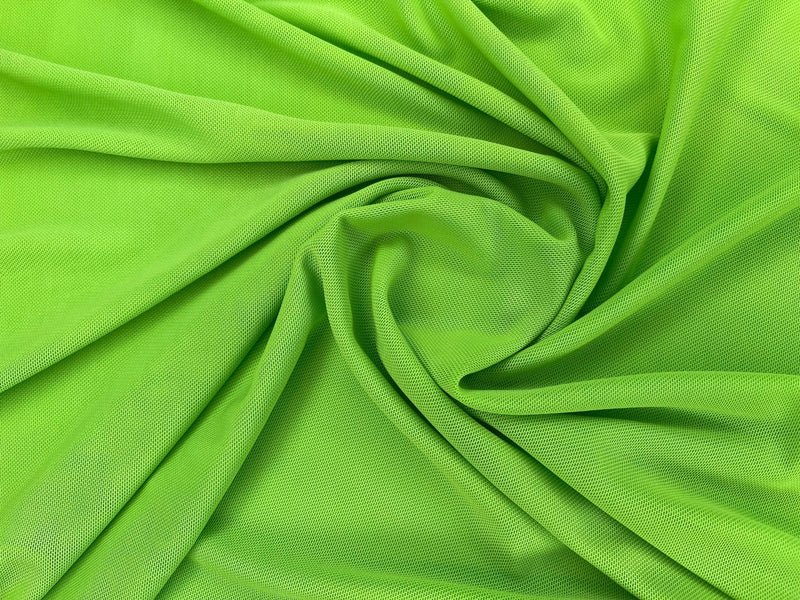
Some stretchy nylon fabric achieves stretch through its fabric structure.
How it works:
-
Knitting or special weaving techniques allow movement
Features:
-
Limited stretch
-
No added elastic fibers
Applications:
-
Lightweight apparel
-
Linings
-
Some sportswear
2. Nylon Spandex Stretch (High Elasticity)
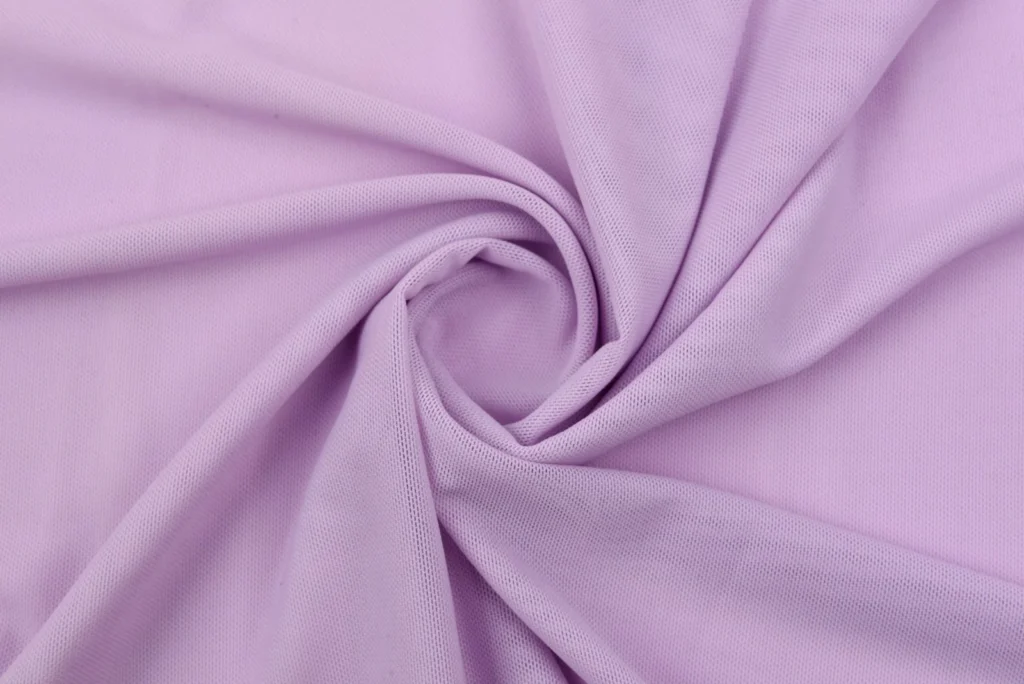
nylon stretch material
Most nylon stretch material used in apparel includes spandex (also called elastane or Lycra).
Common blends:
-
90% nylon / 10% spandex
-
80% nylon / 20% spandex
-
75% nylon / 25% spandex
Features:
-
High stretch (often 4-way stretch)
-
Excellent recovery
-
Body-contouring fit
Applications:
-
Leggings
-
Swimwear
-
Activewear
-
Compression garments
3. 2-Way vs 4-Way Stretch Nylon
2-Way Stretch:
-
Stretches in one direction
-
Used in basic garments
4-Way Stretch:
-
Stretches in both directions
-
Ideal for performance wear
How Stretchy Is Nylon Compared to Other Fabrics?
| Fabric | Stretch Level | Recovery |
|---|---|---|
| Nylon (100%) | Moderate | Good |
| Nylon Spandex | Very high | Excellent |
| Polyester | Low to moderate | Moderate |
| Cotton | Low | Low |
Key takeaway:
Nylon is more elastic than polyester or cotton, but less stretchy than spandex.
What Affects Nylon Stretchability?
Several factors determine how stretchy nylon fabric will be.
1. Fiber Composition
-
Pure nylon → moderate stretch
-
Nylon + spandex → high stretch
2. Fabric Construction
-
Knit fabrics → more stretch
-
Woven fabrics → less stretch
3. Fabric Weight
-
Lightweight fabrics → more flexible
-
Heavy fabrics → more structure, less stretch
4. Finishing Processes
Special treatments (like brushing or texturing) can influence flexibility and comfort.
Common Uses of Stretchy Nylon Fabric
Because of its elasticity, nylon stretch fabric is widely used in modern textiles.
Activewear
Stretchy nylon fabric is ideal for:
-
Yoga pants
-
Leggings
-
Sports bras
Swimwear
Nylon stretch material is commonly used in:
-
Swimsuits
-
Bikinis
It offers:
-
Flexibility
-
Quick drying
-
Comfort
Underwear and Lingerie
The soft and elastic nature of nylon makes it suitable for:
-
Underwear
-
Intimate apparel
Fashion Apparel
Used in:
-
Bodycon dresses
-
Fitted tops
-
Dancewear
Compression Garments
High-spandex nylon blends are used in:
-
Medical garments
-
Athletic compression wear
Advantages of Stretchy Nylon Fabric
Flexibility and Comfort
Allows free movement and adapts to body shape.
Shape Retention
Returns to original form after stretching.
Lightweight Performance
Comfortable for long wear.
Durability
Maintains strength even with repeated stretching.
Disadvantages of Nylon Stretch Material
Limited Stretch Without Spandex
Pure nylon does not stretch as much as blended fabrics.
Heat Sensitivity
High temperatures can damage elasticity.
Cost
High-performance stretch fabrics may be more expensive.
How to Choose the Right Stretchy Nylon Fabric
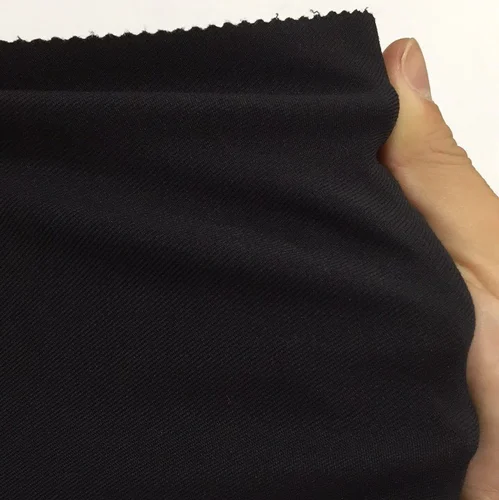
nylon stretchable
When selecting nylon stretchable fabric, consider the following.
1. Stretch Level
-
Moderate stretch → 100% nylon
-
High stretch → nylon spandex blends
2. Application
-
Activewear → 4-way stretch nylon
-
Casual wear → 2-way stretch
3. Fabric Weight
-
Lightweight → flexibility
-
Medium/heavy → support and compression
4. Quality and Supplier
A reliable supplier ensures:
-
Consistent elasticity
-
Durable performance
-
Stable production
Why Stretchy Nylon Is in High Demand
With the growth of athleisure and performance apparel, demand for stretchy nylon fabric continues to rise.
Its combination of:
-
Comfort
-
Flexibility
-
Durability
makes it essential for modern clothing design.
Conclusion
So, is nylon stretchy? Yes—nylon is naturally elastic, but its stretchability varies depending on fabric construction and composition.
-
Pure nylon → moderate stretch
-
Nylon spandex blends → high elasticity and performance
Understanding these differences helps you choose the right stretchy nylon fabric for your specific application.
Looking for a Reliable Stretch Nylon Fabric Supplier?
If you are sourcing stretchy nylon fabric, nylon spandex material, or custom stretch textiles, we can help.
We specialize in exporting high-quality stretch fabrics, offering competitive pricing, consistent quality, and reliable global supply.
Contact us today to request samples or get expert recommendations for your next product line.