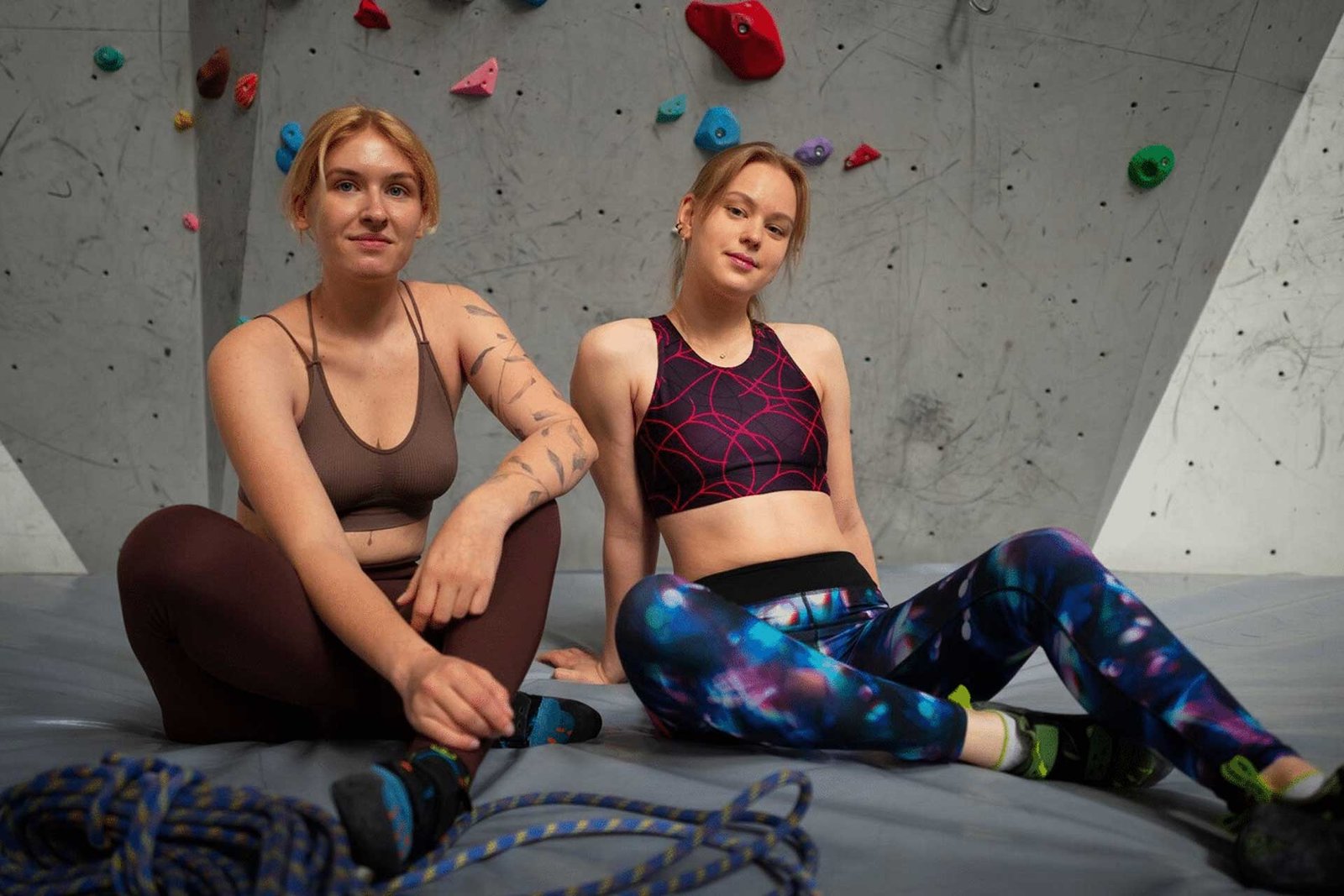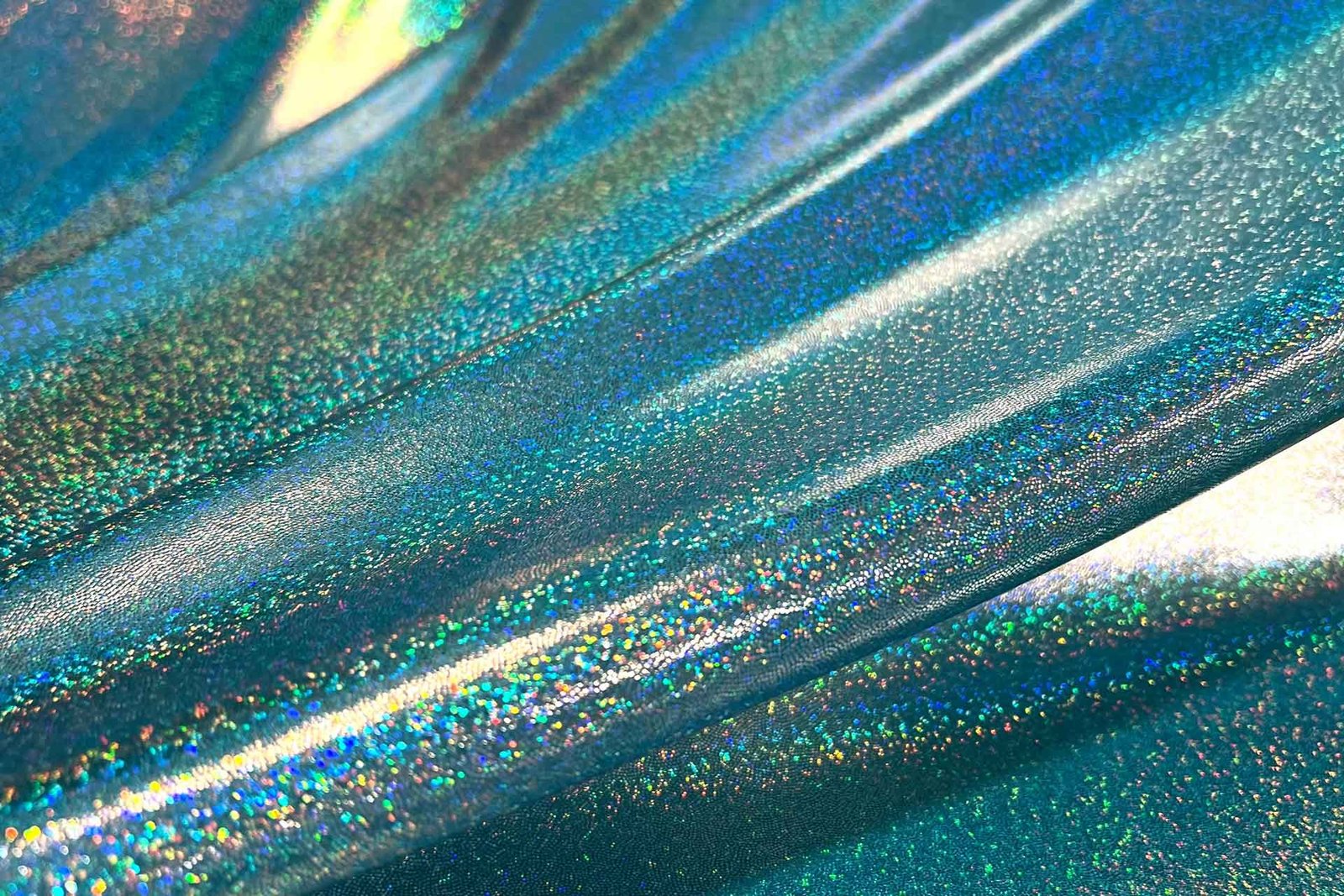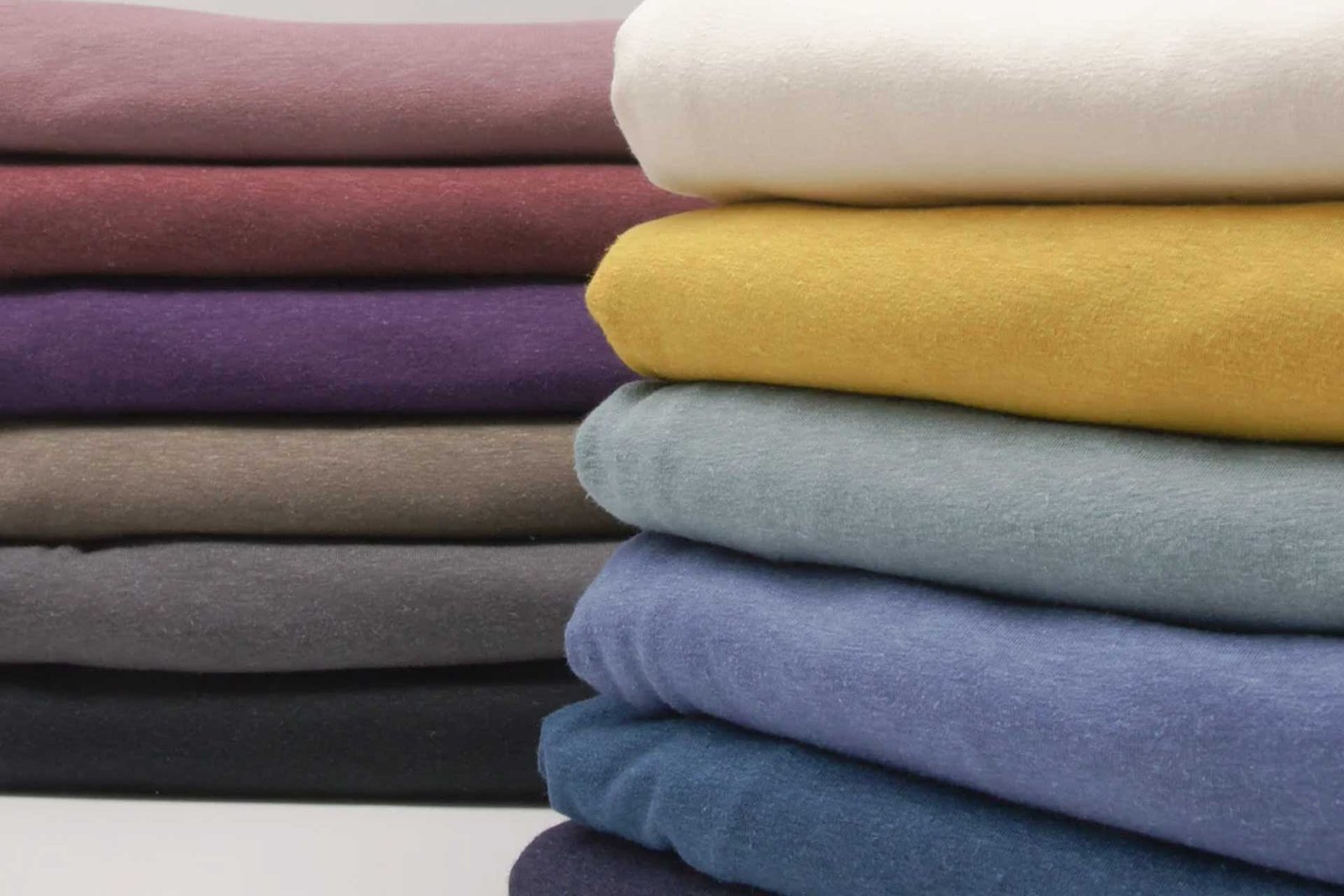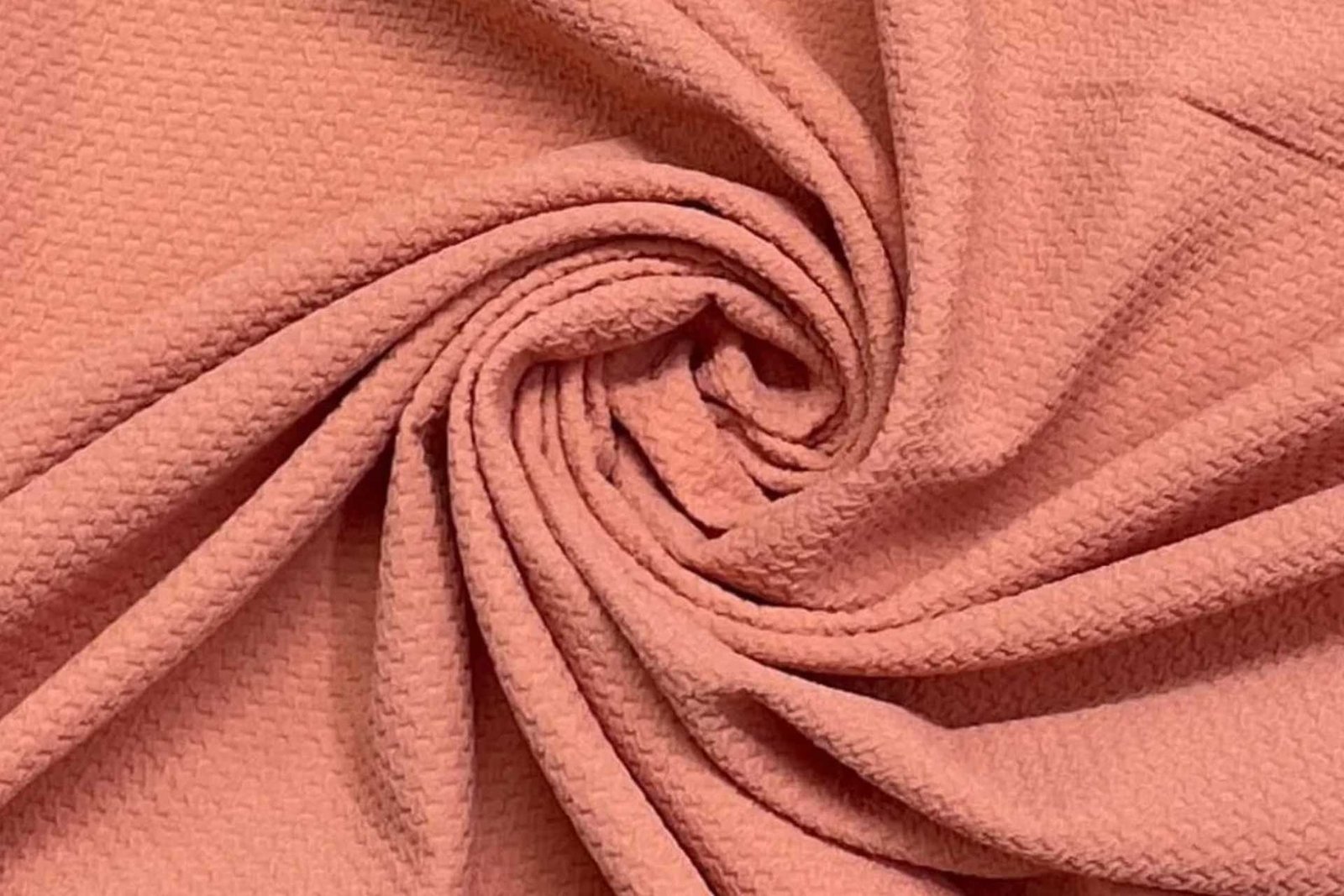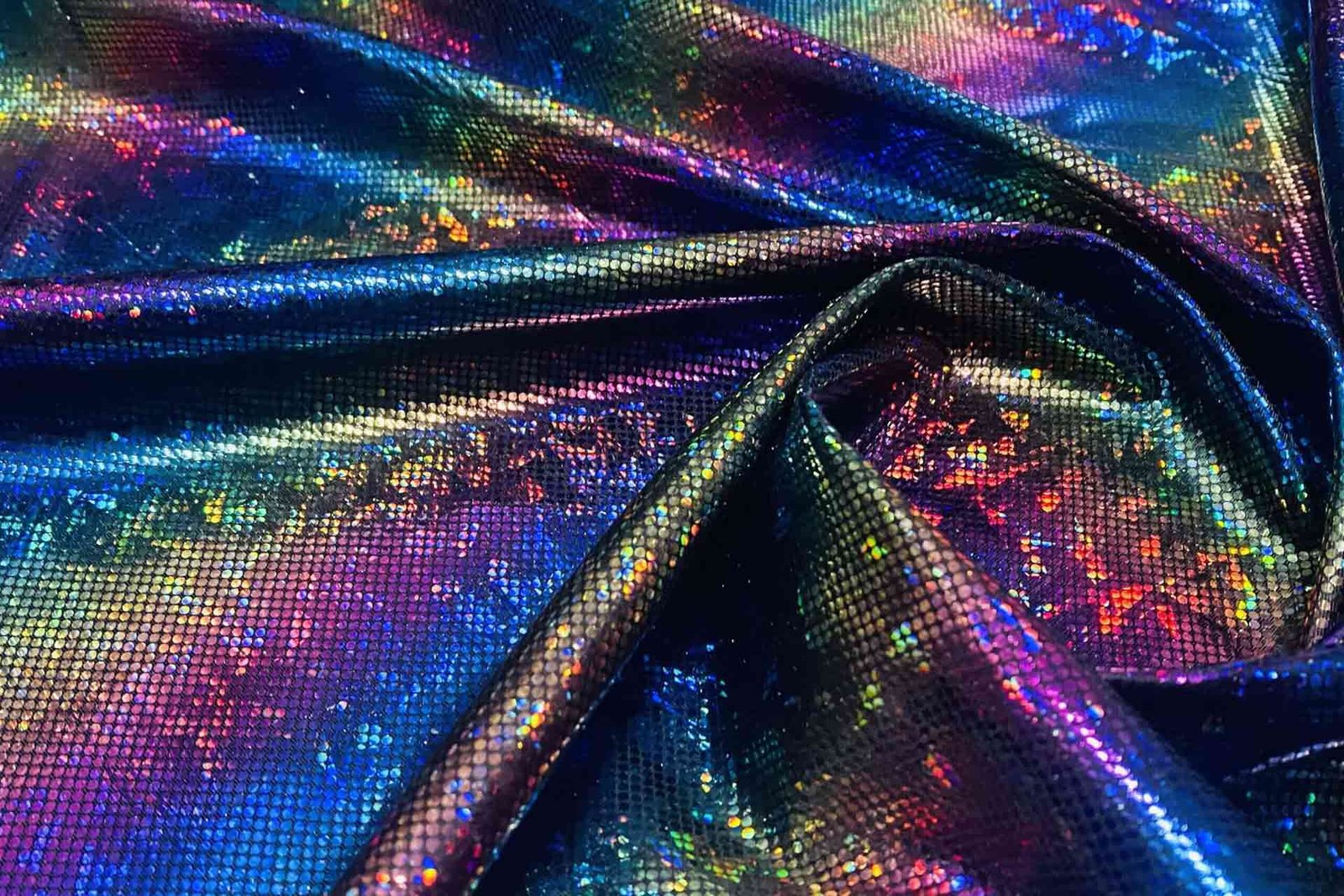
Lycra and spandex fabrics are widely used in activewear, dancewear, swimwear, and stretch garments. However, sewing and caring for these materials can be challenging because they are highly elastic, smooth, and sensitive to heat.
If you’re working with sewing lycra fabric or thick spandex fabric, using the right techniques can make a huge difference in the final result. This guide will walk you through how to sew Lycra correctly and how to wash Lycra clothes to maintain their stretch and durability.
Understanding Lycra and Spandex Fabrics
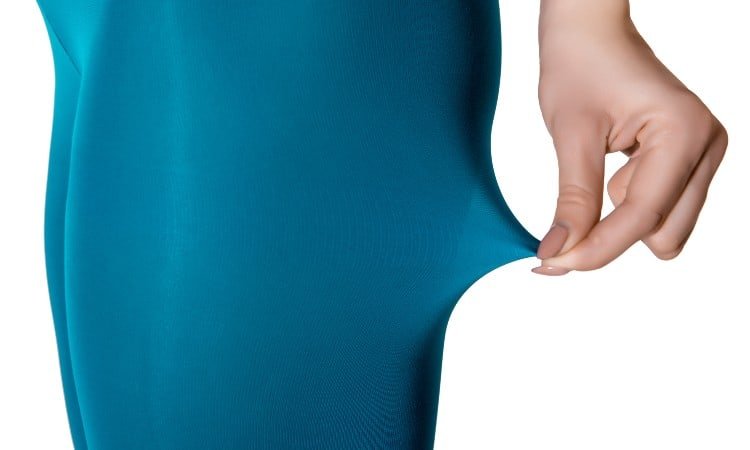
Lycra Fabrics vs Spandex
Lycra fabrics are typically made from elastane fibers blended with nylon, polyester, or cotton.
These fabrics are known for:
-
extreme elasticity
-
excellent stretch recovery
-
smooth and lightweight feel
-
strong durability under movement
Because of these characteristics, they are ideal for garments that require flexibility and a close fit, such as leggings, swimwear, and athletic clothing.
Best Tools for Sewing Lycra Fabric
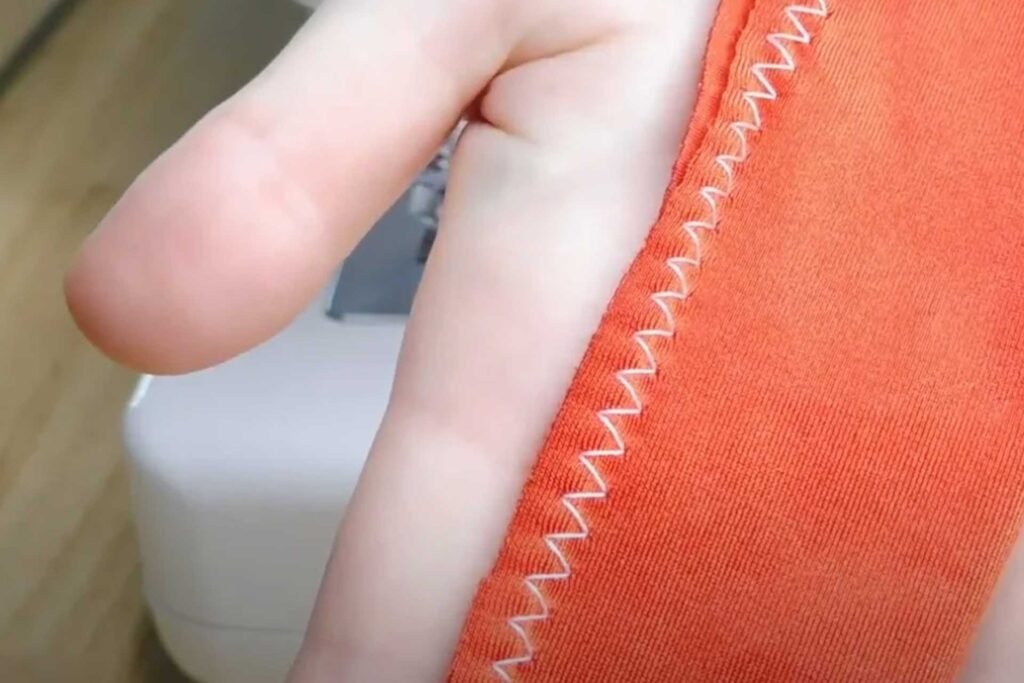
sewing Lycra fabric
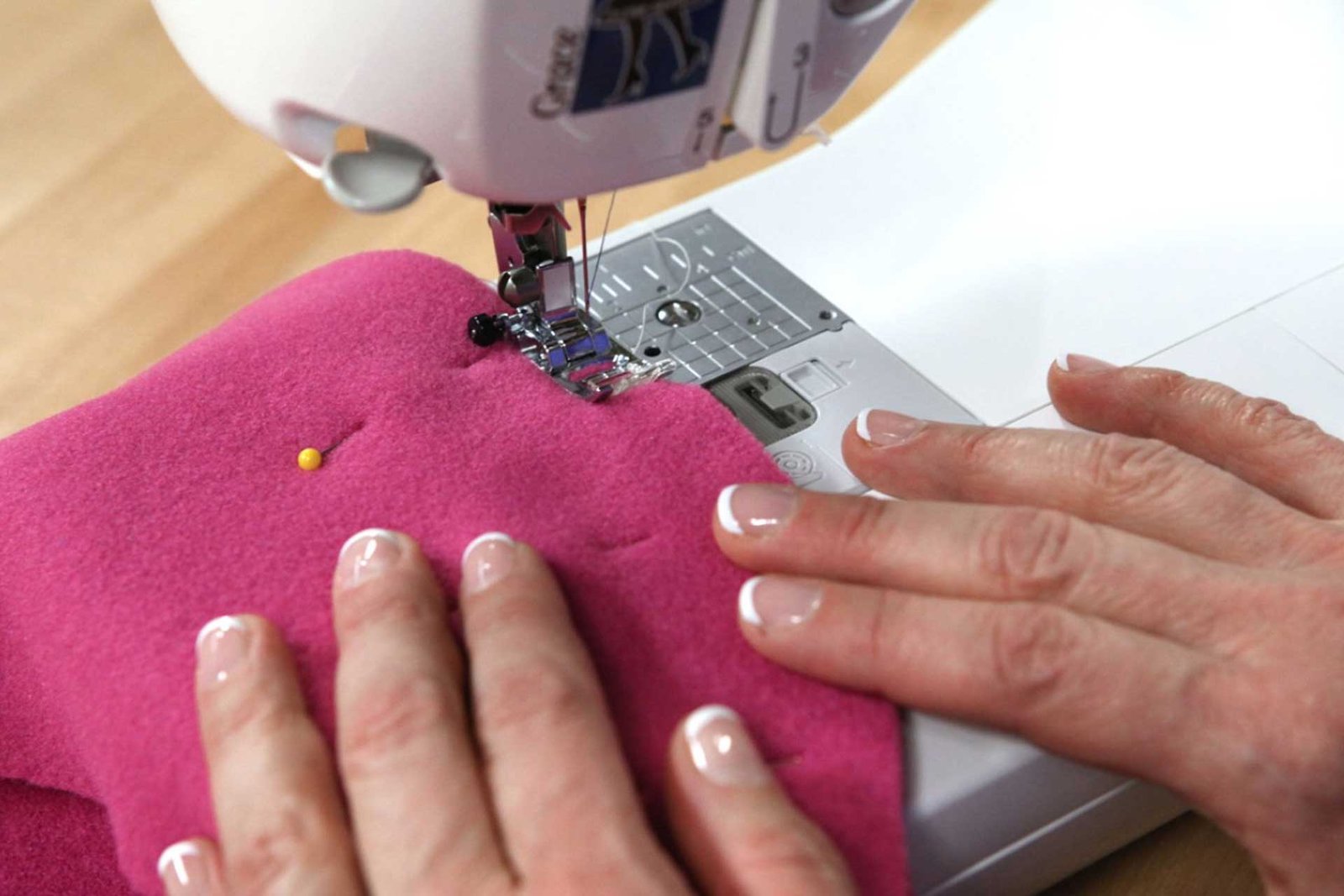
Using the correct tools is essential when sewing Lycra fabric.
Recommended sewing tools
Stretch or ballpoint needles
-
size 75/11 or 90/14
-
prevents fabric damage and skipped stitches
Polyester thread
-
stronger and more flexible than cotton thread
-
better suited for elastic fabrics
Walking foot or stretch foot
-
helps feed slippery fabrics evenly through the machine
These tools help prevent common issues such as puckering, skipped stitches, and uneven seams.
Best Stitches for Stretch Fabrics
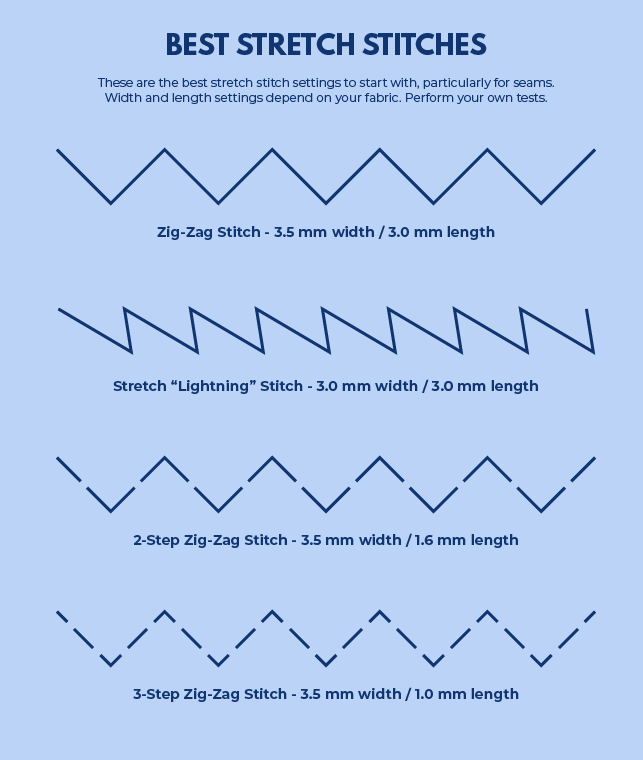
Best Stitches for Stretch Fabrics
Because Lycra stretches, the stitches must stretch as well.
Recommended stitch types
Zigzag stitch
-
simple and widely available
-
allows the seam to stretch with the fabric
Stretch stitch
-
built into many modern sewing machines
-
stronger than zigzag for high-stress seams
Overlock (serger) stitch
-
professional finish
-
commonly used in activewear production
These stitches prevent seams from breaking when the fabric stretches.
Tips for Sewing Thick Spandex Fabric
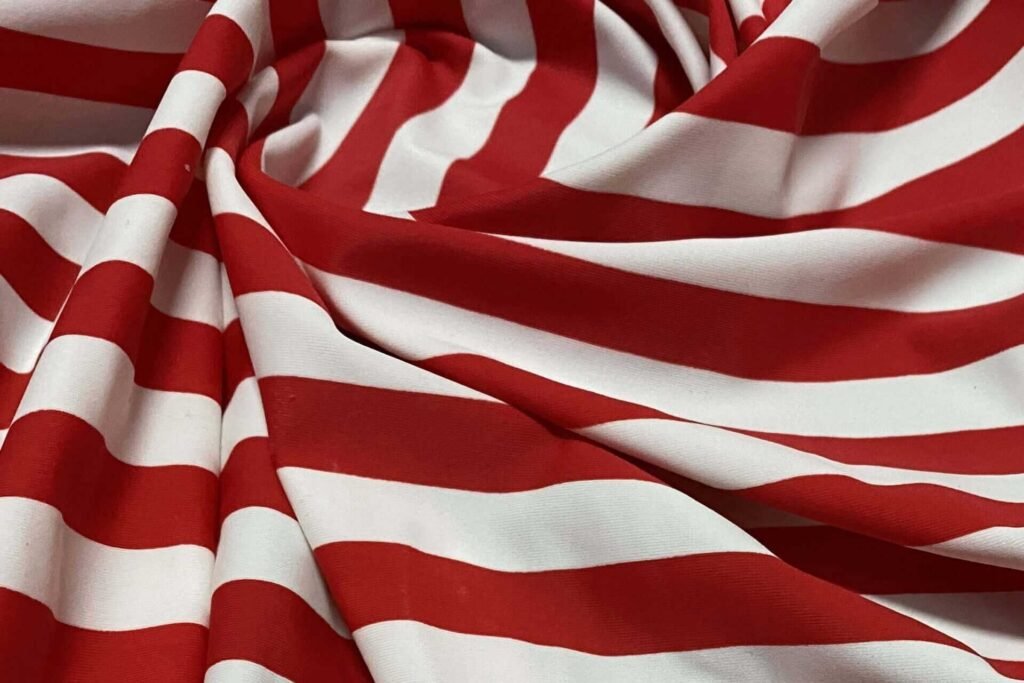
thick spandex fabric
Some garments—such as compression leggings or structured sportswear—use thick spandex fabric.
Sewing tips for thicker stretch fabrics
-
use a larger stretch needle (90/14)
-
increase stitch length slightly
-
avoid pulling the fabric while sewing
-
test stitches on scrap fabric first
Thicker spandex fabrics provide better compression and durability, but they require careful handling during sewing.
How to Wash Lycra Clothes Properly
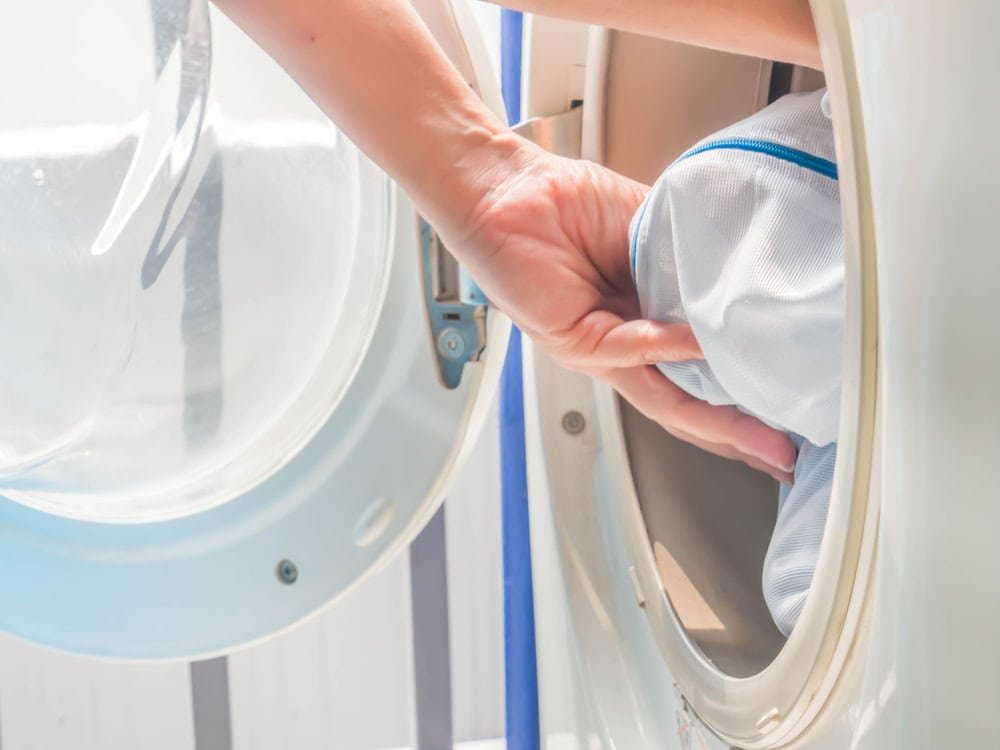
how to wash lycra clothes
Proper washing is essential to maintain the elasticity and lifespan of Lycra garments.
Washing guidelines
Use cold or lukewarm water
Hot water can damage elastane fibers.
Use mild detergent
Avoid harsh chemicals or strong bleach.
Choose gentle wash cycles
This reduces stress on the fabric structure.
Following these steps helps preserve stretch recovery and color quality.
How to Dry Lycra Garments Safely
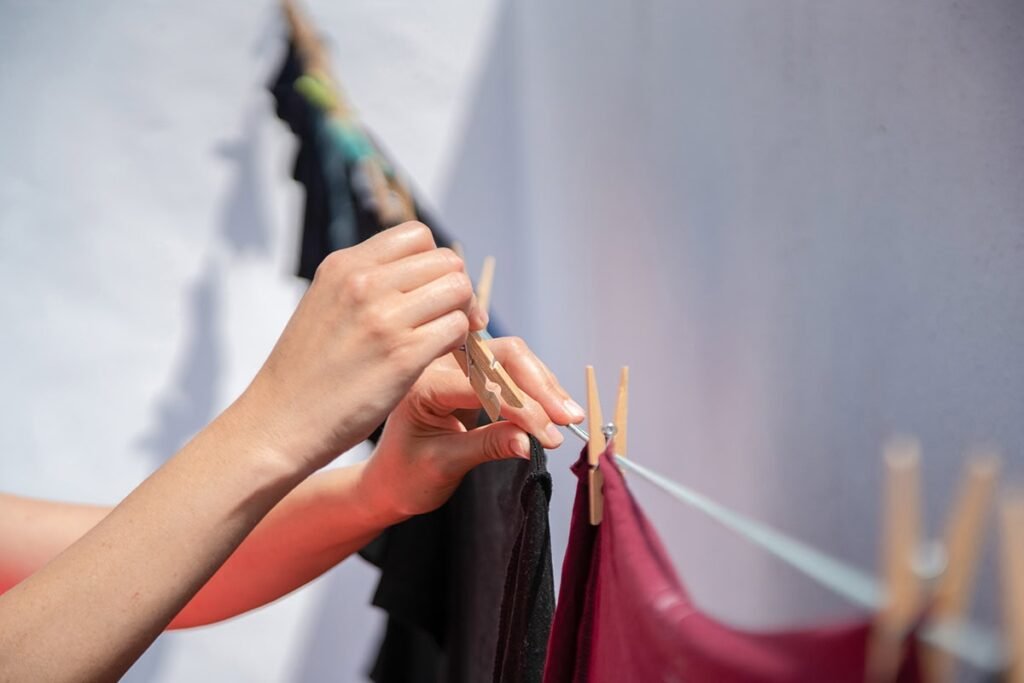
How to Dry Lycra Garments
Heat is one of the biggest enemies of elastane fibers.
Best drying methods
Air drying
-
safest method
-
preserves elasticity
Avoid high-heat dryers
Excess heat can weaken stretch fibers and cause loss of elasticity.
Dry flat when possible
This helps garments maintain their shape.
These simple steps keep Lycra garments stretchy and comfortable for a longer time.
Common Mistakes When Working With Lycra
Even experienced sewists sometimes struggle with stretch fabrics.
Mistakes to avoid
-
using universal needles instead of stretch needles
-
pulling the fabric while sewing
-
using straight stitches on highly elastic fabrics
-
washing garments in hot water
Avoiding these mistakes helps ensure professional-quality sewing results.
Final Thoughts
Learning how to sew Lycra fabric and care for stretch garments properly can significantly improve the quality and durability of your projects.
Key takeaways:
-
use stretch needles and polyester thread
-
choose zigzag or stretch stitches
-
handle thick spandex fabrics carefully
-
wash Lycra clothes in cold water and air dry
With the right techniques, sewing stretch fabrics becomes much easier—and your finished garments will look professional, durable, and comfortable to wear.