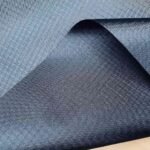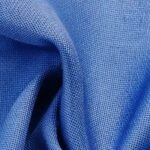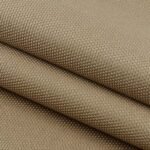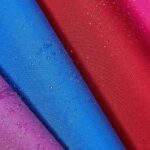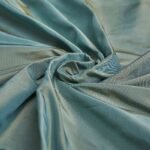
Waxed canvas fabric is one of the most iconic materials in outdoor gear and vintage-style products. Known for its rugged durability, water resistance, and distinctive aged look, this material has become a favorite among crafters, designers, and heritage brands.
In this guide, you’ll learn everything about waxed canvas material—from how it’s made and why it develops a unique patina, to how to sew it and properly care for it.
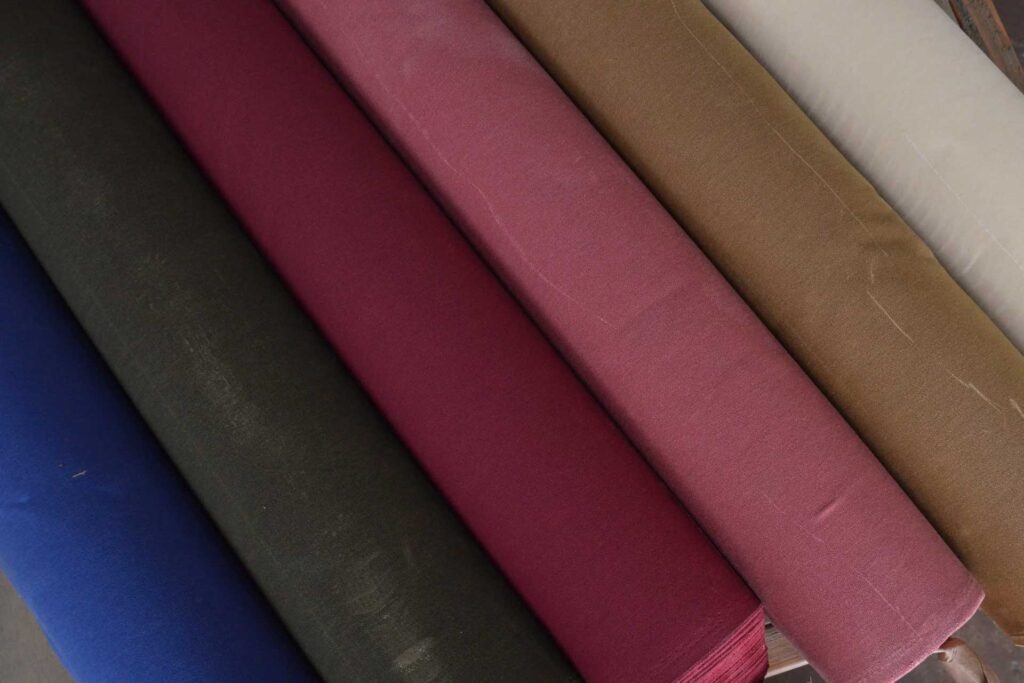
waxed canvas fabric
What is Waxed Canvas Fabric?
Waxed canvas fabric is a heavy-duty cotton canvas that has been treated with wax (typically paraffin or beeswax) to make it water-resistant and more durable.
Unlike synthetic waterproof materials, waxed canvas offers a natural, breathable structure combined with a protective wax coating. This makes it ideal for products that need both performance and aesthetics.
Key Characteristics:
- Water-resistant (not fully waterproof)
- Durable and abrasion-resistant
- Develops a vintage “patina” over time
- Firm structure, ideal for bags and outerwear
What Makes Waxed Canvas Unique? (The Patina Effect)
One of the most distinctive features of waxed canvas is its ability to develop a patina—a worn-in, aged appearance that improves with use.
Why Does Patina Form?
The patina effect happens because:
- The wax coating shifts under pressure and movement
- Creases and folds redistribute the wax unevenly
- Friction and heat change the surface texture
Over time, this creates:
- Light and dark contrast areas
- Visible crease marks
- A unique, personalized look
👉 No two pieces of waxed canvas age the same, which is why it’s highly valued in handcrafted products.
Types of Waxed Canvas (Including Waxed Duck Canvas)
There are several variations of waxed canvas depending on weight, weave, and finishing method.
1. Waxed Duck Canvas
Waxed duck canvas is the most common type. “Duck” refers to a tightly woven cotton canvas known for its strength.
- Smooth, dense weave
- Excellent durability
- Ideal for bags, aprons, and tool rolls
2. Lightweight vs Heavy Waxed Canvas
- Lightweight (4–8 oz): apparel, linings
- Medium weight (8–12 oz): jackets, everyday bags
- Heavyweight (12–20 oz): backpacks, outdoor gear
3. Wax Types
- Paraffin wax: more structured, less sticky
- Beeswax blend: softer feel, more natural finish
- Oil wax: slightly oily surface, deeper color effect
Common Uses of Waxed Canvas Fabric
Thanks to its durability and vintage aesthetic, waxed canvas fabric is widely used in:
✔ Bags & Backpacks
- Rugged, water-resistant
- Holds shape well
✔ Jackets & Outerwear
- Classic heritage look
- Wind and light rain protection
✔ Aprons & Workwear
- Resistant to dirt and wear
- Popular with craftsmen
✔ Outdoor Gear
- Tool rolls
- Tent accessories
- Bushcraft equipment
How to Sew Waxed Canvas (Beginner to Pro Tips)
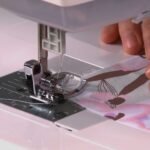
Sewing waxed canvas is different from working with regular cotton or synthetic fabrics. But with the right approach, even a home machine can handle it.
✔ Needle & Thread
- Use size 16–18 needles
- Choose strong polyester thread
✔ Machine Setup
- Use a walking foot if possible
- Sew slowly to avoid skipped stitches
- Increase stitch length slightly
✔ Important Tips
- ❌ Avoid pinning (leaves permanent holes)
- ✔ Use clips instead of pins
- ❌ Don’t unpick stitches frequently
- ✔ Plan your seams carefully
✔ Common Problems & Solutions
| Problem | Solution |
|---|---|
| Fabric sticking to machine | Use Teflon foot or tissue paper |
| Visible needle holes | Use longer stitch length |
| Uneven feeding | Use walking foot |
👉 These tips are essential when sewing waxed canvas, especially for bags and heavy-duty items.
How to Care for Waxed Canvas Fabric
Proper care is crucial to maintain the performance and appearance of waxed canvas material.
✔ Cleaning
- Do NOT machine wash
- Use cold water and a sponge
- Avoid harsh detergents
✔ Drying
- Air dry only
- Keep away from direct heat
✔ Re-waxing (Maintenance Guide)
Over time, the wax coating will wear off. Re-waxing restores water resistance.
Steps:
- Clean and dry the fabric
- Apply wax evenly
- Use heat (hairdryer) to melt wax into fibers
- Let it cure
👉 Re-waxing extends the lifespan significantly.
Waxed Canvas vs Other Fabrics
Waxed Canvas vs Nylon
- Canvas: natural, breathable, aesthetic
- Nylon: lighter, fully waterproof
Waxed Canvas vs Leather
- Canvas: lighter, easier to maintain
- Leather: more premium but higher cost
Waxed Canvas vs Synthetic Waterproof Fabric
- Canvas: develops patina
- Synthetic: consistent appearance
Where to Buy Waxed Canvas Fabric
If you're sourcing waxed canvas fabric for projects or resale, consider:
✔ What to Look For
- Fabric weight (oz)
- Wax type
- Color consistency
- Roll width
✔ Buying Options
- By the yard (for DIY projects)
- Bulk / wholesale (for brands & factories)
👉 Choosing the right supplier ensures consistent quality, especially for large-scale production.
Frequently Asked Questions
Is waxed canvas waterproof?
No, it is water-resistant, not fully waterproof.
Can you sew waxed canvas with a home machine?
Yes, with the right needle, thread, and slow speed.
How long does waxed canvas last?
With proper care, it can last for many years and even improve in appearance.
Does waxed canvas crack over time?
It doesn’t crack, but it will develop creases and patina.
Final Thoughts
Waxed canvas fabric is more than just a material—it’s a combination of durability, craftsmanship, and timeless style. Whether you're designing bags, sewing garments, or sourcing materials for your brand, understanding how waxed canvas works will help you get the best results.
Looking for High-Quality Waxed Canvas Fabric?
We supply durable, high-performance waxed canvas fabric in multiple weights and finishes—perfect for bags, apparel, and outdoor applications.
👉 Contact us today to get samples, pricing, or wholesale options.