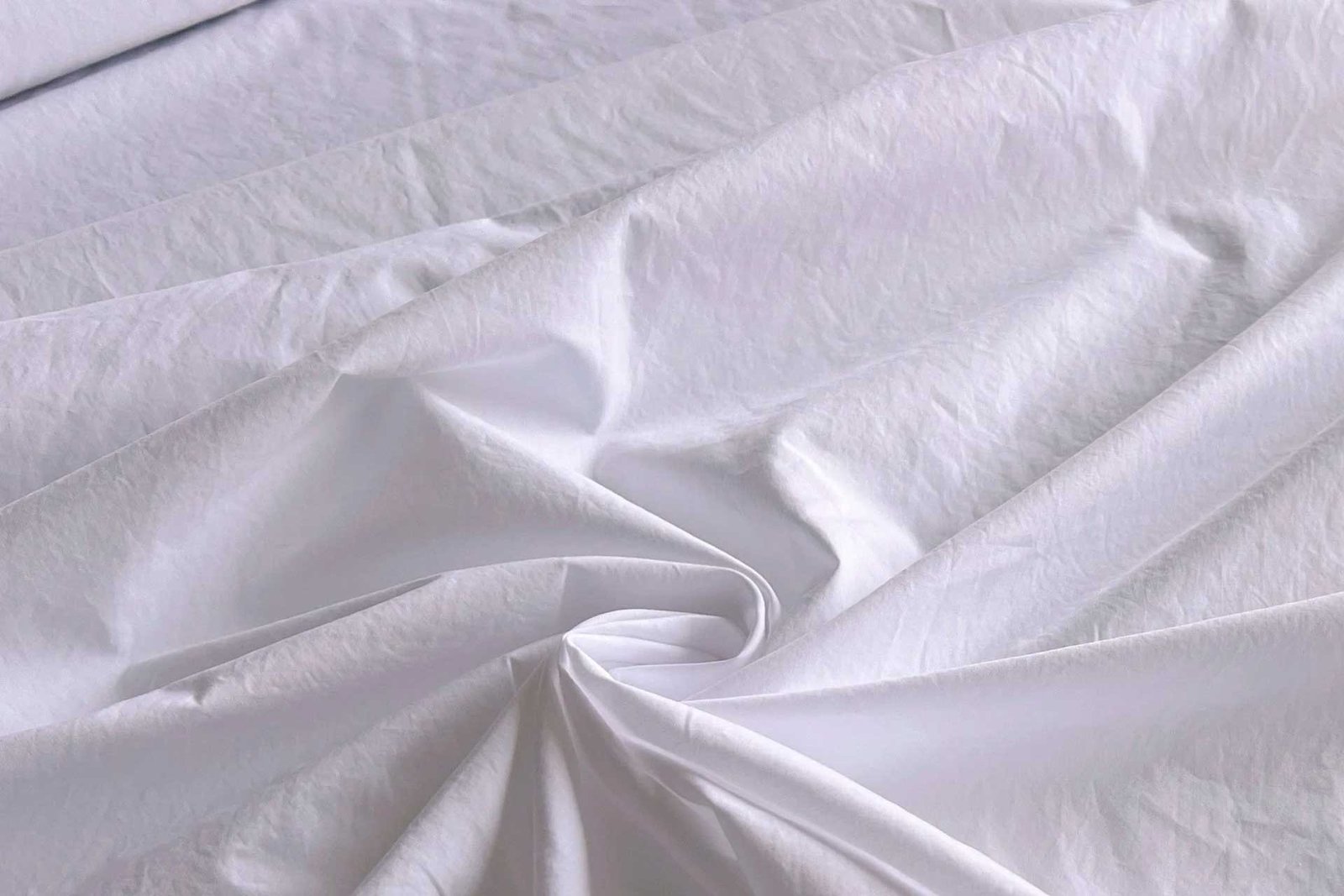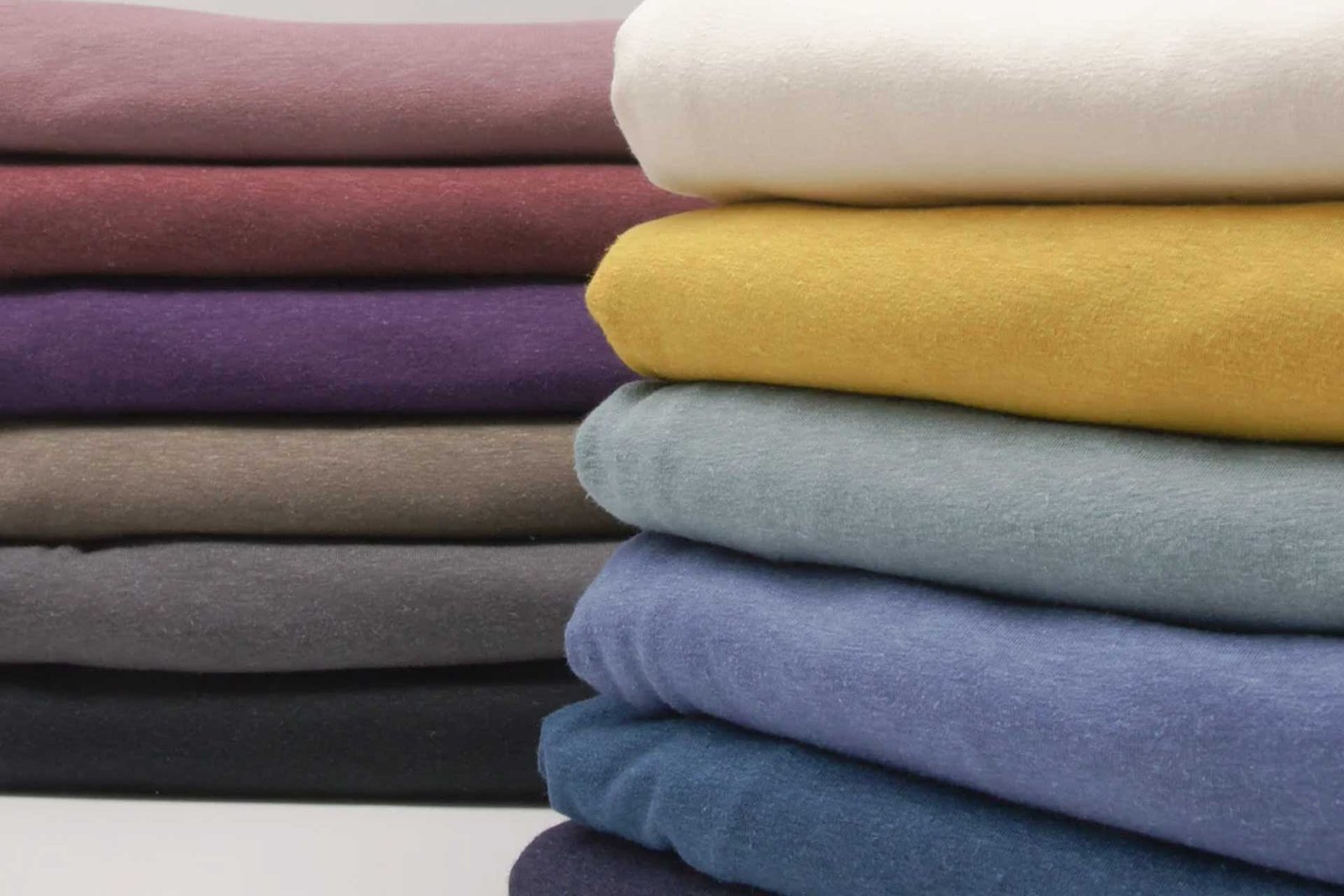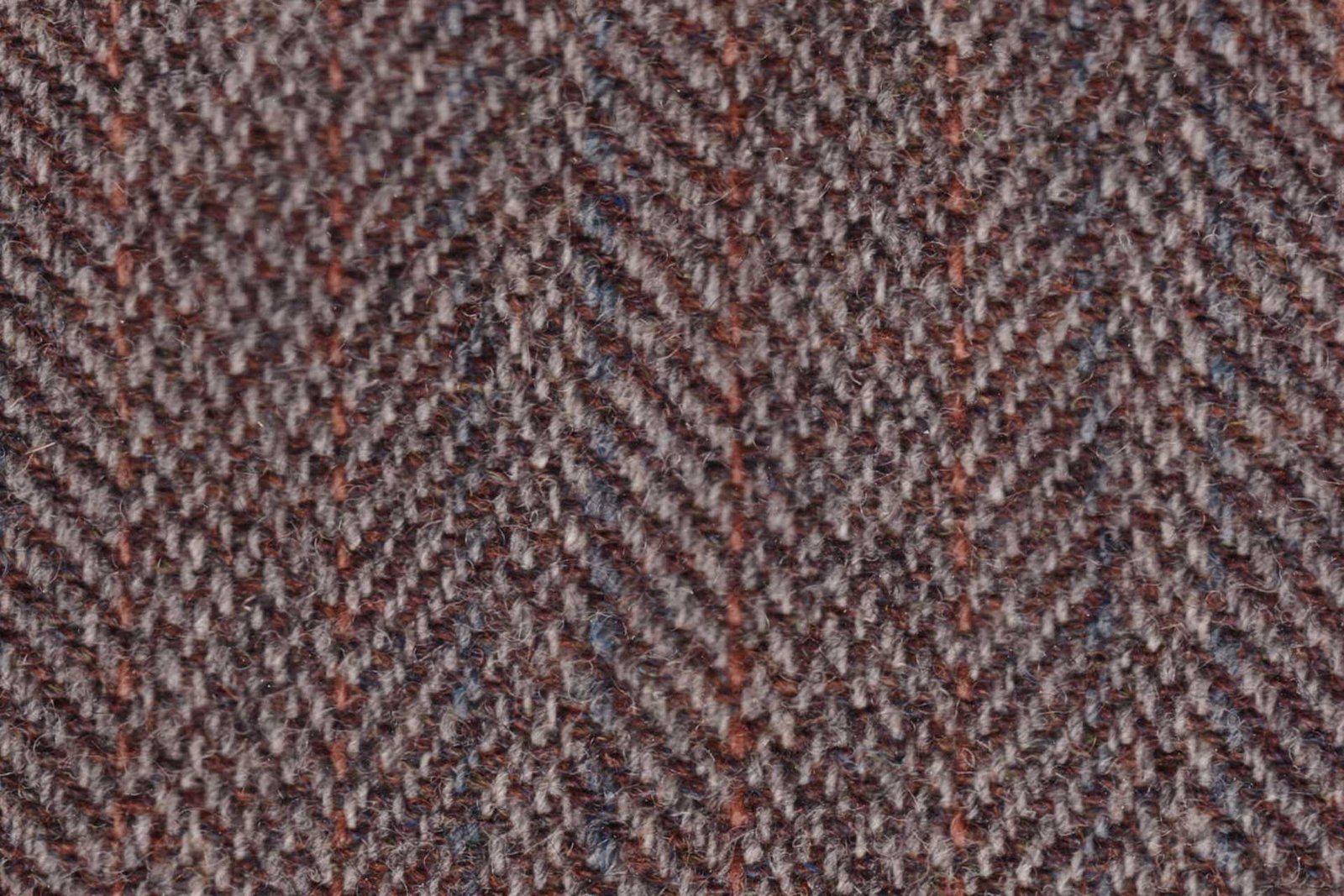
Spandex fabric is one of the most important materials used in modern clothing, known for its exceptional stretch and flexibility. It is widely used in everything from everyday wear to high-performance sportswear.
But what exactly is spandex, and how is it different from elastane?
In this guide, you’ll learn what spandex fabric is, how it’s used in real products, and how to choose the right spandex blend for your needs.
What Is Spandex Fabric?
Spandex is a synthetic fiber known for its ability to stretch significantly and return to its original shape.
👉 It is the American term for elastane, which is the international name for the same material.
Spandex is rarely used on its own and is typically blended with other fabrics such as cotton, polyester, or nylon.
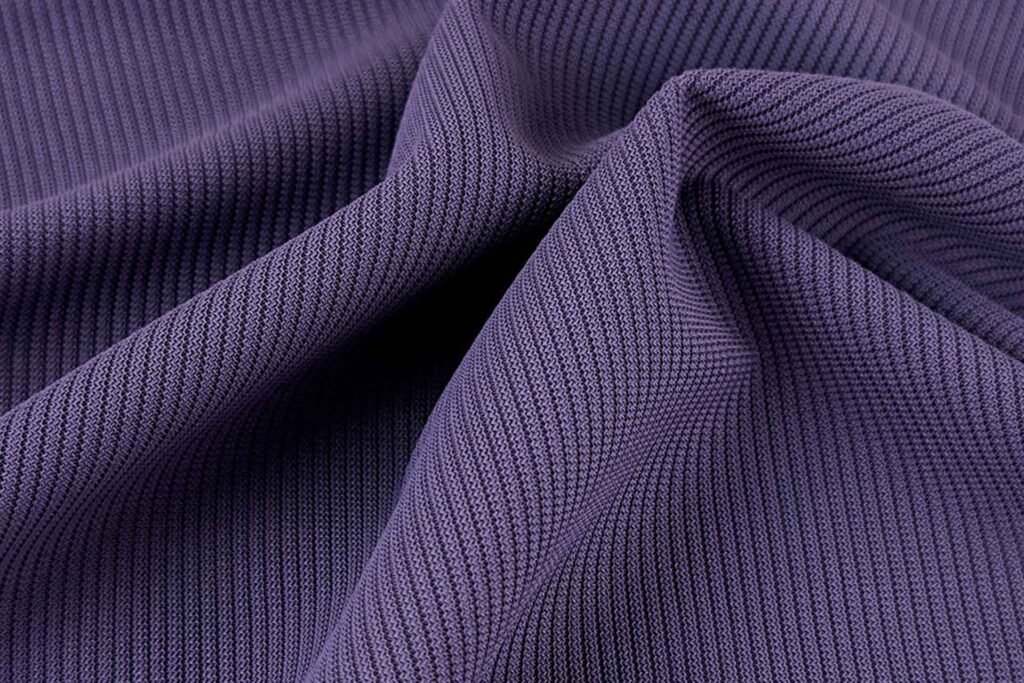
spandex elastane fabric
Why Is Spandex Used in Clothing?
Spandex is added to fabrics to improve:
- Flexibility
- Comfort
- Fit
- Freedom of movement
Without spandex, many modern garments would feel stiff and restrictive.
Common Uses of Spandex Fabric
Spandex is found in a wide range of everyday and performance products.
✔ Activewear and Sportswear
Used in:
- Leggings
- Yoga pants
- Athletic tops
👉 Provides stretch and movement support.
✔ Underwear and Lingerie
Spandex helps garments:
- Fit closely to the body
- Maintain shape over time
✔ Stretch Denim
Jeans often contain 2–5% spandex to improve comfort and flexibility.
✔ Swimwear
Spandex is essential for:
- Stretch
- Fit
- Water performance
How Much Spandex Do You Actually Need?
The percentage of spandex in a fabric makes a big difference.
- 2–5% → Light stretch (jeans, shirts)
- 5–10% → Moderate stretch (dresses, casual wear)
- 10–20% → High stretch (sportswear, leggings)
👉 More is not always better—too much spandex can reduce comfort.
How Spandex Fabric Performs in Real Use
Stretch & Flexibility
Spandex allows fabrics to stretch multiple times their original size.
Shape Retention
It helps garments return to their original shape after use.
Comfort
Blended fabrics feel more flexible and less restrictive.
How to Read Spandex on Fabric Labels
Understanding fabric labels helps you make better choices.
Example:
- 95% cotton, 5% spandex → soft with light stretch
- 80% polyester, 20% spandex → high-performance stretch
👉 The base fabric affects feel, while spandex adds flexibility.
Spandex vs Elastane: Is There a Difference?
Spandex and elastane are the same material.
- “Spandex” → used in the United States
- “Elastane” → used internationally
👉 For a full comparison, see our guide on elastane vs spandex vs Lycra.
Advantages of Spandex Fabric
✔ Excellent Stretch
Provides unmatched flexibility.
✔ Improves Fit
Helps clothing conform to the body.
✔ Enhances Performance Wear
Essential for active and sportswear.
Disadvantages of Spandex Fabric
❌ Sensitive to Heat
High temperatures can damage the fiber.
❌ Can Lose Elasticity Over Time
Repeated use and washing may reduce stretch.
❌ Not Breathable Alone
Spandex must be blended with other materials.
Common Mistakes to Avoid
❌ Choosing Based Only on Stretch
Too much spandex can reduce comfort.
❌ Ignoring Fabric Blend
The main fabric determines feel and durability.
❌ Using High-Spandex Fabrics for Everyday Wear
These may feel too tight or less breathable.
FAQs
Is spandex the same as elastane?
Yes, they are the same fiber with different names.
Is spandex a good fabric?
Yes, especially when blended with other materials for comfort and flexibility.
How much spandex is ideal?
Most everyday clothing uses between 2% and 10%.
Final Thoughts
Spandex fabric plays a key role in modern clothing by adding stretch, comfort, and flexibility. While it is the same material as elastane, understanding how it is used in real products can help you make better choices.
The key is not just the presence of spandex, but how it is blended and used in the fabric.