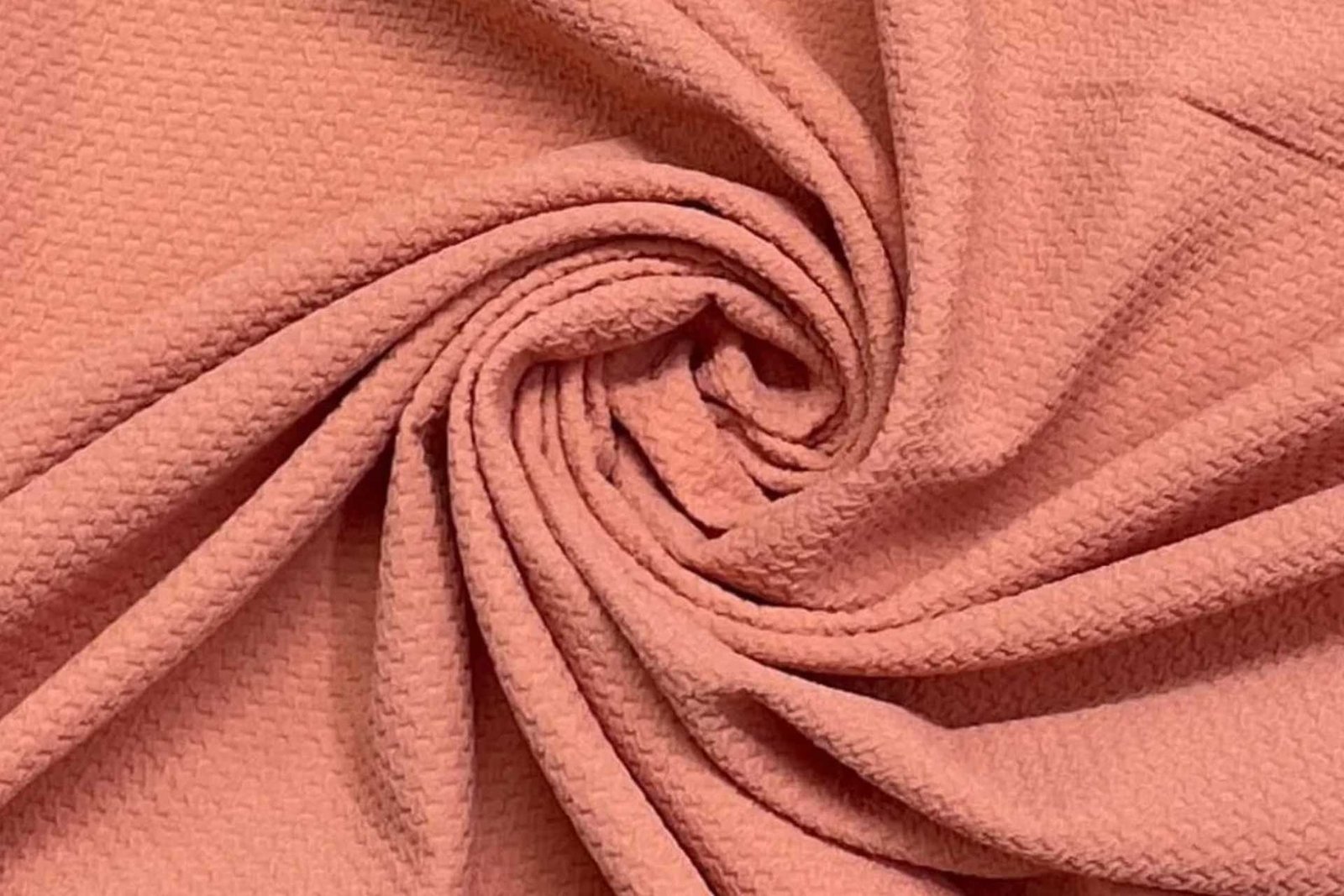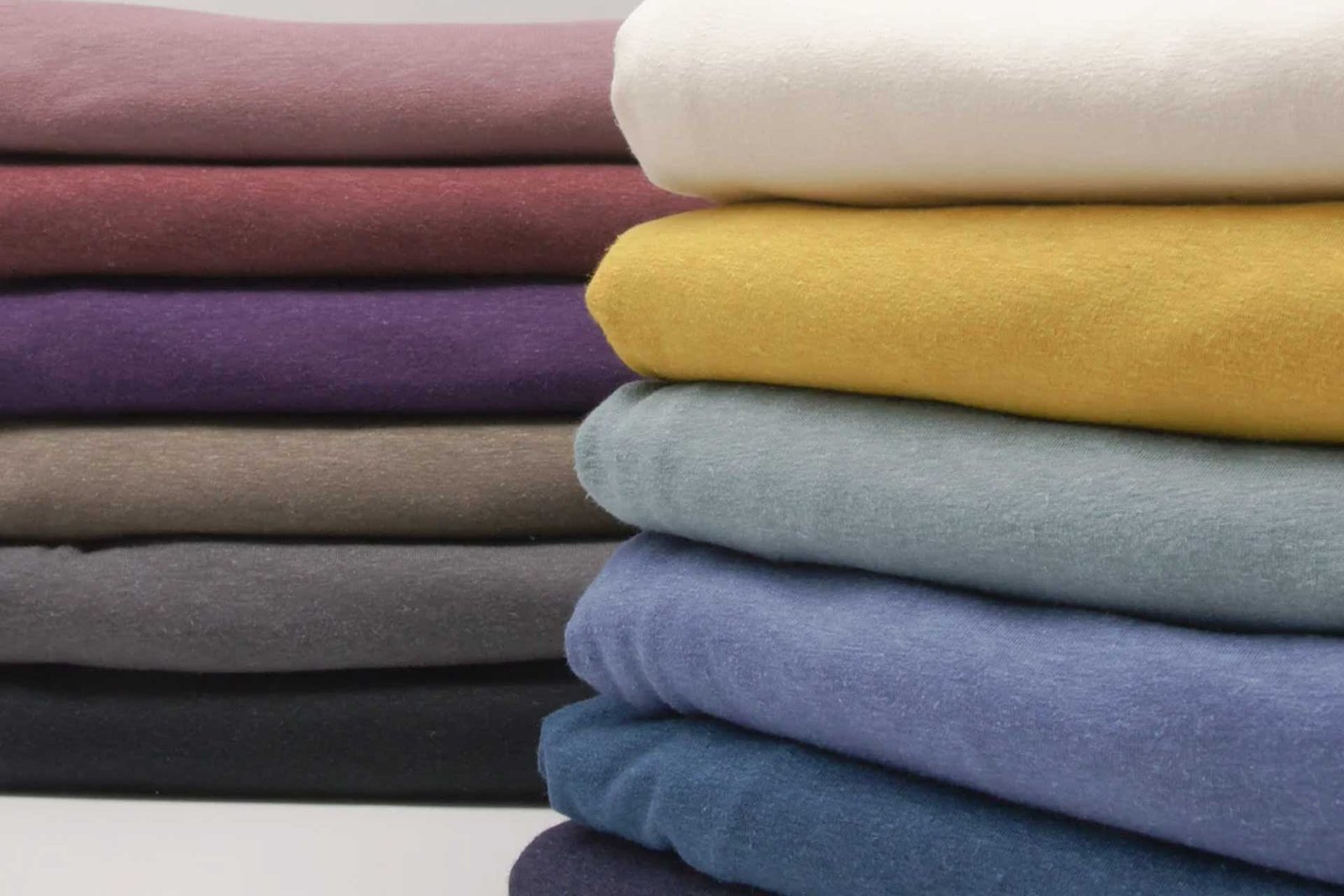
Elastane fabric is one of the most widely used materials in modern clothing, known for its exceptional stretch and flexibility. It is rarely used alone but plays a critical role in improving comfort, fit, and performance when blended with other fabrics.
In this guide, you’ll learn what elastane fabric is, its key properties, common uses, and how to choose the right type for your needs.
Quick Answer: What Is Elastane Fabric?
Elastane is a synthetic fiber with high elasticity. It can stretch several times its original length and return to its shape without losing structure.
👉 It is commonly blended with cotton, polyester, or nylon to create stretch fabrics used in clothing.
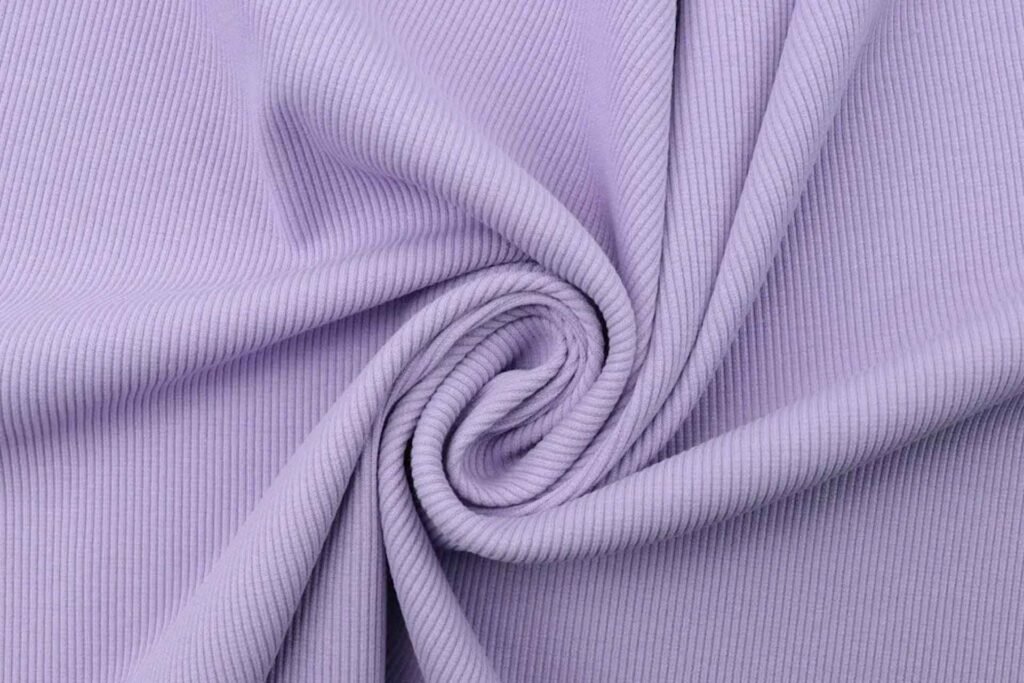
elastane fabric
What Is Elastane Fabric Made Of?
Elastane is made from a type of polyurethane-based polymer. This structure allows the fiber to stretch significantly while maintaining durability.
Unlike natural fibers, elastane is engineered specifically for flexibility and performance.
Key Properties of Elastane Fabric
✔ Exceptional Stretchability
Elastane can stretch up to 5–8 times its original length, making it ideal for form-fitting garments.
✔ Excellent Recovery
It returns to its original shape after stretching, which helps clothing maintain its fit over time.
✔ Lightweight and Flexible
Elastane adds stretch without significantly increasing fabric weight.
✔ Durable in Blends
When combined with other fibers, elastane improves overall fabric durability and comfort.
How Elastane Is Used in Fabrics
Elastane is almost always blended with other materials rather than used alone.
Common Fabric Blends:
- Cotton + elastane → comfortable stretch for everyday wear
- Polyester + elastane → performance sportswear
- Nylon + elastane → swimwear and activewear
👉 The percentage of elastane determines how stretchy the fabric feels.
Common Uses of Elastane Fabric
Elastane is used in a wide range of products:
- Sportswear and activewear
- Underwear and lingerie
- Stretch denim (jeans)
- Swimwear
- Compression garments
Its ability to provide flexibility makes it essential in modern apparel.
Advantages of Elastane Fabric
✔ Improves Comfort and Fit
Clothing adapts to body movement without feeling restrictive.
✔ Enhances Durability in Blends
Garments retain their shape after repeated use.
✔ Enables Performance Wear
Essential for sports and activewear requiring flexibility.
Disadvantages of Elastane Fabric
❌ Sensitive to Heat
High temperatures can damage elastane fibers and reduce elasticity.
❌ Not Breathable Alone
Elastane itself is not breathable and must be blended with other fibers.
❌ Can Degrade Over Time
Exposure to sunlight, heat, or chemicals may weaken elasticity.
How to Choose the Right Elastane Fabric
Choosing the right elastane fabric depends on the application.
1. Check the Elastane Percentage
- 2–5% → light stretch (shirts, casual wear)
- 5–10% → moderate stretch (jeans, dresses)
- 10–20% → high stretch (sportswear, leggings)
2. Consider the Fabric Blend
- Cotton blends → comfort
- Polyester blends → durability
- Nylon blends → performance
3. Match to Your Use Case
- Daily wear → low elastane content
- Activewear → higher elastane content
- Compression → high-performance blends
Elastane vs Spandex vs Lycra
Elastane is the international name for this fiber, while spandex is the term used in the United States. Lycra is a branded version of elastane.
👉 For a detailed comparison, see our full guide on elastane vs spandex vs Lycra.
Common Mistakes to Avoid
❌ Choosing Based Only on Stretch
More stretch is not always better—comfort and breathability matter.
❌ Ignoring Fabric Composition
The base fabric affects performance more than elastane alone.
❌ Using High Elastane for Everyday Wear
Too much stretch can reduce comfort in casual clothing.
FAQs
Is elastane the same as spandex?
Yes. They are the same fiber with different names.
Is elastane a good fabric?
Yes, especially when blended with other materials for stretch and comfort.
How much elastane is ideal?
It depends on the use—most everyday clothing uses 2–10%.
Final Thoughts
Elastane fabric plays a key role in modern textiles by adding stretch, flexibility, and comfort. While it is rarely used alone, it significantly improves the performance of blended fabrics.
Choosing the right elastane percentage and fabric combination is essential for achieving the best results in both comfort and durability.