What is Batik Fabric
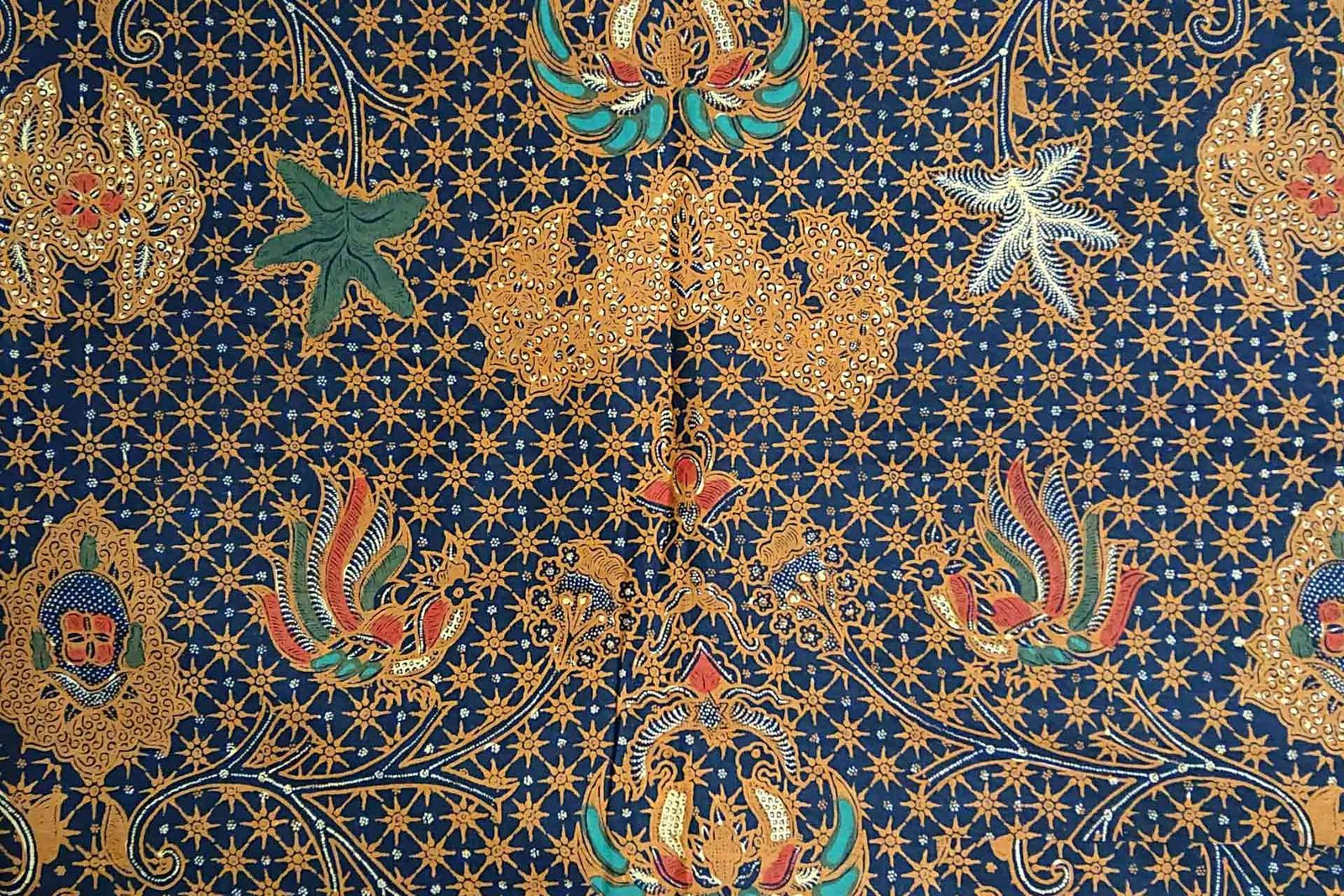
In the world of textiles, few materials capture the eye quite like Batik fabric. Known for its vibrant colors, complex patterns, and organic textures, Batik is more than just a piece of cloth—it is a masterpiece of ancient craftsmanship.
Whether you are a quilter browsing through thousands of bolts of batiks or a fashion designer looking for a unique print, understanding the labor-intensive process behind this fabric will make you appreciate every yard even more.
1. The Art of Wax-Resist: How Batik is Made
Unlike modern digital prints where ink is simply pressed onto the surface of the fabric, Batik fabric is created through a 'wax-resist' dyeing process. This traditional method originated in Indonesia and has been perfected over centuries.
The Process:
-
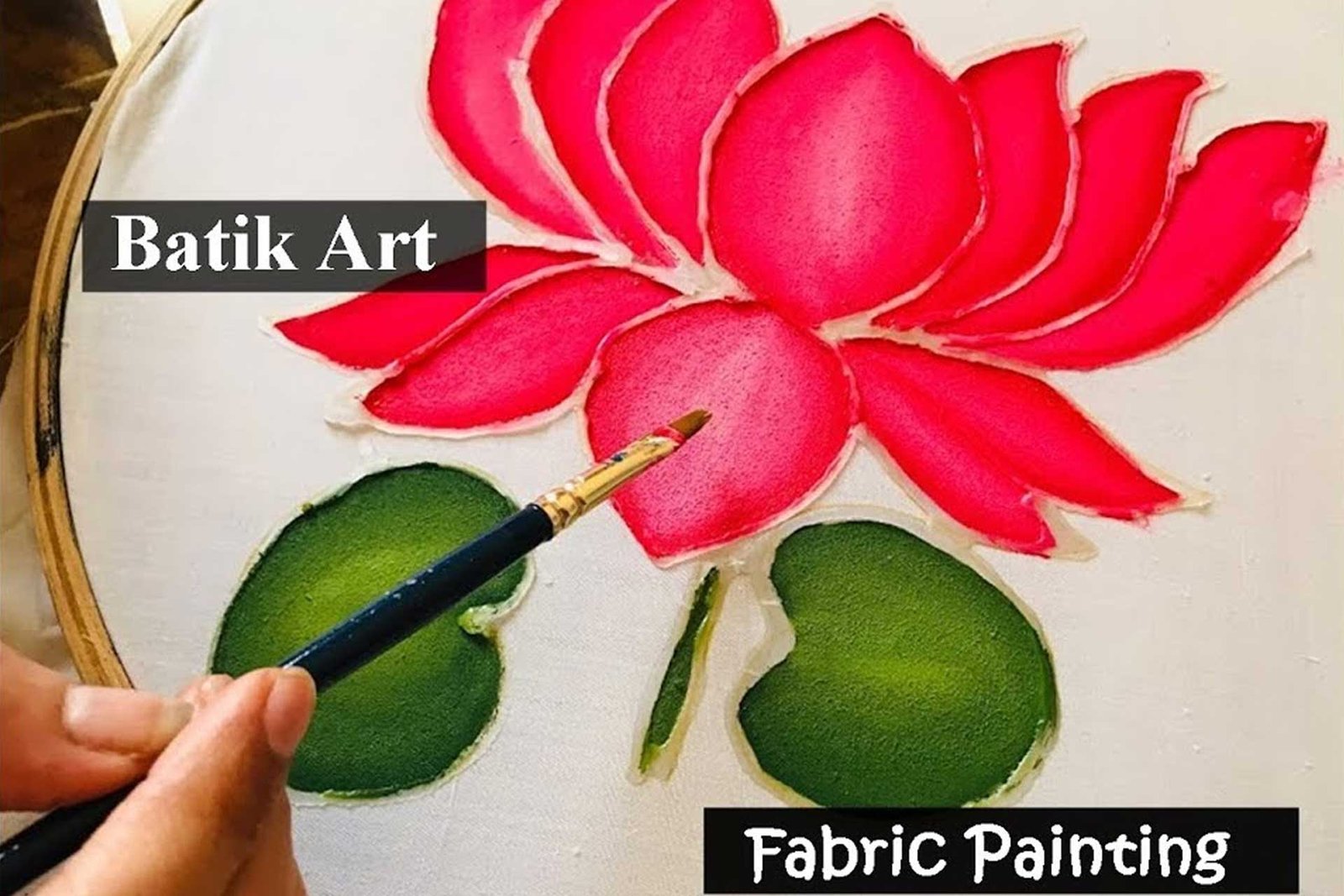
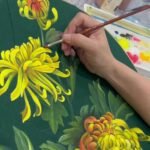
Wax Application: An artisan applies hot wax to a high-quality cotton cloth using a tool called a canting (for hand-drawn patterns) or a cap (a copper stamp for repeated designs).
-
Dyeing: The fabric is submerged in a dye bath. The wax acts as a shield, preventing the dye from reaching the covered areas.
-
Boiling: After the dye sets, the fabric is boiled to melt the wax away, revealing the original color underneath.
-
Layering: For multi-colored Batiks, this process is repeated dozens of times, moving from light colors to dark ones.
2. Why Quilters Love 'Thousands of Bolts of Batiks'
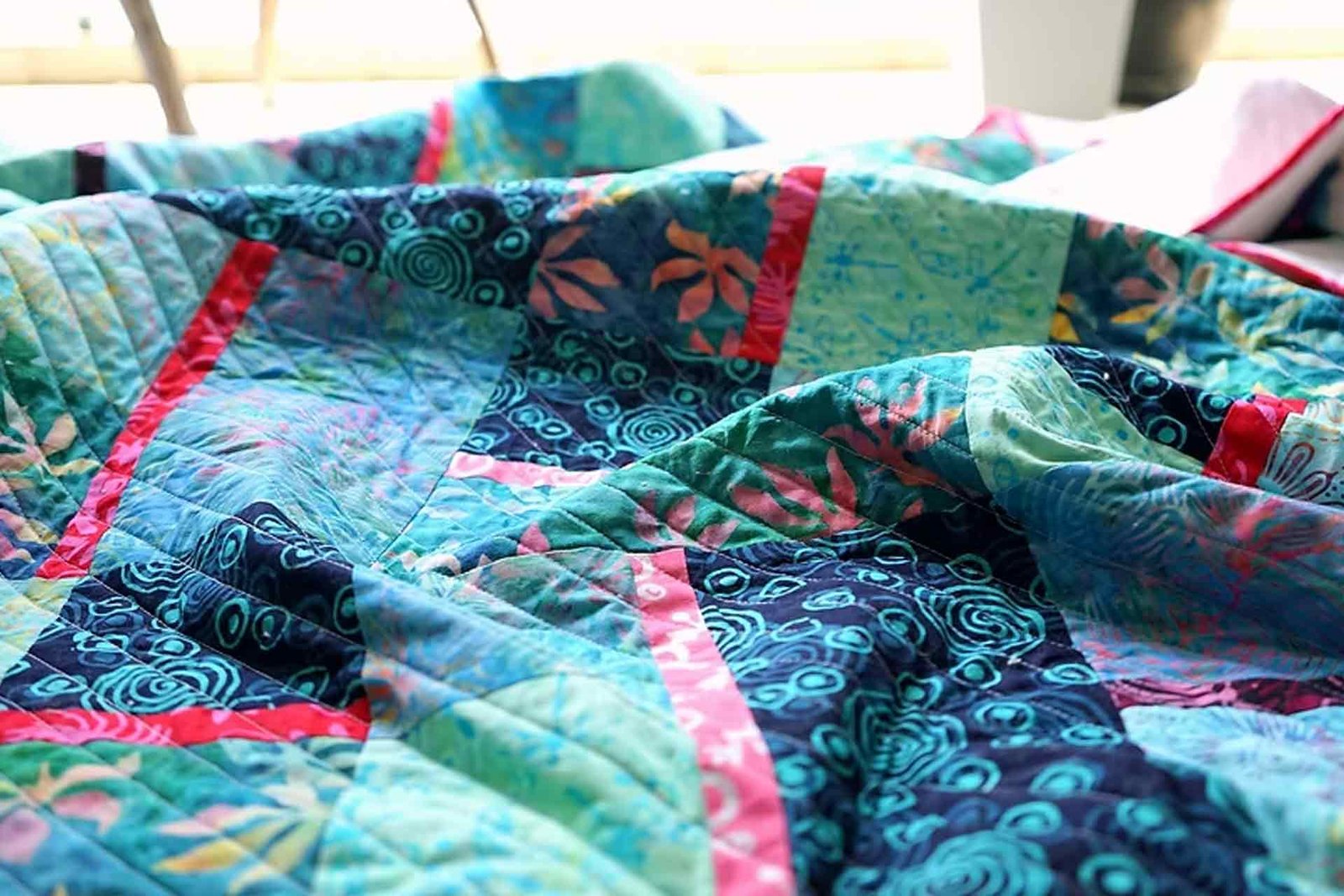
If you’ve ever walked into a specialized quilt shop and seen thousands of bolts of batiks, you know the visual impact is stunning. But why is this fabric the 'gold standard' for many quilters?
-
Tight Weave: Batiks are usually made on high-thread-count cotton. This makes the fabric less prone to fraying and allows for incredibly precise 'fussy cutting' and intricate piecing.
-
No 'Wrong Side': Because the dye penetrates through the entire fiber during the boiling process, the front and back of Batik fabric look almost identical. This is a lifesaver for complex quilt blocks where pieces might get flipped!
-
Natural Texture: The 'crackled' look (veining) occurs when the wax cracks during the dyeing process, allowing tiny lines of color to seep in. This gives the fabric a depth and movement that flat prints can’t replicate.
3. The Versatility of Batik Fabric
While famous in the quilting world, Batik is a heavy-hitter in other categories too:
-
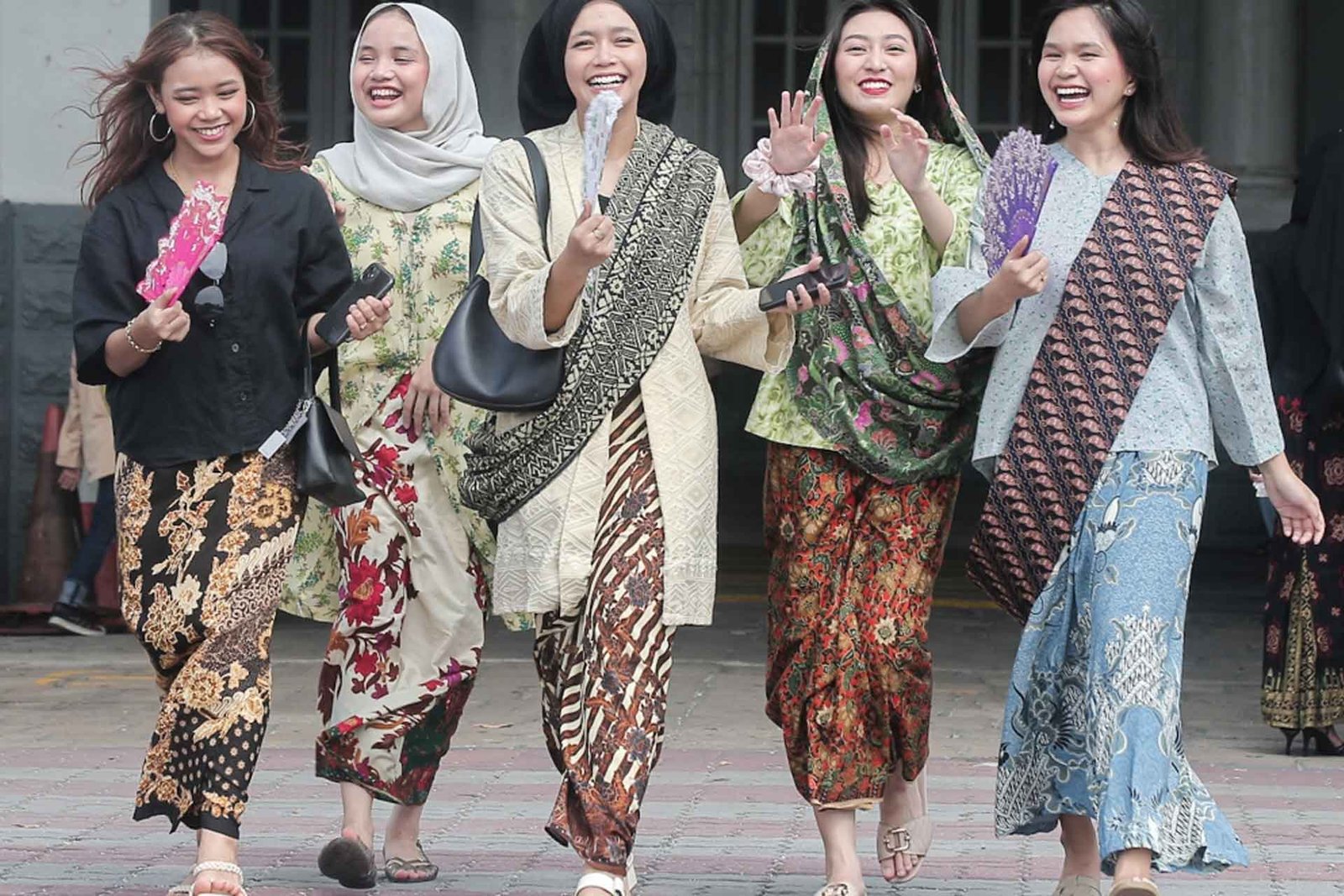
Apparel: Because it is 100% cotton and highly breathable, it is perfect for summer dresses, shirts, and sarongs.
-
Home Decor: Batik table runners and curtains add an exotic, artisan touch to any room.
-
Unique Projects: No two yards of Batik are exactly alike. Because it is handmade, every piece has slight variations that give your project a 'one-of-a-kind' soul.
4. Caring for Your Batik Fabrics
Because Batiks are hand-dyed, they require a little extra love to stay vibrant:
-
Check for Bleeding: Since they are saturated with dye, some Batiks may 'bleed' during the first wash. Use a 'color catcher' sheet in the machine.
-
Pre-washing: Most quilters recommend pre-washing Batiks to remove any leftover wax residue or excess dye.
-
Cool Water: Always wash in cool water and use a mild detergent to preserve the hand-dyed colors.
5. Summary: Why Batik Matters
Choosing Batik fabric is a way to support traditional artisans and bring a piece of history into your sewing room. Whether you are buying a single fat quarter or getting lost in thousands of bolts of batiks, you are handling a fabric that was created with patience and human touch.
Discover the Art of Batik
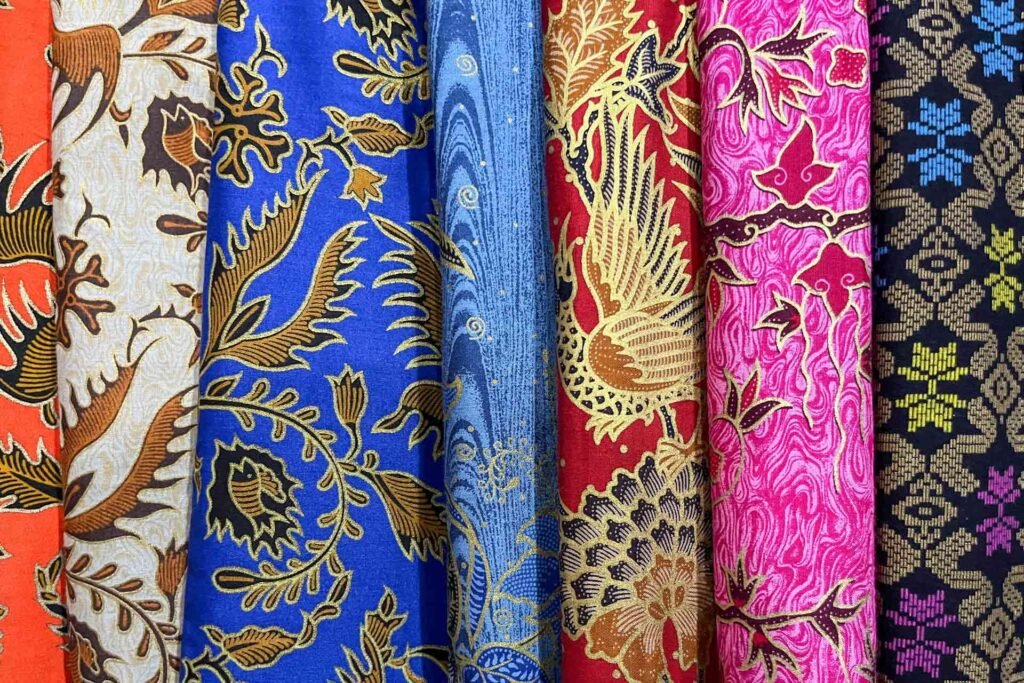
Every pattern tells a story. From tropical florals to abstract crackles, Batik brings a level of sophistication that elevates any handmade item.