Quilter’s Toolbox
Quilting is a beautiful, rewarding craft, but walking into a craft store for the first time can be intimidating. With thousands of products on the shelves, how do you know which quilting supplies are actually essential and which are just fancy 'extras'?
According to search data, nearly 15,000 people every month are looking for this exact starting point. To help you clear the clutter, we’ve put together the ultimate 'Essential Toolbox' for every new quilter.
1. The Cutting Trio (The Absolute Essentials)
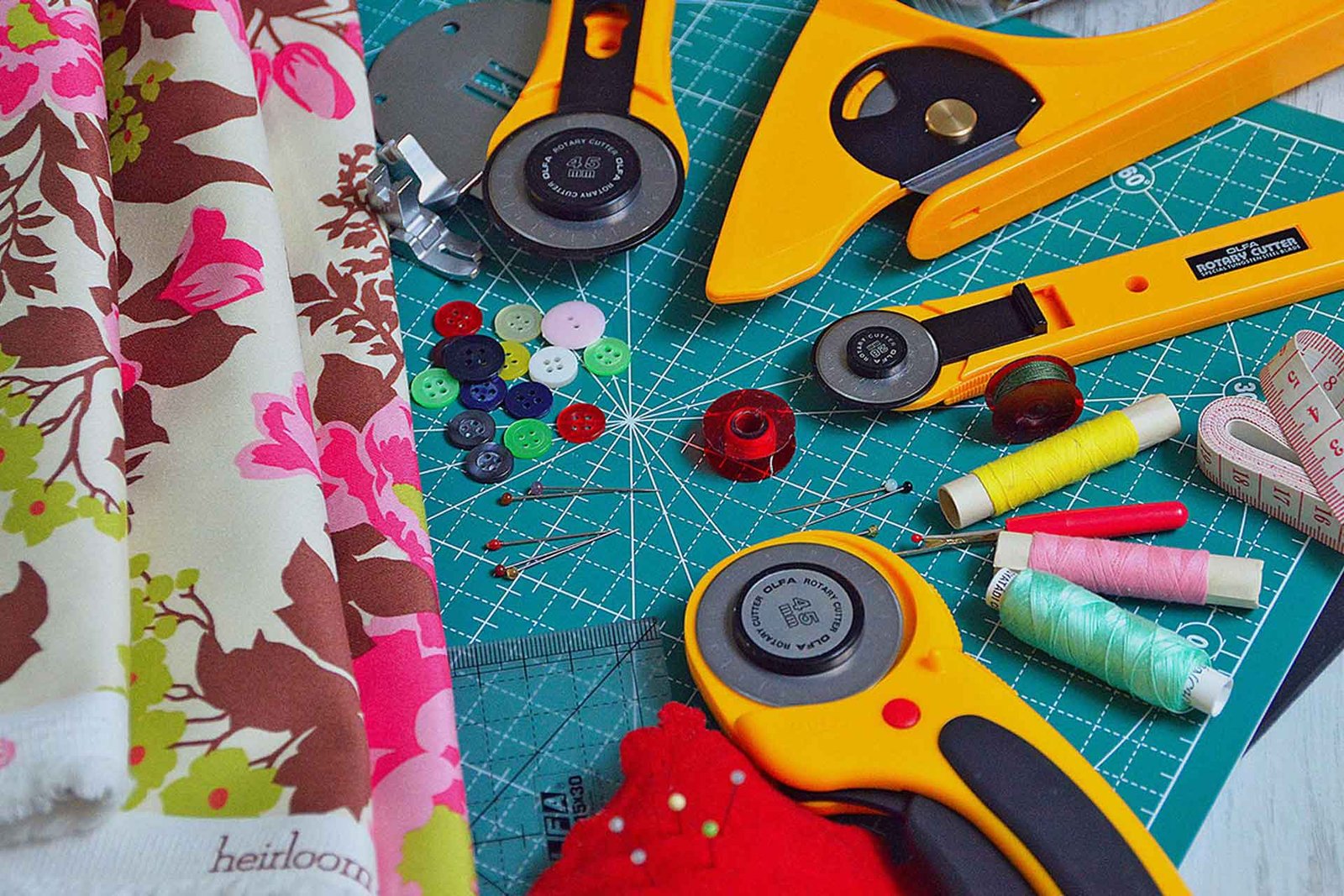
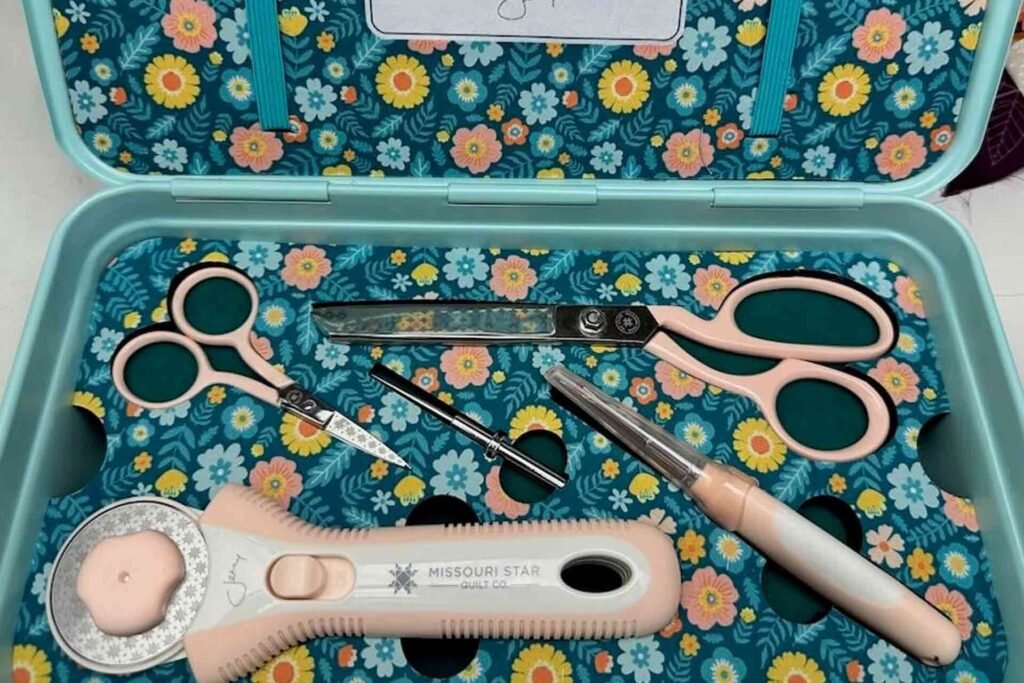
In quilting, accuracy starts with the cut. Forget your household paper scissors; you need these specialized quilting materials:
-
Rotary Cutter: Think of this as a pizza cutter for fabric. A 45mm blade is the standard size and will allow you to cut through multiple layers of fabric with surgical precision.
-
Self-Healing Cutting Mat: To use a rotary cutter, you need a protected surface. A 'self-healing' mat (usually 18' x 24' for beginners) has a special surface that closes up after the blade passes through, protecting your table and your blade.
-
Acrylic Quilting Ruler: You need a heavy, clear ruler with a grid. A 6' x 24' ruler is the most versatile first purchase, allowing you to cut long strips and square up blocks.
2. Choosing the Right Quilt and Fabric
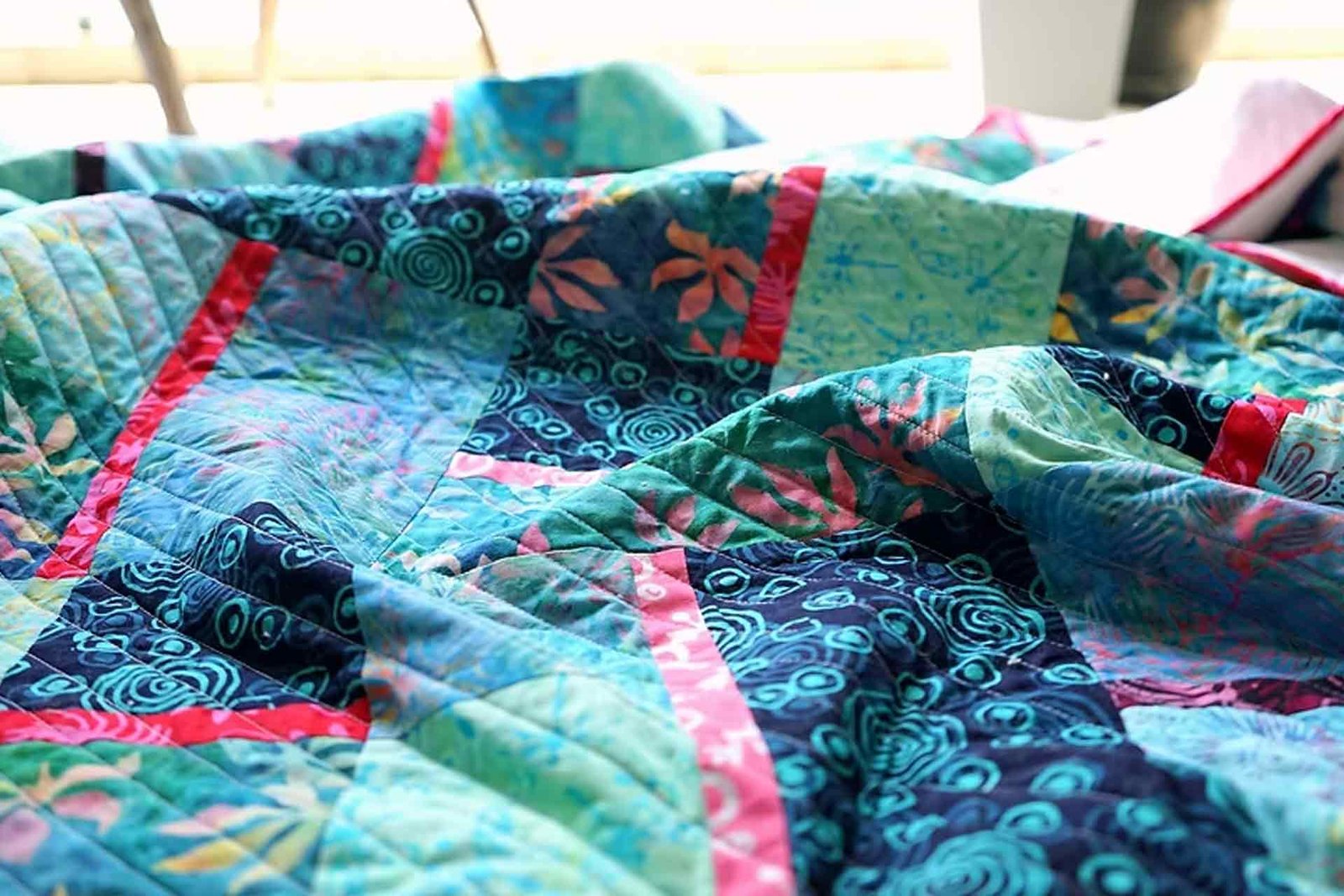
The soul of your project lies in the quilt and fabric selection. For beginners, the choice is simple: 100% Cotton.
-
Why Cotton? It is easy to handle, doesn't slip under the sewing machine foot, and 'grabs' the thread well.
-
Pre-cuts vs. Yardage: As we discussed in previous guides, starting with a Charm Pack or Jelly Roll can save you hours of cutting time and ensure your colors match perfectly.
-
The Thread: Don't buy cheap 'all-purpose' thread. Invest in a high-quality 50-weight cotton thread (like Aurifil or Gütermann). It produces less lint and creates flatter seams.
3. The 'Assembly Line' Tools
Once your fabric is cut, you need the right tools to hold and stitch your quilting material together:
-
Glass-Head Pins: Unlike plastic-head pins, these won't melt if you accidentally run over them with a hot iron.
-
Seam Ripper: Even the pros use them! You will inevitably have to 'un-sew' a mistake, and a sharp, ergonomic seam ripper is your best friend.
-
Quilt Batting: This is the 'filling' of the sandwich. For your first project, a cotton or cotton-poly blend batting is the easiest to quilt by hand or machine.
4. Marking and Pressing
-
Fabric Markers: You’ll need a way to mark quilting lines. Water-soluble pens or 'Frixion' pens (which disappear with heat) are highly recommended.
-
A Reliable Iron: In quilting, you don't just 'iron' (slide); you 'press' (lift up and down). A clean iron with a good steam function is vital for keeping your seams flat and your blocks accurate.
5. Summary Checklist: Your First Shopping Trip
| Category | Must-Have Item | Why? |
| Cutting | 45mm Rotary Cutter | For precision and speed. |
| Measuring | 6' x 24' Acrylic Ruler | To ensure straight, square blocks. |
| Fabric | 100% Cotton Pre-cuts | Best for learning 'tension' and 'feel.' |
| Pinning | Fine Glass-Head Pins | Heat resistant and sharp. |
| Marking | Water-Soluble Pen | For temporary design lines. |
Ready to Build Your Toolbox?
Having the right quilting supplies from day one turns a frustrating hobby into a relaxing passion. Don't feel like you need to buy the whole store—start with these basics, and your collection will grow with your skills.