In the world of textiles, the label 'European Linen' carries the same weight as 'Champagne' does in wine or 'Swiss' does in watches. When you browse a linen shop online, you may notice a significant price difference between generic flax and authentic Belgian linen fabric.
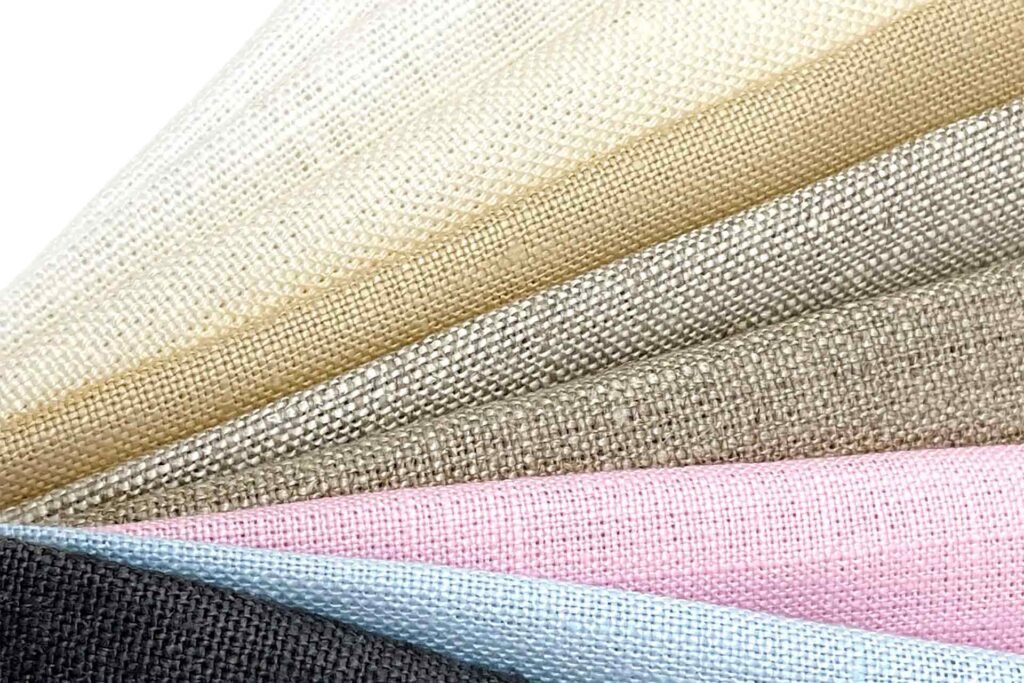
belgian linen fabric
Is it just marketing, or is there a tangible difference in the fiber? For top-tier designers, the answer is clear: the unique combination of heritage, climate, and craft makes European flax the gold standard of pure linen. Here is why these specific regions dominate the luxury market.
1. The 'Flax Belt': Nature’s Perfect Laboratory
High-quality linen cannot be grown just anywhere. The vast majority of the world's premium flax is grown in a narrow coastal strip stretching from Northern France through Belgium and into the Netherlands.
-
The Soil: This region features rich, silty soil that is naturally irrigated by a perfect balance of rain and sun.
-
The Climate: The alternating damp and sunny weather is essential for the 'Retting' process (the natural decomposition that releases the fiber), which occurs right in the fields.
-
Result: Flax grown here reaches a height and strength that is impossible to replicate in hotter or drier climates, resulting in longer, more lustrous fibers.
2. Belgian Linen: The 'Master of Linen' Heritage
Belgium has been the heart of the linen industry since the Middle Ages. When you buy Belgian linen fabric, you aren't just buying material; you are buying 600 years of expertise.
-
Expert Weaving: Centuries-old mills, such as the world-renowned Libeco linen, have refined the art of weaving to a point of perfection. They handle the yarn with a tension that prevents snapping and creates a uniform, elegant drape.
-
The CO2 Advantage: European flax is one of the most sustainable fibers on earth. It requires no irrigation (rainwater only) and very few nitrates, making it the primary choice for eco-conscious luxury brands.
3. Lithuanian Linen: The Tradition of Softness
Further East, Lithuanian linen has carved out its own prestigious niche. Lithuanian weavers are famous for their finishing techniques.
-
The 'Hand': While Belgian linen is often prized for its crisp, structural elegance, Lithuanian linen is frequently celebrated for its 'washed' or 'shabby chic' texture.
-
Innovation: They are masters of the stonewashing process, creating pure linen that feels soft and lived-in from the very first touch, perfect for bedding and relaxed apparel.
4. How to Identify Authentic Luxury Linen
How do you know you are getting the real thing? Look for these prestigious certifications:
| Certification | What it Means |
| Masters of Linen® | A guarantee that the linen is 100% made in Europe, from field to yarn to fabric. |
| European Flax® | Certifies that the raw fiber is grown in Europe under strict environmental standards (no GMO, no waste). |
| OEKO-TEX® | Ensures the fabric has been tested for harmful substances and is safe for your skin. |
5. Is the Investment Worth It?
Why pay more for European linen?
-
Longevity: While cheap linen might fray or 'pill' after a few washes, Belgian and Lithuanian linens are heirloom-quality. They don't wear out; they wear in.
-
The Glow: High-quality European flax has a natural, subtle sheen (a 'luster') that synthetic imitations or low-grade flax blends cannot mimic.
-
The Drape: Because the fibers are longer, the fabric has a 'weighty' drape that looks expensive and holds its shape in high-fashion silhouettes.
🛍️ Shop the European Collection
Experience the pinnacle of textile craft with our imported European selection.