Choosing the right fabric blend depends entirely on the 'drape' and 'function' of your final piece. Here is a breakdown of the most popular modal combinations and why they are favorites in the textile industry.
1. Cotton Modal: The Best of Both Worlds
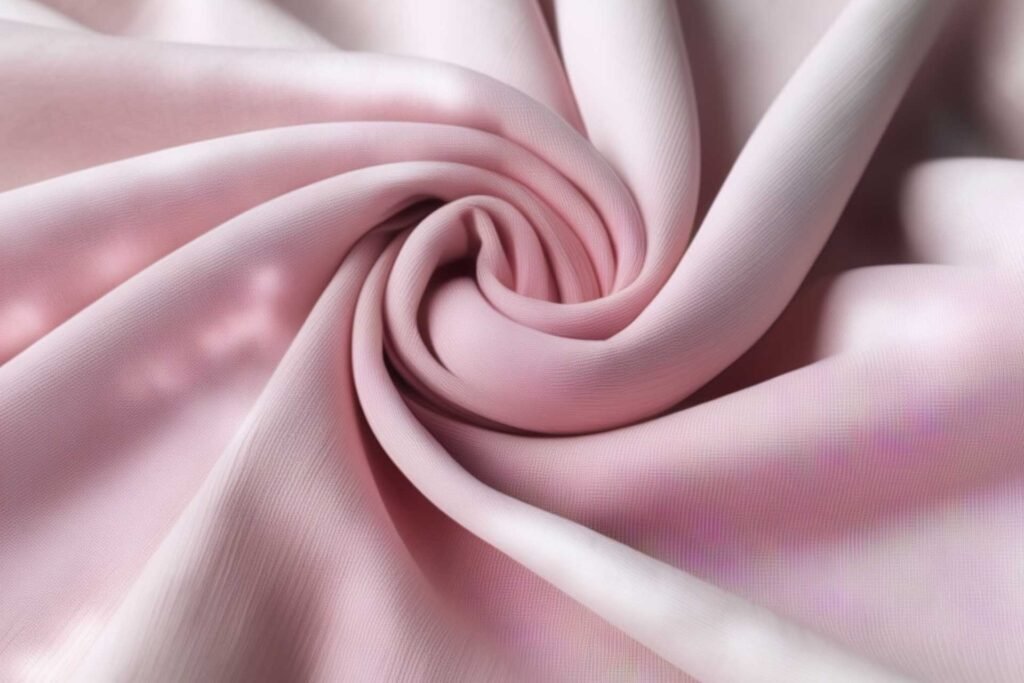
Cotton modal fabric
Cotton modal fabric is the workhorse of the apparel industry. While pure cotton can sometimes feel stiff and pure modal can be overly 'slinky,' the blend offers a perfect equilibrium.
-
The Structure: Cotton provides the 'body' or 'skeleton' that modal lacks, making it easier to sew and tailor into structured t-shirts and casual dresses.
-
The Comfort: Modal adds a permanent softness that won't wash away, ensuring the garment stays cozy even after 50 washes.
-
Pro Tip: Look for a 60/40 cotton-modal blend for the ultimate high-end basics.
2. Modal Spandex: Engineering the Perfect Fit
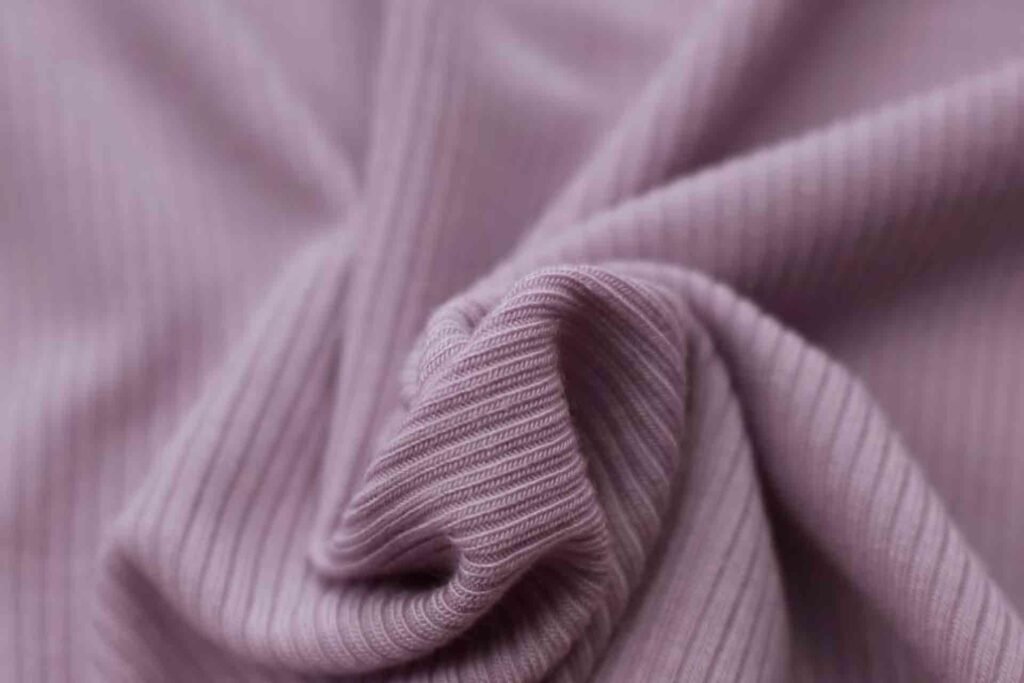
91 modal 9 spandex
For anything that needs to move with your body, modal spandex fabric (also known as modal elastane) is the undisputed king.
-
The 95/5 Rule: You will frequently see 95 modal 5 spandex on labels for premium underwear, leggings, and yoga wear. This 5% of spandex provides incredible 'recovery,' meaning the fabric stretches but doesn't bag out at the knees or elbows.
-
Modal Fabric Stretch: This blend is highly moisture-wicking and breathable, making it a superior choice for athletic base layers compared to traditional polyester.
3. Modal Jersey: The Secret to Elegant Drape
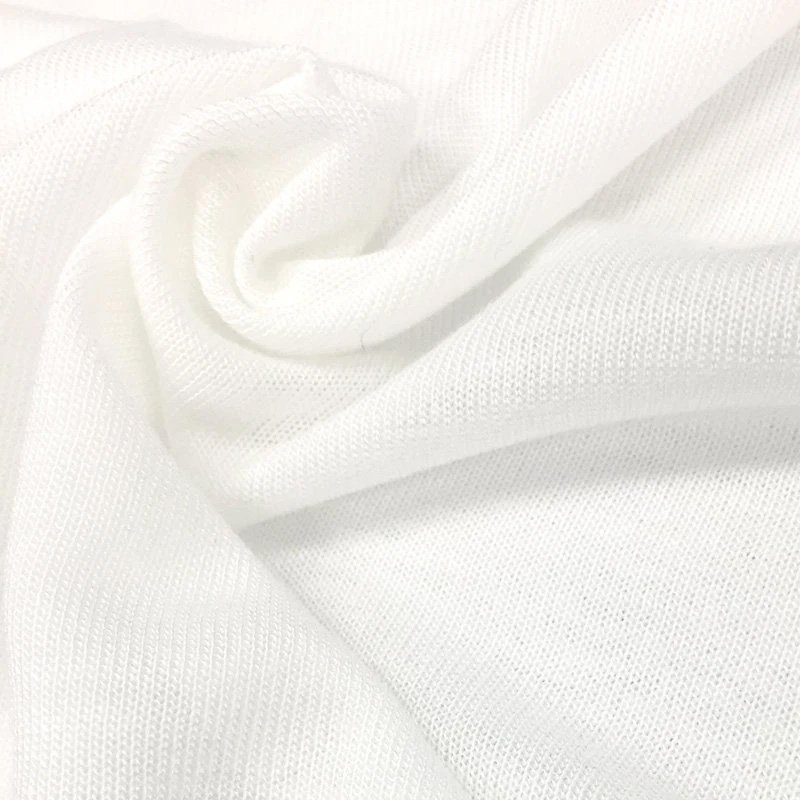
100% Modal Jersey Fabric
When you search for jersey modal, you are looking for a knit construction that emphasizes fluidity.
-
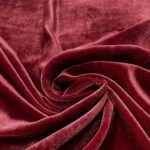
The Flow: Modal jersey fabric is famous for its 'liquid' drape. It follows the contours of the body without clinging, making it the premier choice for wrap dresses, maxi skirts, and luxury pajamas.
-
DIY Advantage: If you are buying modal fabric by the yard, jersey is forgiving for beginners, provided you use a ballpoint needle to avoid snagging the delicate knit.
4. Modal Silk: The Pinnacle of Luxury
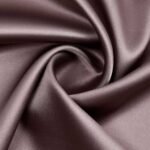
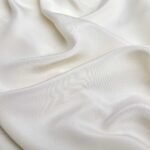
Modal silk fabric is often used in high-fashion scarves and evening wear. Modal mimics the luster of silk while making the fabric more affordable and significantly easier to care for than 100% mulberry silk.
Comparison: Which Blend Do You Need?
| Fabric Blend | Best Project | Key Benefit |
| Cotton/Modal | Everyday T-shirts, Loungewear | Breathable & Durable |
| 95% Modal / 5% Spandex | Underwear, Leggings, Activewear | Maximum Stretch & Recovery |
| Modal Jersey | Flowy Dresses, Robes, Pajamas | Elegant, Liquid-like Drape |
| Modal Silk | Scarves, Blouses, Evening Wraps | Luxury Shine & Softness |
Pro Care Guide: How to Stop Modal Fabric Pilling
A common concern with soft knits is modal fabric pilling. Because the fibers are so fine, friction can cause small 'fuzz balls' to form. Follow these steps to keep your fabric looking new:
-
Turn it Inside Out: This prevents the 'right side' of the fabric from rubbing against other garments in the wash.
-
Wash Cold & Gentle: High heat damages modal fibers and breaks down spandex.
-
Avoid the Dryer: Whenever possible, lay modal flat to dry. If you must use a dryer, use the lowest heat setting.
-
Use a Mesh Bag: For 95/5 modal spandex items, a laundry bag prevents the fabric from over-stretching during the spin cycle.
Summary and Conclusion
Whether you need the ruggedness of a cotton modal blend or the extreme flexibility of modal spandex, these combinations ensure you don't have to sacrifice comfort for performance. By understanding the 'ingredients' of your textile, you can create or purchase clothing that feels like a second skin while maintaining its shape for years to come.