Gingham is everywhere. You’ll find it on summer picnic blankets, high-fashion runways, and rustic kitchen curtains. But while it feels as American as apple pie or as British as a summer garden party, the history of gingham is actually a sweeping global epic spanning hundreds of years and thousands of miles.
Understanding the gingham origin reveals how a simple striped cloth from the East became the most famous checkered fabric in the West.
1. The Eastern Roots: What’s in a Name?
The word 'Gingham' is believed to have originated from the Malay word genggang, which translates to 'striped' or 'ajar.'
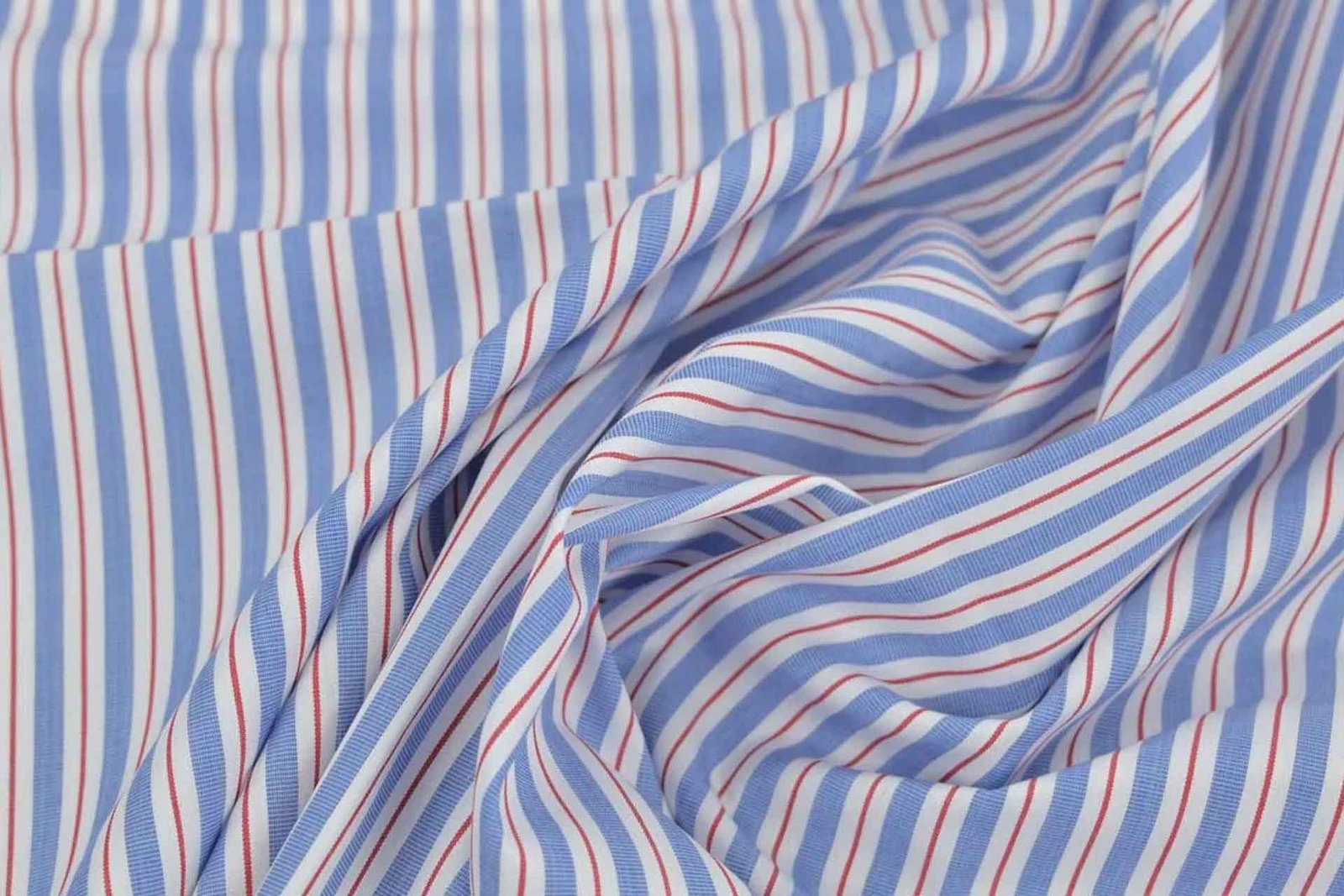
Unlike the checkered pattern we recognize today, the original gingham fabric history began as a brightly colored striped cloth. In the 17th century, when Dutch and English traders first encountered the material in Southeast Asia (particularly in present-day Malaysia and Indonesia) and India, it was a durable, yarn-dyed cotton that gained instant popularity for its breathability and strength.
2. The European Industrial Revolution: Stripes Become Checks
When the fabric was first imported to Europe in the early 18th century, it was still primarily striped. However, the mills in Manchester, England, and across France began to manufacture the fabric locally.
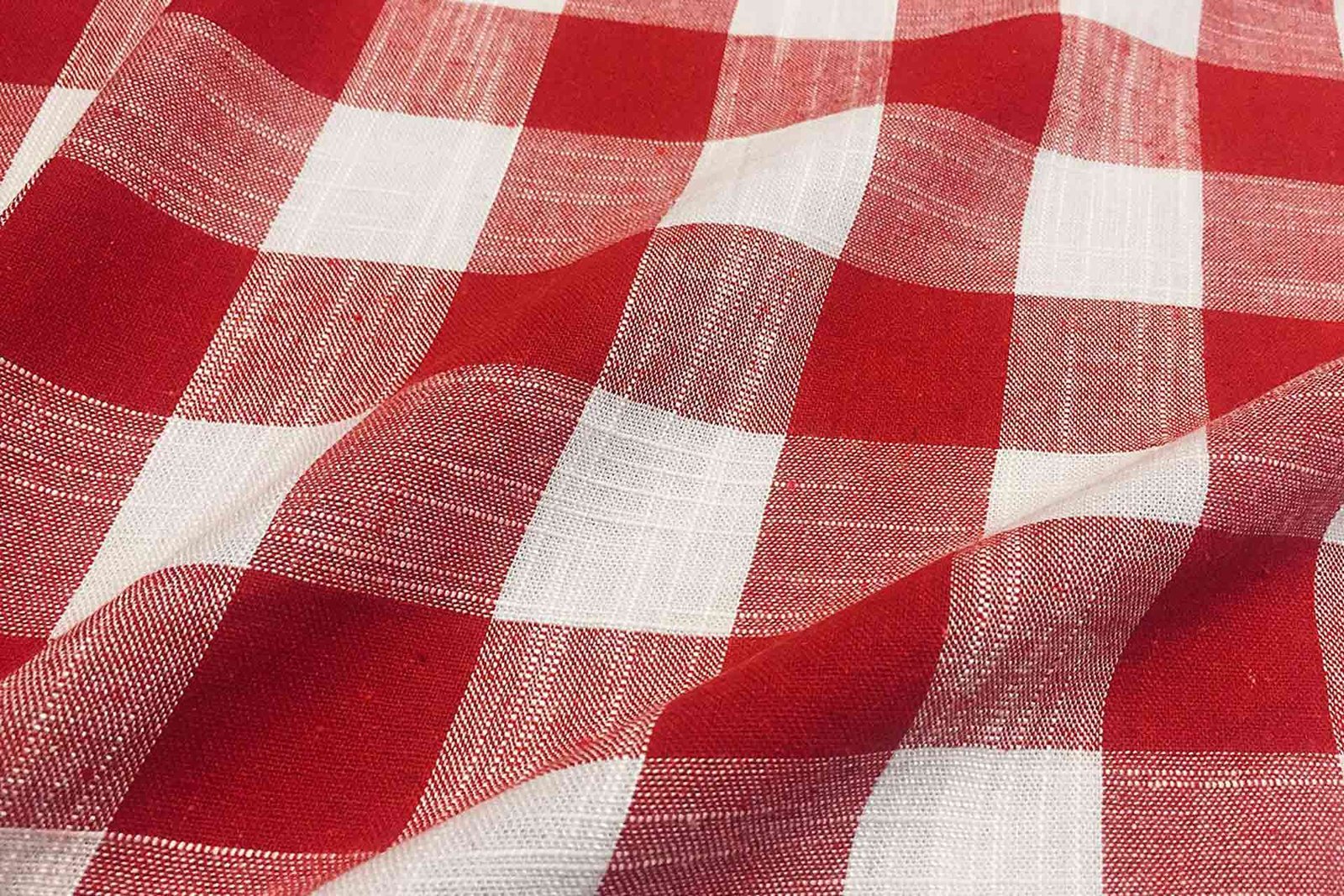
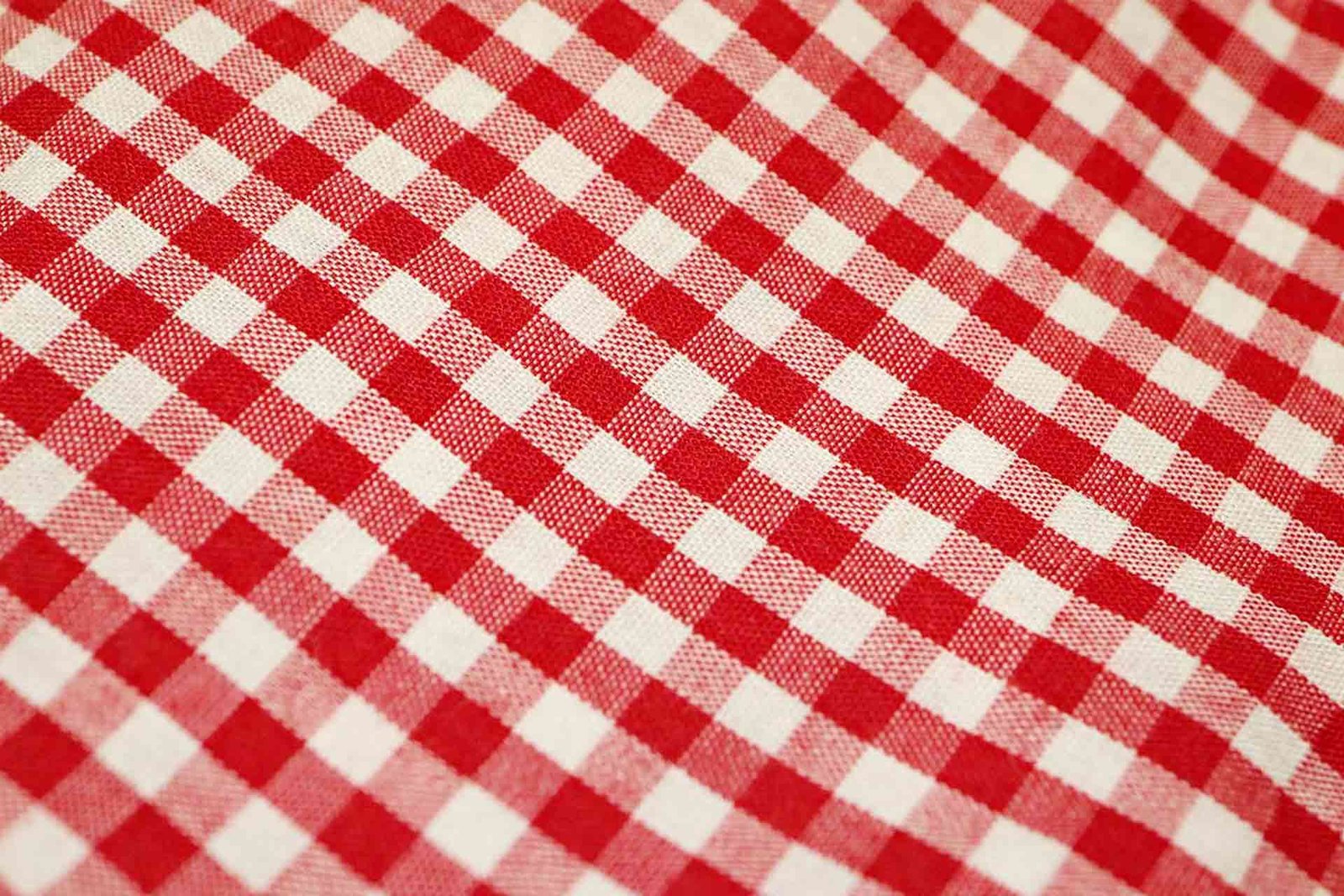
When was gingham popular as a check? It was during this period of European production that the pattern shifted. To save on costs and appeal to local tastes, weavers began to create a checked pattern rather than just stripes.
-
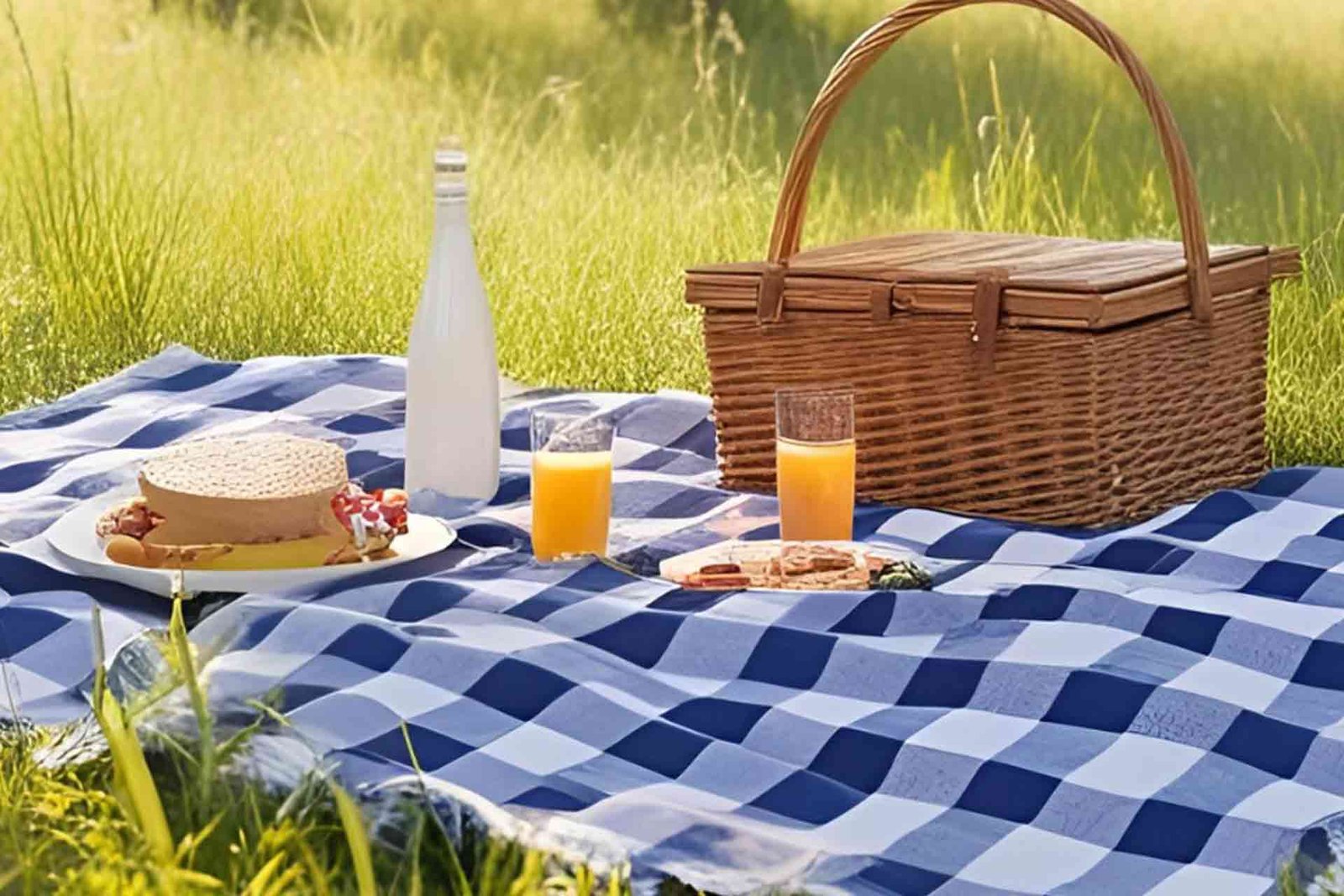
By the mid-18th century, the blue and white check became the standard 'working class' fabric because it was inexpensive to produce, reversible, and hid dirt well.
-
This transition marked the birth of the 'classic' gingham look we see today.
3. The 1950s: Hollywood’s Love Affair with Gingham
If the 18th century made gingham a household staple, the 20th century made it a fashion icon. The fabric became synonymous with post-war optimism and 'Americana' style.
-
The Silver Screen: In 1939, Judy Garland’s Dorothy famously wore a blue gingham dress in The Wizard of Oz, cementing the fabric as a symbol of innocence and home.
-
The Style Icons: In the 1950s and 60s, Audrey Hepburn and Brigitte Bardot transformed the fabric from 'housewife chic' to 'high fashion.' Bardot notably broke royal tradition by wearing a pink and white gingham wedding dress, sparking a global trend that lasted for years.
-
The Mod Movement: Gingham was later adopted by the Mod subculture in London, proving it could be edgy and urban just as easily as it could be sweet and rural.
4. Why Gingham Never Goes Out of Style
Why does gingham remain at the top of the search charts year after year? Its longevity comes down to three factors:
-
Nostalgia: Gingham evokes a sense of comfort and simplicity. It reminds us of summer, childhood, and a slower pace of life.
-
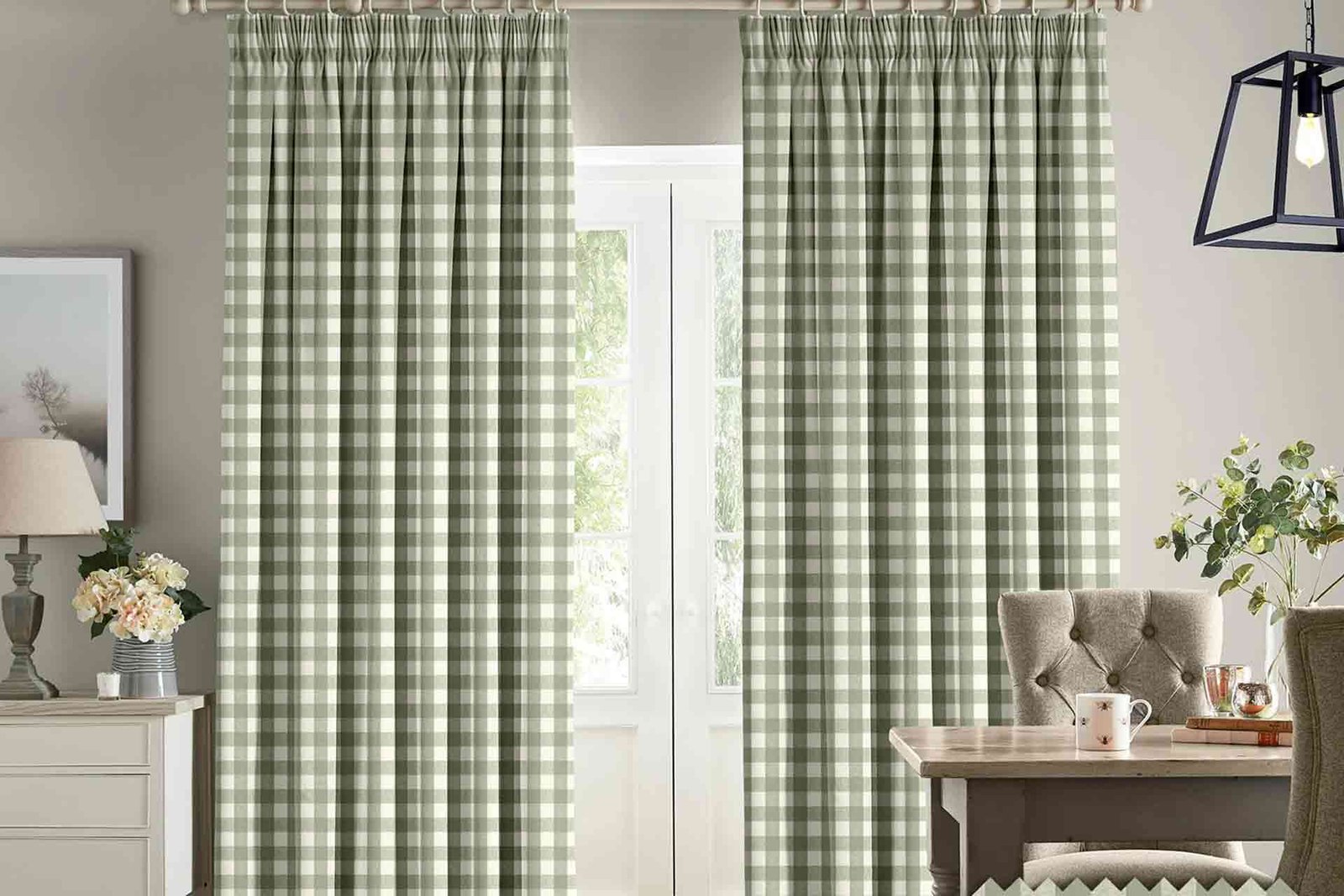
Democratic Design: It is one of the few fabrics that feels equally at home in a luxury boutique as it does in a bargain bin. It is truly a 'fabric for the people.'
-
Graphic Versatility: The clean, geometric lines of the check allow it to act as a neutral. It can be paired with florals, stripes, or bold solids without clashing.
5. Timeline: Key Moments in Gingham History
| Era | Significance |
| 1600s | Imported to Europe from Malaysia/India as a striped cotton. |
| 1700s | British and French mills begin weaving it as a checked pattern. |
| 1939 | Dorothy Gale's dress in The Wizard of Oz makes blue gingham iconic. |
| 1959 | Brigitte Bardot wears a gingham wedding dress, making it a global fashion must-have. |
| Today | A staple in modern quilting patterns and sustainable 'slow fashion' movements. |
Celebrate the Heritage
From the shores of Malaysia to the bustling mills of the Industrial Revolution, the history of gingham fabric is a testament to the power of simple, high-quality design. When you choose gingham for your next project, you aren't just picking a pattern—you are wearing a century of history.
Looking for a piece of history? Contact us for our Collection of Classic Cotton Ginghams and bring a timeless touch to your next creation!