Choosing the right elastane fabric is essential for achieving the desired performance, comfort, and durability in your product. While elastane is known for its stretch, not all elastane fabrics perform the same.
In this guide, you’ll learn how to choose elastane fabric based on application, blend, stretch level, and performance requirements.
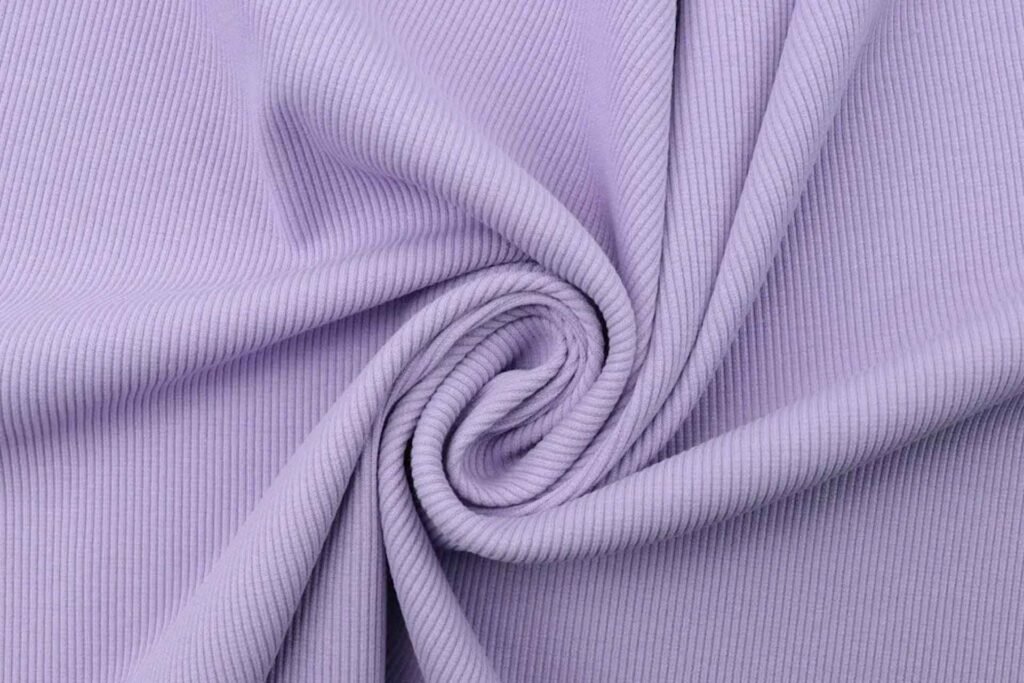
elastane fabric
Why Choosing the Right Elastane Fabric Matters
Elastane is rarely used alone—it is blended with other fibers to enhance flexibility and fit.
👉 The wrong choice can lead to:
- Poor comfort
- Reduced durability
- Unstable shape after washing
👉 The right choice ensures better performance and longer-lasting garments.
Step 1: Choose Based on Application
Different uses require different elastane properties.
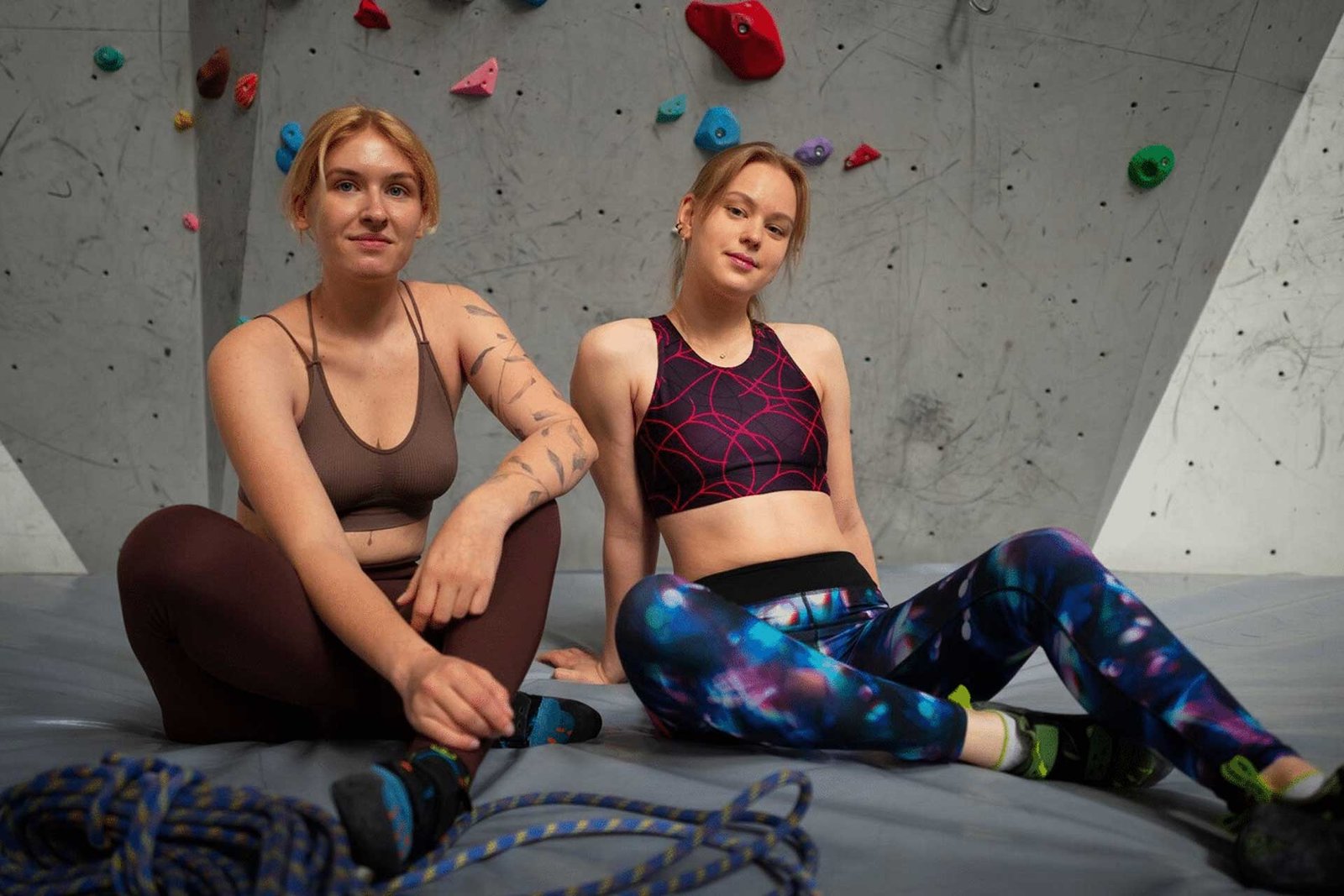
✔ Activewear
- Requires high stretch and durability
- Recommended elastane: 10–20%
✔ Swimwear
- Needs flexibility and shape retention
- Often uses polyamide + elastane blends
✔ Underwear
- Requires softness and comfort
- Usually cotton + elastane blends
✔ Everyday Clothing
- Needs light stretch
- Recommended elastane: 2–5%
Step 2: Understand Elastane Percentage
The percentage of elastane directly affects performance.
- 2–5% → light stretch, suitable for casual wear
- 5–10% → moderate stretch, ideal for fitted clothing
- 10–20% → high stretch, used in sportswear and compression garments
👉 More elastane does not always mean better performance.
Step 3: Select the Right Fabric Blend
The base fabric determines comfort and durability.
Cotton + Elastane
- Soft and breathable
- Best for everyday wear
Polyester + Elastane
- Durable and moisture-resistant
- Ideal for sportswear
Polyamide + Elastane
- Smooth and strong
- Common in swimwear and activewear
Step 4: Consider Performance Requirements
Choose based on what matters most for your application.
✔ Stretch & Flexibility
Higher elastane content provides greater elasticity.
✔ Durability
Polyamide and polyester blends improve wear resistance.
✔ Breathability
Cotton blends offer better airflow and comfort.
Step 5: Evaluate Fabric Feel and Weight
Fabric feel is important for user experience:
- Lightweight → better for activewear
- Soft → better for casual and intimate wear
- Smooth → better for performance garments
Common Mistakes to Avoid
❌ Choosing the Highest Stretch Option
Too much elastane can reduce comfort and breathability.
❌ Ignoring Fabric Blend
Elastane alone does not determine fabric quality.
❌ Not Matching Fabric to Application
Different uses require different performance levels.
❌ Focusing Only on Price
Lower-cost fabrics may sacrifice durability and consistency.
Quick Selection Guide
| Application | Recommended Blend | Elastane % |
|---|---|---|
| Everyday wear | Cotton + elastane | 2–5% |
| Activewear | Polyester / polyamide + elastane | 10–20% |
| Swimwear | Polyamide + elastane | 10–20% |
| Compression | High elastane blends | 15–25% |
FAQs
How do I choose elastane fabric?
Choose based on application, elastane percentage, and fabric blend.
What is the best elastane percentage?
It depends on use—2–5% for casual wear, 10–20% for activewear.
Is more elastane better?
No. Higher elastane increases stretch but may reduce comfort.
Final Thoughts
Choosing the right elastane fabric is about balancing stretch, comfort, and durability. By understanding how elastane works in different blends and percentages, you can select the best material for your specific application.
Making the right choice at the beginning can significantly improve the performance and longevity of your final product.