Geotextile fabric is a permeable textile material used in civil engineering and construction projects to improve soil stability, drainage, and reinforcement.
It plays a critical role in infrastructure applications such as roads, drainage systems, and landscaping by enhancing performance and extending project lifespan.
In this guide, you’ll learn what geotextile fabric is, its types, key functions, specifications, and how to choose the right one for your project.
What Is Geotextile Fabric?
Geotextile fabric is a synthetic textile material, typically made from polypropylene or polyester, designed to interact with soil.
Its primary functions include:
- Separation of soil layers
- Filtration of water
- Drainage control
- Reinforcement of weak ground
👉 It is widely used in civil engineering to improve structural performance and durability.
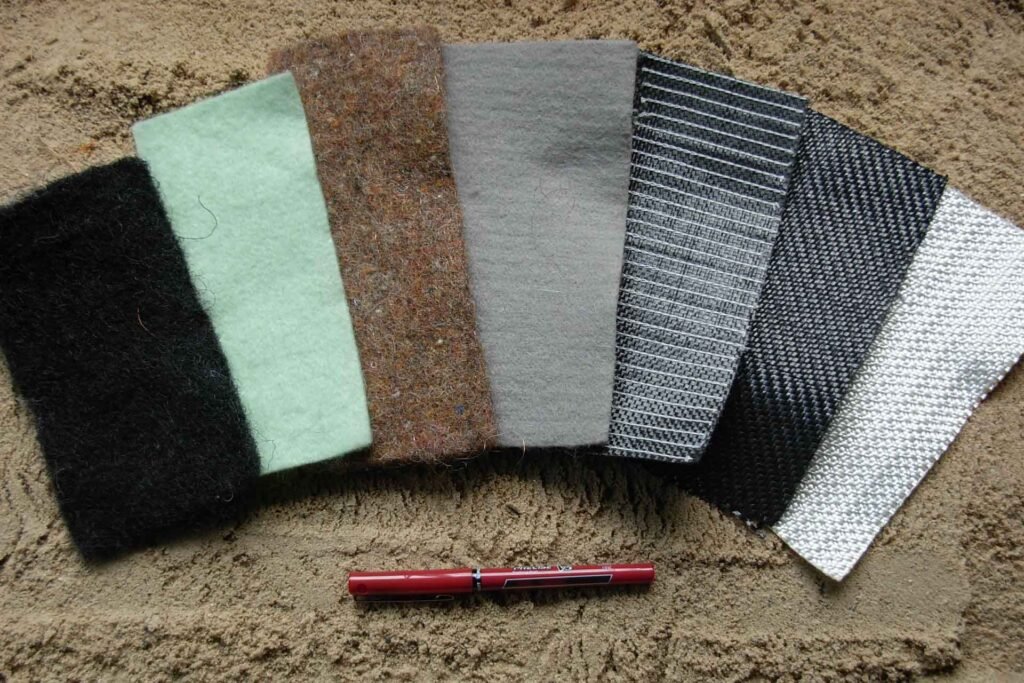
what is geotextile fabric
Types of Geotextile Fabric
Understanding the different types is essential for proper selection.
Woven Geotextile Fabric
Woven geotextiles are made by weaving fibers together, resulting in a strong and durable structure.
Key features:
- High tensile strength
- Low elongation
- Excellent load-bearing capacity
Best for:
- Road construction
- Soil stabilization
- Reinforcement applications
Non-Woven Geotextile Fabric
Non-woven geotextiles are manufactured by bonding fibers together using heat or chemicals.
Key features:
- High permeability
- Good filtration capability
- Flexible structure
Best for:
- Drainage systems
- Filtration projects
- Landscaping
Key Functions of Geotextile Fabric
Geotextiles perform multiple engineering functions:
Separation
Prevents mixing of different soil layers, maintaining structural integrity.
Filtration
Allows water to pass while retaining soil particles.
Drainage
Facilitates water movement within soil structures.
Reinforcement
Improves load distribution and strengthens weak ground.
Common Applications
Geotextile fabric is widely used in:
- Road and highway construction
- Railway subgrades
- Drainage systems
- Retaining walls
- Erosion control
- Landscaping projects
Key Specifications to Consider
Choosing the right geotextile requires understanding technical specifications.
GSM (Grams per Square Meter)
Indicates fabric weight and thickness.
- Higher GSM → stronger and more durable
- Lower GSM → lighter and more permeable
Tensile Strength
Measures the fabric’s resistance to pulling forces.
👉 Critical for load-bearing applications like roads.
Thickness
Affects durability and cushioning performance.
Permeability
Determines how easily water can pass through the fabric.
👉 Important for drainage and filtration applications.
How to Choose the Right Geotextile Fabric
Selecting the correct geotextile depends on your project requirements.
✔ For Road Construction
Choose woven geotextile with high tensile strength.
✔ For Drainage Systems
Use non-woven geotextile with high permeability.
✔ For Landscaping
Lightweight non-woven fabric is usually sufficient.
✔ For Soil Stabilization
Select durable woven fabric with appropriate strength.
Common Mistakes to Avoid
❌ Choosing Based Only on Price
Low-cost materials may fail under load.
❌ Ignoring Soil Conditions
Different soils require different geotextile properties.
❌ Using the Wrong Type
Woven and non-woven serve different functions.
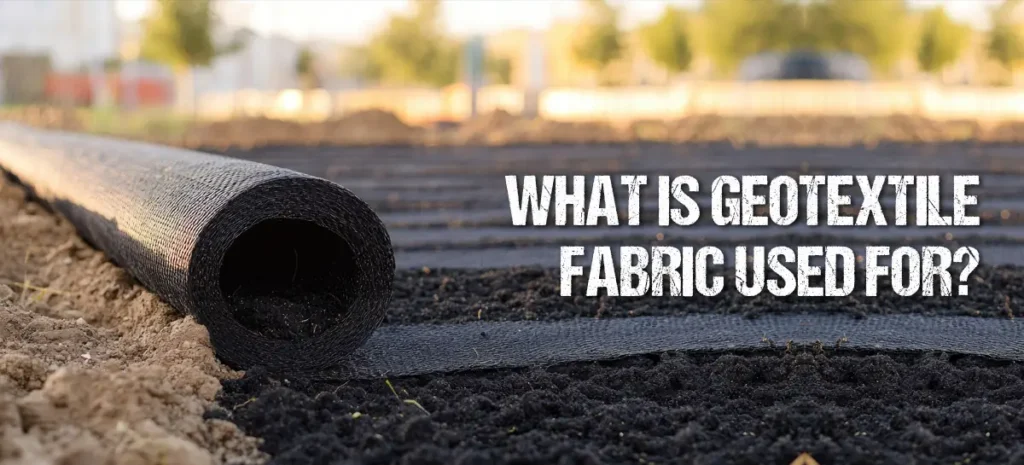
geotextile fabric uses
FAQs
What is geotextile fabric used for?
It is used for separation, filtration, drainage, and reinforcement in construction projects.
What is the difference between woven and non-woven geotextile?
Woven is stronger and used for reinforcement, while non-woven is better for filtration and drainage.
How do I choose geotextile fabric?
Choose based on application, soil conditions, and required specifications.
Final Thoughts
Geotextile fabric is a critical material in modern construction and civil engineering. Understanding its types, functions, and specifications allows you to make better decisions and ensure long-term project performance.
Looking for Reliable Geotextile Fabric?
If you are sourcing geotextile materials for your project, selecting the right specifications is essential for performance and durability.
👉 Contact us for product specifications, samples, and competitive pricing tailored to your application.