Introduction: The Secret Language of Stretch
Have you ever wondered why some leggings lose their shape after a single wash while others provide that perfect 'sculpted' look for years? The answer lies in the fabric composition. In the textile industry, spandex (also known as Lycra or elastane) is the magic ingredient that provides elasticity. However, not all blends are created equal. Whether you are a fashion designer sourcing materials or a consumer looking for the most durable gym gear, understanding the ratio of 95/5 polyester spandex versus 80/20 nylon spandex is the key to quality. This guide breaks down exactly how these percentages impact your clothing’s stretch, comfort, and lifespan.
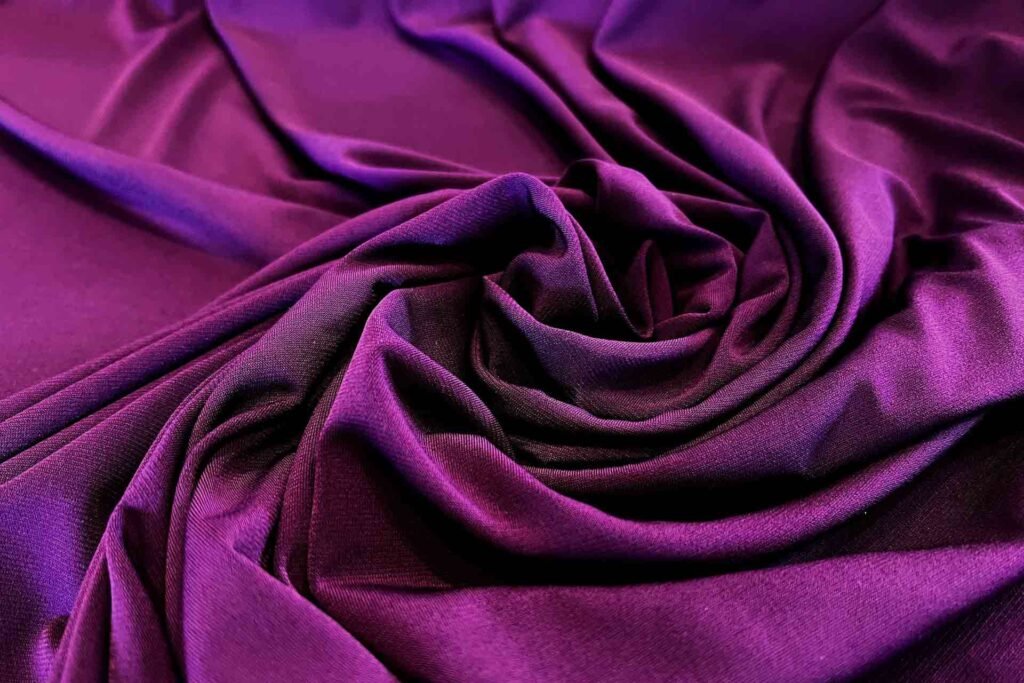
95 polyester 5 spandex
1. The 'Comfort' Ratios: 4% to 6% Spandex
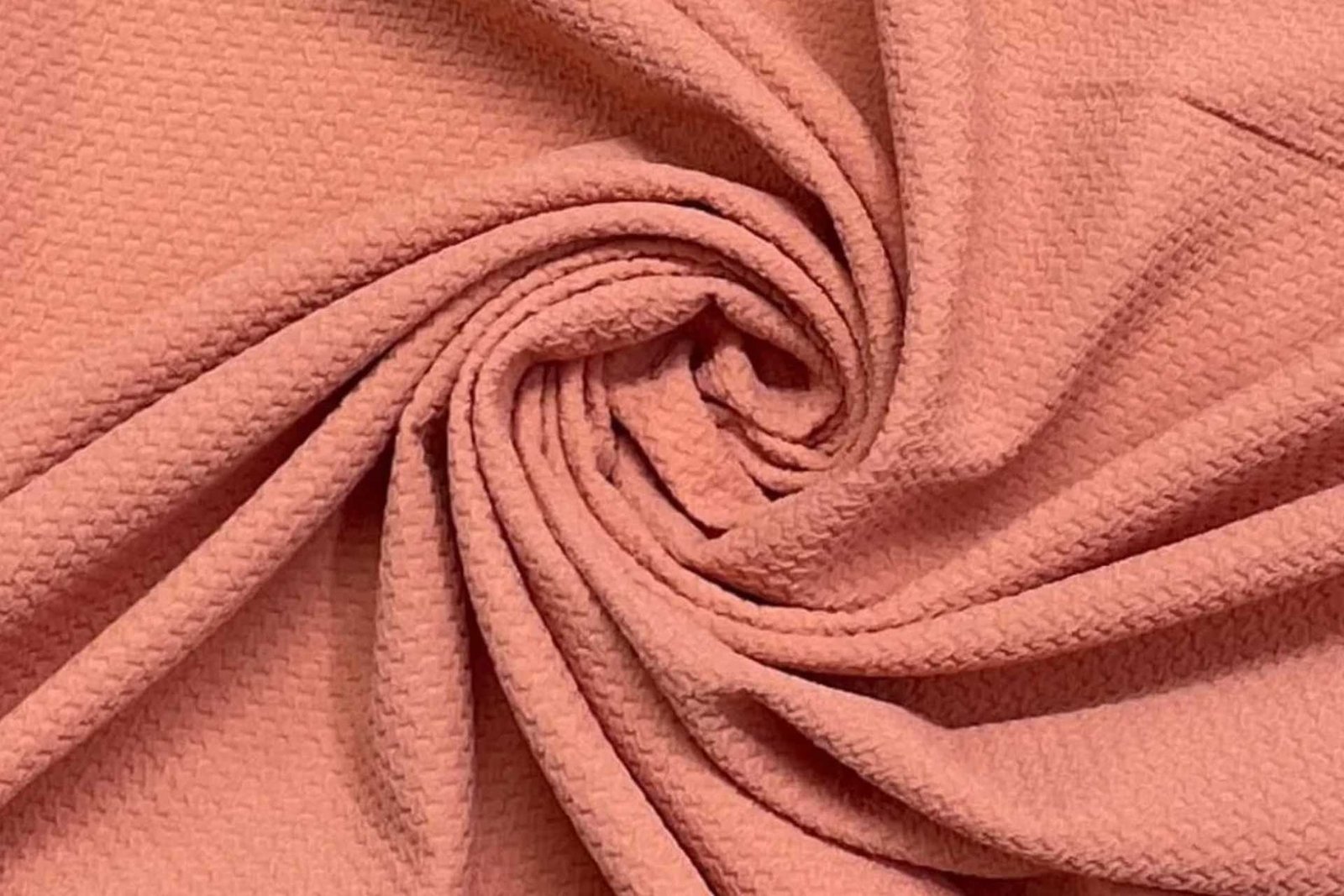
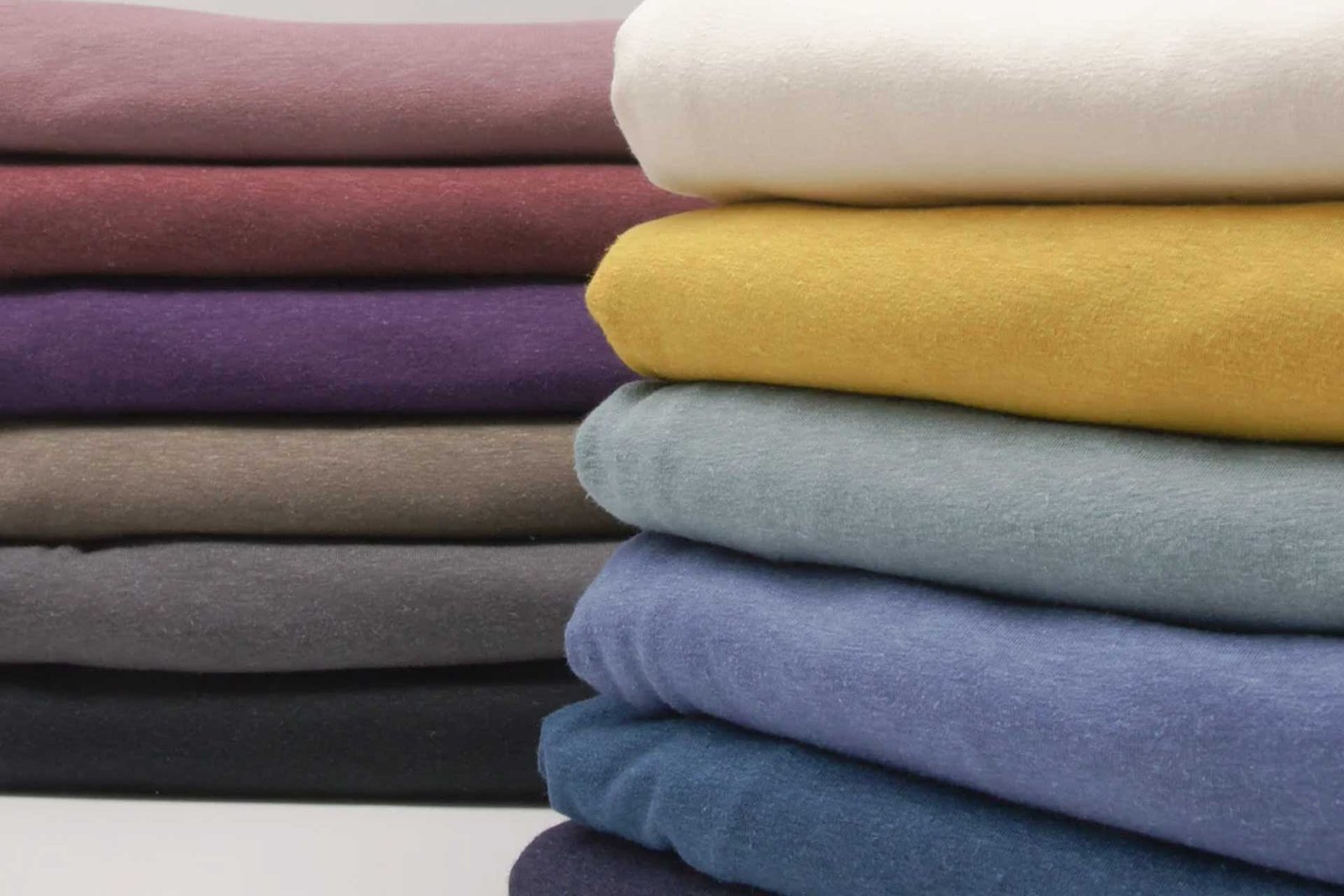
Common Blends: 96/4 Rayon Spandex, 95/5 Polyester Spandex, 95/5 Cotton Spandex.
These blends are the backbone of the 'athleisure' and casual wear markets. By adding a small touch of spandex to natural or synthetic fibers, the fabric gains dimensional stability.
-
95% Polyester 5% Spandex: This is the 'Gold Standard' for sublimation printing and fast fashion. It offers enough stretch for a fitted look but feels mostly like polyester. It is durable, wrinkle-resistant, and perfect for t-shirts and summer dresses.
-
The Feel: Soft, breathable (if cotton-based), and lightweight.
-
The Stretch: Primarily 2-way stretch (horizontal).
-
The Recovery: Good for daily movement, but if you stretch it too far for too long (like sitting in 95/5 leggings all day), you may see 'bagging' at the knees.
2. The 'Performance' Ratios: 10% to 15% Spandex
Common Blends: 90/10 Poly Spandex, 87/13 Nylon Spandex, 88/12 Elastane.
If you are looking for 'Squat-Proof' leggings or compression gear, this is your category. These blends are engineered for high-intensity movement.
-
87% Nylon 13% Spandex: This is widely considered the premium choice for yoga wear. Nylon is stronger and softer than polyester, and the 13% spandex provides a high 4-way stretch. It hugs the body and provides light muscle compression.
-
10% Spandex Blends: Often found in 'Dri-fit' or moisture-wicking athletic tops where you need the shirt to stay close to the skin without flapping during a run.
-
The Feel: Sleek, cool to the touch, and substantial (heavier GSM).
-
The Recovery: Excellent. The fabric 'snaps' back to its original shape immediately.
3. The 'Sculpt & Swim' Ratios: 20% to 25% Spandex
Common Blends: 80/20 Nylon Spandex, 75/25 Poly Spandex.
At this level, the spandex is no longer just an 'additive'—it is a core functional component.
-
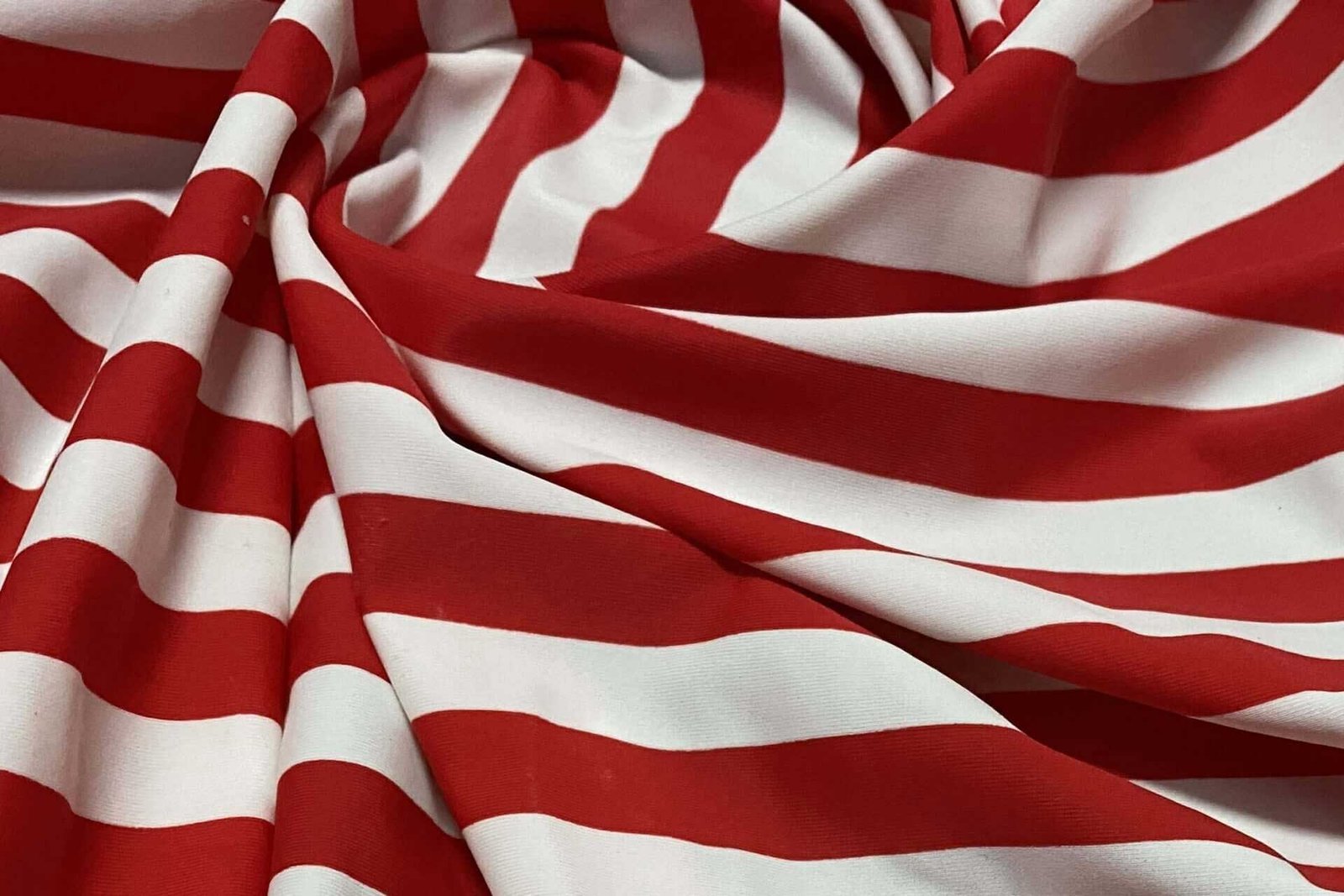
80% Nylon 20% Spandex: The go-to for swimwear and professional dancewear. Because water weighs down fabric, a high spandex count is required to keep the suit tight against the body.
-
The Sculpting Power: This ratio is also used in shapewear (like Spanx) to provide high compression and 'tummy control.'
-
The Recovery: Superior. It is designed to be under constant tension while maintaining its integrity.
4. Technical Breakdown: Stretch vs. Recovery
In the textile world, we measure two things: Elongation (how far it stretches) and Recovery (how well it returns).
| Fabric Blend | Stretch Percentage | Recovery Power | Best Use Case |
| 96/4 Spandex | 15% - 20% | Low to Moderate | Pajamas, loose tunics |
| 95/5 Spandex | 25% - 30% | Moderate | Fashion t-shirts, maxi dresses |
| 87/13 Spandex | 50% - 60% | High | Gym leggings, sports bras |
| 80/20 Spandex | 70% - 100% | Superior | Swimsuits, medical compression |
5. Pro Tip: How to Spot High-Quality Spandex
When buying spandex online, don't just look at the ratio—look at the Weight (GSM).
-
For leggings, look for at least 250–300 GSM with 10%+ spandex.
-
For summer shirts, look for 160–180 GSM with 5% spandex.
Care Tip: Heat is the enemy of spandex. To prevent your 80/20 or 95/5 clothes from losing their 'snap,' always wash in cold water and air dry. High heat in the dryer breaks down the elastic fibers, leading to those tiny white 'hairs' (broken spandex) sticking out of your clothes.
Conclusion
Choosing between 5% and 20% spandex depends entirely on your end goal. For daily comfort, 5% is plenty. For athletic performance or body sculpting, aim for 13% to 20%.