best backing for t shirt quilt
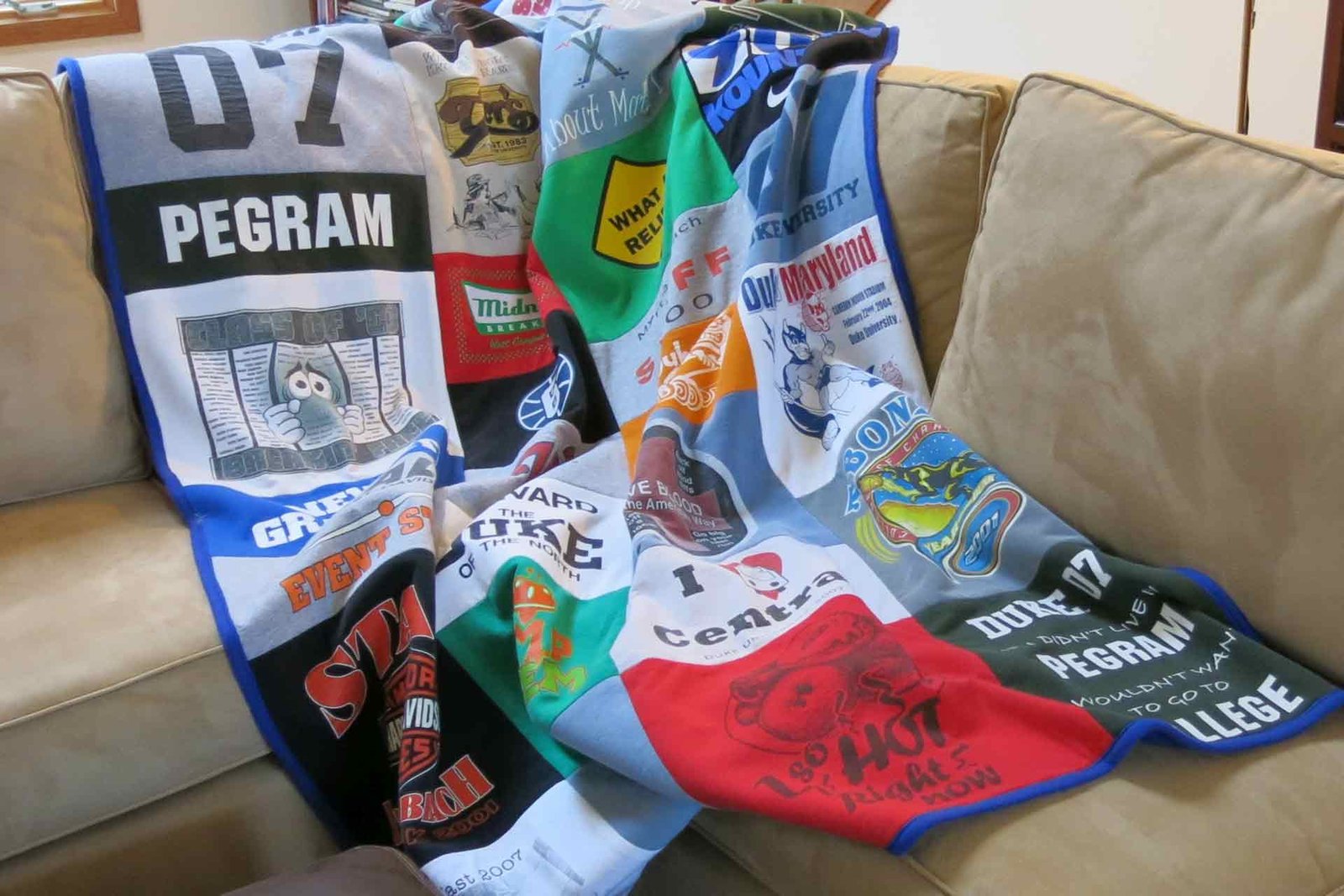
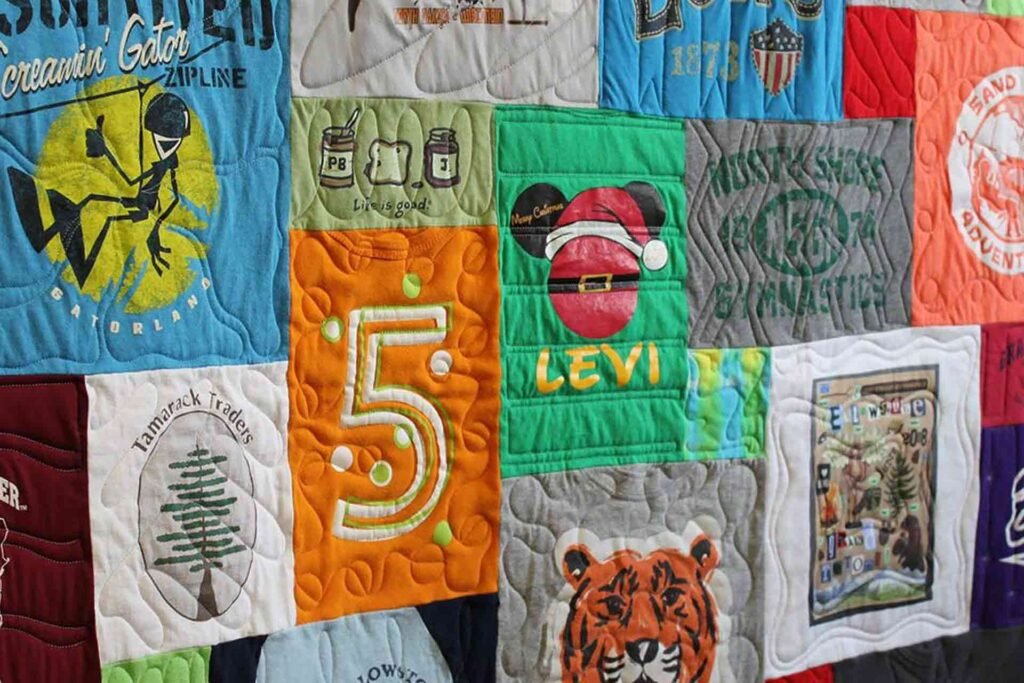
A memory quilt made from old T-shirts is one of the most sentimental projects a quilter can undertake. Each shirt tells a story, but sewing them together presents a unique challenge: the stretch factor.
Unlike traditional quilting cotton, T-shirt jersey is stretchy and unstable. If you don't use the right materials, your quilt will end up wavy, distorted, and difficult to stitch. This T-shirt quilt guide will help you select the best backing for a T-shirt quilt and the essential 'hidden' materials to ensure your memories stay perfectly in place.
1. The Secret Ingredient: Interfacing (Stabilizer)
Before we talk about the back of the quilt, we have to talk about the back of the shirts. To turn a stretchy T-shirt into a stable 'quilting square,' you must apply a fusible stabilizer.
-
What to use: A lightweight, woven fusible interfacing (like Pellon SF101) is the gold standard.
-
Why it works: It iron-ons to the back of the jersey, taking away the stretch and making it behave exactly like stable quilting cotton. This is the single most important step in any memory quilt.
2. What is the Best Backing for a T-Shirt Quilt?
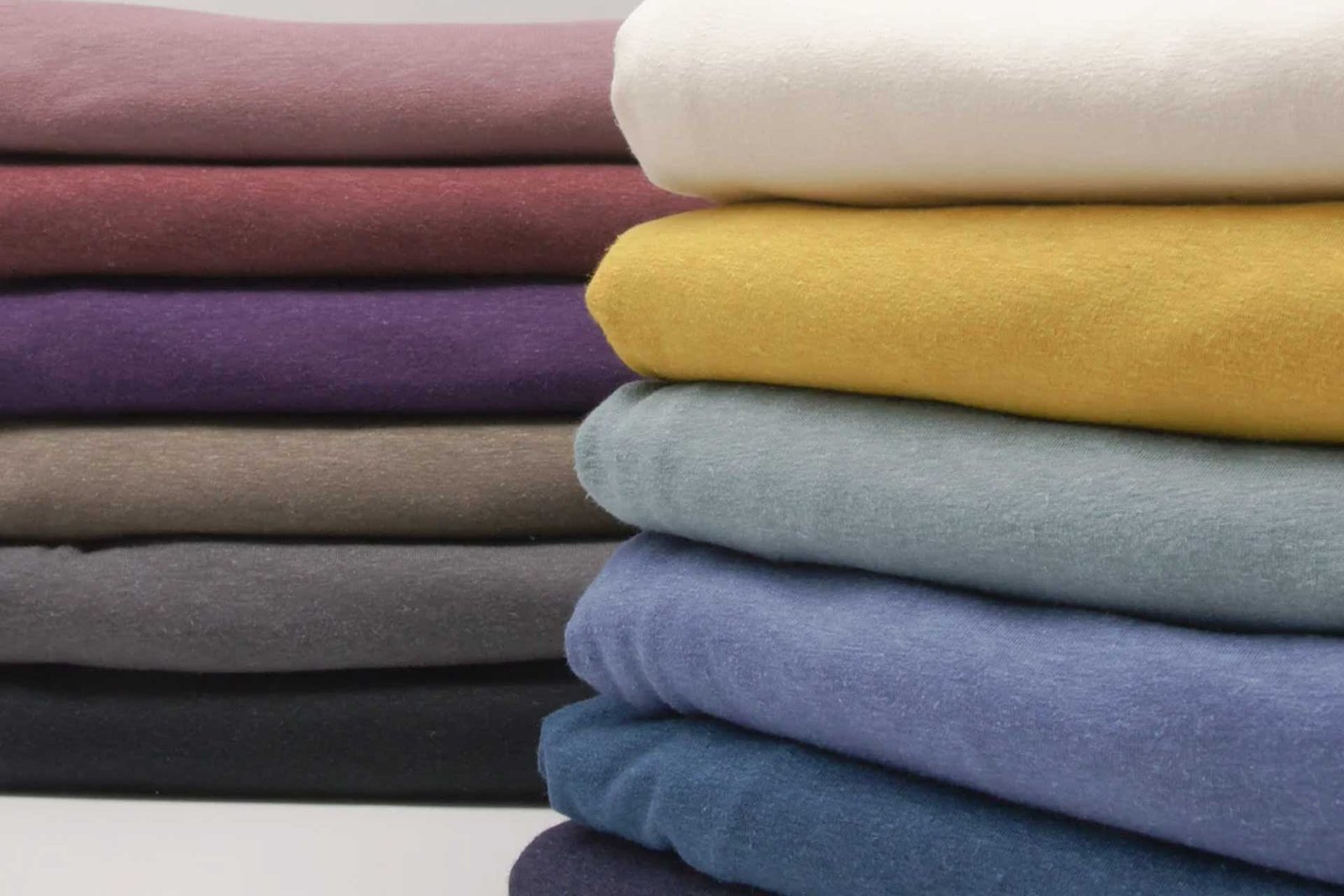
Once your T-shirt 'top' is finished, you need to choose the final backing fabric. Because T-shirt quilts are often used as cozy throws on the couch, the backing needs to be both durable and comfortable.
Option A: 100% Quilting Cotton (The Professional Choice)
-
Pros: Easy to quilt, very stable, and comes in thousands of prints. It keeps the quilt feeling like a 'traditional' blanket.
-
Cons: Not as soft or 'cuddly' as other options.
-
Best For: Quilts that will be hung on a wall or used as a bedspread.
Option B: Cotton Flannel (The Cozy Choice)
-
Pros: Offers extra warmth and a soft, brushed texture. It grips the T-shirt top well, preventing slipping.
-
Cons: Can shrink significantly. Always pre-wash flannel before using it as a backing.
-
Best For: Winter lap quilts and dorm room blankets.
Option C: Minky or Cuddle Fabric (The Ultra-Soft Choice)
-
Pros: Extremely soft and plush. It makes the quilt feel like a luxury store-bought throw.
-
Cons: Very slippery and stretchy. It can be a nightmare to quilt on a home sewing machine without a 'walking foot.'
-
Best For: Experienced quilters making a 'comfort' quilt.
3. Don't Forget the Batting
For a T-shirt quilt, less is often more.
-
Low-Loft Cotton or Poly-Cotton Blend: T-shirts plus interfacing already make the quilt top quite heavy. Using a thick, high-loft batting can make the quilt feel like a heavy rug. A thin, low-loft batting ensures the quilt remains flexible and 'drapey.'
4. Step-by-Step Summary for a Successful Memory Quilt
-
Prep: Wash the T-shirts (without fabric softener) to remove oils.
-
Stabilize: Fuse your interfacing to the back of the graphic before you cut the final square.
-
Layout: Arrange your squares on the floor. Use 'sashing' (strips of fabric between shirts) if the shirts are different sizes.
-
Backing: Choose your best backing for a T-shirt quilt based on the user's preference (Cotton for durability, Flannel for warmth, Minky for softness).
-
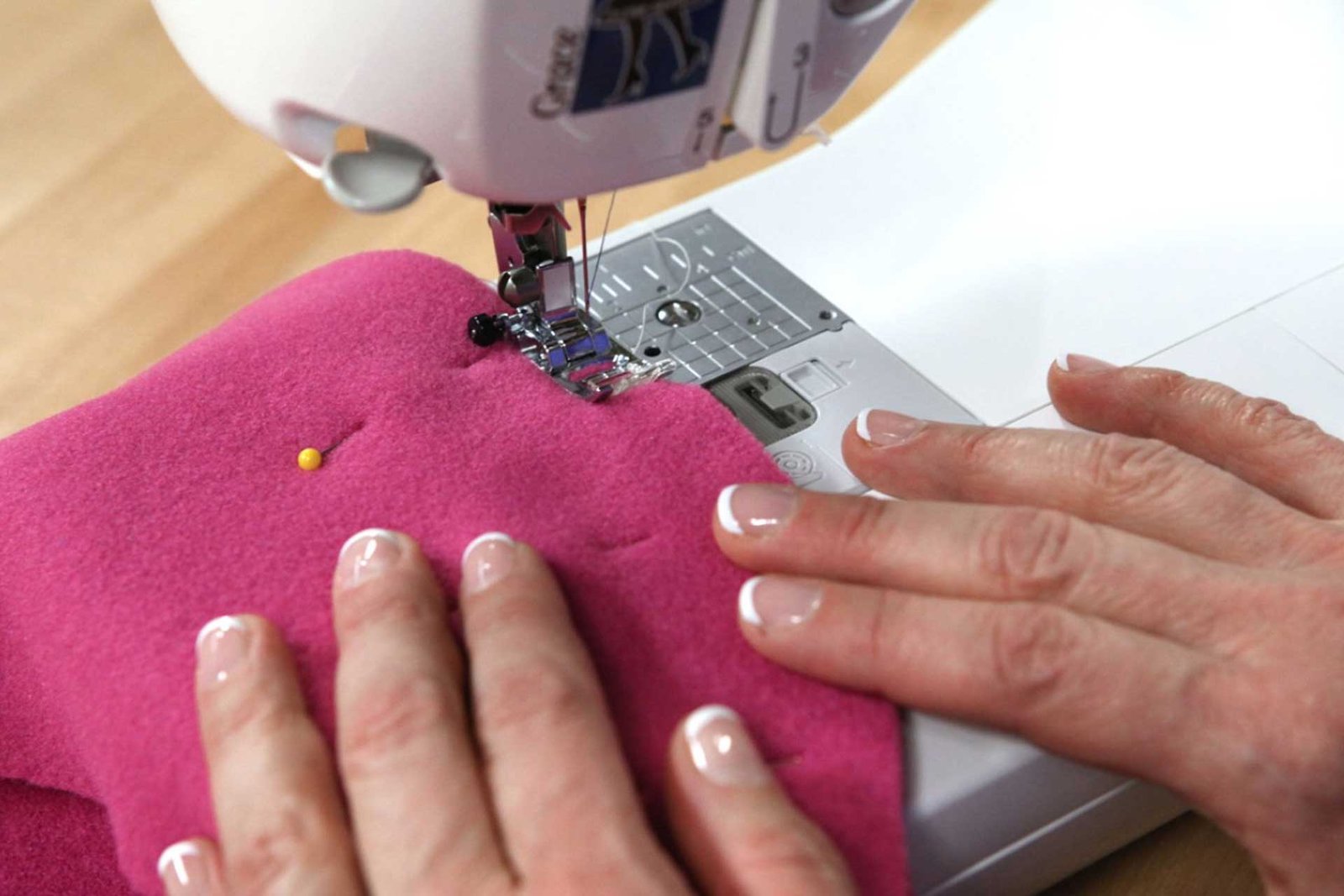
Baste: Use more pins or basting spray than usual. Because T-shirt quilts are heavy, the layers tend to shift.
5. Summary Comparison Table
| Backing Material | Skill Level | Warmth | Durability |
| Quilting Cotton | Beginner | Medium | High |
| Cotton Flannel | Intermediate | High | Medium |
| Minky/Cuddle | Advanced | High | Medium |
Preserve Your Stories
A memory quilt is more than just a blanket; it's a hug made of fabric. By choosing the right stabilizers and the best backing, you ensure that those marathon shirts and concert tees will be cherished for decades to come.
Ready to start your T-shirt project? Contact us for Essential Interfacing & Backing Fabrics and get the tools you need to succeed!