best backing for t shirt quilts
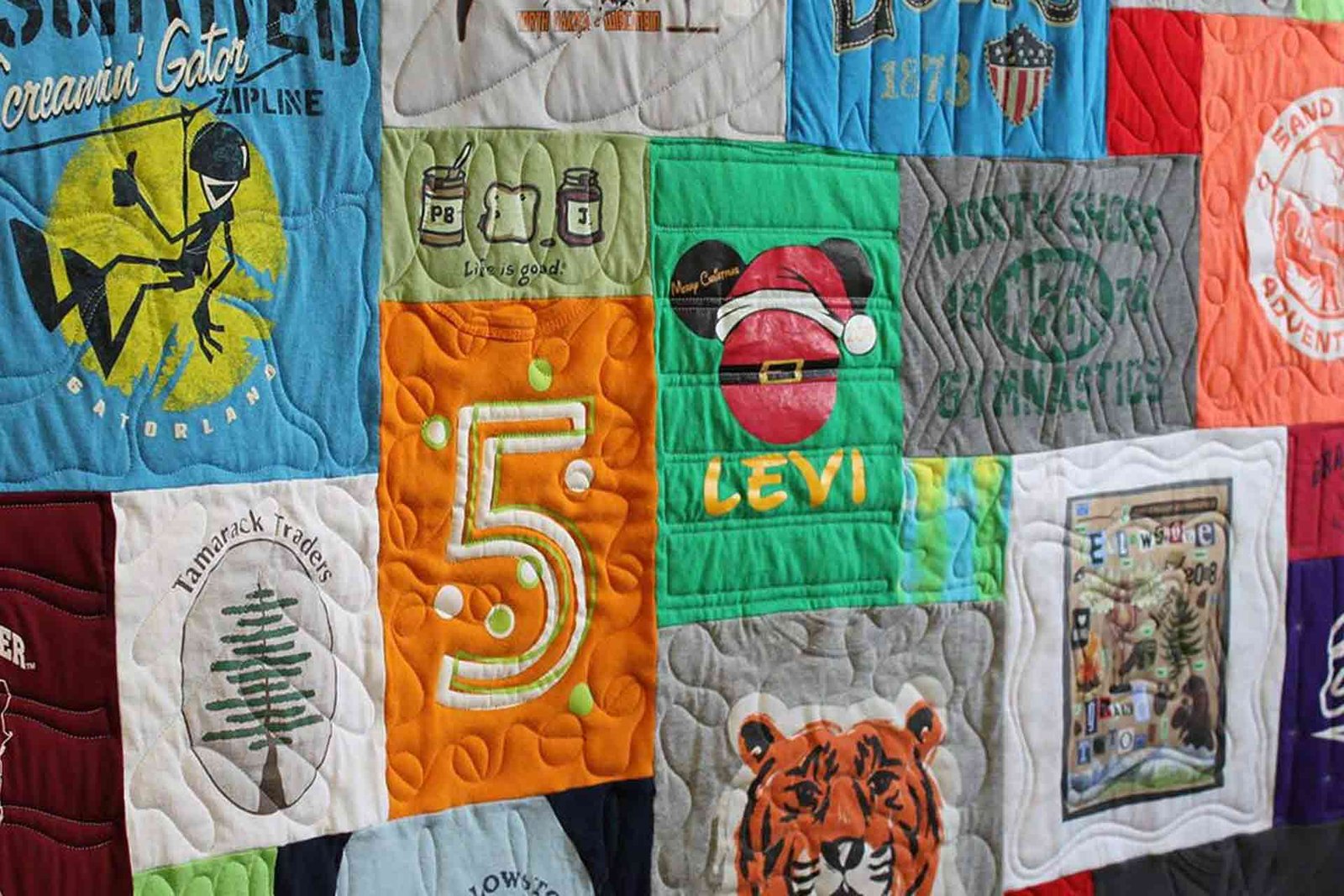
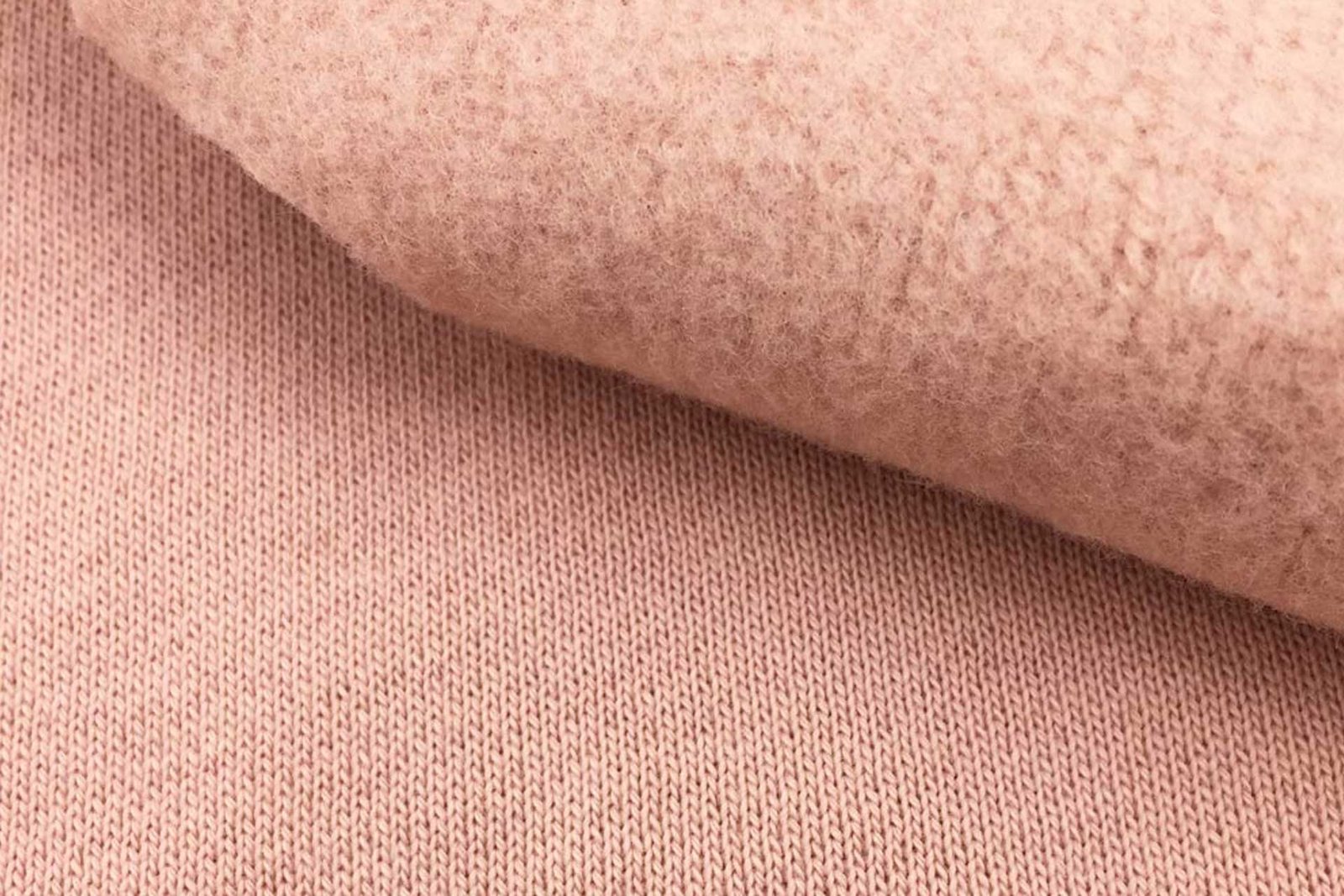
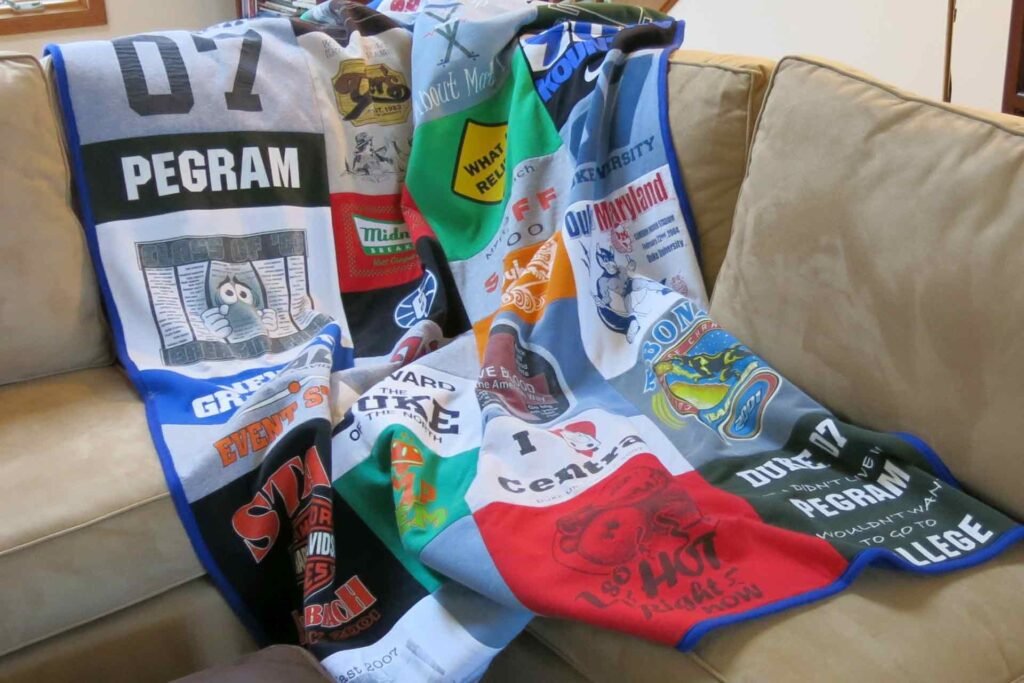
T-shirt quilts are the ultimate way to preserve memories, turning a pile of old jerseys and concert tees into a functional heirloom. However, because T-shirt fabric (jersey knit) is stretchy and heavy, choosing the wrong quilt backing material can lead to a saggy, distorted mess.
If you want your memory quilt to last for decades, you need to pick a backing that provides both stability and comfort. Here is our expert breakdown of the best backing for t-shirt quilts.
1. Why the Backing Matters More for T-Shirt Quilts
Unlike a traditional cotton quilt, a T-shirt quilt is made of varying thicknesses and stretches. The backing acts as the foundation. It needs to:
-
Balance the weight of the T-shirt 'sandwich.'
-
Prevent the quilt from stretching out of shape over time.
-
Feel comfortable against the skin.
2. Top Recommendations for Quilt Backing Material
A. 100% High-Quality Quilting Cotton (The Standard)
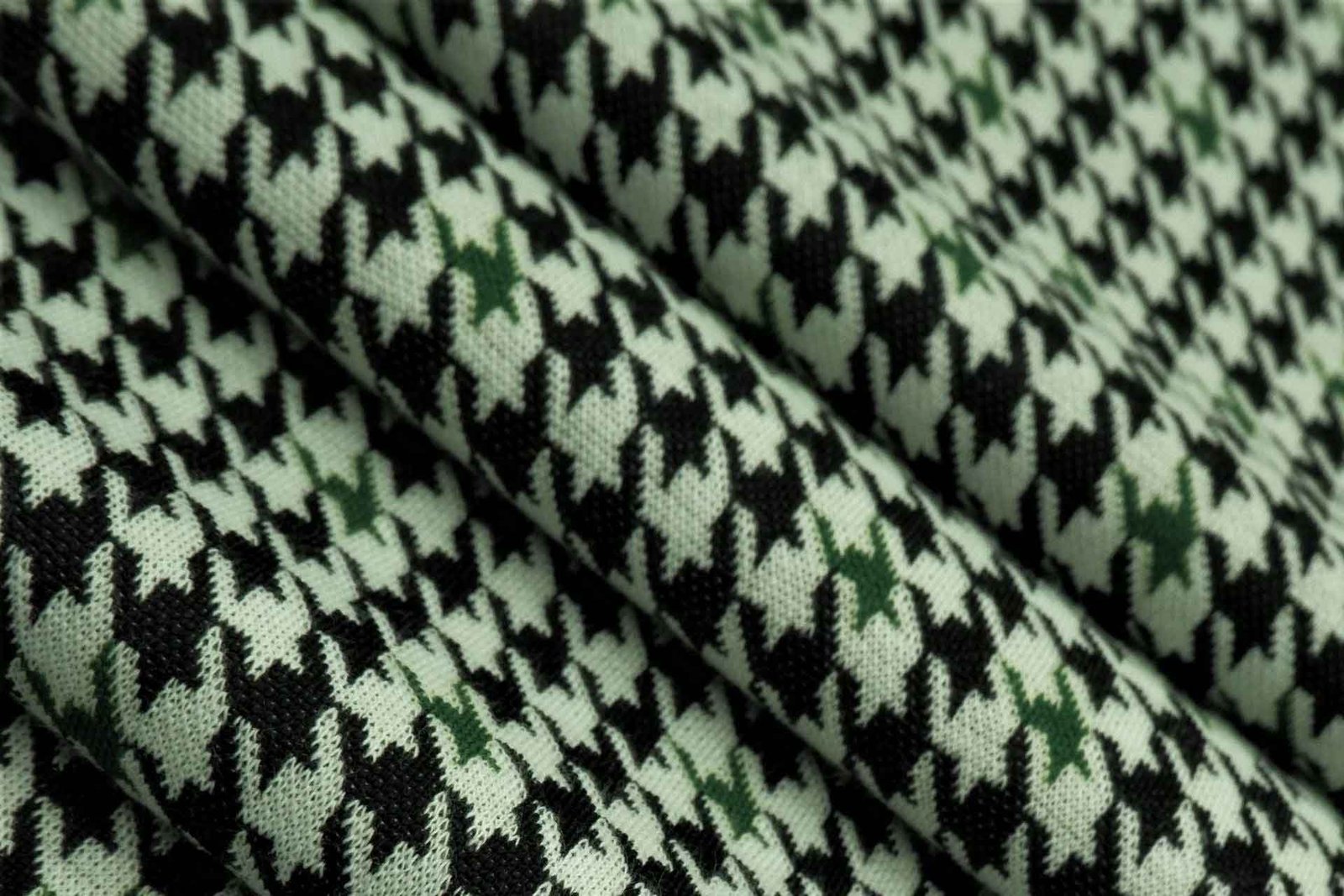
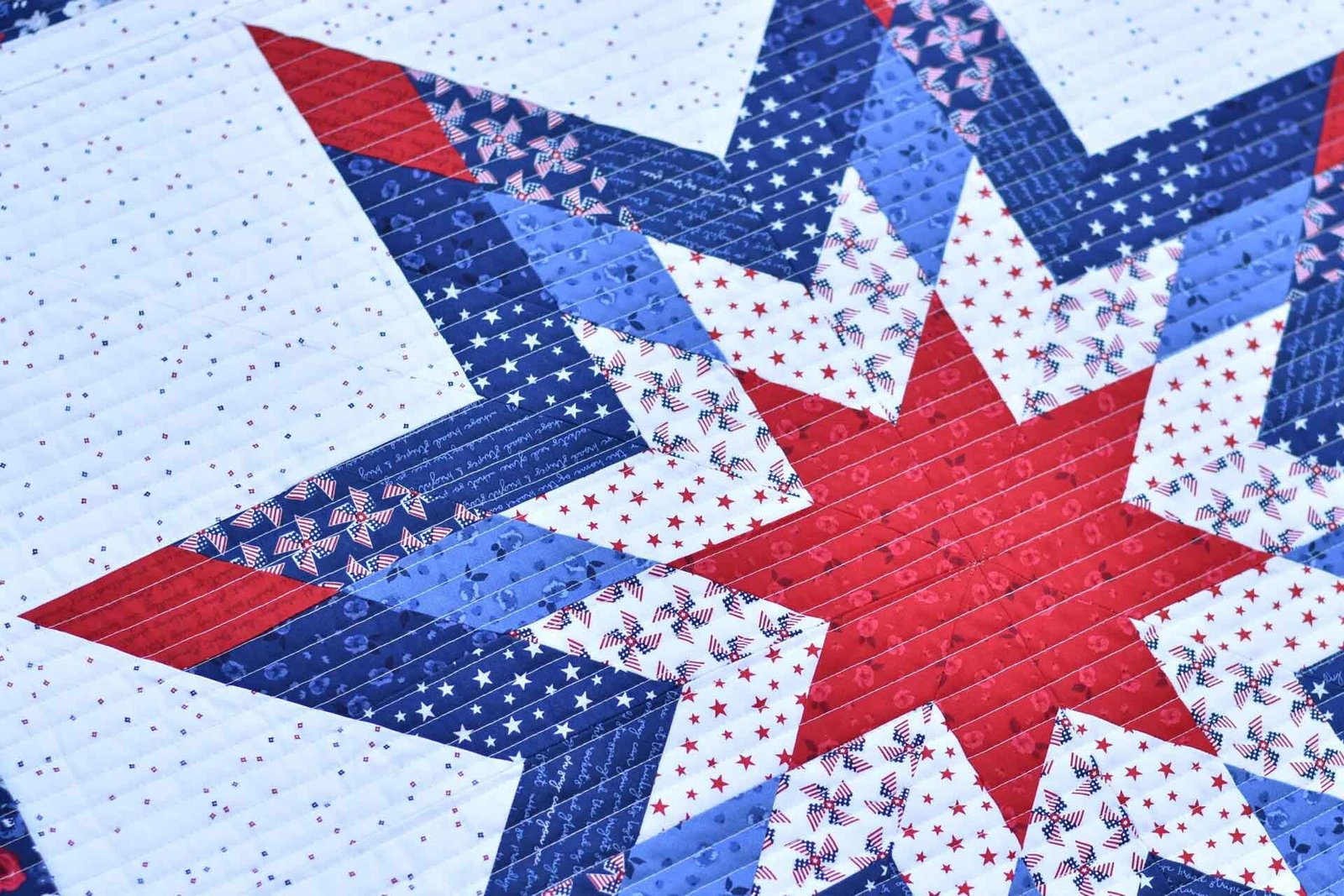
High-thread-count quilting cotton is widely considered the best backing for t-shirt quilts.
-
Pros: It’s stable, easy to quilt through, and comes in thousands of prints to match your T-shirt themes.
-
Best for: Quilts that will be used on beds or displayed as wall art.
B. Cotton Flannel (The Cozy Choice)
If you want your quilt to be extra warm and 'snuggly,' flannel is a fantastic quilt backing material.
-
Pros: It has a slightly 'grippy' texture that keeps the quilt from sliding off the sofa.
-
Best for: Lap quilts and winter throws.
-
Pro Tip: Always pre-wash flannel, as it shrinks more than T-shirt fabric!
C. Minky or Cuddle Fabric (The Luxury Feel)
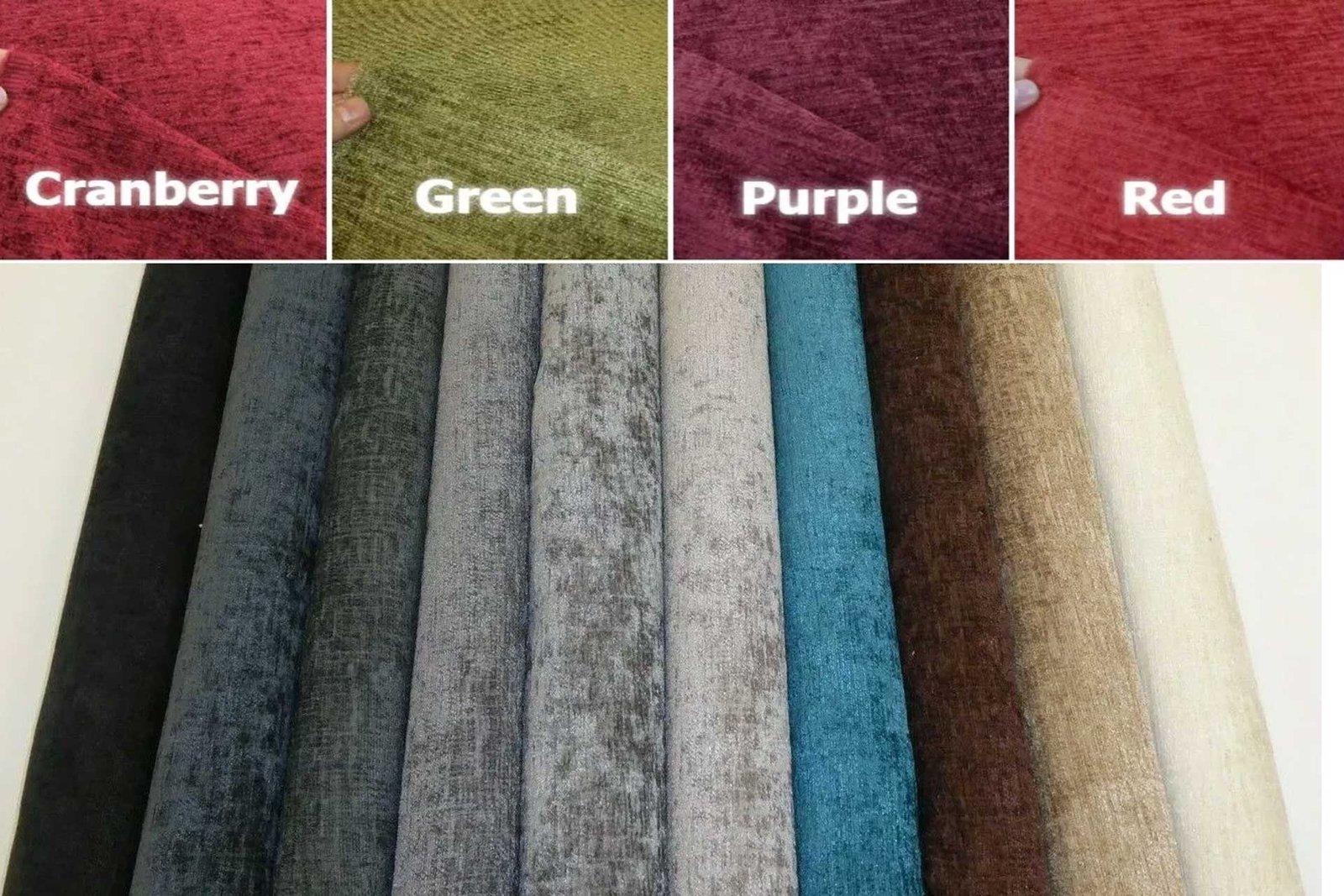
Minky is a plush, ultra-soft synthetic fabric that has become incredibly popular for memory quilts.
-
Pros: Unbeatable softness.
-
Cons: It is very slippery and stretchy.
-
Professional Advice: If you choose Minky, use plenty of pins or consider 'spray basting' to keep the layers from shifting during the quilting process.
3. Don't Forget the Interfacing! (The Secret Step)
Even with the best backing for t-shirt quilt projects, your quilt will fail if you don't stabilize the T-shirts first. Before sewing your blocks together, apply a lightweight fusible non-woven interfacing to the back of each T-shirt square. This turns the 'stretchy' knit into a 'stable' fabric that behaves like regular quilting cotton.
4. How to Calculate the Size of Your Backing
When buying quilting fabric by the yard for your backing, always follow the '4-inch Rule': Your backing material should be at least 4 to 8 inches wider and longer than your quilt top. This extra 'overage' is essential for the quilting frame or your home sewing machine to ensure you don't run out of fabric at the edges.
5. Summary: Which One Should You Buy?
-
For durability and ease of sewing: Stick with 100% Quilting Cotton.
-
For maximum warmth: Choose Cotton Flannel.
-
For a professional, modern feel: Try Extra-Wide Backing Fabric (typically 108 inches wide) to avoid having a seam down the middle of your quilt.
Ready to Finish Your Memory Quilt?
Choosing your quilt backing material is the final step in your creative journey. Whether you are looking for a classic solid color or a bold pattern to complement your T-shirts, we have you covered.