

Sustainable Elastane: Eco-Friendly Stretch Fabrics Explained
As sustainability becomes a major focus in the textile industry, many brands and manufacturers are looking for alternatives to traditional synthetic fibers. One area of growing interest is sustainable elastane, a more eco-conscious version of the stretch fiber widely used in modern clothing. In this guide, you’ll learn what sustainable elastane is, how bio-based elastane works, and what to consider when choosing eco-friendly stretch fabrics.
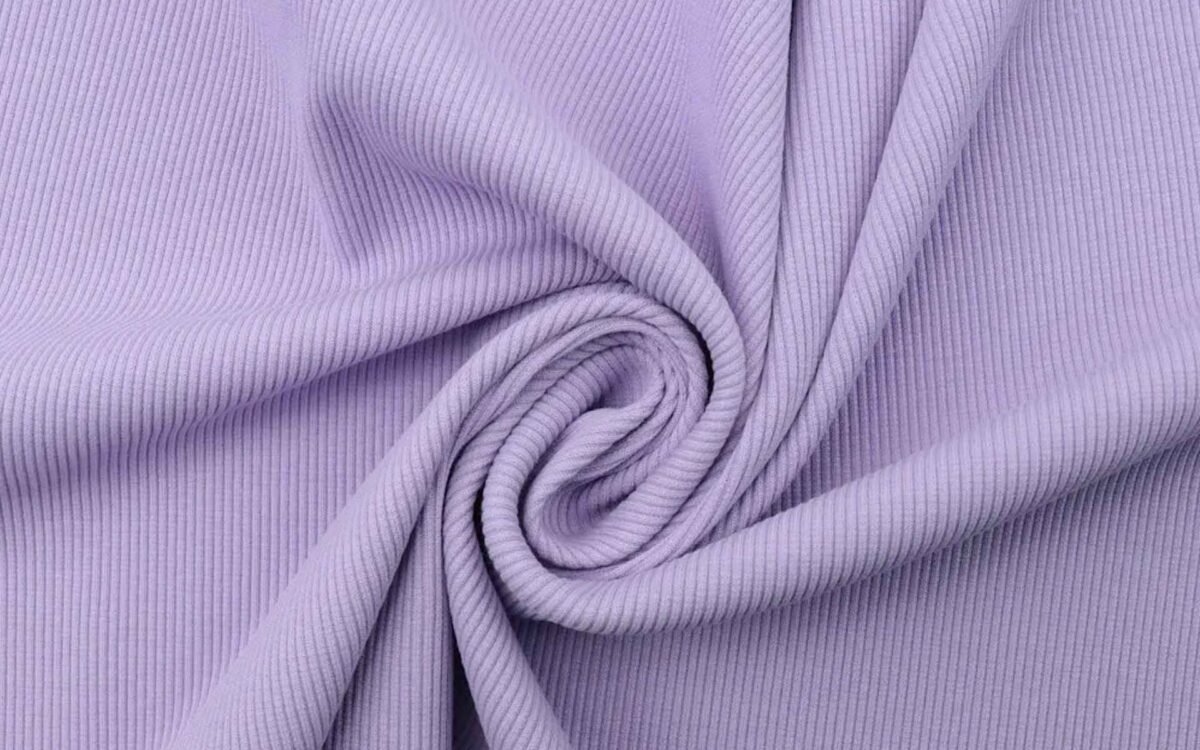
How to Choose Elastane Fabric for Your Application
Choosing the right elastane fabric is essential for achieving the desired performance, comfort, and durability in your product. While elastane is known for its stretch, not all elastane fabrics perform the same. In this guide, you’ll learn how to choose elastane fabric based on application, blend, stretch level, and performance requirements.
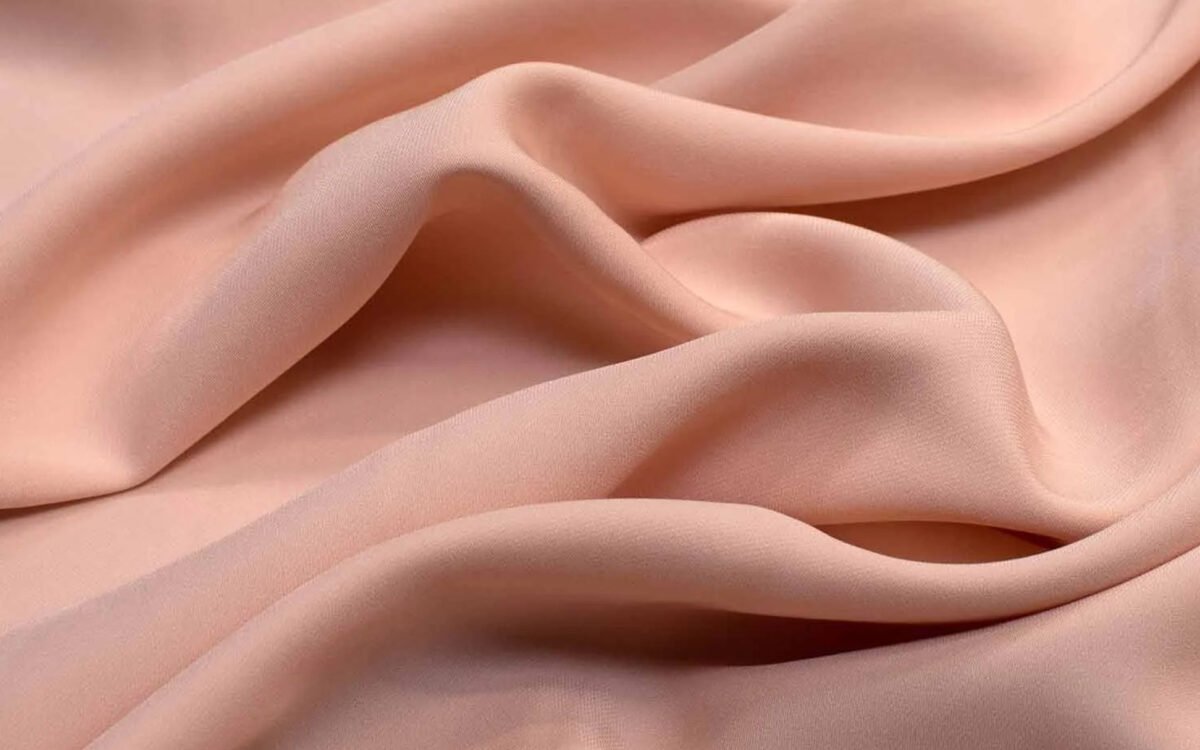
Rayon Elastane Fabric: Comfort and Stretch Explained
Rayon elastane fabric is a popular choice for everyday clothing because it combines softness, breathability, and stretch. This blend is widely used in dresses, t-shirts, and casual wear where comfort and flexibility are essential. In this guide, you’ll learn what rayon elastane fabric is, how it feels to wear, and when it’s the right choice for your needs.
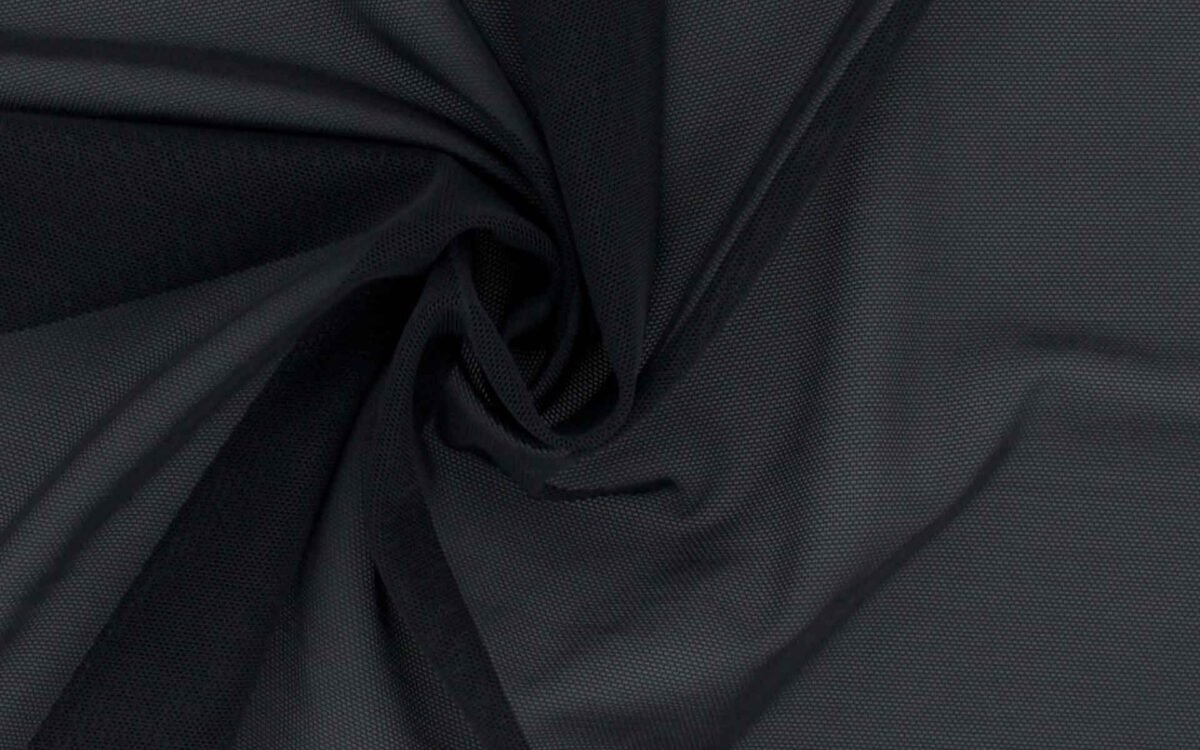
Polyamide Elastane Fabric: Properties, Uses & Advantages
Polyamide elastane fabric is one of the most widely used material combinations in modern textiles, especially in activewear, swimwear, and performance clothing. By combining the strength of polyamide (nylon) with the flexibility of elastane, this fabric offers a unique balance of durability, stretch, and comfort. In this guide, you’ll learn what polyamide elastane fabric is, why this combination works so well, and how to choose the right type for your needs.
What Is Elastane Fabric? Properties, Uses & How to Choose the Right One
Elastane fabric is one of the most widely used materials in modern clothing, known for its exceptional stretch and flexibility. It is rarely used alone but plays a critical role in improving comfort, fit, and performance when blended with other fabrics. In this guide, you’ll learn what elastane fabric is, its key properties, common uses, and how to choose the right type for your needs.
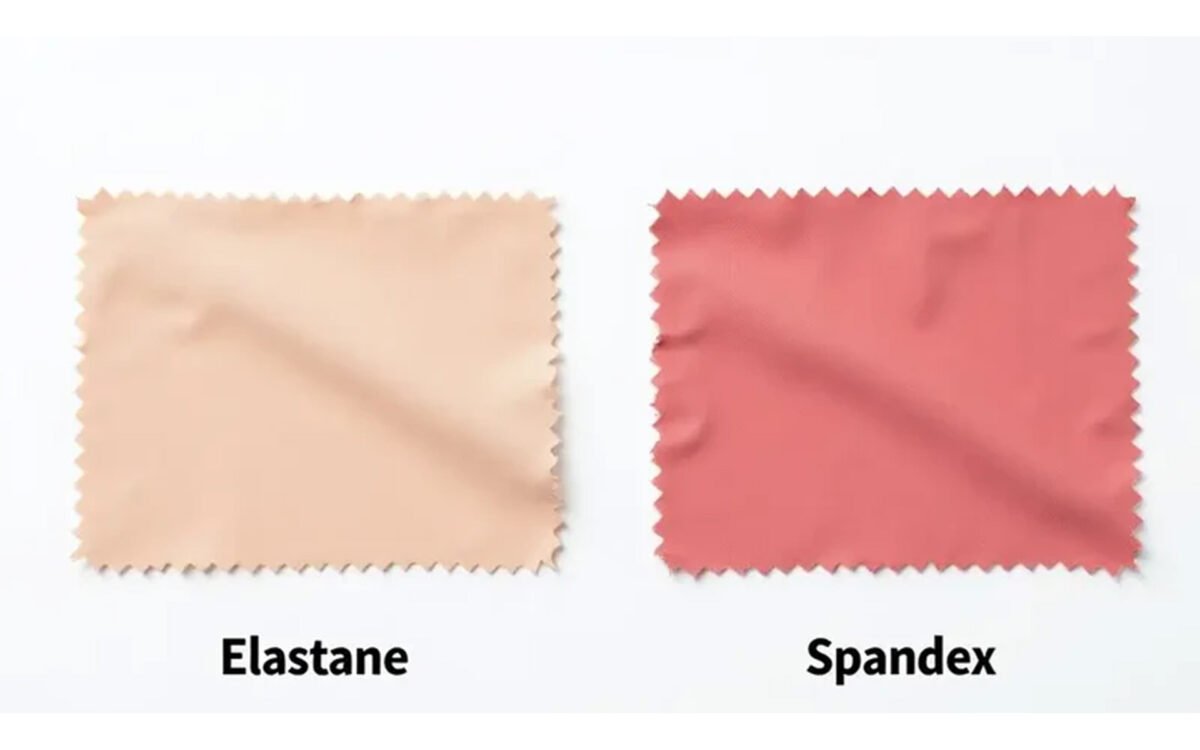
Elastane vs Spandex vs Lycra: What’s the Difference & Which Is Better?
If you’ve ever wondered whether elastane, spandex, and Lycra are different materials, the short answer is: 👉 They are essentially the same type of fiber—but the names, branding, and quality consistency can differ. Understanding these differences is important if you’re choosing fabrics for clothing, manufacturing, or sourcing materials. In this guide, we’ll break down what each term means, why there are different names, and how to choose the right one for your needs.