Quilting Fabric and Supplies for Beginners
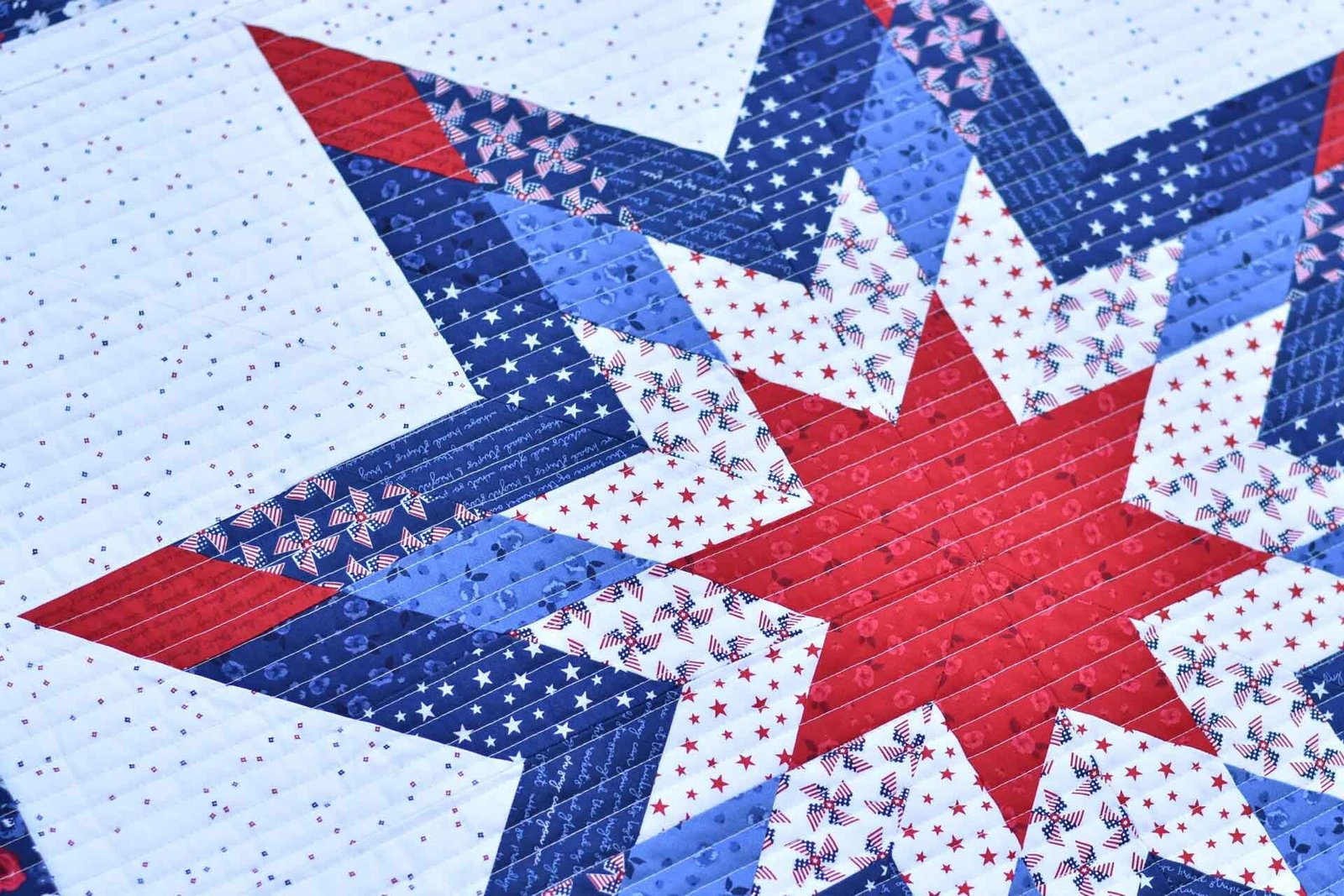
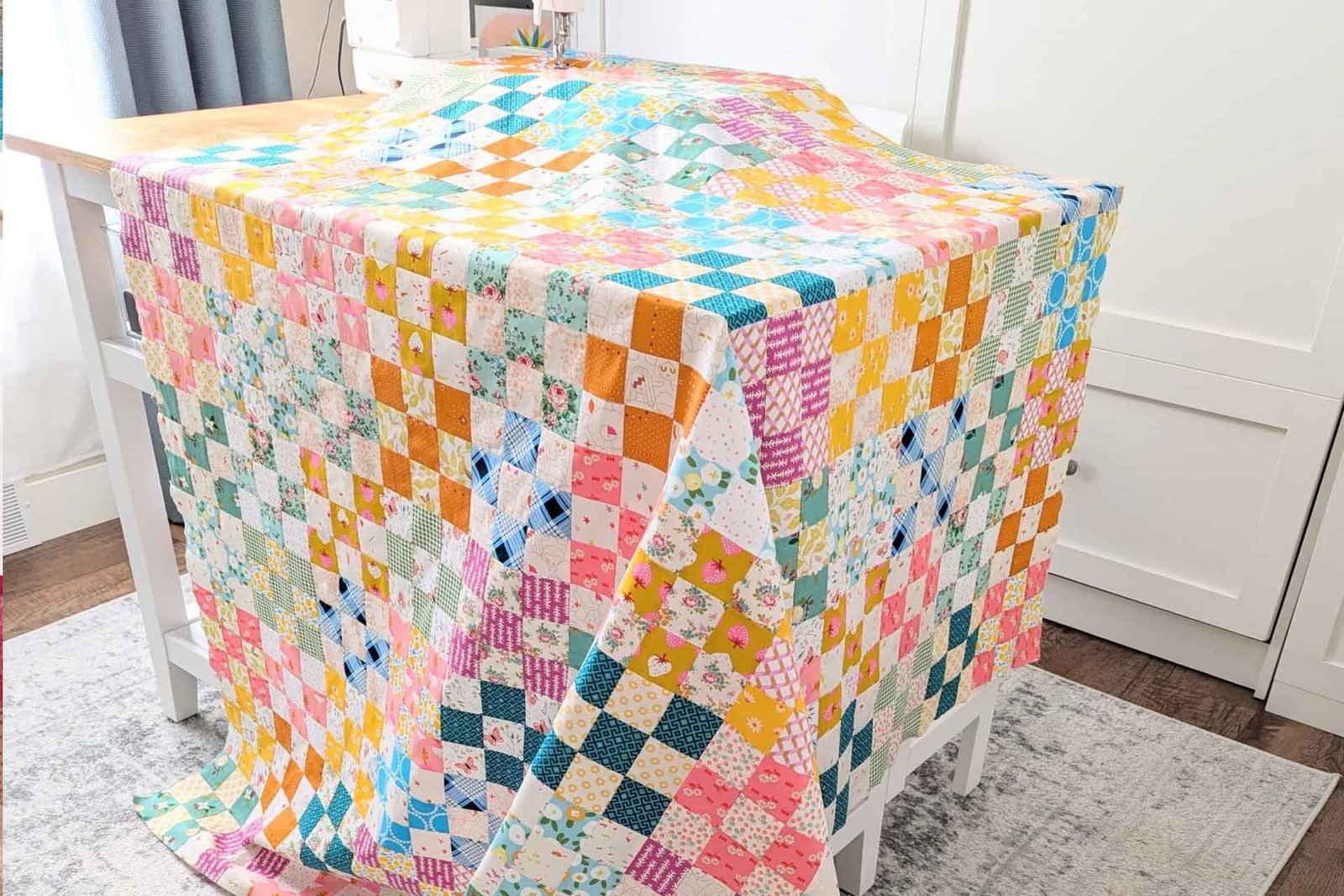
Quilting is more than just a hobby—it’s an art form that combines storytelling, patience, and creativity. If you’ve been scrolling through Pinterest or saw a beautiful quilt and fabric display and wondered, 'How do I even start?', you are in the right place.
Welcome to Quilting 101. In this guide, we will break down the essential quilting supplies and materials you need to go from zero to your first finished quilt.
1. What is Quilting Fabric? (And Why Quality Matters)
Not all cloth is created equal. When you’re making a quilt, the most popular and recommended choice is 100% Cotton Quilt Fabric.
Why cotton quilt fabric? It’s easy to cut, stays in place when sewing, and breathes well. At TextileCloth, we suggest beginners stay away from slippery fabrics like quilted satin fabric or quilted velvet for their first project, as these can be tricky to manage.
The 'Pre-Cut' Secret
One of the best tips for beginners is using 'Pre-cuts.' Instead of buying quilting fabric by the yard, look for:
-
Fat Quarter Bundles: These are 18' x 21' pieces—the gold standard of fat quarters shop fans.
-
Jelly Roll Material: Long, 2.5-inch strips that are perfect for jelly roll quilt patterns.
-
Charm Packs: Pre-cut 5-inch squares that make assembling a quilt like playing with Lego.
2. Essential Quilting Supplies Checklist
To start, you don't need a professional studio, but you do need these quilting material essentials:
-
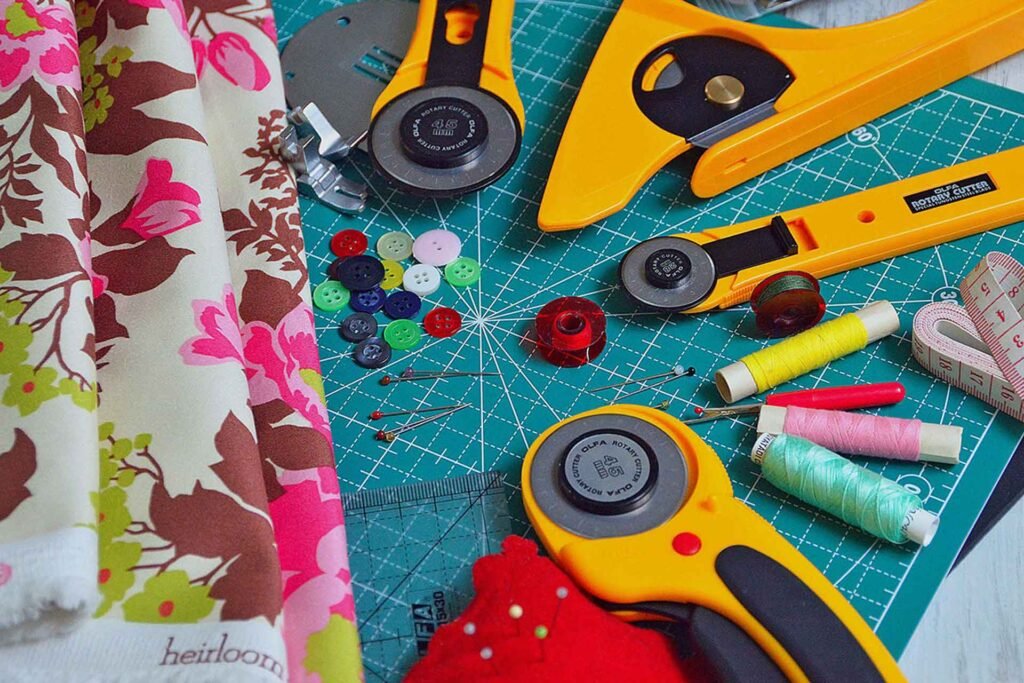
Rotary Cutter & Mat: For precise, clean cuts.
-
Clear Acrylic Ruler: To measure your 10x10 fabric squares accurately.
-
Cotton Batting: This is the 'filling' of your quilt sandwich. Cotton batting for quilts provides a classic, flat look.
-
Quilt Backing Fabric: The bottom layer. Choosing a soft quilt backing material is key to a cozy finished product.
3. Starting with Simple Quilt Patterns
Don't try to make a complex masterpiece on day one. Look for easy quilt patterns that use basic shapes.
-
9 Patch Quilt Pattern: One of the oldest and simplest designs—just nine squares sewn together.
-
Rag Quilt Patterns: Very forgiving because the 'messy' edges are part of the style.
-
Fabric Panels for Quilting: A quilt panel is a large pre-printed design. You simply quilt around the image, making it an incredibly simple quilt pattern for a first-time success.
4. The Anatomy of a Quilt
Every quilt consists of three layers, often called the 'Quilt Sandwich':
-
The Top: Your beautiful quilted cloth design.
-
The Batting: The middle layer for warmth.
-
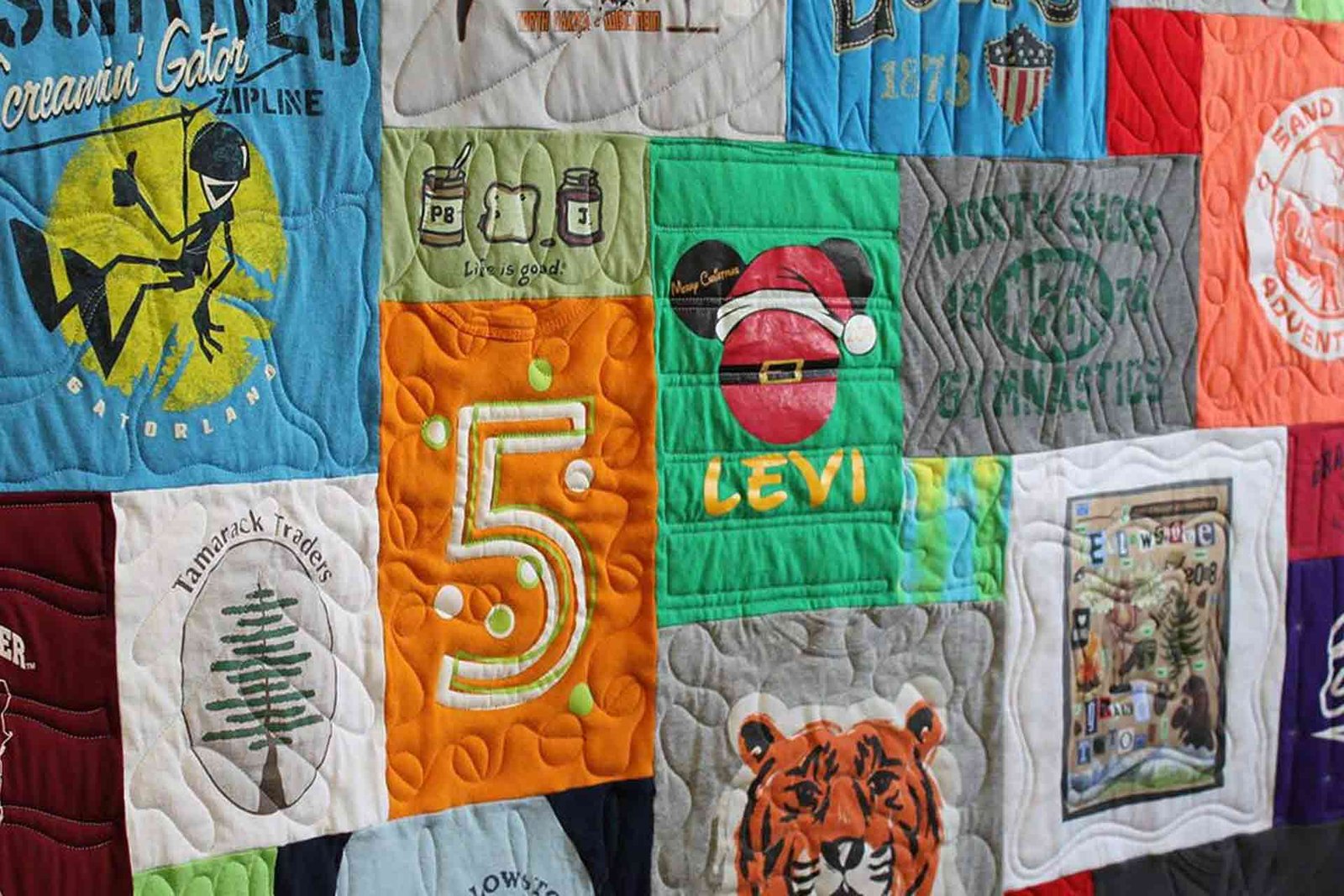
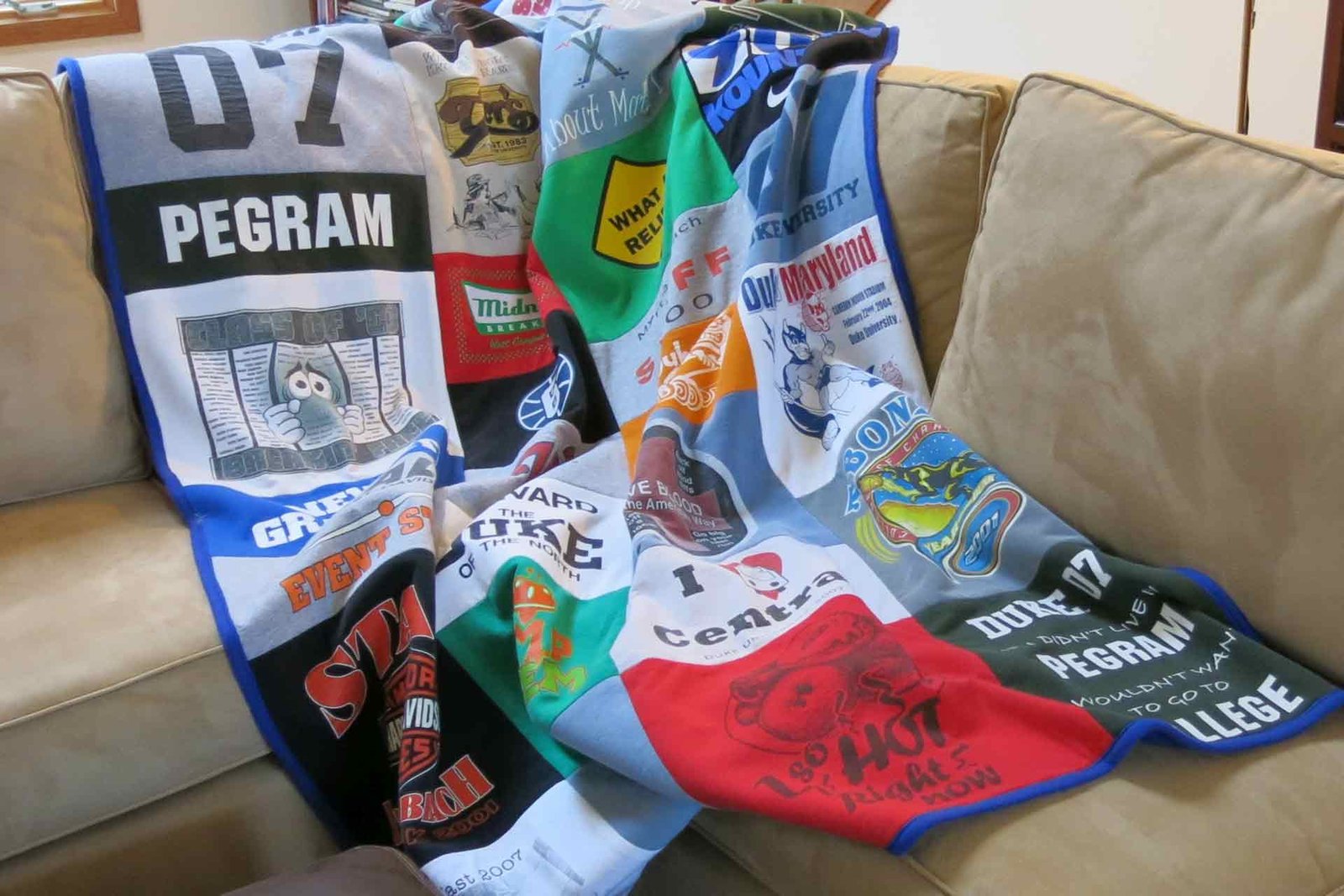
The Backing: The final layer. If you are making a memory quilt, you might use a best backing for t-shirt quilt guide to ensure it stays durable.
5. Where to Find Inspiration?
If you're looking for free quilt patterns or high-quality quilt kits for beginners, there are incredible communities online. From established names like Moda Fabric to the helpful tutorials at Jordans Fabrics, the quilting world is full of support.
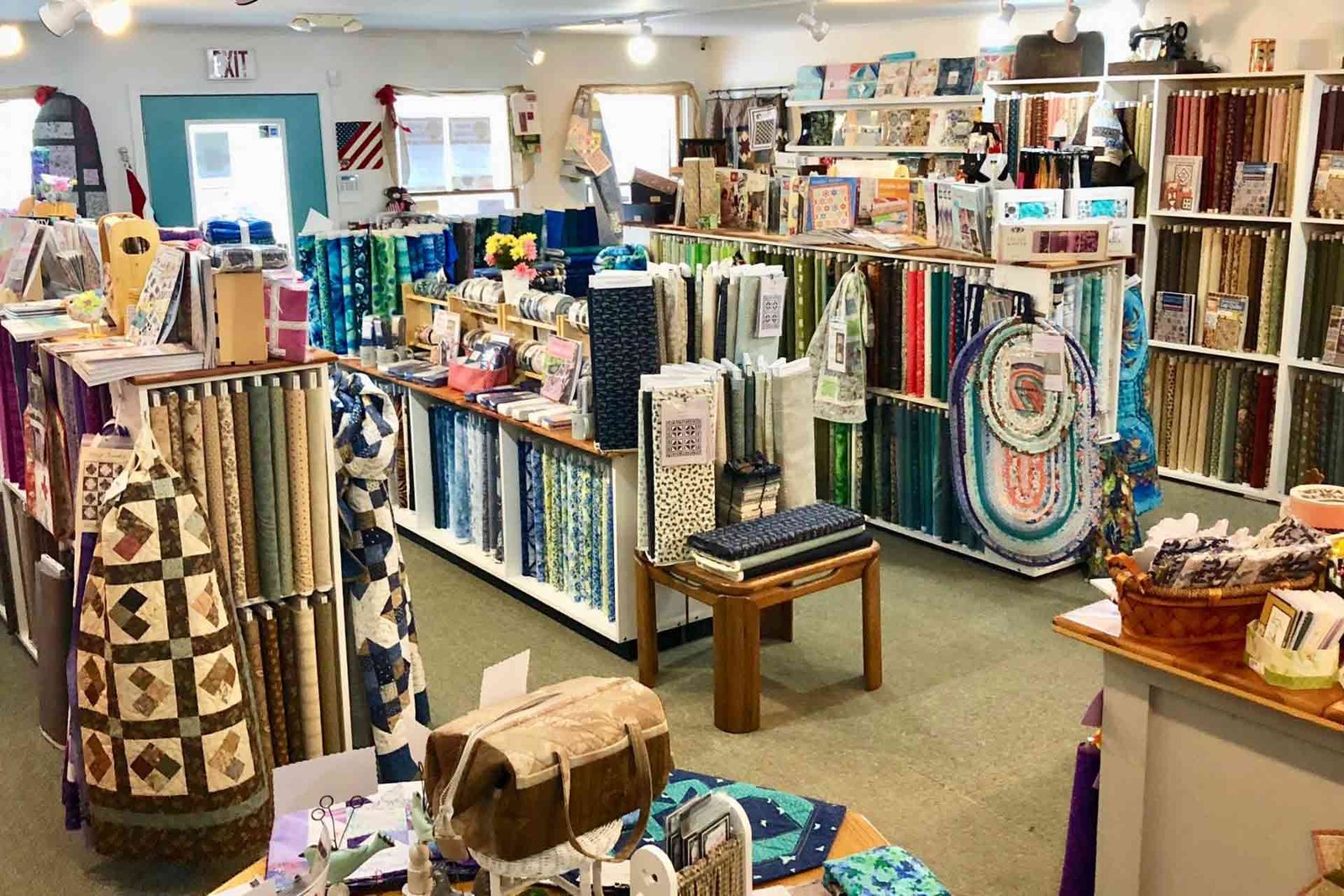
You can also search for quilt stores near me to find local experts who can help you touch and feel different quilting materials before you buy.
Summary for Beginners
-
Start Small: A baby quilt or a lap quilt is better than a King-sized one for your first try.
-
Use Pre-cuts: Save time on cutting and avoid errors.
-
Enjoy the Process: It’s called 'slow fashion' for a reason!