The first wash of a new quilt is a milestone. It’s the moment the fibers relax, the batting lofts up, and the quilt takes on that cozy, 'crinkled' vintage look. However, because quilts contain different materials, they are prone to uneven shrinking or 'color bleeding' (when dark dyes run into light areas).
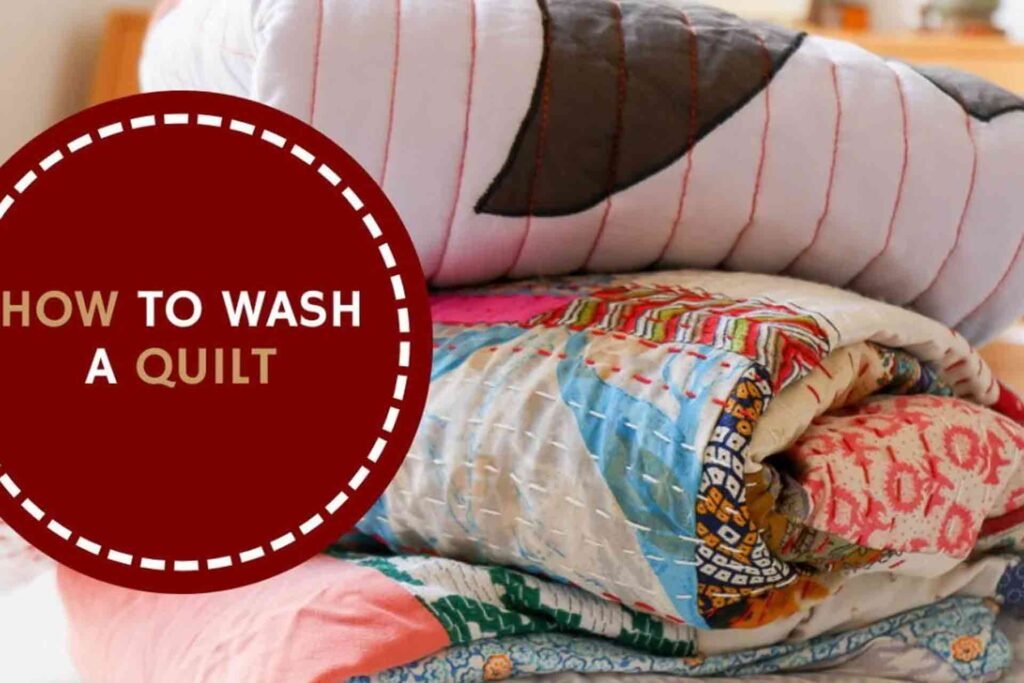
how to wash a quilt
Follow these professional fabric care steps to keep your quilts vibrant and intact for decades.
1. The Pre-Wash Test: Check for Color Bleeding
Before submerged the entire quilt, you must test your fabrics—especially if you used deep reds, purples, or batik fabric.
-
The Test: Wet a white cloth with warm water and press it onto a dark patch of the quilt for 30 seconds.
-
The Solution: If any color transfers to the white cloth, you must use 'Color Catchers' (like those by Shout) in the wash. These are chemically treated sheets that trap loose dye in the water before it can stain your lighter fabrics.
2. Machine Washing vs. Hand Washing
For most modern quilts made with high-quality polyester threads and cotton, a washing machine is safe—if used correctly.
The Machine Method:
-
Settings: Use the Gentle or Delicate cycle with cold water. High heat is the primary cause of excessive shrinkage and fiber breakdown.
-
Detergent: Use a mild, fragrance-free detergent. Avoid bleach or fabric softeners, as they can weaken the fibers and leave a residue on the batting.
-
The 'Color Catcher' Rule: Always toss in 2–3 dye-trapping sheets for the first 3 washes of a new quilt.
The Hand-Wash Method (For Antique or Fragile Quilts):
-
Fill a clean bathtub with cool water and a small amount of liquid soap.
-
Gently agitate by hand. Do not wring or scrub.
-
Rinse thoroughly until the water runs clear.
3. The Drying Process: Protecting the Fibers
How to wash a quilt is only half the battle; how you dry it determines its longevity.
-
Air Drying (Recommended): Lay the quilt flat on a rack or on a clean bed of towels. Never hang a wet quilt on a clothesline; the weight of the water can snap the stitching and stretch the fabric.
-
Machine Drying (The 'Crinkle' Method): If you prefer a softer feel, tumble dry on Low Heat or 'Air Fluff.' Remove the quilt while it is still slightly damp (about 80% dry) and lay it flat to finish. This prevents the 'over-drying' that makes cotton brittle.
4. Long-Term Storage Tips
Improper storage is the silent killer of quilts. To maintain proper fabric care during the off-season:
-
Breathable Containers: Store quilts in 100% cotton bags or wrapped in a clean white sheet. Never use plastic bins or vacuum-seal bags; they trap moisture and can cause yellowing or mold.
-
The 'Refold' Rule: Every 3–6 months, take your quilt out and refold it in a different way. If a quilt stays folded in the same spot for years, the fibers along the creases will eventually break, leading to permanent holes.
5. Quilt Care Summary Table
| Step | Action | Why? |
| Testing | Use a 'Color Catcher' sheet | Prevents dye from ruining light blocks. |
| Temperature | Cold water only | Minimizes shrinkage and preserves color. |
| Drying | Lay flat (no hanging) | Protects thread tension and prevents stretching. |
| Storage | Use cotton bags / No plastic | Prevents mold and fabric 'suffocation.' |
Keep the Memories Fresh
A well-loved quilt is meant to be used, but with the right fabric care, it doesn't have to look worn out. By mastering how to wash a quilt, you protect your investment of time and love.
Is your quilt ready for its first wash? Contact us for our Fabric Care Essentials including pH-neutral soaps and professional color catchers!