
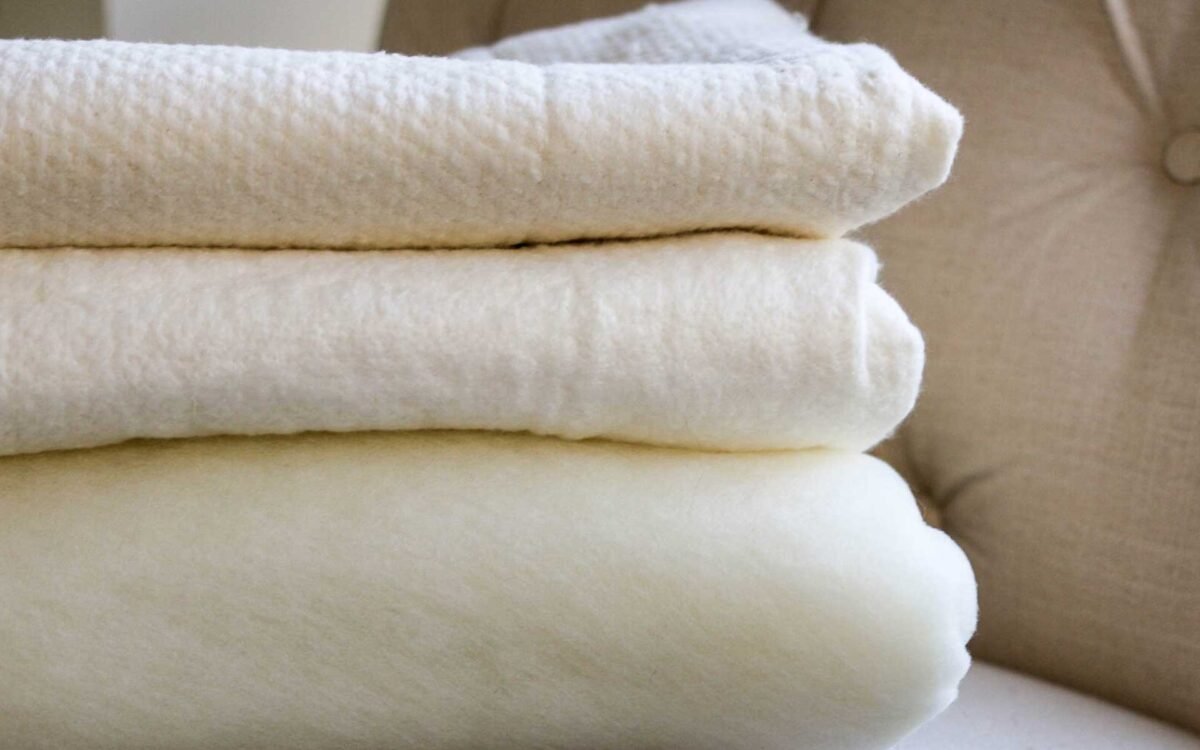
Cotton Batting vs Bamboo Batting: Which One Should You Use for Your Quilt?
Today, the debate often comes down to two natural favorites: the traditional cotton batting for quilts and the modern, eco-friendly bamboo batting. At TextileCloth, we want to help you understand how each one behaves so your finished quilt meets your expectations.
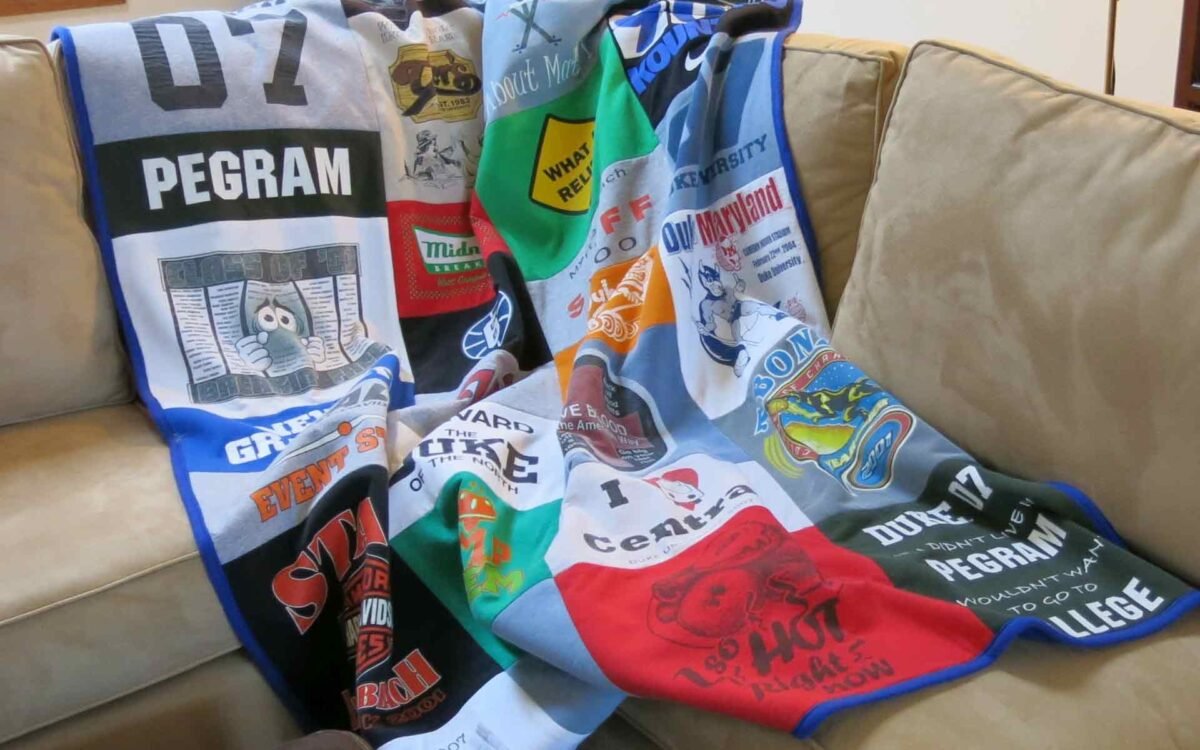
The Best Backing for T-Shirt Quilts: A Professional Guide
Making a memory quilt? Choosing the right backing is crucial. Discover the best backing for t-shirt quilts, from cozy flannel to classic cotton, and learn how to stabilize your quilt for professional results.
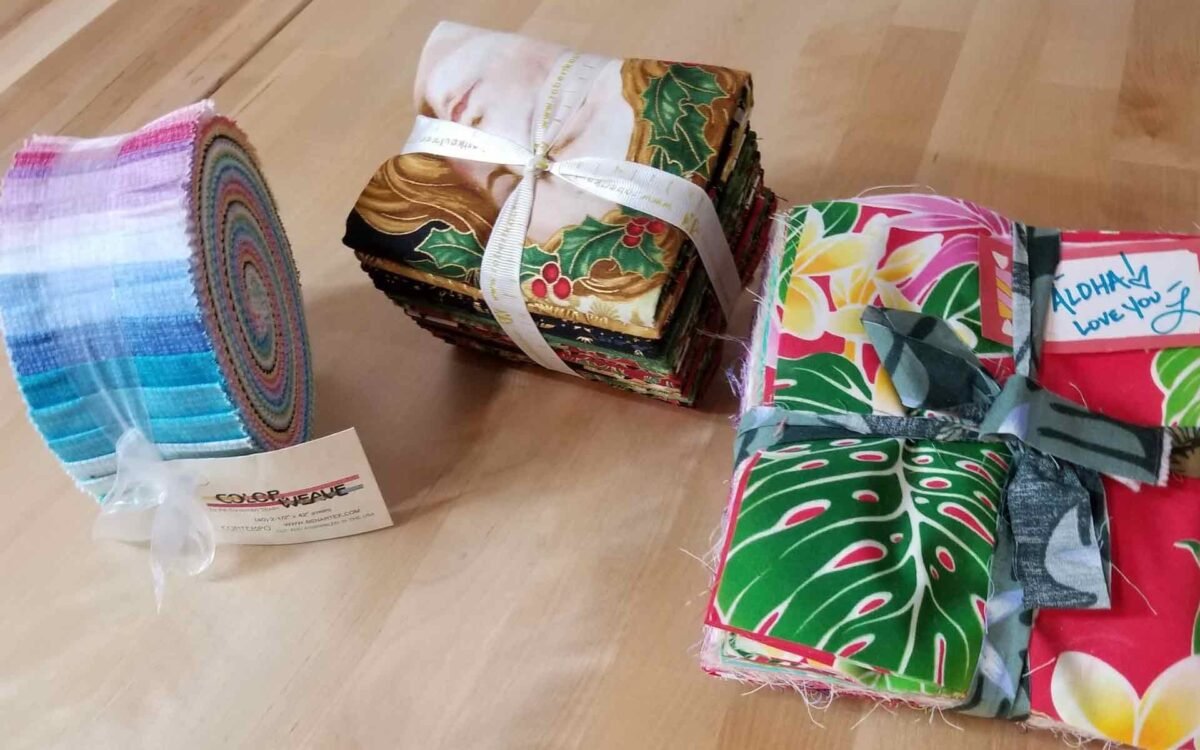
Jelly Rolls vs Layer Cakes: Which Pre-cut Fabric is Right for Your Project?
Confused by pre-cut fabrics? Learn the difference between Jelly Rolls, Layer Cakes, and Charm Packs. This guide helps you choose the right quilting material to save time and reduce waste on your next project.
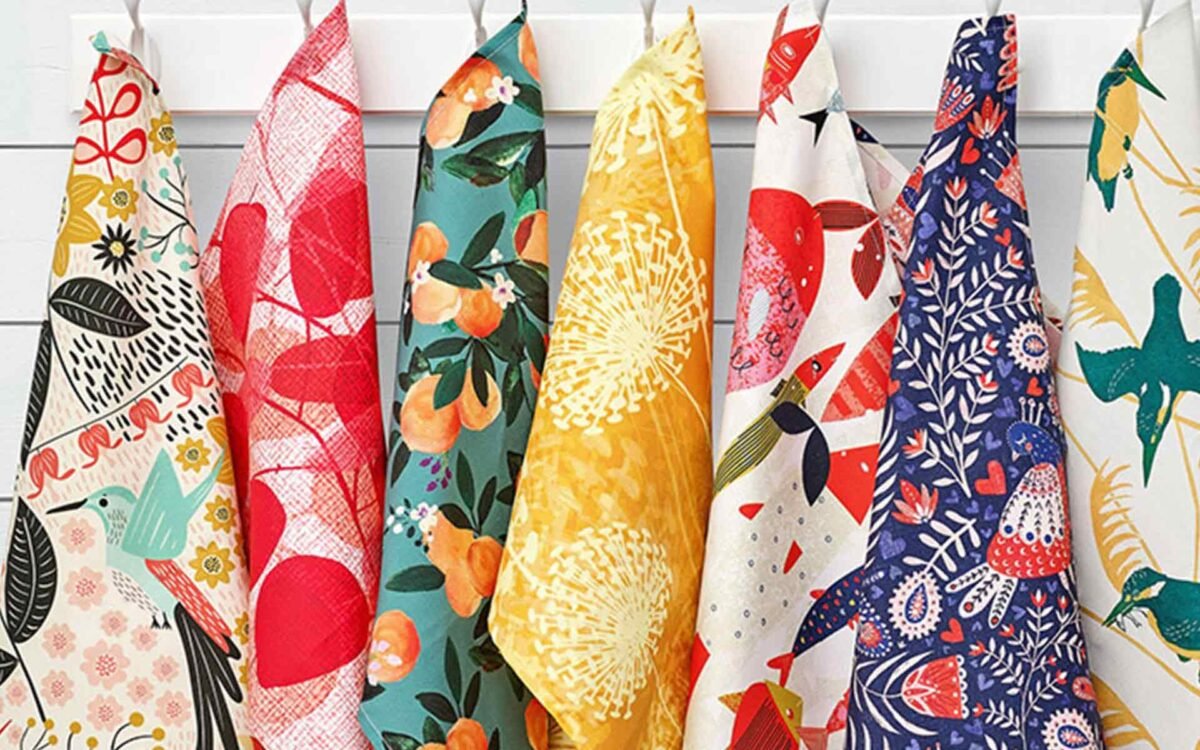
What is a Fat Quarter? Understanding Quilting Fabric Sizes and Bundles
What is a fat quarter? If you are confused by quilting fabric sizes, this guide explains everything about fatquarter dimensions, fat quarter bundles, and how they compare to 10x10 fabric squares. Start your project with the right cut!
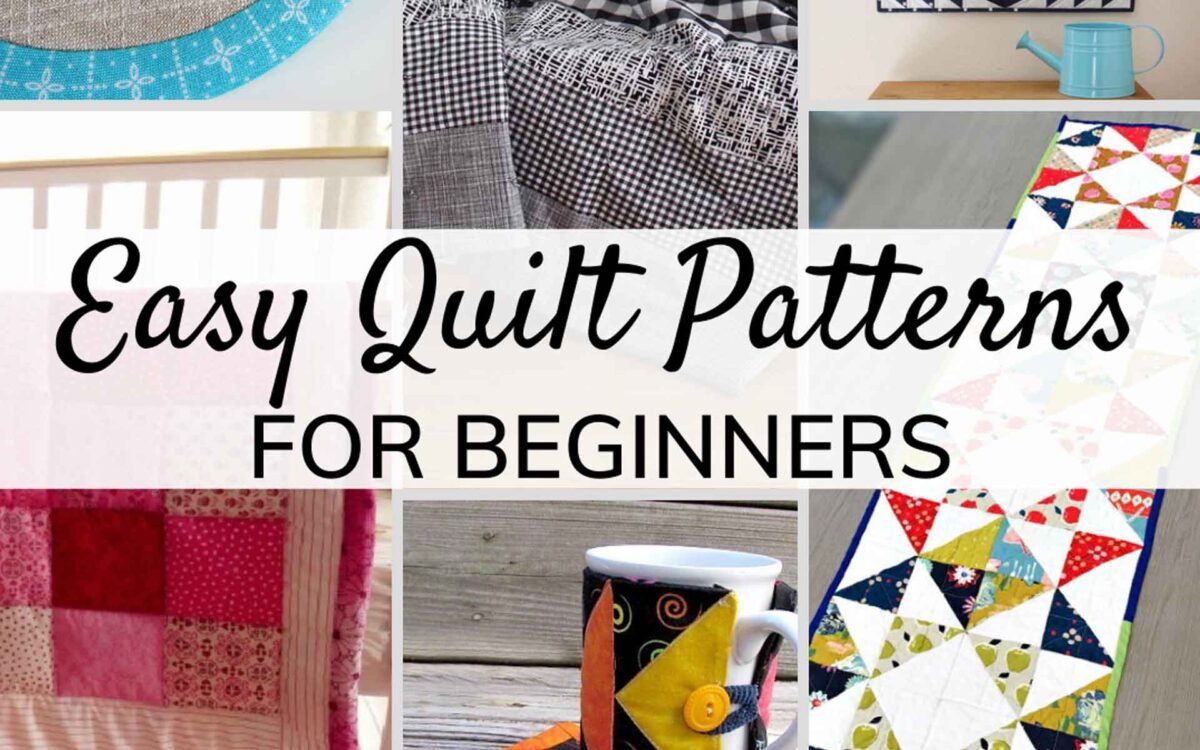
5 Easy Quilt Patterns That Every Beginner Should Try
Ready to sew your first quilt? Explore these 5 easy quilt patterns perfect for beginners. From the classic 9-patch quilt pattern to simple jelly roll designs, start your quilting journey with confidence today!
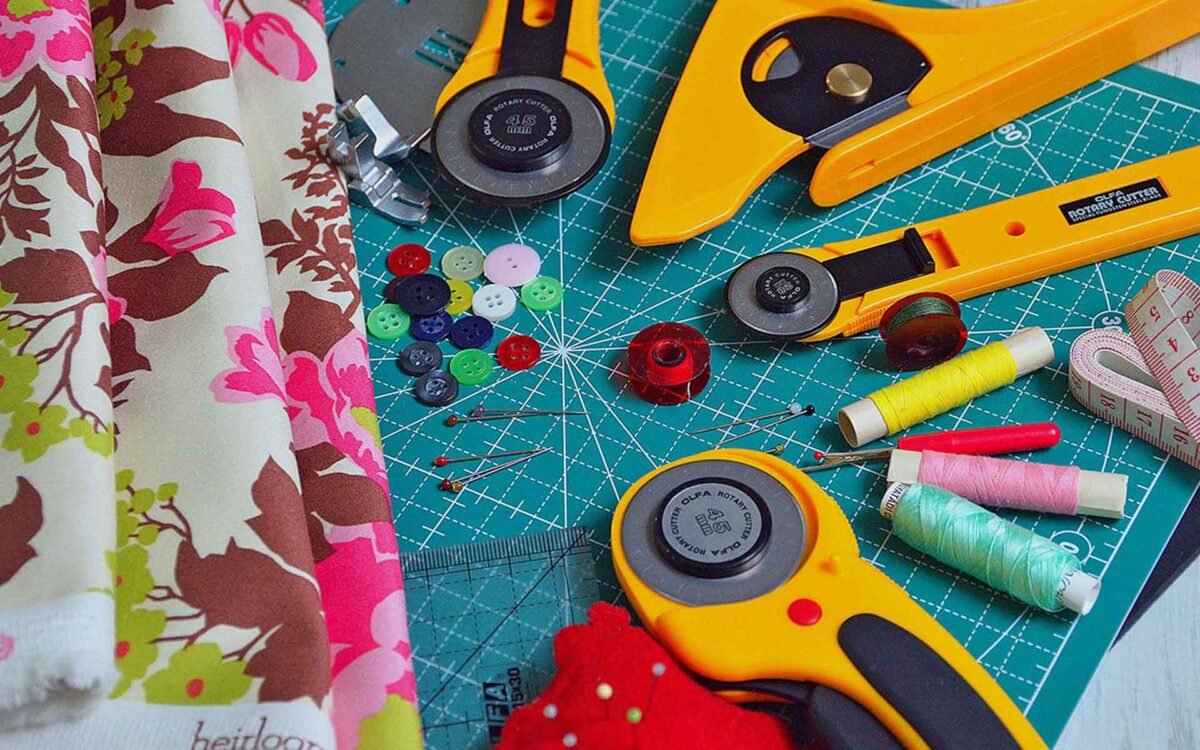
Quilting 101: The Ultimate Guide to Quilting Fabric and Supplies for Beginners
Ready to start your first quilting project? Our Quilting 101 guide covers everything from choosing the best quilting fabric to essential supplies and easy patterns for beginners. Start your creative journey with TextileCloth today!
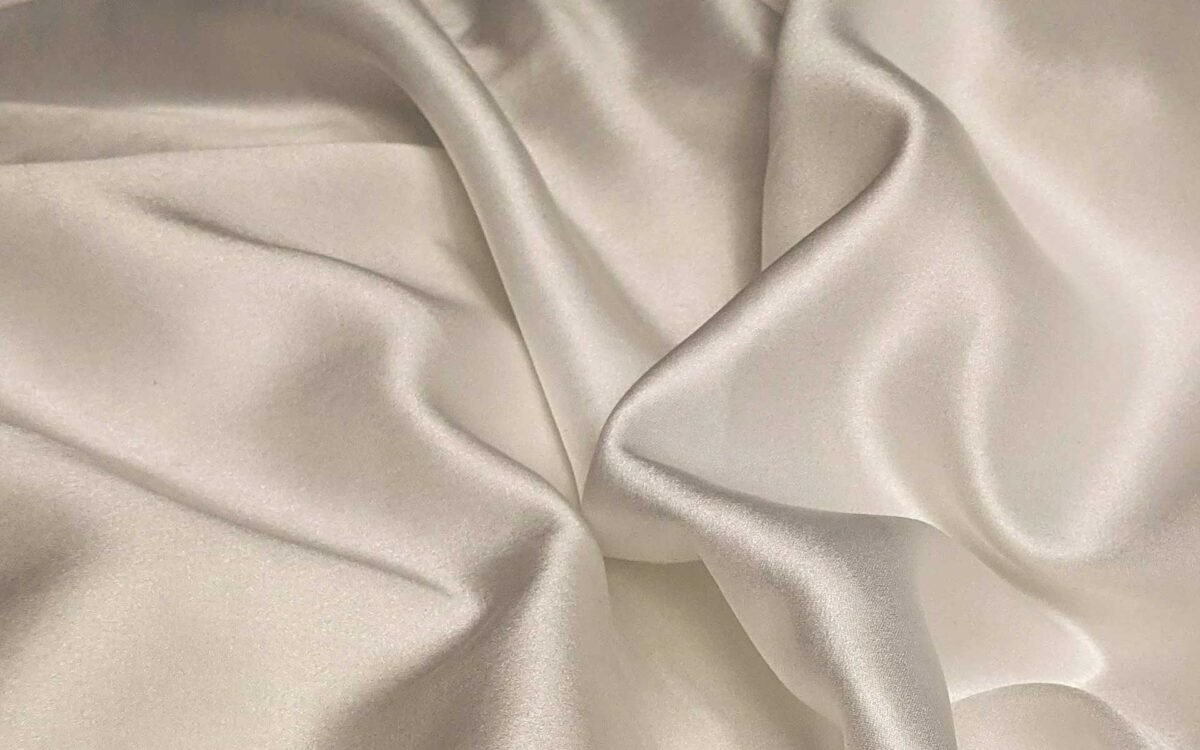
The Pros and Cons of Modal Fabric: 5 Things to Check Before You Buy
Thinking of buying modal? Before you upgrade your wardrobe, weigh the pros and cons of modal fabric. From its legendary softness and hypoallergenic properties to its specific laundry needs and "slouch" factor, here is what you need to know.
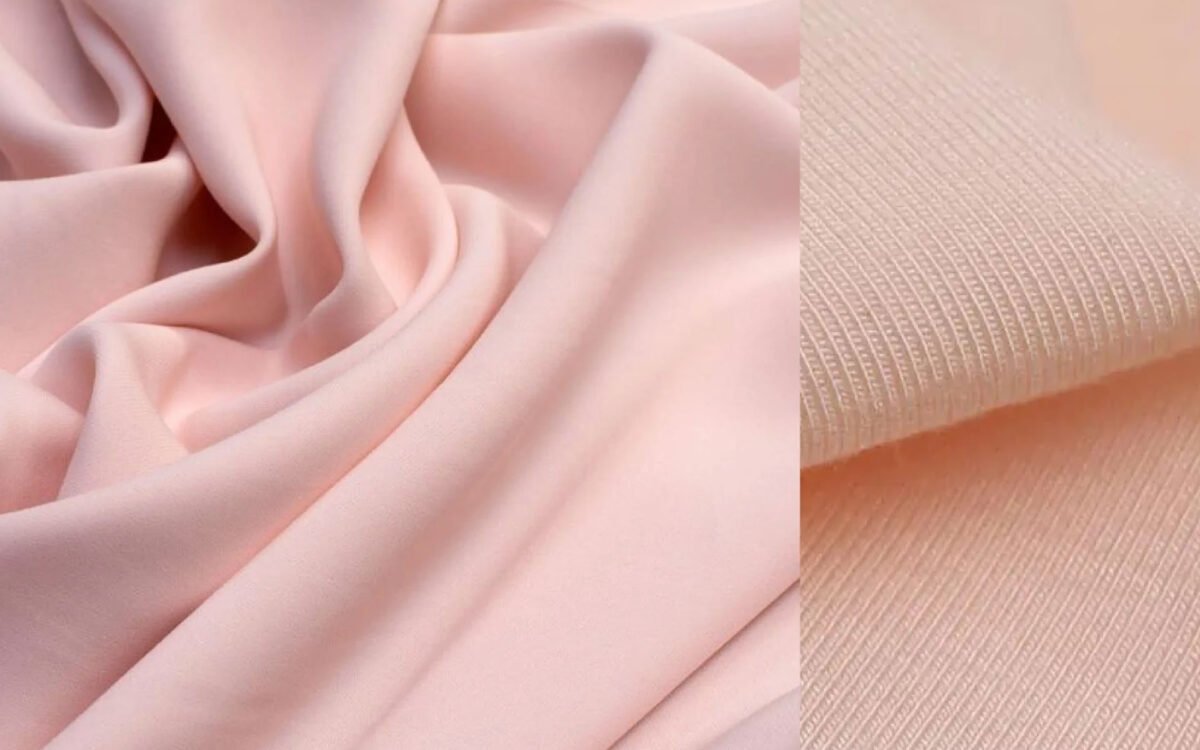
Does Modal Breathe? Everything You Need to Know About Breathability and Wicking
Does modal fabric really breathe? Discover the science behind modal's breathability and moisture-wicking properties. We compare it to cotton and polyester to see if it’s the right choice for your workout or summer wardrobe.
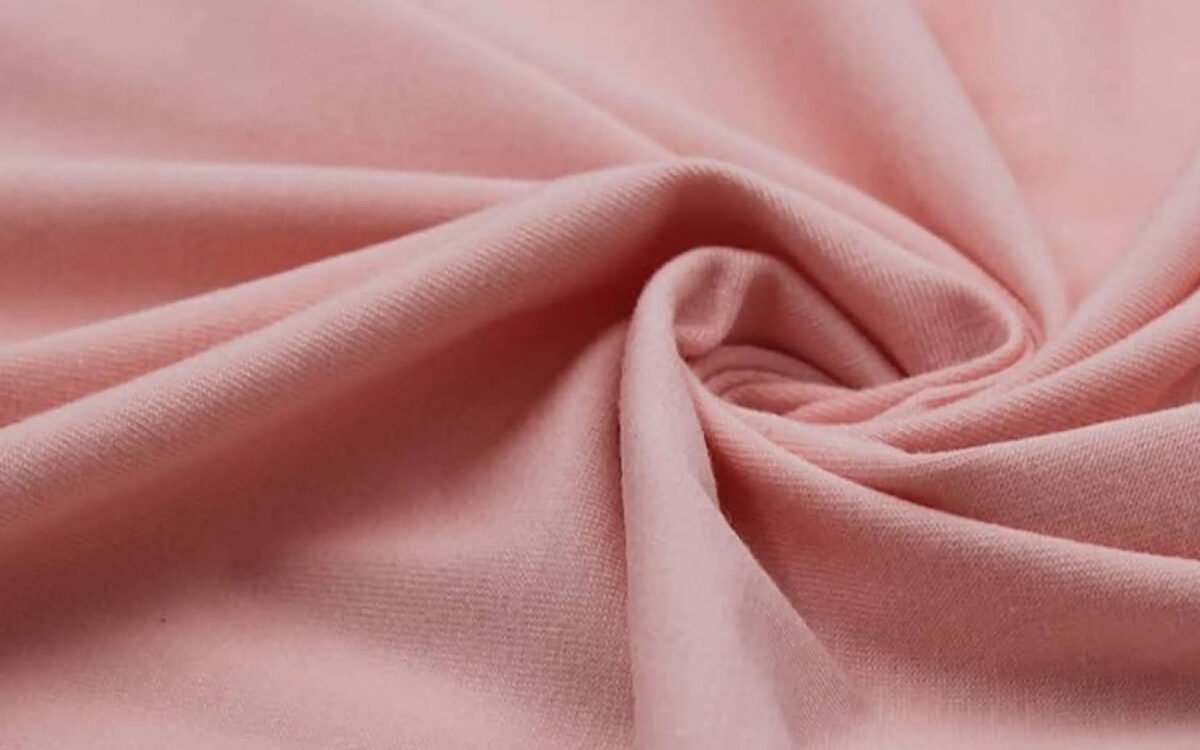
What is Modal Fabric? The Ultimate Guide to the World’s Softest Textile
What is modal fabric exactly? Known as the world's softest textile, modal is a sustainable, silk-like material made from beechwood trees. This ultimate guide covers everything from its production to why it outperforms cotton in comfort and durability.
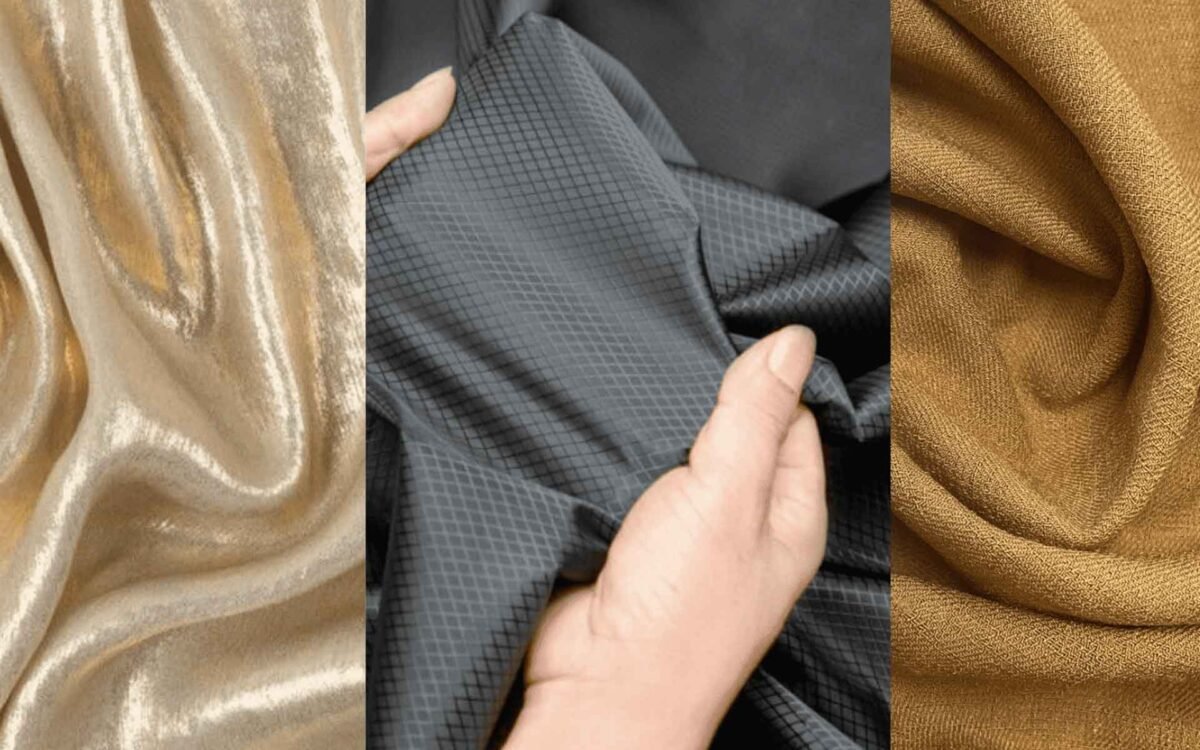
Is Modal Fabric Toxic? A Science-Backed Look at Safety and Your Skin
Is modal fabric toxic or safe for your skin? While the production of modal involves chemicals, the final product is often safer and more eco-friendly than many synthetic alternatives. This guide explores the manufacturing process, chemical safety, and why it’s a top choice for sensitive skin.
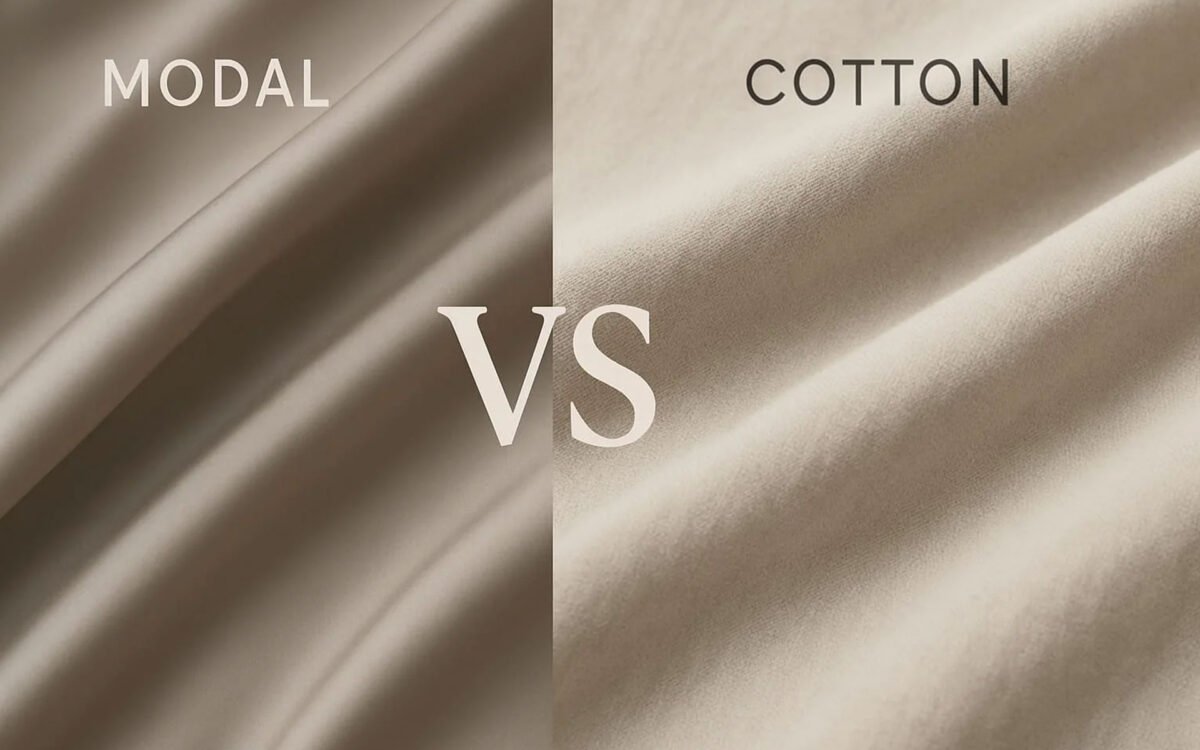
Modal vs. Cotton: Which Fabric is Actually Better for Your Lifestyle?
Struggling to choose between Modal and Cotton? While both are beloved for their comfort, they perform differently in terms of durability, breathability, and skin sensitivity. This deep dive compares the silky drape of Modal against the classic structure of Cotton to help you decide which fabric truly fits your lifestyle and wardrobe needs.