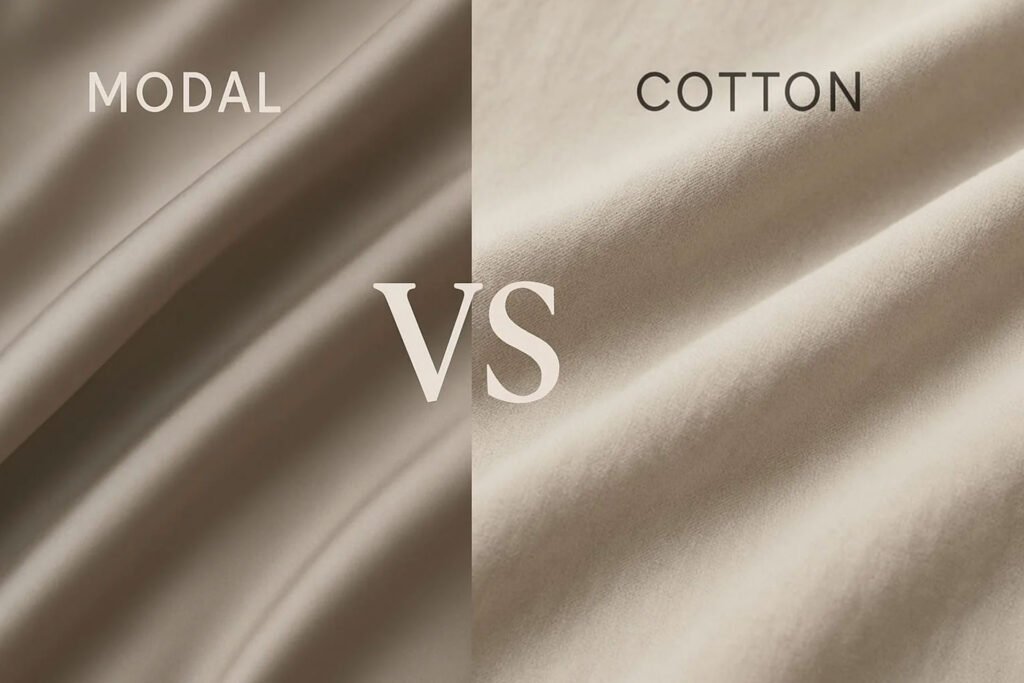
Modal vs Cotton fabric texture
When you’re browsing for new bedding or a reliable set of basics, the choice usually comes down to two heavyweights: Cotton and Modal.
For decades, cotton has been the undisputed king of natural comfort. However, as textile technology evolves, Modal fabric (a high-quality variety of rayon) has become a top-tier contender for those seeking luxury and performance. Is it time to swap your classic cotton tees for this beechwood-derived alternative? Let's look at how they compare in the real world.
1. The Hand-Feel: Silk-Like Smoothness vs. Crisp Familiarity
The most immediate difference is how these fibers feel against your skin.
-
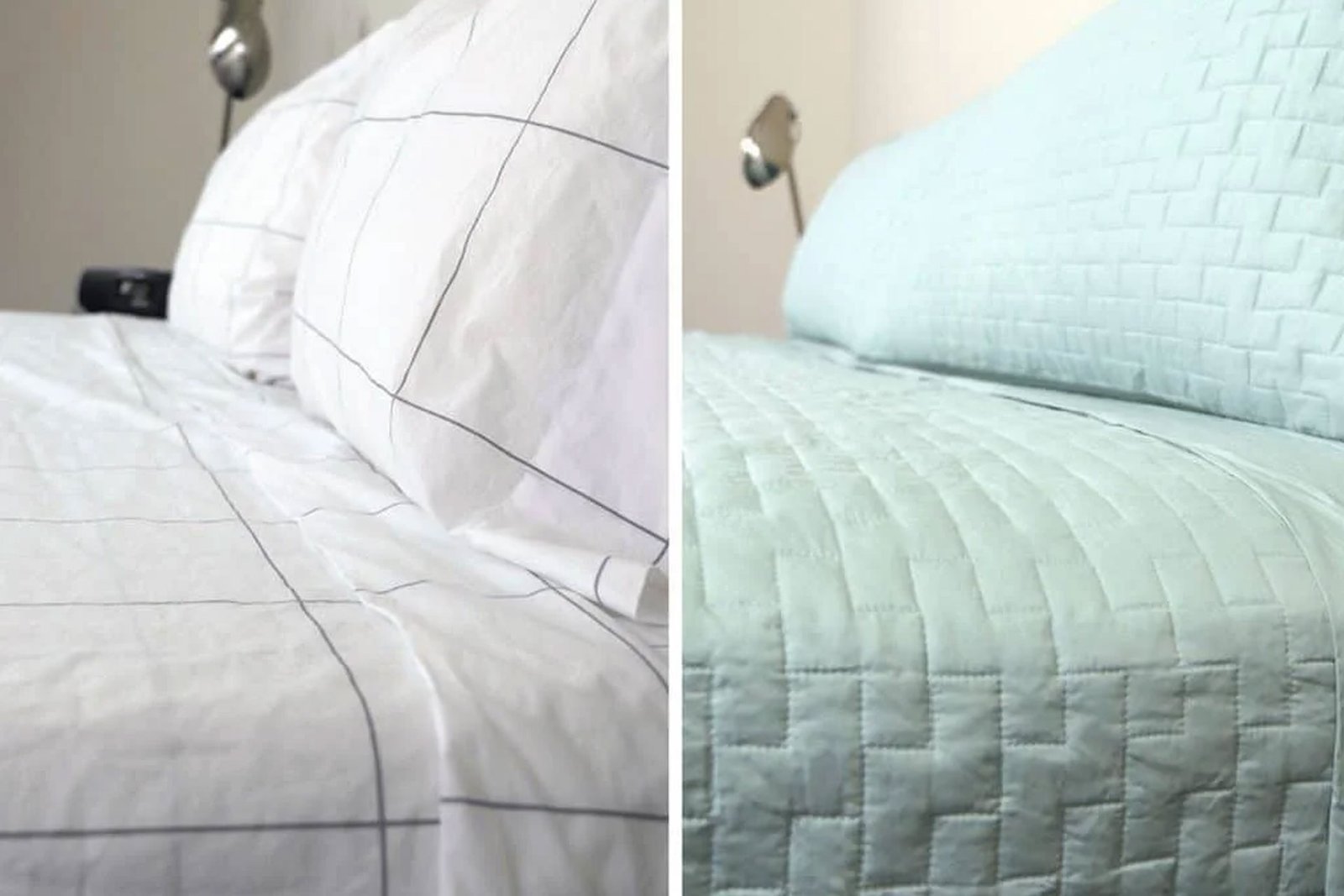
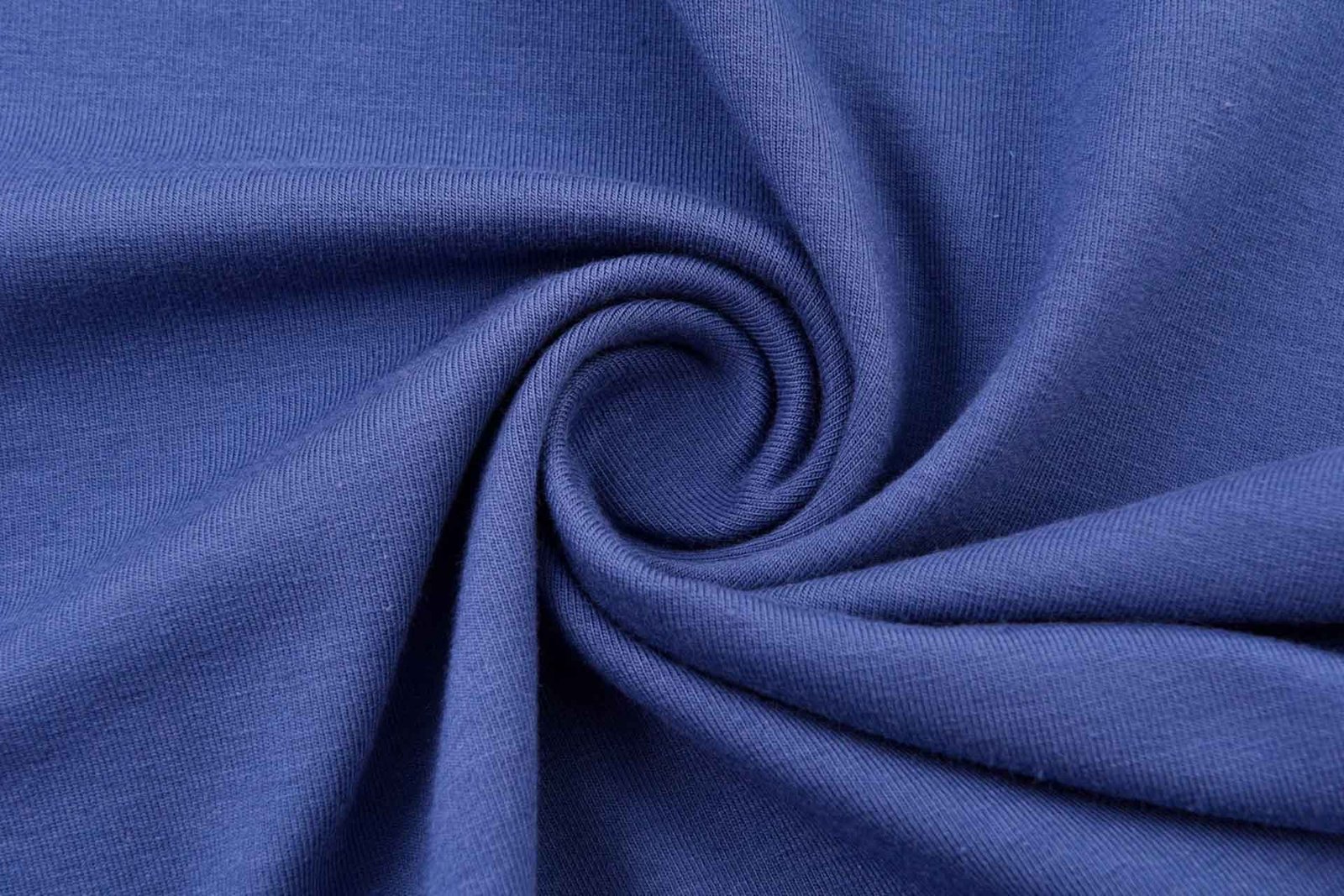
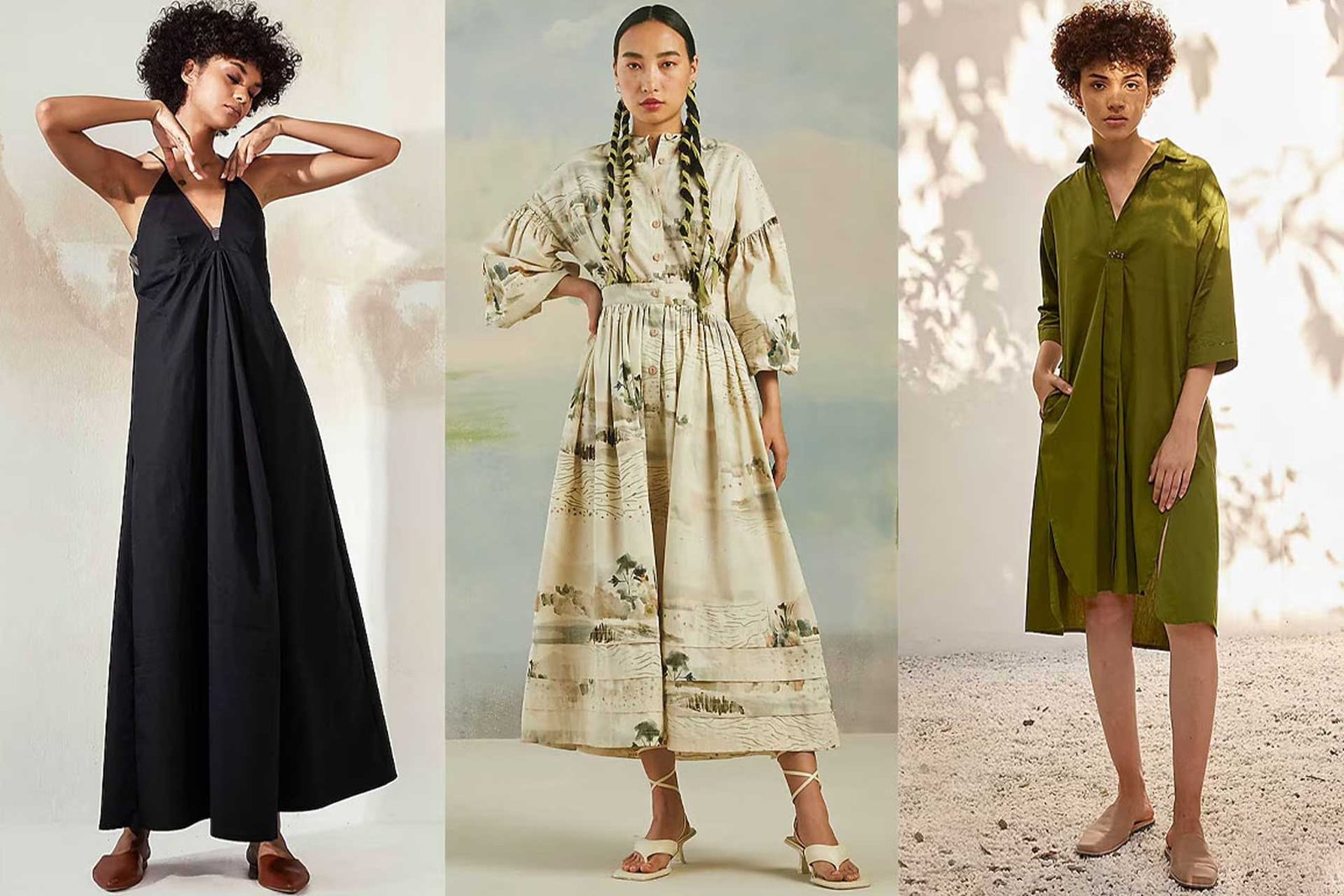
Modal: Often described as 'buttery soft,' Modal has a signature cool-to-the-touch sensation. Because it is a semi-synthetic fiber made from cellulose, the filaments are incredibly smooth, resulting in a liquid-like drape that mimics silk.
-
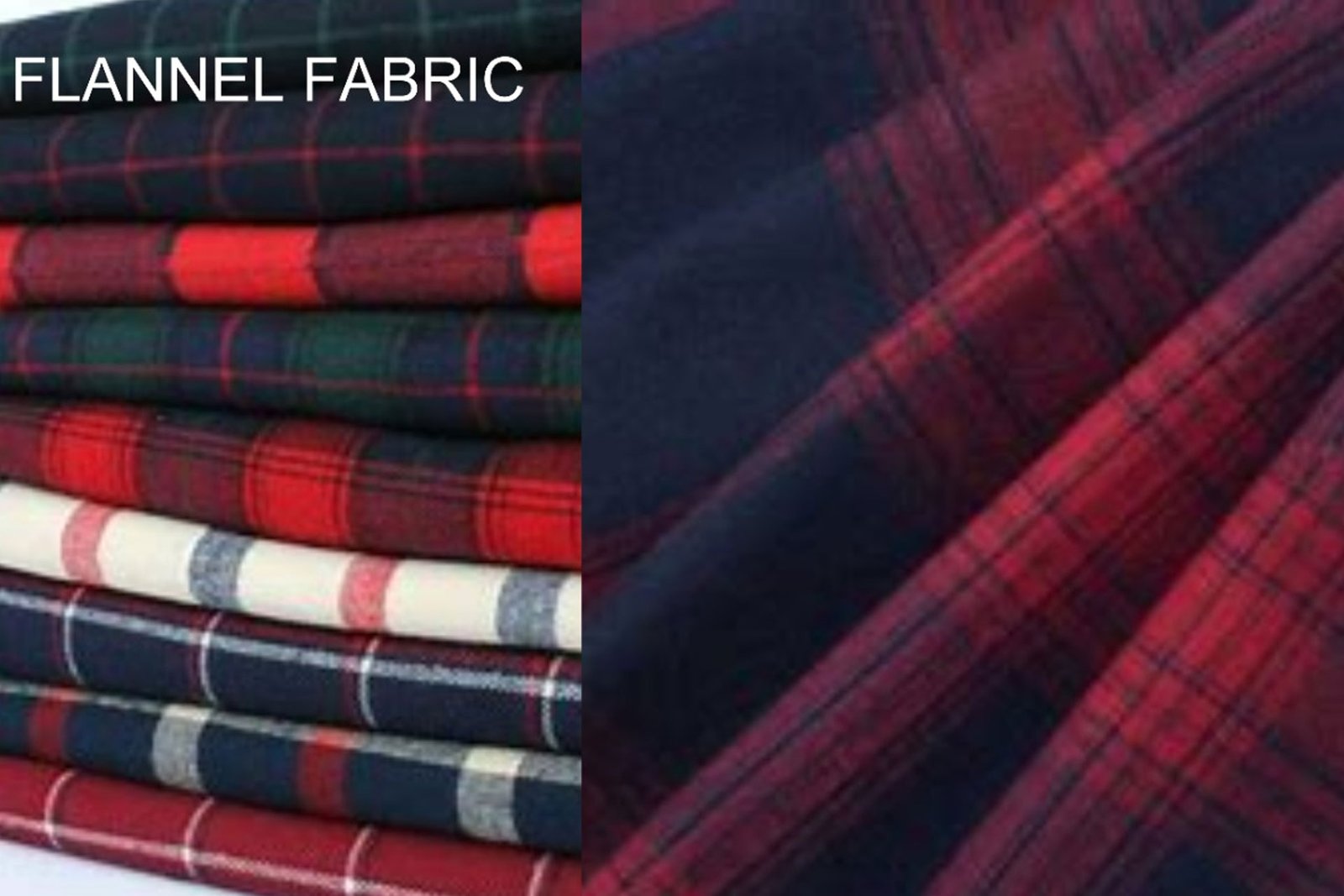
Cotton: Cotton provides that classic, crisp structure we all know. While premium varieties like Pima or Egyptian cotton are very soft, they still retain a slightly textured, 'dry' feel that many people prefer for everyday casual wear.
The Verdict: Choose Modal for a 'second-skin' feel in loungewear; stick with cotton for structured garments like heavy Oxford shirts.
2. Durability: Will It Last?
At TextileCloth, we believe a fabric’s true value is measured by its lifespan. This is where the two materials diverge based on their molecular structure:
-
Shrinkage & Fading: Modal is remarkably stable. Unlike traditional natural fibers like cotton, which can shrink or lose their shape in a hot dryer, Modal stays true to size. It also holds onto dye with incredible tenacity, meaning your black leggings will stay black, not charcoal grey, after twenty washes.
-
Pilling: While Modal is resistant to pilling, its delicate nature means it can snag if washed with rougher items like denim or zippers. Cotton is generally more rugged but can develop a 'fuzzy' texture over years of heavy use.
3. Breathability and Moisture Management
If you live in a humid climate or run hot at night, breathability is non-negotiable.
Cotton is naturally breathable, allowing air to circulate through the weave. However, it is highly absorbent—once it gets wet from sweat, it stays wet, which can feel heavy and cold.
Modal, on the other hand, is 50% more absorbent than cotton. It excels at moisture-wicking, pulling sweat away from the body and allowing it to evaporate quickly. This makes it the superior choice for activewear and intimate apparel where keeping dry is the priority.
4. The Sustainability Factor
As consumers move toward sustainable textiles, the 'eco-friendliness' of these fabrics is under the microscope.
-
Cotton requires significant amounts of water and, unless it is organic, relies on pesticides.
-
Modal is harvested from self-sustaining beechwood trees. While the chemical process used to turn wood into pulp is intensive, many modern manufacturers now use 'closed-loop' systems where chemicals are recycled rather than dumped into the environment.
5. The 'Slouch' Factor: A Note on Structure
One disadvantage of 100% Modal that is rarely mentioned is its lack of 'memory.' Because it is so soft and drapey, it can sag over time if used for heavy garments. This is why you will frequently find Modal-Cotton blends on the market. These blends offer the best of both worlds: the breathability and softness of Modal with the structural integrity of Cotton.
Final Summary: Making the Choice
-
Pick Modal if: You want long-lasting color, a luxurious silky feel, and high performance in moisture-wicking (perfect for sleepwear and underwear).
-
Pick Cotton if: You want a durable, structured garment that is easy to care for and offers that classic, crisp feel.