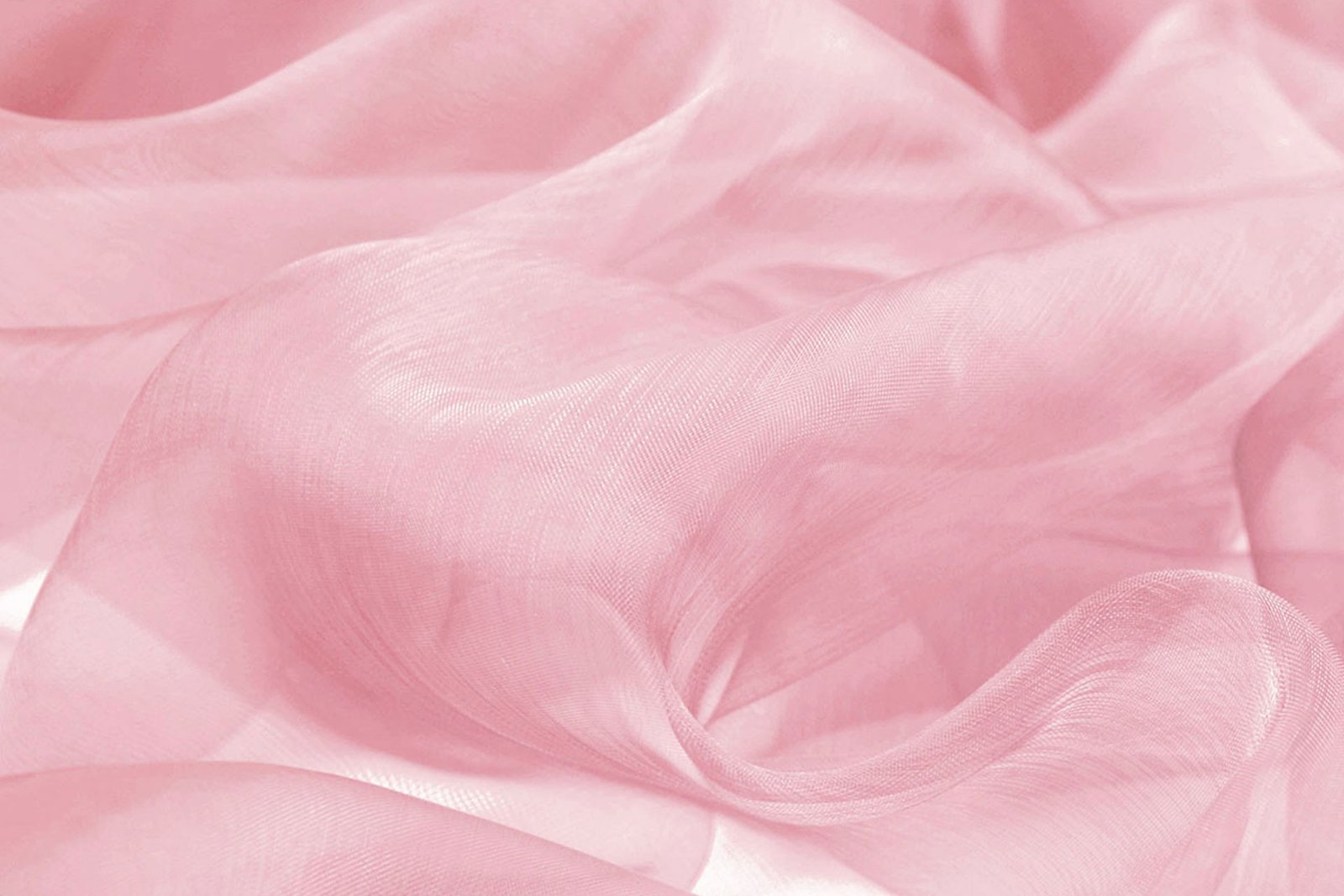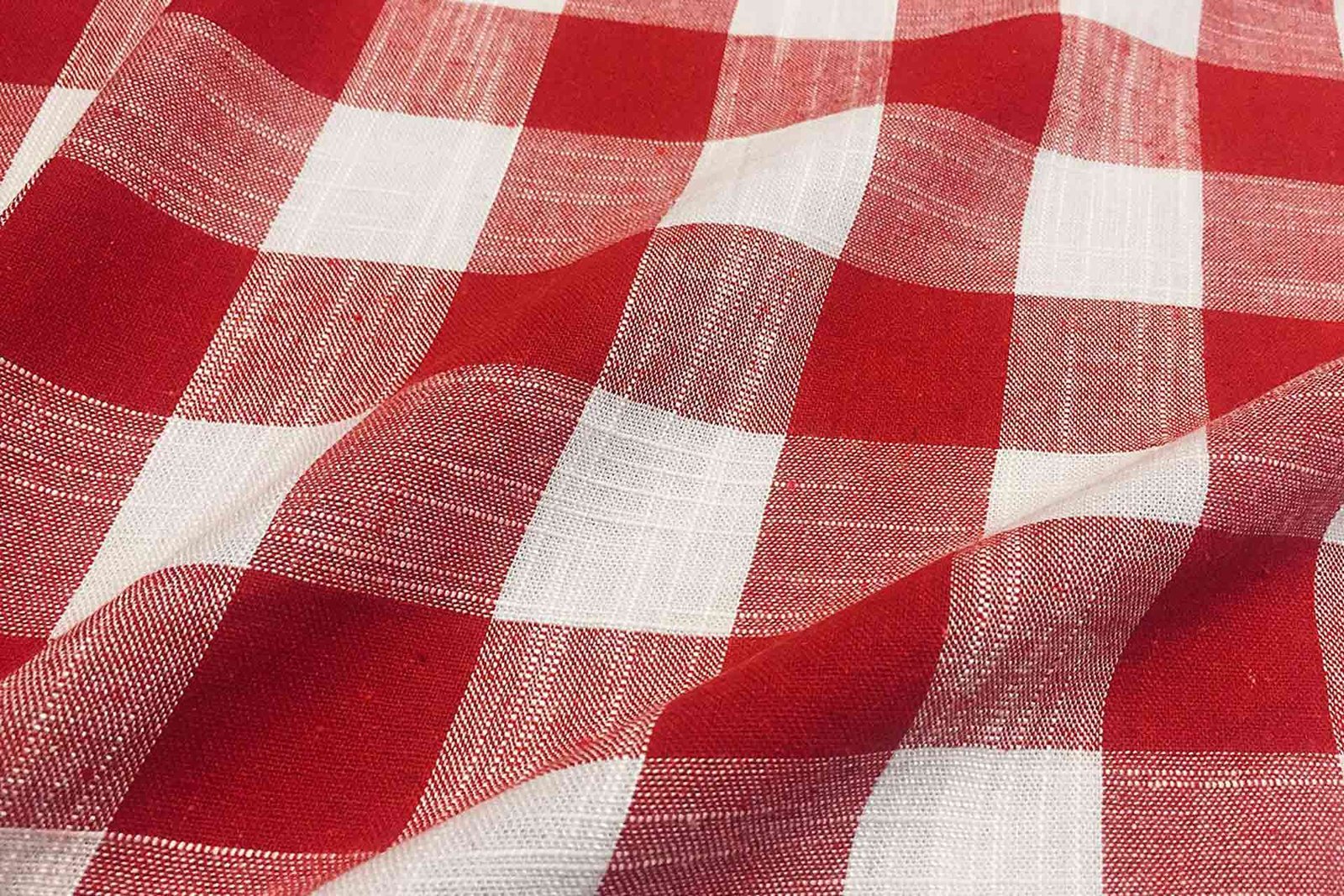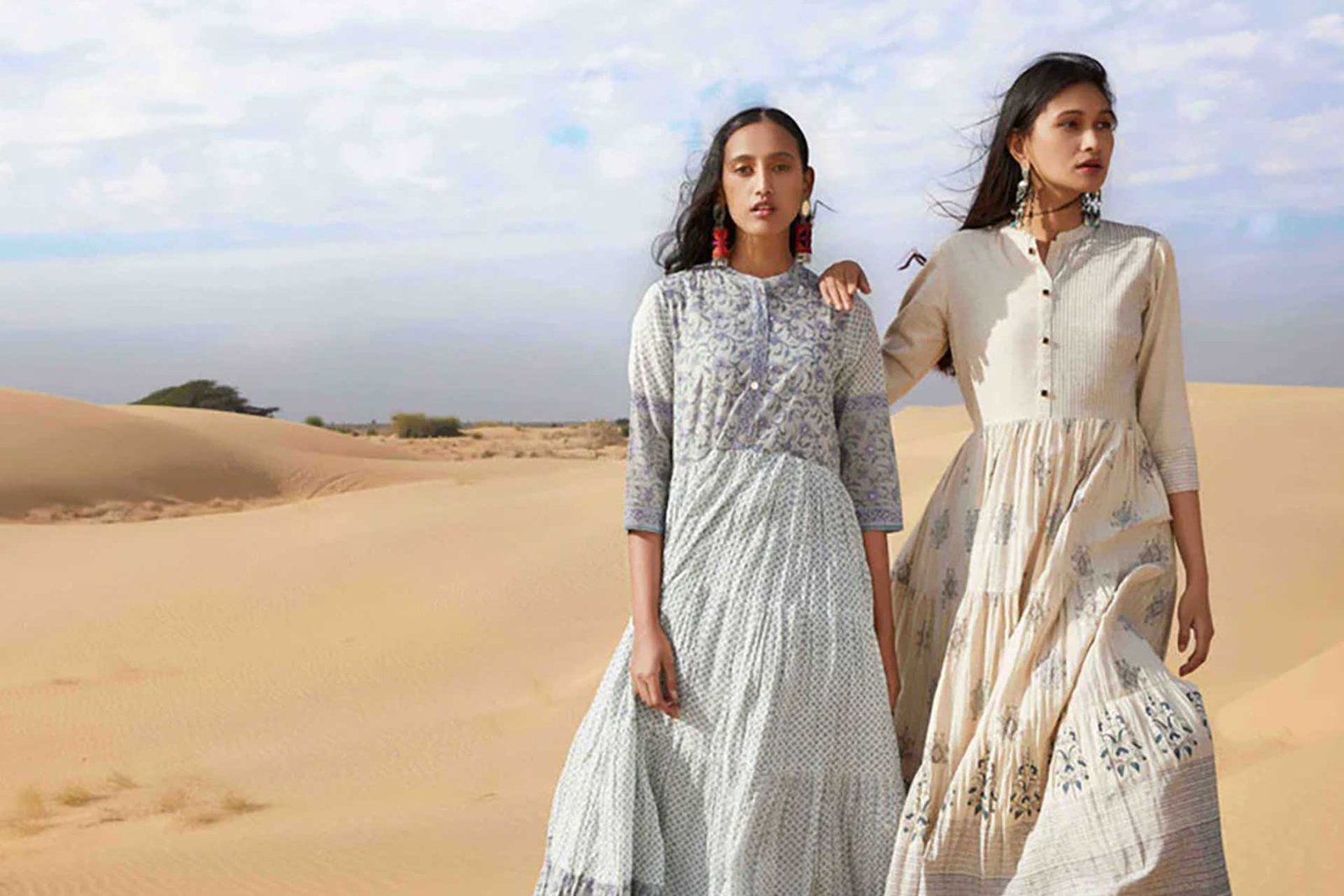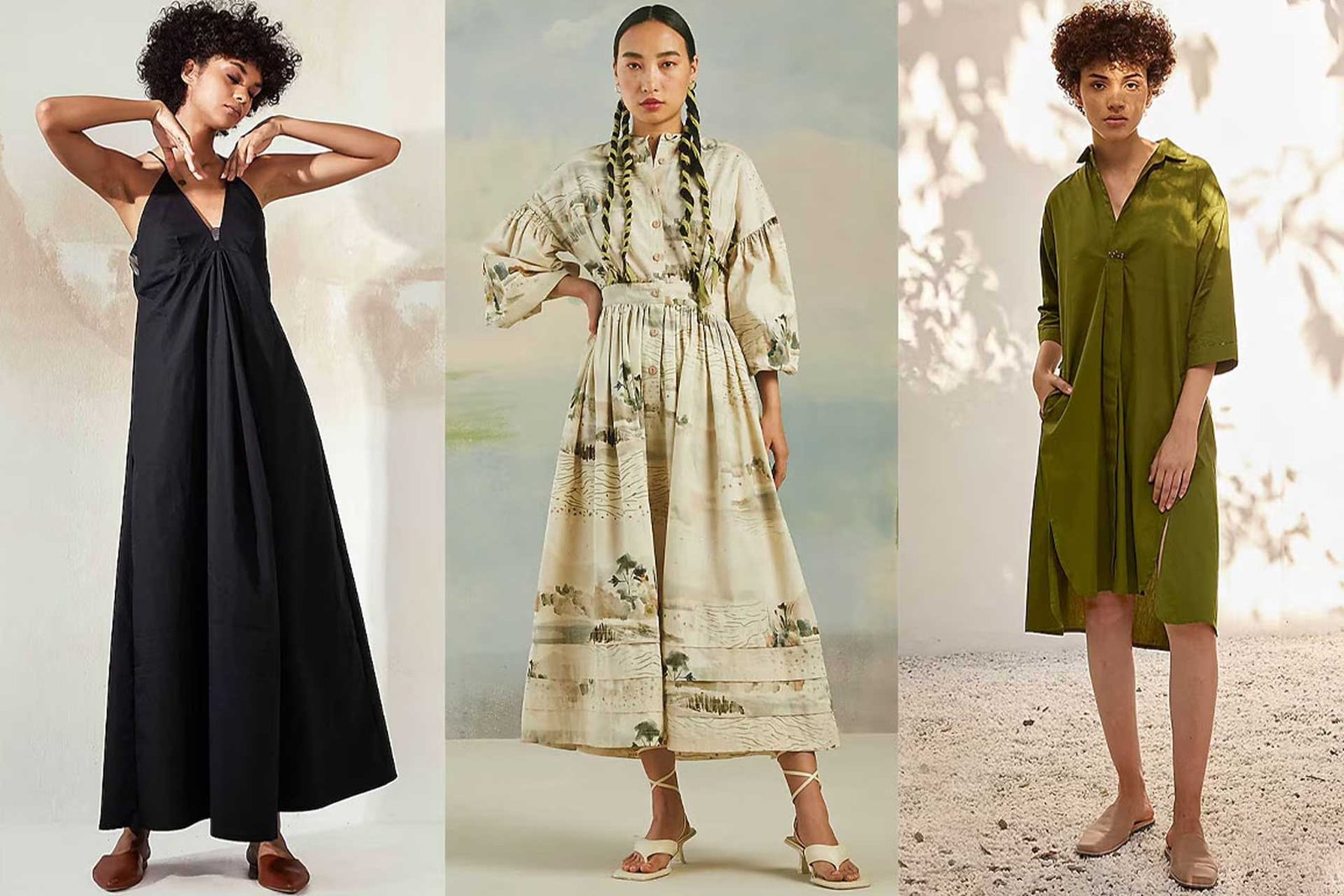
As temperatures rise and humidity levels climb, the choice of fabric becomes the most important decision in your wardrobe. In the red corner, we have Cotton, the soft, reliable global favorite. In the blue corner, Linen, the ancient, luxurious champion of breathability.
But which one actually keeps you cooler? And is there a way to get the best of both worlds with linen and cotton blends? Let's dive into the technical head-to-head.
1. The Breathability & Moisture Test
When it comes to surviving a heatwave, moisture management is king.
-
Linen: Often called 'the original air conditioner.' Linen fibers are hollow and stiff, meaning the fabric stays away from your skin, allowing airflow. It can absorb up to 20% of its weight in moisture before feeling damp and dries significantly faster than cotton.
-
Cotton: While cotton is breathable, it is more 'absorbent' than 'wicking.' It tends to soak up sweat and hold onto it, which can lead to that heavy, damp feeling on a humid July afternoon.
2. Durability: A Lifetime Investment
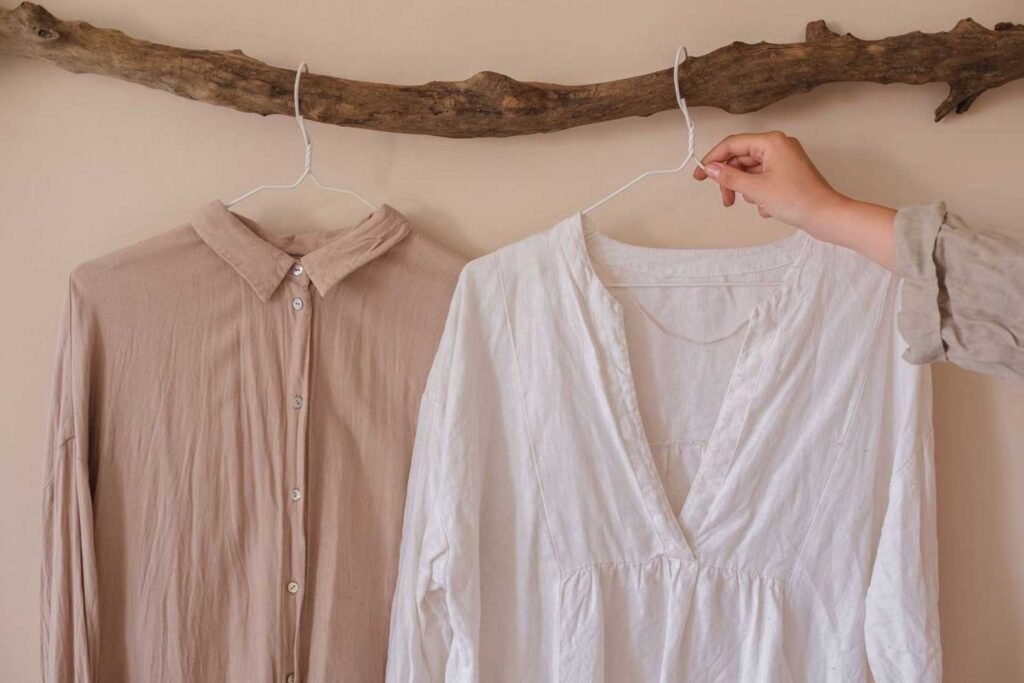
linen and cotton clothing
If you are looking for linen and cotton clothing, durability is a key factor in your cost-per-wear calculation.
-
Linen: Known as the world’s strongest natural fiber. It is about 30% stronger than cotton. In fact, linen actually gets stronger when wet and becomes softer with every single wash. A high-quality linen shirt can easily last a decade.
-
Cotton: While soft and durable, cotton fibers are more prone to breaking and thinning over time, especially after repeated hot-water washes.
3. The Wrinkle Factor: Aesthetic vs. Effort
This is where the linen v cotton debate gets heated.
-
Linen: It wrinkles. Fast. For many, the 'crinkle' is part of the effortless, luxurious charm of natural linen. However, if you require a crisp, sharp look for a corporate meeting, pure linen requires a high-quality steam iron.
-
Cotton: Generally holds its shape better and is much easier to iron. If you choose 'wrinkle-free' cotton, it has likely been treated with resins to maintain its smoothness.
4. Technical Head-to-Head Comparison
| Performance Metric | Pure Linen | Pure Cotton | Linen Cotton Cloth (Blend) |
| Moisture Absorption | Excellent (Fast-wicking) | High (Slow-drying) | Balanced |
| Durability | Ultra-High | Moderate | High |
| Softness (Initial) | Textured / Crisp | Very Soft | Soft & Supple |
| Wrinkle Resistance | Low (Authentic crinkle) | Moderate | Improved |
| Eco-Footprint | Very Low (Low water) | Moderate to High | Moderate |
5. The Hybrid Solution: Why Choose 'Linen and Cotton' Blends?
In recent years, linen cotton cloth has surged in popularity for a reason. By mixing these two natural fibers, manufacturers create a textile that balances luxury with practicality.
-
Better Drape: Pure linen can be stiff; adding cotton gives the garment a softer, more fluid drape.
-
Reduced Wrinkling: The cotton fibers 'fill in' the gaps, making the fabric less prone to deep creases while retaining the distinctive linen texture.
-
Affordability: Linen and cotton clothing is often more budget-friendly than 100% Belgian linen, making high-end style accessible for daily wear.
6. Summary: Which one is for you?
-
Choose Pure Linen if: You prioritize staying as cool as possible, value sustainability, and embrace the relaxed, rumpled 'vacation' aesthetic.
-
Choose Pure Cotton if: You have sensitive skin that requires maximum softness and you prefer a traditional, smooth appearance.
-
Choose Linen and Cotton Blend if: You want the textured look of linen but need the ease of care and soft hand-feel of cotton for office or daily use.
🛍️ Shop linen products Collection
Upgrade your wardrobe with the world’s most breathable natural fibers. Whether you’re looking for the crisp luxury of pure linen or the soft ease of a cotton blend, we have the perfect cut for your next project.