If you’ve ever scrolled through a fabric shop and found yourself wondering if a fabric is a 'check,' a 'plaid,' or a 'gingham,' you aren't alone. While they all belong to the checkered family, each has a distinct history, weave, and 'vibe.'
Understanding the gingham meaning and how it differs from its Scottish cousins is essential for choosing the right look for your next project. Let’s break down the geometry of style.
what is gingham fabric
1. What is Gingham Fabric?
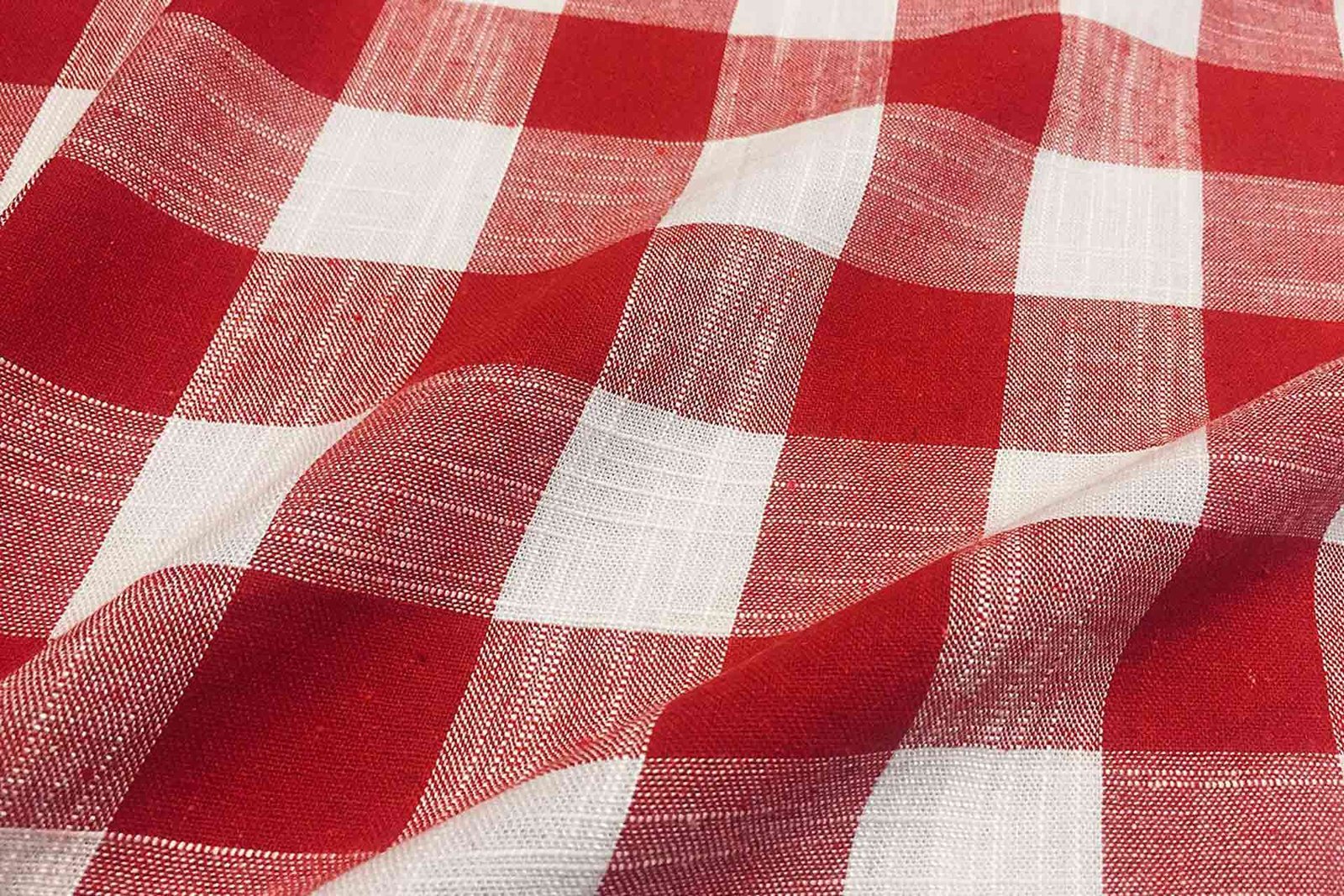
The word 'gingham' comes from the Malay word genggang, meaning 'striped.' However, the gingham fabric we know today is defined by its symmetry and simplicity.
-
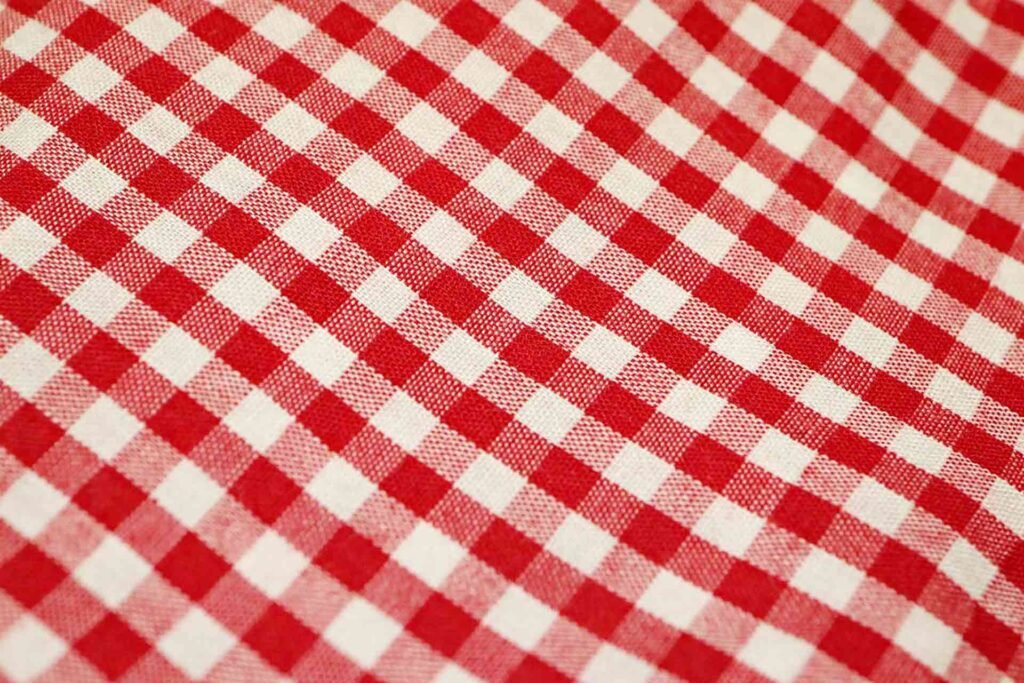
The Weave: Gingham is a plain-woven fabric, usually made of cotton or a cotton blend.
-
The Pattern: It features a reversible, two-color check pattern (usually white and one other color).
-
The Look: Because the yarns are dyed before they are woven (yarn-dyed), the fabric shows distinctive squares where the two colors overlap, creating a third, mid-tone shade.
Gingham Pronunciation: For those searching for the correct way to say it, it is pronounced 'ging-um' (the 'h' is silent, and the 'am' sounds like 'um').
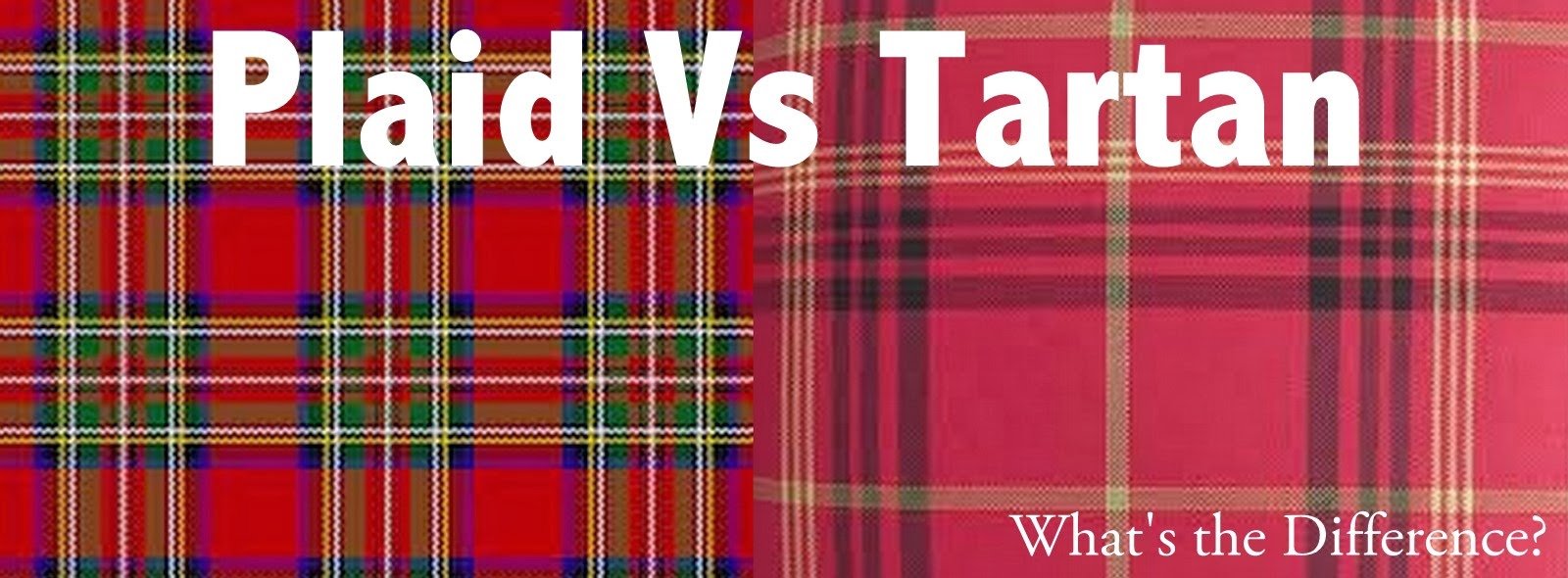
2. Plaid vs. Tartan: What’s the Difference?
Outside of North America, 'Plaid' and 'Tartan' are often used interchangeably, but there is a technical distinction:
-
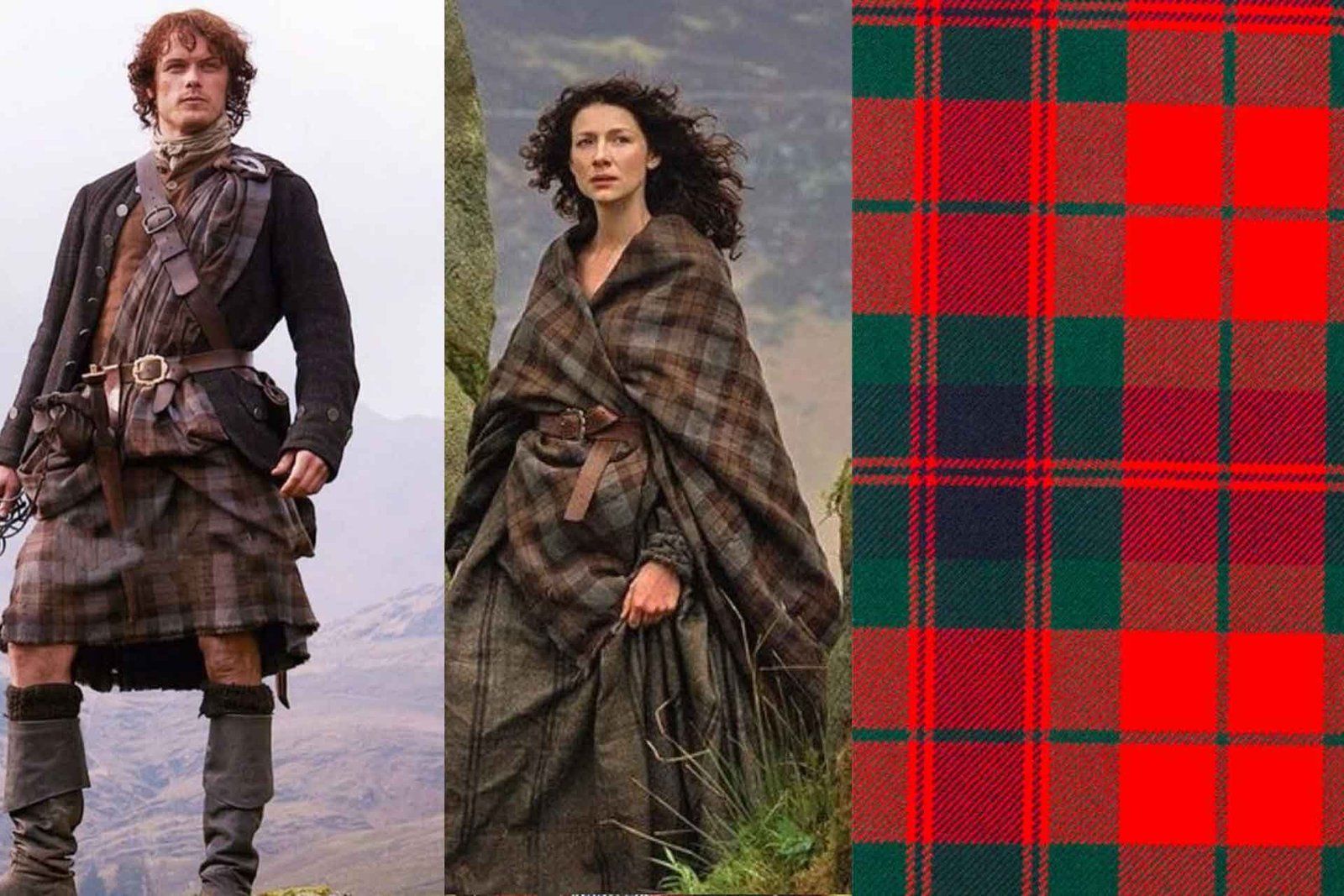
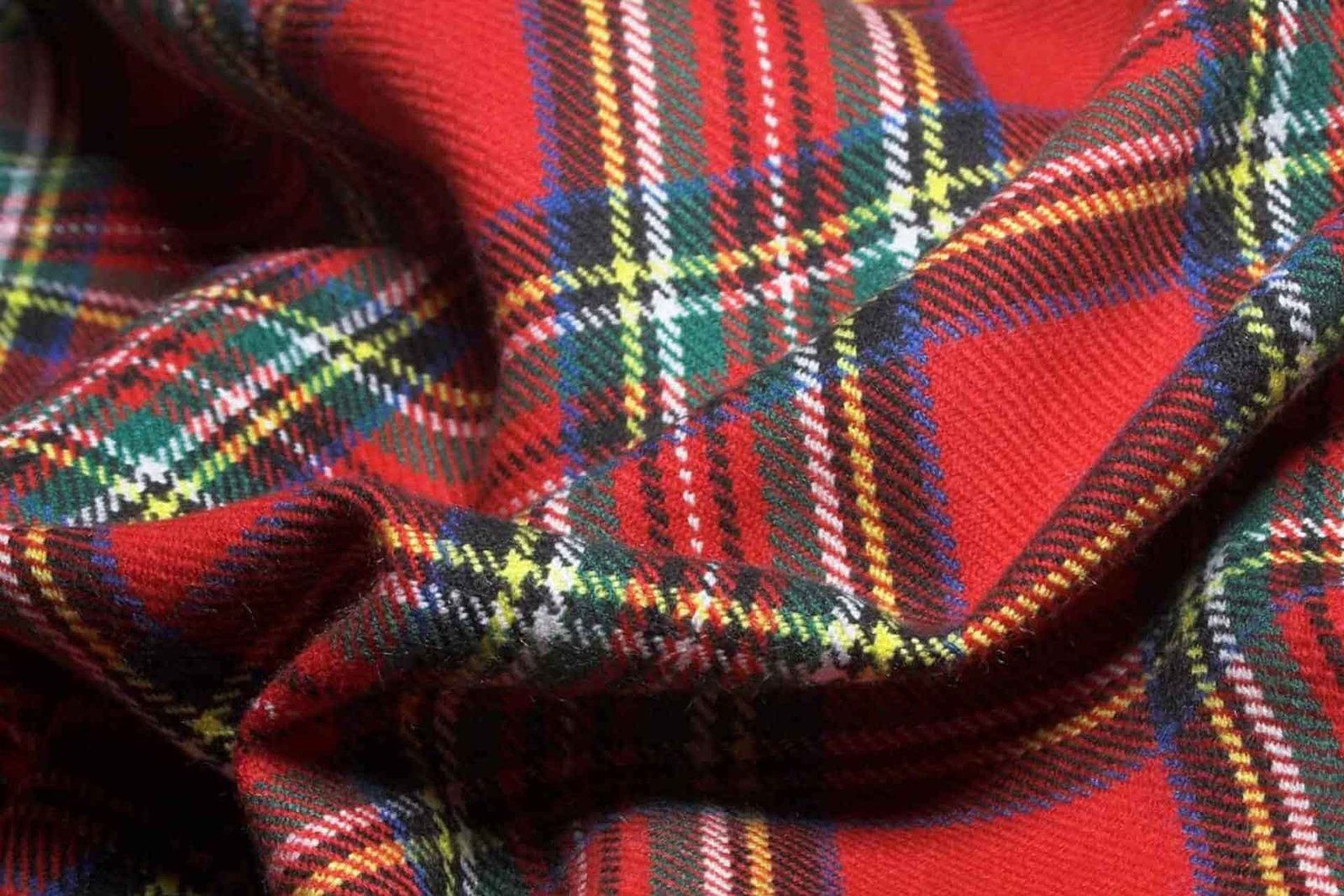
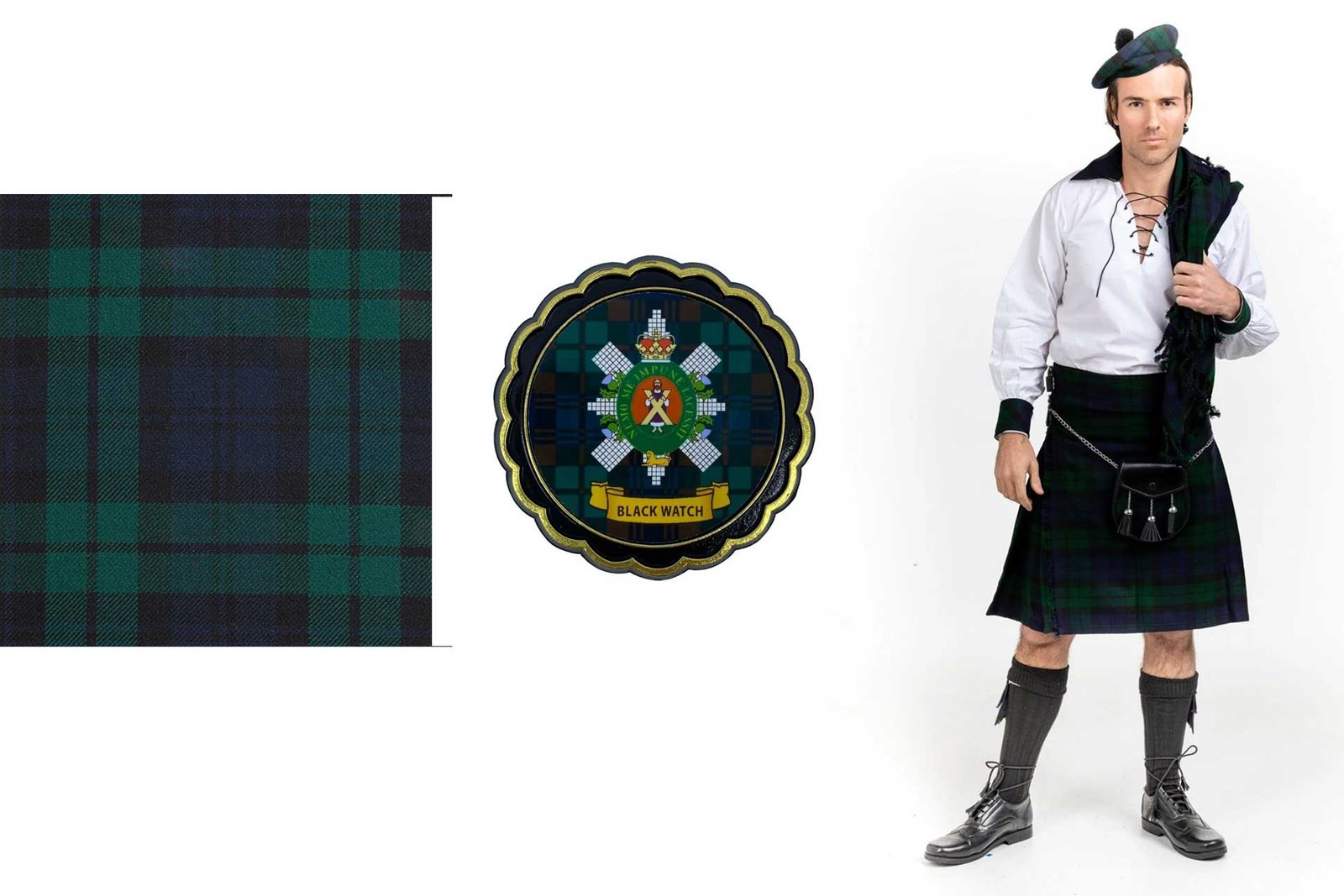
Tartan: Historically, a tartan represents a specific Scottish clan. It consists of horizontal and vertical bands in multiple colors that intersect at varying intervals.
-
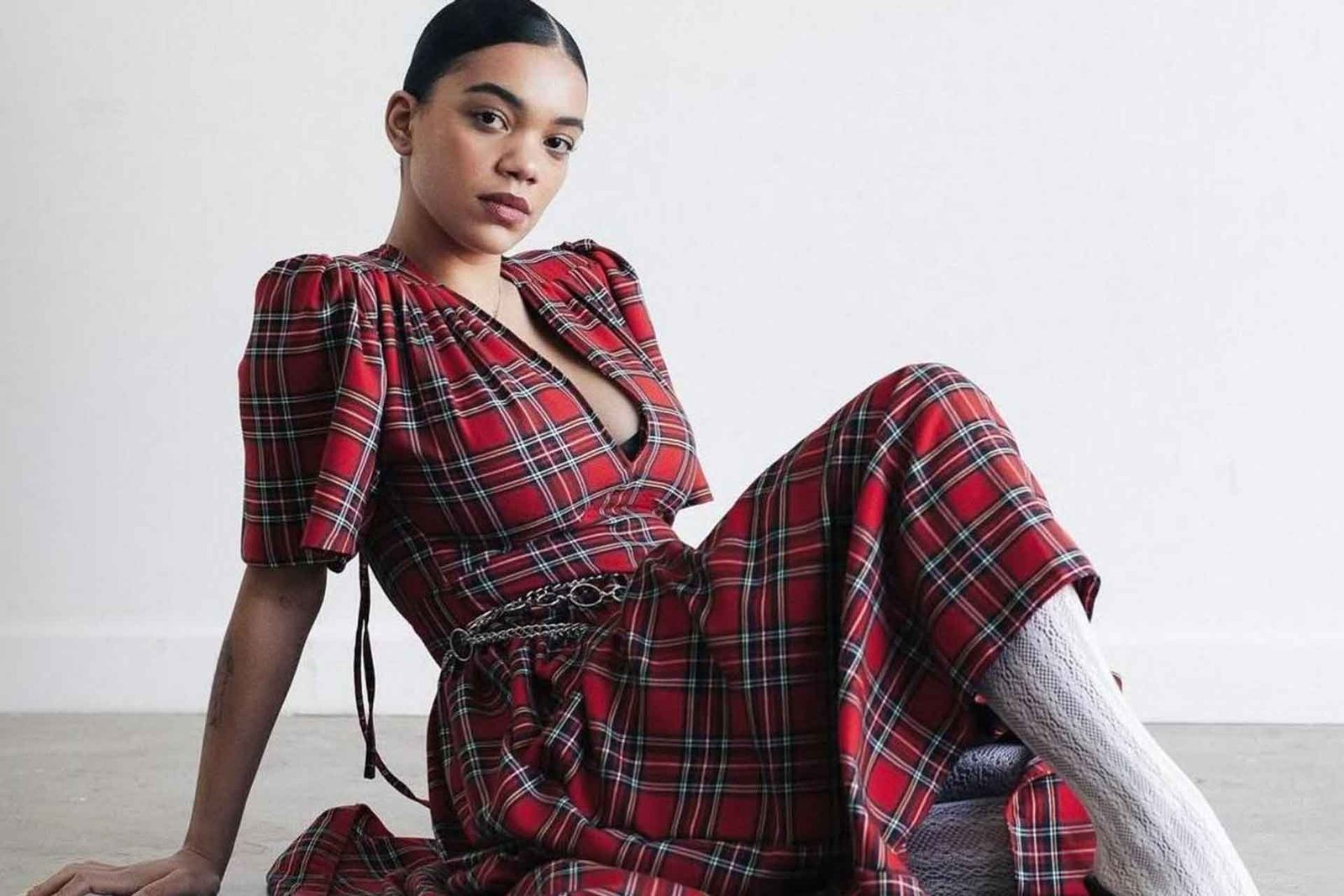
Plaid: In modern terms, 'Plaid' is the general category. All tartans are plaids, but not all plaids are tartans. A plaid can be any patterned check that isn't tied to a specific heritage.
3. Comparison Table: Gingham, Plaid, and Tartan
| Feature | Gingham | Plaid | Tartan |
| Color Count | Strictly 2 colors (plus the overlap) | Multiple colors | Multiple colors |
| Symmetry | Always perfectly symmetrical | Can be asymmetrical | Always symmetrical (traditionally) |
| Complexity | Simple, uniform squares | Complex, varying line widths | Highly complex, specific 'sett' |
| Vibe | Summery, retro, 'picnic' | Cozy, academic, wintery | Heritage, formal, traditional |
4. Key Differences at a Glance
gingham vs plaid
Gingham vs. Plaid
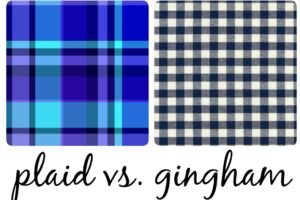
The biggest difference is consistency. Gingham uses the same width of lines throughout the entire fabric, creating uniform squares. Plaid, on the other hand, uses lines of varying thicknesses and colors to create a more layered, complex design.
Tartan vs. Gingham
While Gingham is humble and associated with workwear or summer dresses, Tartan carrie
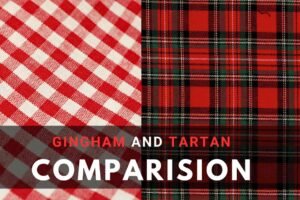
Tartan vs Gingham
s historical weight. You’ll rarely see a 'pink and white' Tartan, as Tartans usually feature deep reds, forest greens, and navy blues associated with Scottish highland history.
5. Why Choose Gingham for Your Project?
Now that you know what is gingham fabric, why should you use it?
-
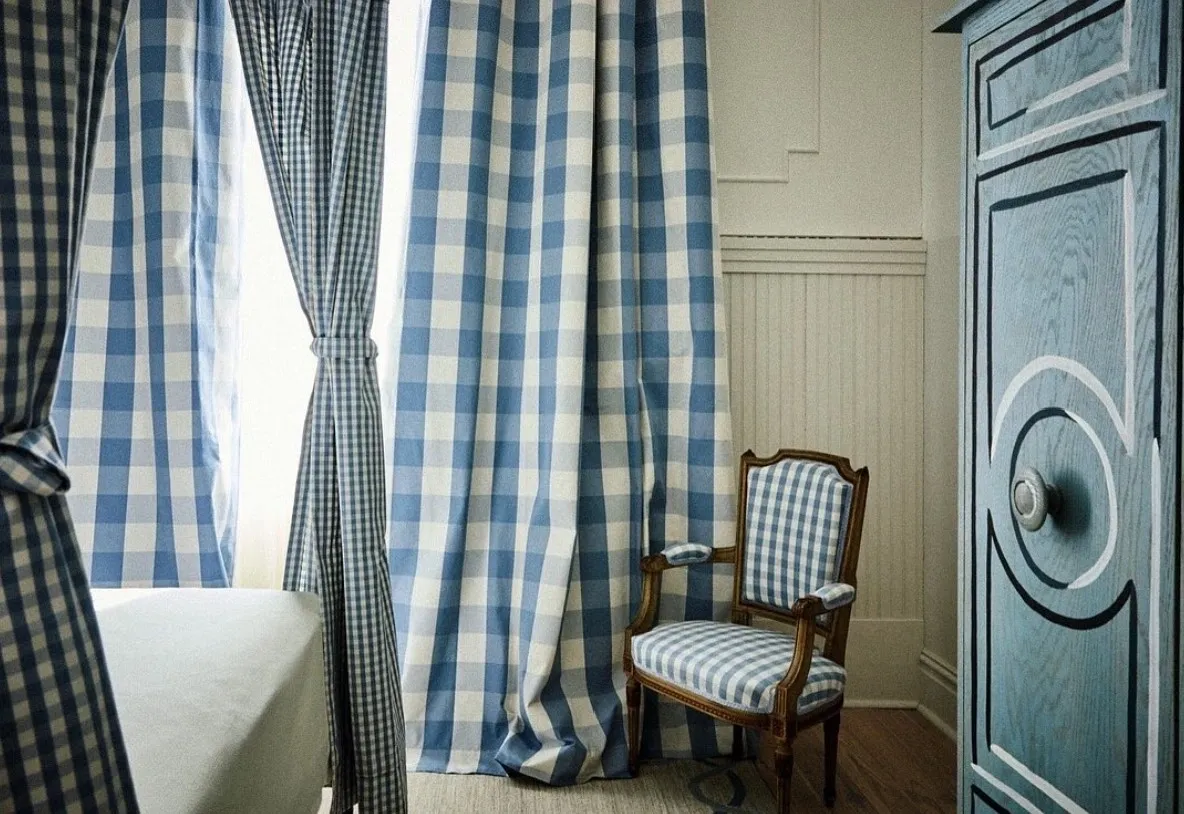
Reversibility: Since it is yarn-dyed, there is no 'wrong side,' making it perfect for unlined curtains or napkins.
-
Ease of Sewing: The grid pattern acts as a natural guide for cutting and straight-line quilting.
-
Timelessness: From Dorothy’s dress in The Wizard of Oz to modern farmhouse decor, it never goes out of style.
Summary: Check Your Style
If you want something simple, two-toned, and crisp, go for Gingham. If you want something multi-colored, warm, and complex, Plaid or Tartan is your best bet.
Ready to start your project? Contact us for our Premium Gingham Collection and find the perfect check for your style!