Introduction: The Plastic Problem in Our Clothes
For decades, spandex has been the 'invisible' workhorse of the fashion industry, providing the stretch we crave in everything from skinny jeans to yoga pants. However, as a synthetic fiber derived from petroleum, spandex has historically been a challenge for the sustainability movement. It doesn’t biodegrade, it’s difficult to recycle, and its production is energy-intensive. But in 2026, a 'Green Revolution' is happening under the surface of our clothes. From recycled Lycra to groundbreaking biodegradable spandex, the industry is finally finding ways to make our stretch sustainable.
recycled spandex
1. The Rise of Recycled Spandex
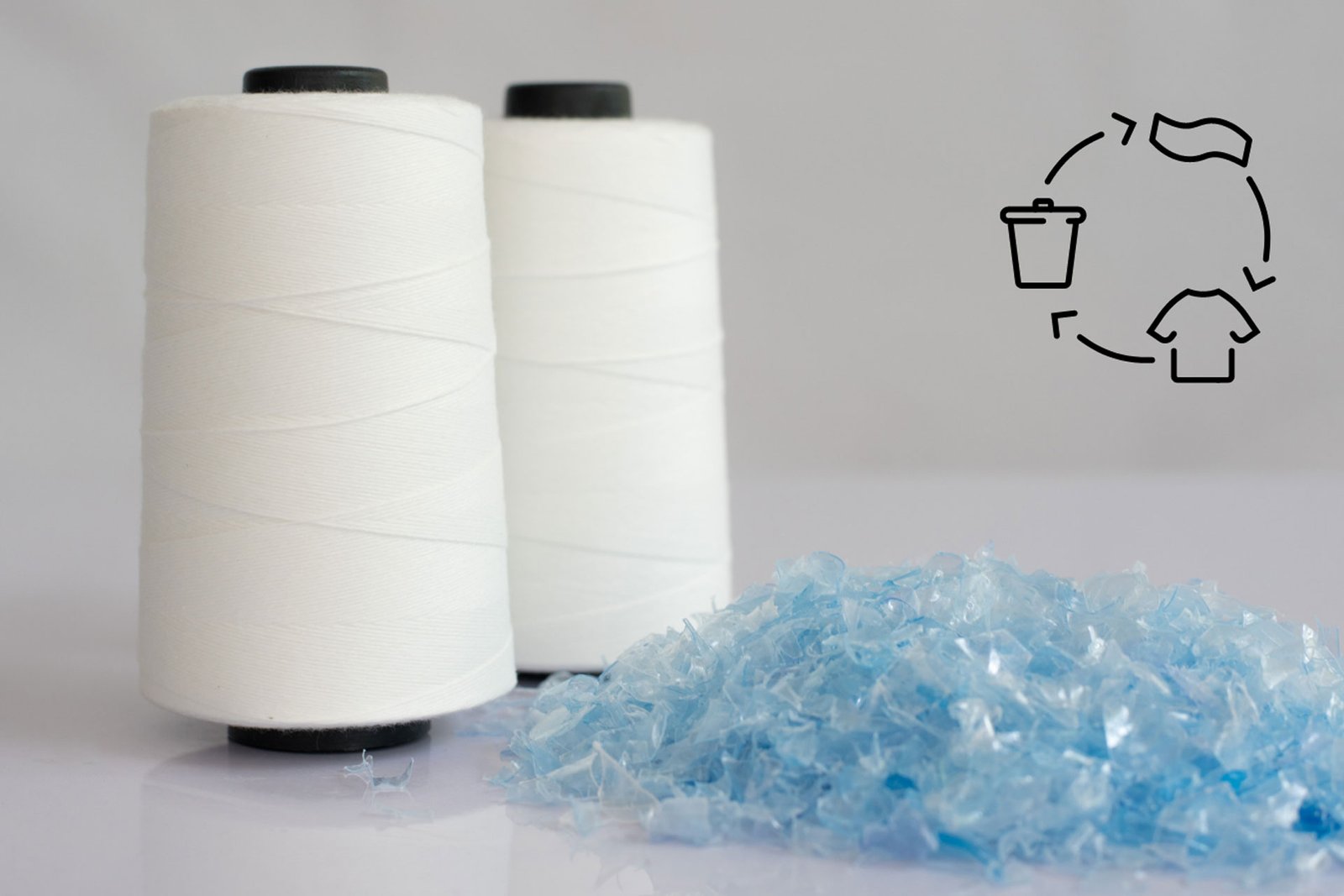
The most common eco-friendly option today is recycled spandex. Unlike traditional elastane made from virgin oil, recycled versions are often created from 'pre-consumer' industrial waste.
-
How it's Made: Manufacturers collect fiber waste from the production floor—pieces that would normally go to a landfill—and re-polymerize them into new yarn.
-
The GRS Standard: Look for the Global Recycled Standard (GRS) certification. This ensures that the recycled spandex in your leggings actually meets strict environmental and social requirements.
-
Performance: High-quality recycled Lycra (like LYCRA® EcoMade) offers the same stretch, recovery, and durability as virgin fibers, meaning consumers don't have to sacrifice performance for the planet.
2. Breaking the Cycle: Biodegradable Spandex
The 'holy grail' of sustainable fashion is circularity—creating clothes that can eventually return to the earth. This is where biodegradable spandex comes in.
-
The Innovation: Standard spandex can sit in a landfill for 200 years. New technologies, such as Amni Soul Eco®, allow the fabric to decompose in about three to five years once it reaches an anaerobic landfill environment.
-
Why it Matters: This solves the 'end-of-life' problem for activewear, which is often difficult to recycle because it is blended with other fibers like polyester or nylon.
3. Bio-Based Alternatives: Plants Over Petroleum
Beyond recycling, the industry is looking at the source of the fiber. Sustainable spandex is now being developed using bio-derived materials.
-
Corn and Sugarcane: Instead of 100% petroleum-based chemicals, some suppliers are replacing up to 70% of the raw material with derivatives from industrial corn or sugarcane.
-
The Carbon Footprint: Bio-based spandex can reduce the CO2 footprint of fiber production by up to 40% compared to traditional methods.
4. The Challenge of Blended Fabrics
The biggest hurdle for sustainable spandex isn't the spandex itself—it's the 'blend.'
-
Most garments are a mix (e.g., 80% Nylon / 20% Spandex).
-
Separating these fibers for recycling is technically difficult.
-
The 2026 Trend: Designers are moving toward 'Mono-materiality' or using recycled Lycra paired with recycled polyester to ensure the entire garment can be processed in textile-to-textile recycling streams.
5. Consumer Guide: How to Shop Sustainably
If you want to support sustainable spandex, keep these tips in mind:
-
Check the Label: Look for 'Recycled Elastane' or brand names like Creora® Regen or LYCRA® EcoMade.
-
Quality over Quantity: The most sustainable garment is the one you wear for years. High-quality spandex with good 'recovery' prevents the garment from bagging out and being thrown away prematurely.
-
Wash Less, Wash Cold: 25% of a garment's carbon footprint comes from how we wash it. Cold water and air drying protect the eco-friendly stretch fibers and save energy.
Conclusion: A Greener Stretch
Is spandex perfectly sustainable yet? No. But the transition from petroleum-reliant fibers to recycled spandex and bio-based alternatives is a massive leap forward. As technology improves, we are moving toward a future where we can have all the flexibility we need without leaving a permanent footprint on the planet.