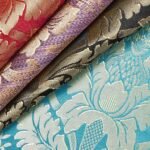
Not All Damask Fabrics Are Made for Furniture
Damask may look elegant in photos — but not every damask fabric is suitable for upholstery.
Some are designed purely for decoration.
Others are built to handle daily wear, pressure, and friction.
👉 And choosing the wrong one can lead to fast wear, fading, or even fabric damage.
If you're planning to use damask upholstery fabric for furniture, understanding the difference is essential.
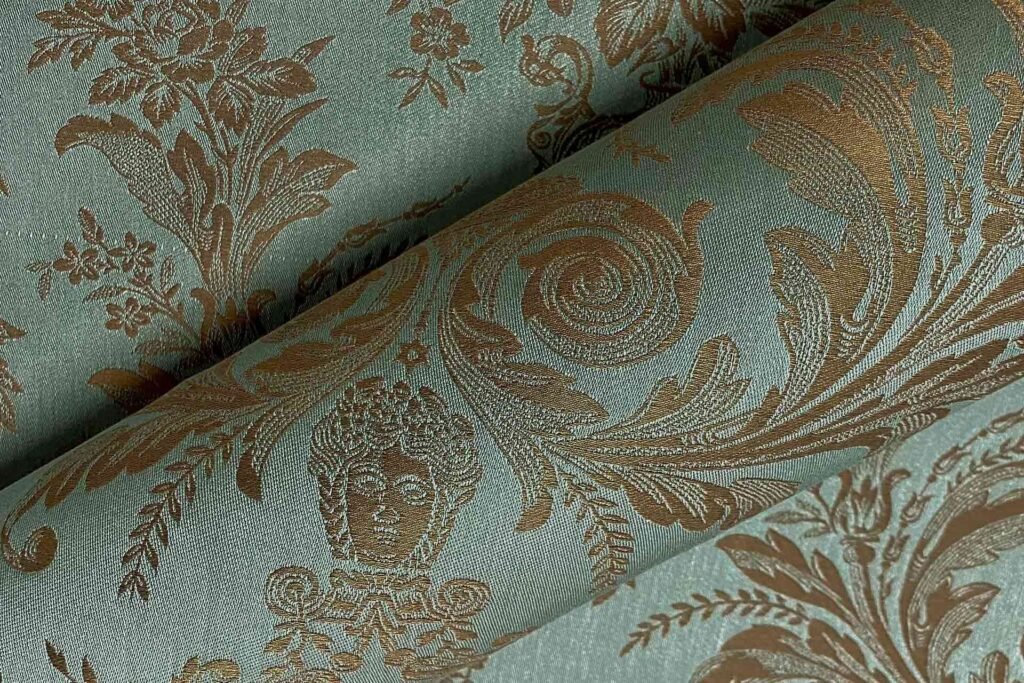
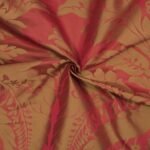
damask upholstery fabric
What Makes a Damask Fabric Suitable for Upholstery?
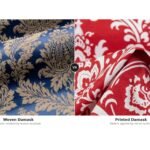
Damask refers to the weave — not the strength.
So when it comes to furniture, what really matters is what’s behind the pattern.
A good damask upholstery material should have:
- Strong base fibers
- High weave density
- Good abrasion resistance
- Structural stability
👉 In other words, it needs to perform — not just look good.
Lightweight vs Heavy Damask Upholstery Fabric
This is one of the most important distinctions — and one many buyers overlook.
Lightweight Damask (Decorative Use)
- Softer and thinner
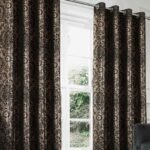
- Often used for curtains or accents
- Less resistant to wear
👉 Not ideal for sofas or frequently used chairs
Heavy Damask Upholstery Fabric (Recommended)
- Thicker and more durable
- Tightly woven structure
- Better resistance to friction
👉 This is what you should look for when upholstering furniture.
Best Materials for Damask Upholstery
Because damask can be made from different fibers, material choice directly affects performance.
Polyester Damask (Most Practical Choice)
- High durability
- Resistant to stretching and shrinking
- Easy to clean
👉 Best for:
- Sofas
- Commercial furniture
- High-traffic areas
Cotton Blend Damask (Balanced Option)
- Softer feel
- Moderate durability
- More breathable
👉 Best for:
- Occasional-use furniture
- Residential settings
Velvet Damask (Decorative Upholstery)
- Rich texture
- Visually striking
- Less practical for heavy use
👉 Best for:
- Accent chairs
- Statement furniture
Silk Damask (Not Recommended for Upholstery)
- Delicate
- Expensive
- Easily damaged
👉 Better suited for curtains or decorative use only
How to Choose the Right Damask Upholstery Fabric
Instead of guessing, use this simple decision path:
Step 1: Define Usage
- Everyday sofa → choose durability
- Decorative chair → focus on appearance
Step 2: Check Fabric Strength
Look for:
- High fabric weight (GSM)
- Tight weave
- Strong fiber composition
Step 3: Consider Maintenance
Ask yourself:
- Will it need frequent cleaning?
- Is stain resistance important?
👉 Polyester blends usually perform best here.
Step 4: Evaluate Pattern Scale
- Large patterns → bold, statement look
- Small patterns → more versatile
A Practical Tip Most Buyers Miss
Damask fabrics change appearance depending on light and angle.
This matters even more for furniture, because:
- Sofas are viewed from multiple angles
- Indoor lighting varies
👉 A pattern that looks subtle online may appear much stronger in real space.
Always request a sample before bulk purchasing.
Common Mistakes to Avoid
- Choosing damask based on appearance only
- Using lightweight fabric for high-traffic furniture
- Ignoring durability specifications
- Assuming all damask fabrics perform the same
Is Damask a Good Choice for Upholstery?
Yes — but only when chosen correctly.
Damask works best when you want:
- A classic, elegant look
- Texture without printed patterns
- A more refined furniture style
It may not be ideal if you prefer:
- Minimalist or modern flat designs
- Extremely high-wear environments without maintenance
Final Thoughts
Damask can elevate furniture from ordinary to sophisticated — but only if the fabric is built for the job.
The key is not just choosing damask, but choosing the right type of damask upholstery fabric.
Looking for Durable Damask Upholstery Fabric?
If you're sourcing heavy-duty damask upholstery material for sofas, chairs, or commercial furniture, selecting the right fabric is critical.
👉 Contact us today for fabric samples, expert recommendations, and competitive pricing tailored to your project.