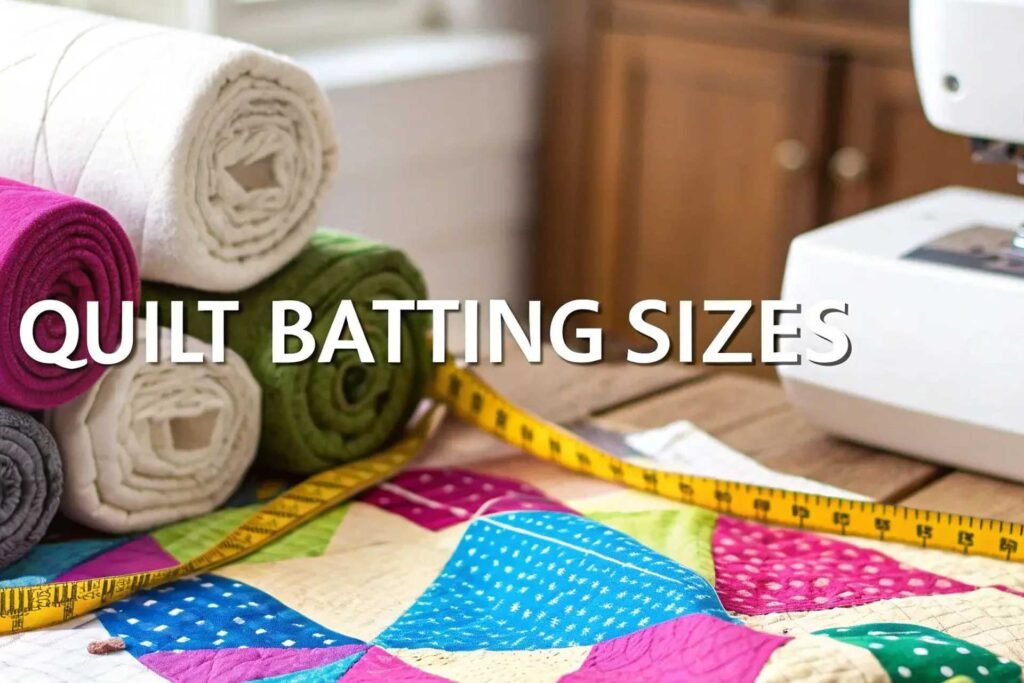
The Quilt Batting Guide
You’ve spent weeks piecing together the perfect quilt top. Now comes the 'sandwich' phase. The batting (the middle layer) is the soul of your quilt—it determines how heavy it feels, how warm it stays, and how it drapes over a bed.
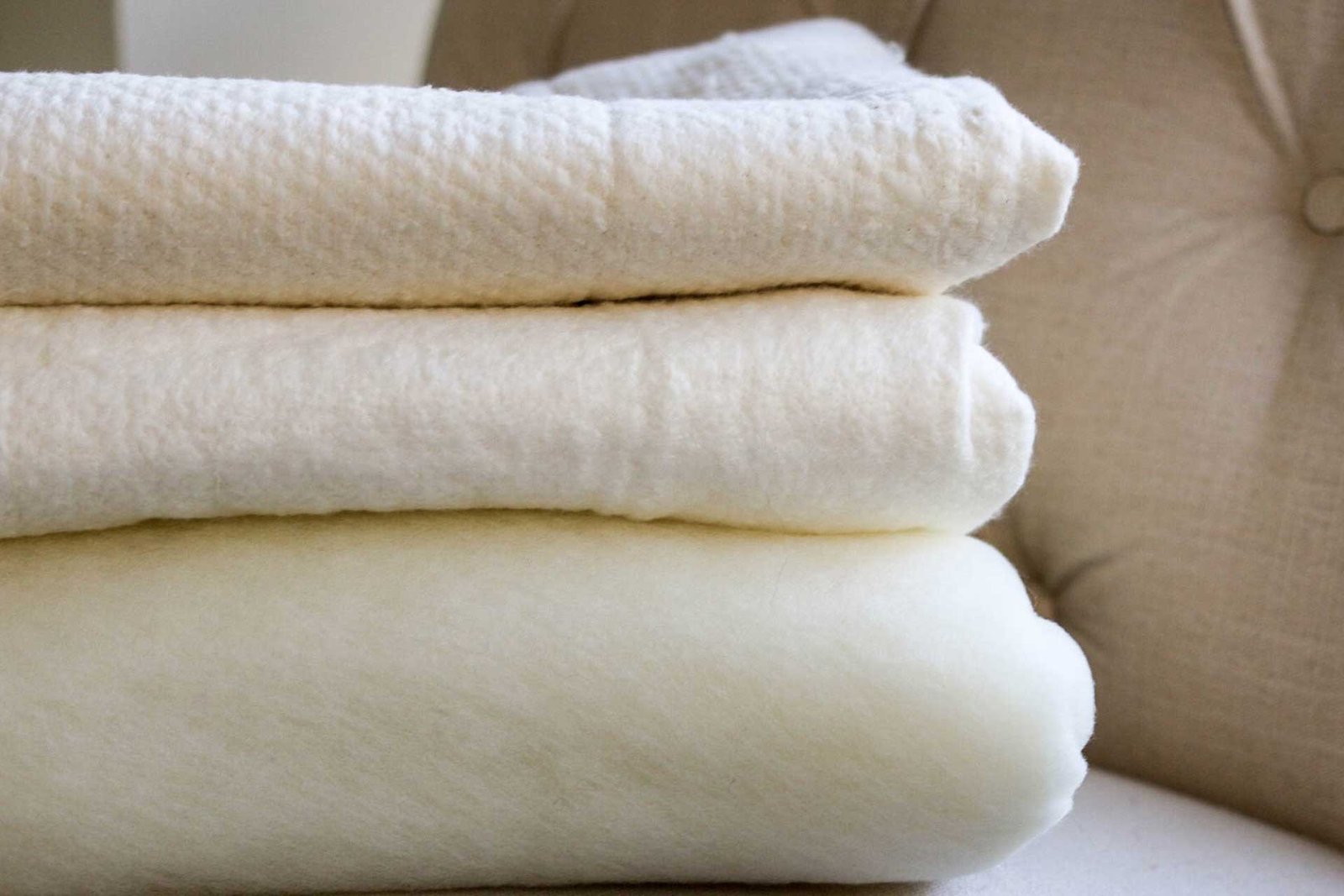
Choosing between cotton batting for quilts, bamboo batting, and polyester quilt batting can be confusing. Each fiber behaves differently under a needle and after a wash. Here is how to choose the right one for your project.
1. Cotton Batting: The Traditional Favorite
Cotton batting for quilts is the gold standard for many traditional quilters. It is a natural fiber that provides a flat, low-profile look.
-
Warmth & Breathability: Excellent. It breathes well in the summer but provides solid warmth in the winter.
-
The 'Drape': Cotton has a slightly stiffer drape initially but becomes incredibly soft and 'crinkly' after the first wash.
-
Shrinkage: Expect 3% to 5% shrinkage. This is what creates that beloved 'antique' puckered look.
-
Best For: Heirloom quilts, daily-use bed quilts, and wall hangings.
2. Bamboo Batting: The Luxury Choice
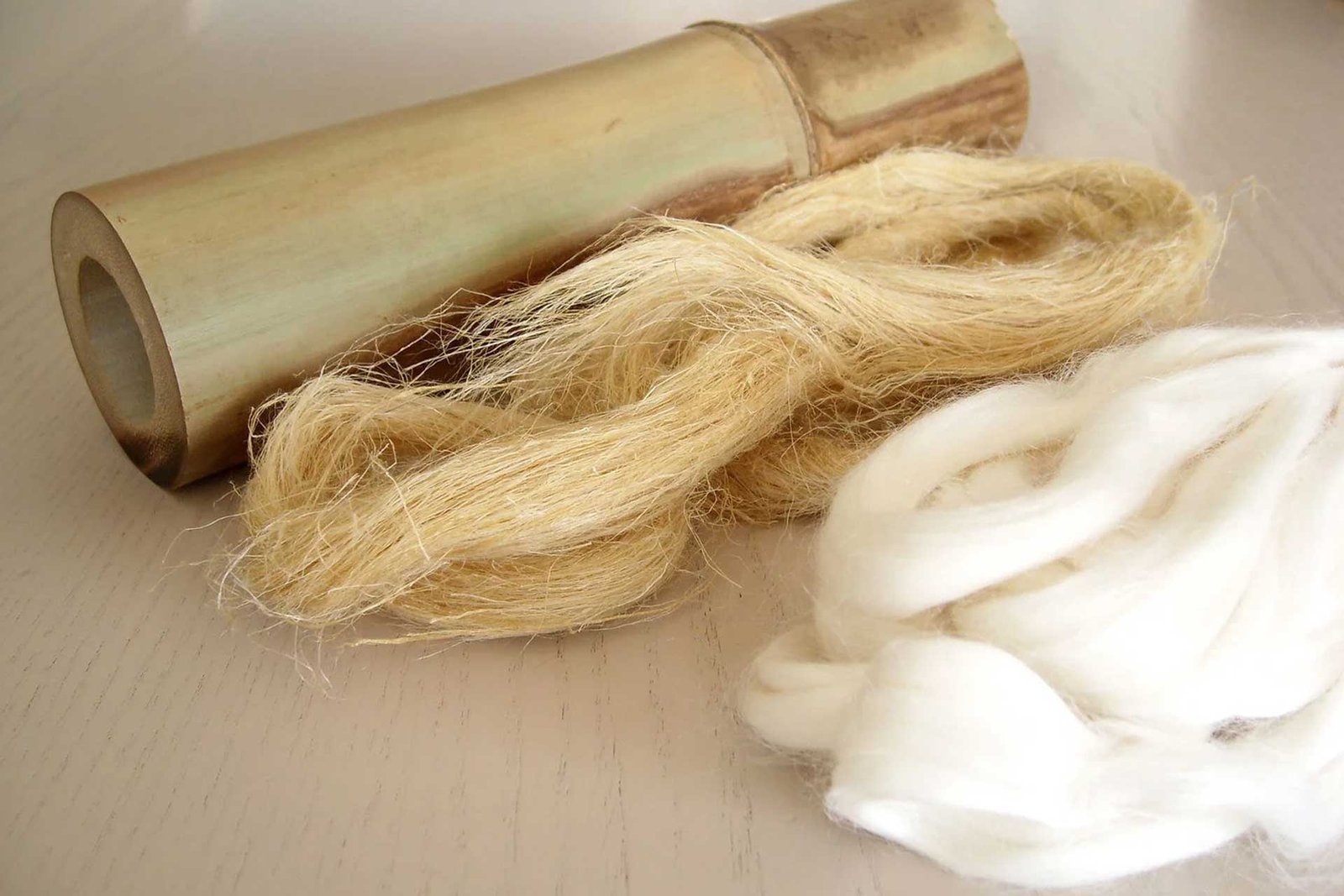
If you are looking for the ultimate soft feel, Quilters Dream Bamboo batting (often a blend of bamboo, silk, tencel, and cotton) is a game-changer.
-
Warmth & Breathability: Highly breathable and moisture-wicking. It feels cool to the touch, making it the best choice for summer quilts or warm climates.
-
The 'Drape': Unmatched. Bamboo has a 'fluid' drape, meaning it flows and hangs beautifully without any stiffness.
-
Sustainability: Bamboo is a renewable resource, making it an eco-friendly choice for the conscious crafter.
-
Best For: Baby quilts (due to its anti-bacterial properties), clothing, and lightweight summer throws.
3. Polyester Batting: The King of Loft
Polyester quilt batting is a synthetic option known for its 'loft' (thickness). Unlike natural fibers, polyester doesn't compress easily.
-
Warmth: Very warm, as the thicker fibers trap more air. However, it is less breathable than cotton or bamboo.
-
The 'Drape': Because it is thicker, it has a 'puffy' look. It doesn't drape as closely to the body but holds its shape perfectly.
-
No Shrinkage: Polyester will not shrink. Your quilt will look exactly the same after washing as it did when you finished it.
-
Best For: Comforters that you want to look 'puffy,' tied quilts, and projects where you want to emphasize the quilting stitches (as they will sink deep into the loft).
4. Comparison Table: Which One Fits Your Project?
| Feature | Cotton Batting | Bamboo Batting (Quilters Dream) | Polyester Batting |
| Feel | Soft & Traditional | Silky & Fluid | Lightweight & Puffy |
| Loft (Height) | Low (Flat) | Low to Medium | Medium to High |
| Shrinkage | 3-5% (Gives vintage look) | Minimal (approx. 1%) | 0% |
| Best Climate | All-season | Hot/Humid | Cold |
| Stitch Distance | Up to 8' apart | Up to 8' apart | Can be 2-4' or 10' (Check label) |
5. Pro Tips for Selecting Batting
-
Check the 'Beard': Low-quality polyester batting can sometimes 'beard,' meaning the fibers migrate through the fabric to the surface. Stick to reputable brands like Quilters Dream or Hobbs to avoid this.
-
The 'Scrimp' Test: If you want a quilt that you can fold up very small for travel, go with cotton or bamboo. Polyester is too springy to stay tightly folded.
-
Quilting Density: Always check the package for the 'maximum distance between stitches.' If you plan to quilt very sparsely (big gaps), you need a batting with a 'scrim' (a thin stabilizer) so it doesn't fall apart inside the quilt.
Final Thoughts
The batting you choose is just as important as the quilt and fabric on the outside. Whether you crave the vintage crinkle of cotton batting or the silky luxury of bamboo, picking the right 'filling' ensures your hard work lasts for generations.